The difference between boy kibble that tastes cooked and boy kibble that tastes merely heated is often the skillet. A bowl can have the right protein, the right rice, the right sauce, and still feel flat because the main ingredient never got enough contact with heat. Ground meat steamed in its own liquid. Tofu went from cold cube to soft cube. Frozen vegetables thawed, leaked, and joined the rice before they had a chance to taste like dinner.
Skillet browning is not a restaurant trick. It is the everyday step that gives a simple bowl enough depth to survive repetition. How to Season Boy Kibble Before the Sauce Goes On explains why flavor should begin before the finishing sauce. This guide focuses on the physical part: heat, moisture, spacing, timing, and stopping before the food dries out.
Browning Starts With Dry Contact
Browning needs contact. That sounds obvious until a pan is crowded with cold meat, damp tofu, frozen vegetables, and sauce added too early. When too much water enters the skillet, the food steams first. It may eventually cook through, but it misses the browned edges that make a bowl taste intentional.
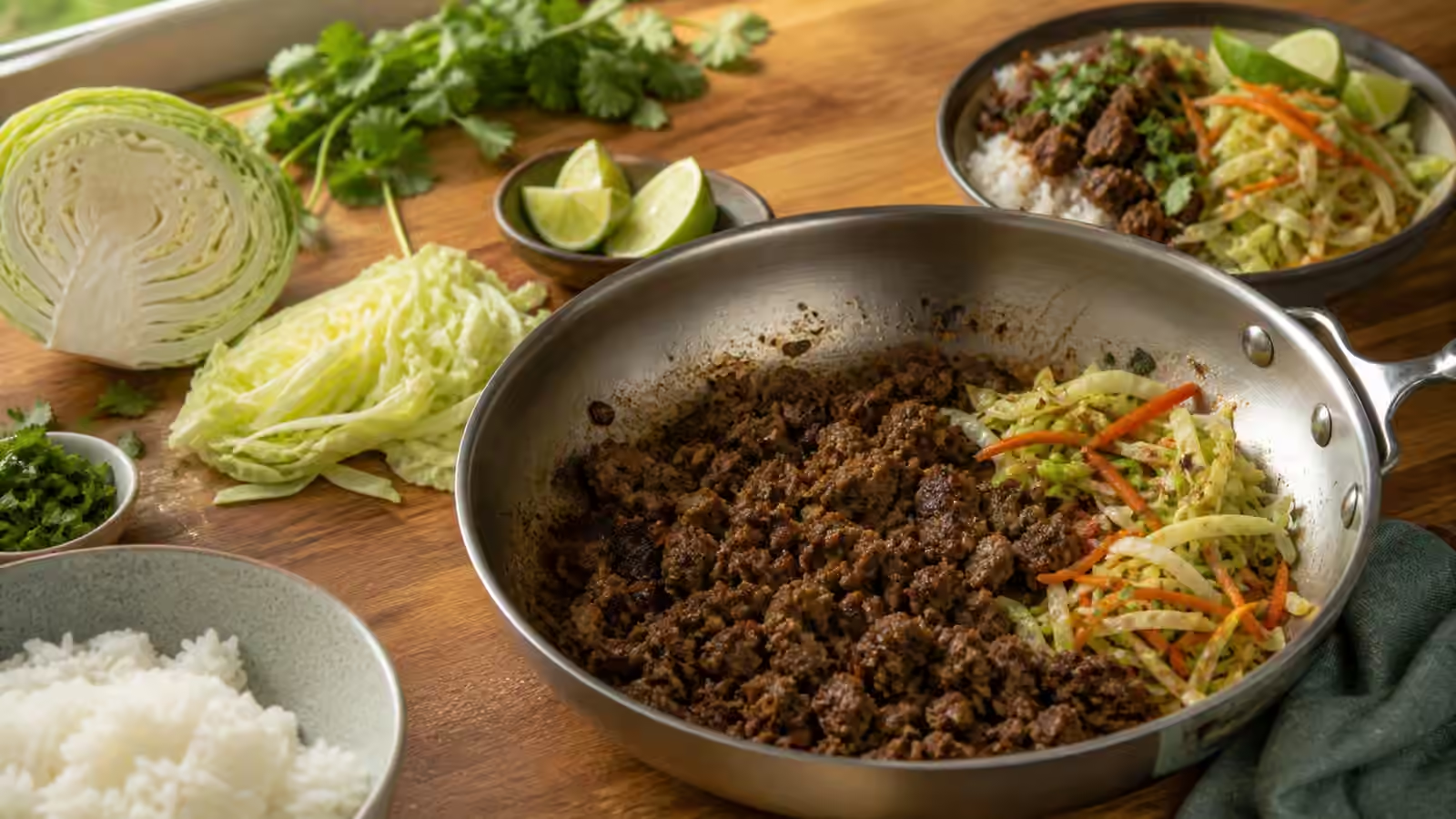
The useful habit is to let the first ingredient own the pan for a minute. Ground beef, turkey, chicken, pork, crumbled tofu, mushrooms, and thawed vegetables all benefit from a short undisturbed stretch. Spread the ingredient out, let the bottom surface meet the pan, then stir or break it up. You are not trying to create one hard crust. You are trying to build enough browned spots that the ingredient has a cooked flavor before the rest of the bowl joins it.
This matters most with lean proteins. Ground turkey and ground chicken can taste watery when they are stirred constantly. They also dry out if the heat stays aggressive after moisture has left. Give them enough time to color, then season confidently and reduce the heat before they turn pebbly. Lean Ground Turkey and Chicken Boy Kibble is easier when the skillet does some of the flavor work instead of leaving every bite to the sauce.
The Pan Should Not Be Asked to Fix Everything
A skillet can brown food, cook off water, wake up spices, and warm leftovers. It cannot do all of those at once if every component enters at the same time. Boy kibble gets better when the pan has a sequence.
Start with the ingredient that needs browning most. For ground meat, that usually means the protein. For a vegetable-heavy bowl, it may mean mushrooms, peppers, onions, or broccoli. For tofu, it means dry surfaces and patience, as covered in Tofu Boy Kibble . Once that anchor has some color, use the pan to catch the next flavor. Garlic, ginger, chili powder, curry powder, tomato paste, soy sauce, or spices can bloom briefly in the fat and browned bits. Then add ingredients that need heat but not hard browning.
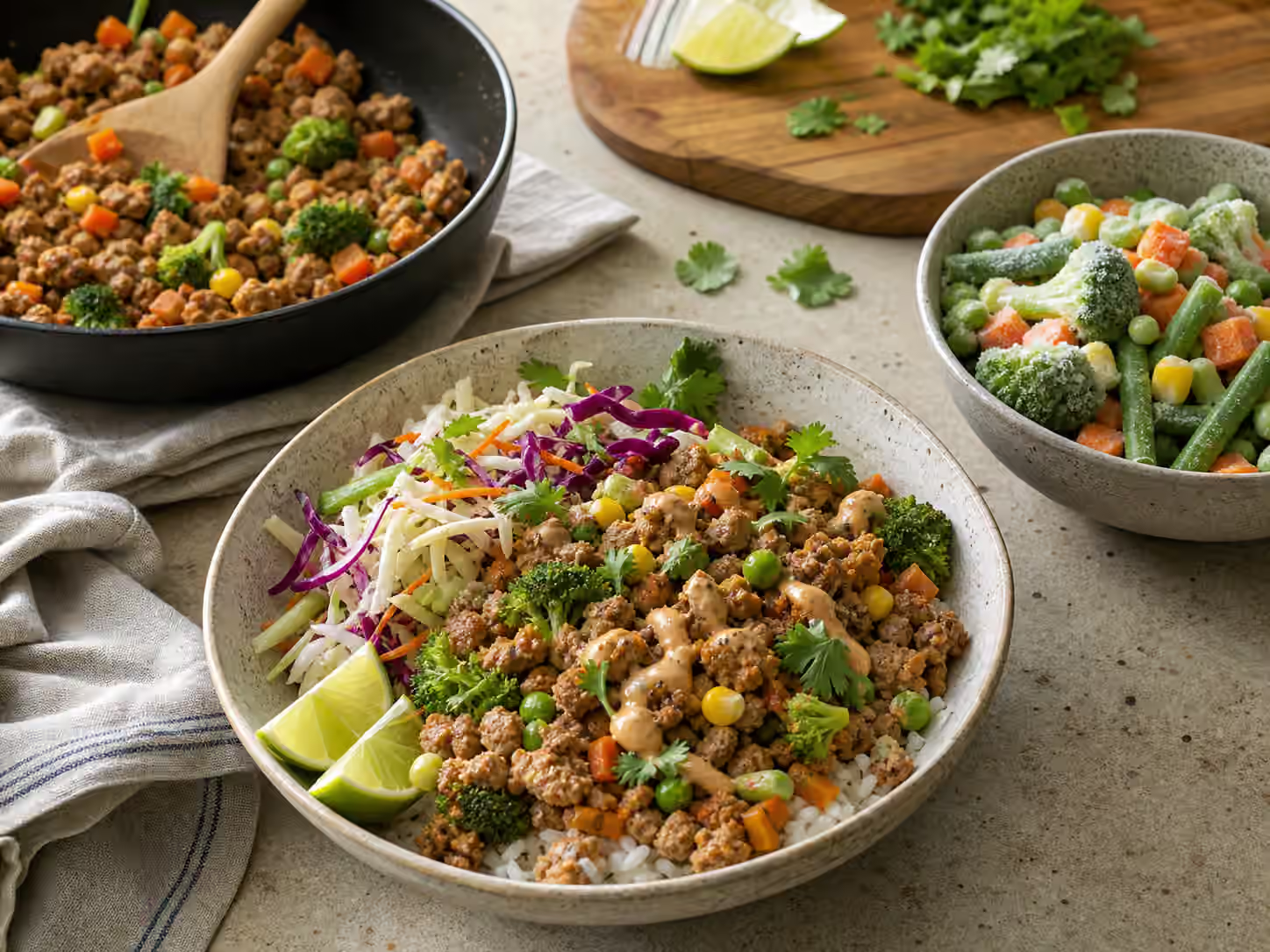
Frozen vegetables should not be treated as garnish if they are going into the pan. They release water. Let that water leave before sauce goes in. If you add salsa, soy sauce, broth, or tomato while the pan is still wet from thawing vegetables, the bowl can taste diluted even when the sauce is strong. Vegetables for Boy Kibble makes the same point from the vegetable side: sturdy ingredients should be cooked like ingredients, not apologized into the bowl.
Sauce Comes After the Skillet Has Something to Offer
Sauce is powerful, but it should not be asked to replace cooking. If meat tastes pale and boiled, a bottled sauce may cover it for two bites and then become tiring. If tofu is soft all the way through, a strong sauce can make it salty without making it satisfying. If vegetables are watery, sauce simply becomes flavored water at the bottom of the bowl.
Let the skillet create something first. Brown the protein. Cook off the liquid. Let spices touch heat. Scrape up browned bits with a small splash of water, broth, salsa, vinegar, soy sauce, or tomato only after those browned bits exist. That small deglazing moment can make the pan taste like part of the meal instead of a dirty dish.
This is especially helpful for Ground Beef Boy Kibble . Beef has enough richness that it can carry flavor through rice, beans, potatoes, or tortillas, but only if the fat and browned edges are managed. Drain excess fat when it would coat the bowl heavily. Keep enough to carry seasoning. Then use acid, crunch, and freshness to finish the meal.
Stop Before Meal Prep Turns Into Gravel
There is a second failure mode after steaming: over-browning. It happens when a cook notices that the pan is finally getting color and keeps going until the meat is dry, the tofu is tough, and the vegetables are exhausted. Meal prep makes this worse because the food will be reheated later. A batch cooked to the edge on Sunday has very little room left by Tuesday.
The goal is cooked flavor, not total dehydration. Ground meat should have browned patches and still feel juicy enough to stir through rice. Tofu should have surfaces that can hold sauce while the interior stays pleasant. Mushrooms should lose their raw water and gain flavor, not shrink into leather. Peppers and onions should taste cooked without turning every bowl sweet and soft.
If you plan to reheat the batch, leave moisture in the system on purpose. A small amount of pan juice, beans with their own body, sauce added after reheating, or a cold finish can keep leftovers from feeling tired. Leftover Boy Kibble works best when the first cook leaves future texture in mind.
Use Heat for Contrast, Not Just Doneness
The skillet is also a texture tool. It can crisp the edge of leftover rice, refresh potatoes, wake up beans, toast spices, and turn the last spoonful of protein into a better dinner. This is why a small reheating step can do more than another sauce. Heat changes the bite.
Leftover rice can take a little oil and become the base for Fried Rice Boy Kibble . Roasted potatoes can regain some edge in a pan even if they softened in the fridge. Beans can be simmered until they thicken and cling to rice instead of sitting as separate spoonfuls. A tortilla can turn the same ingredients into a browned wrap or quesadilla when another bowl feels too familiar.
The key is to choose one thing for the skillet to improve. Do not throw the whole fridge into the pan and hope contrast appears. Crisp the rice and keep the slaw cold. Brown the protein and add cucumber later. Warm beans and keep the sauce bright. The pan is most useful when it gives one part of the bowl a stronger identity.
Keep the Skillet Habit Small
Good skillet boy kibble does not require perfect technique. It requires a few boring habits that repeat. Preheat the pan enough that food sizzles. Avoid crowding when browning matters. Let moisture cook off before adding sauce. Season the ingredient, not only the finished bowl. Stop while the batch can still reheat. Add fresh or crunchy things after the hot work is done.
Those habits make the rest of the system easier. One-Pan Boy Kibble becomes more useful because the single pan is doing real work. Sauces and Toppings That Save Boy Kibble from Sadness becomes more effective because the sauce lands on food that already tastes cooked. Even plain rice feels less plain when the skillet anchor has browned depth.
Boy kibble succeeds because it stays simple enough to make again. Skillet browning belongs in that spirit. It is not extra drama. It is the small piece of cooking that lets a practical bowl taste like dinner instead of warm components placed near each other.