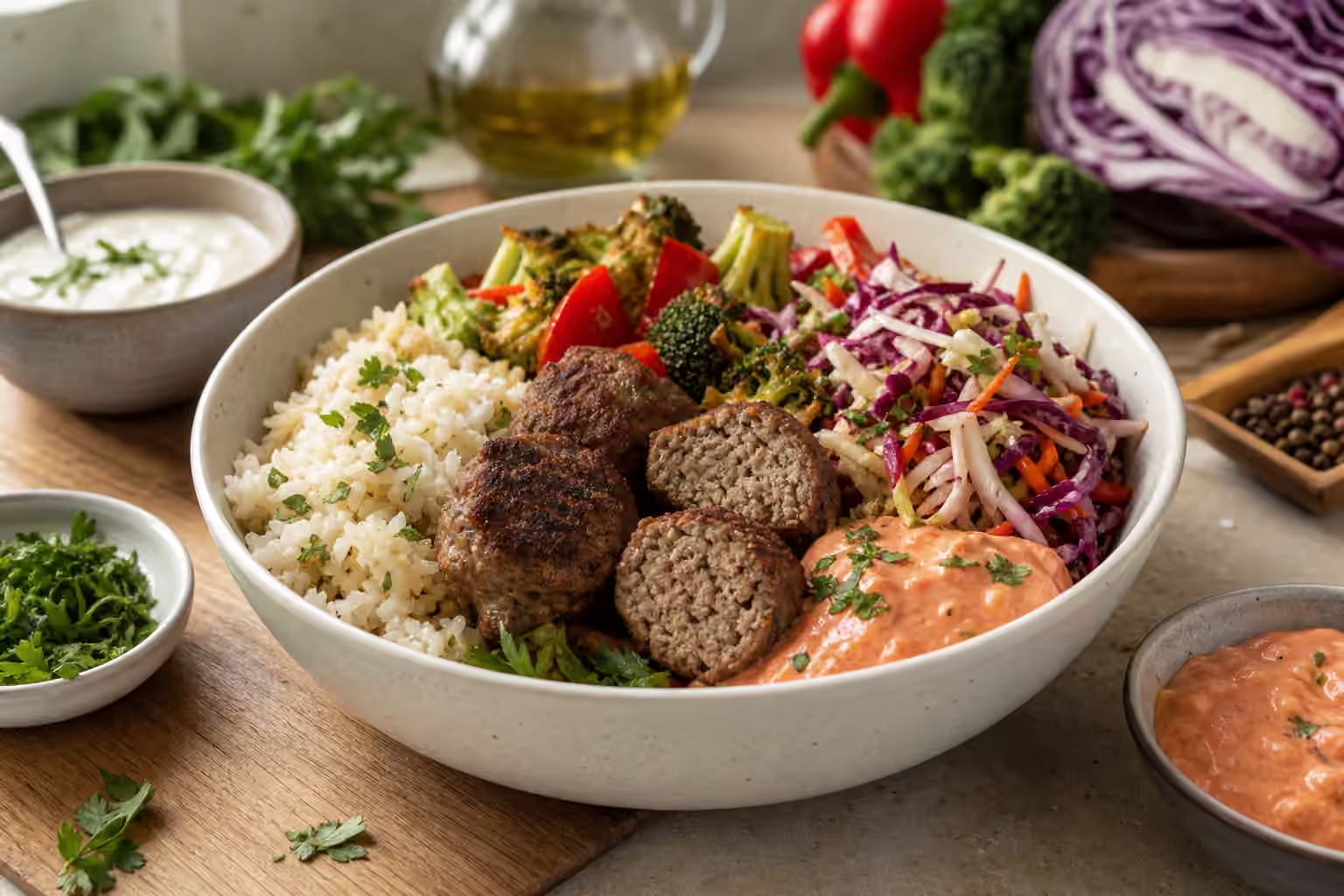
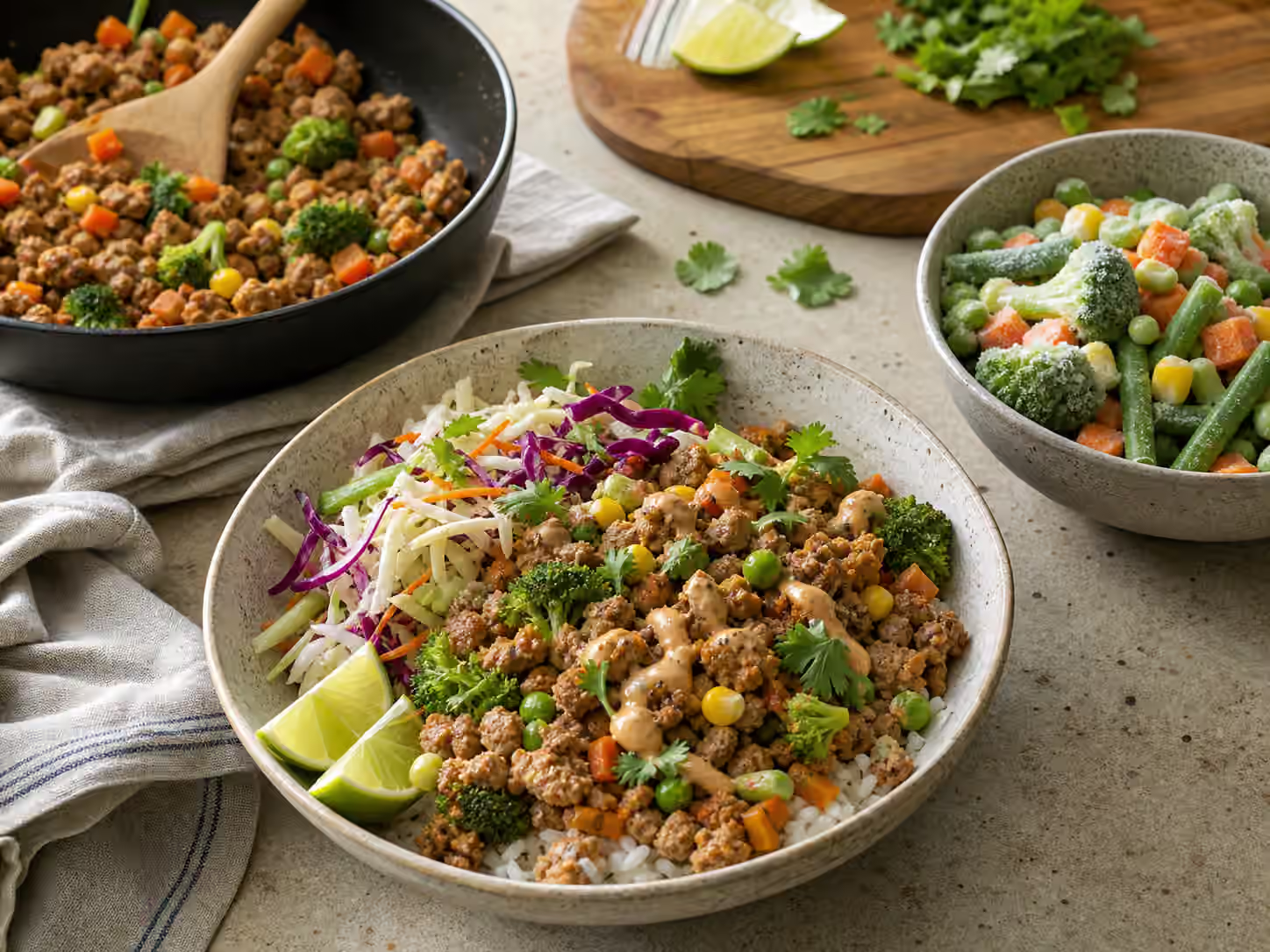
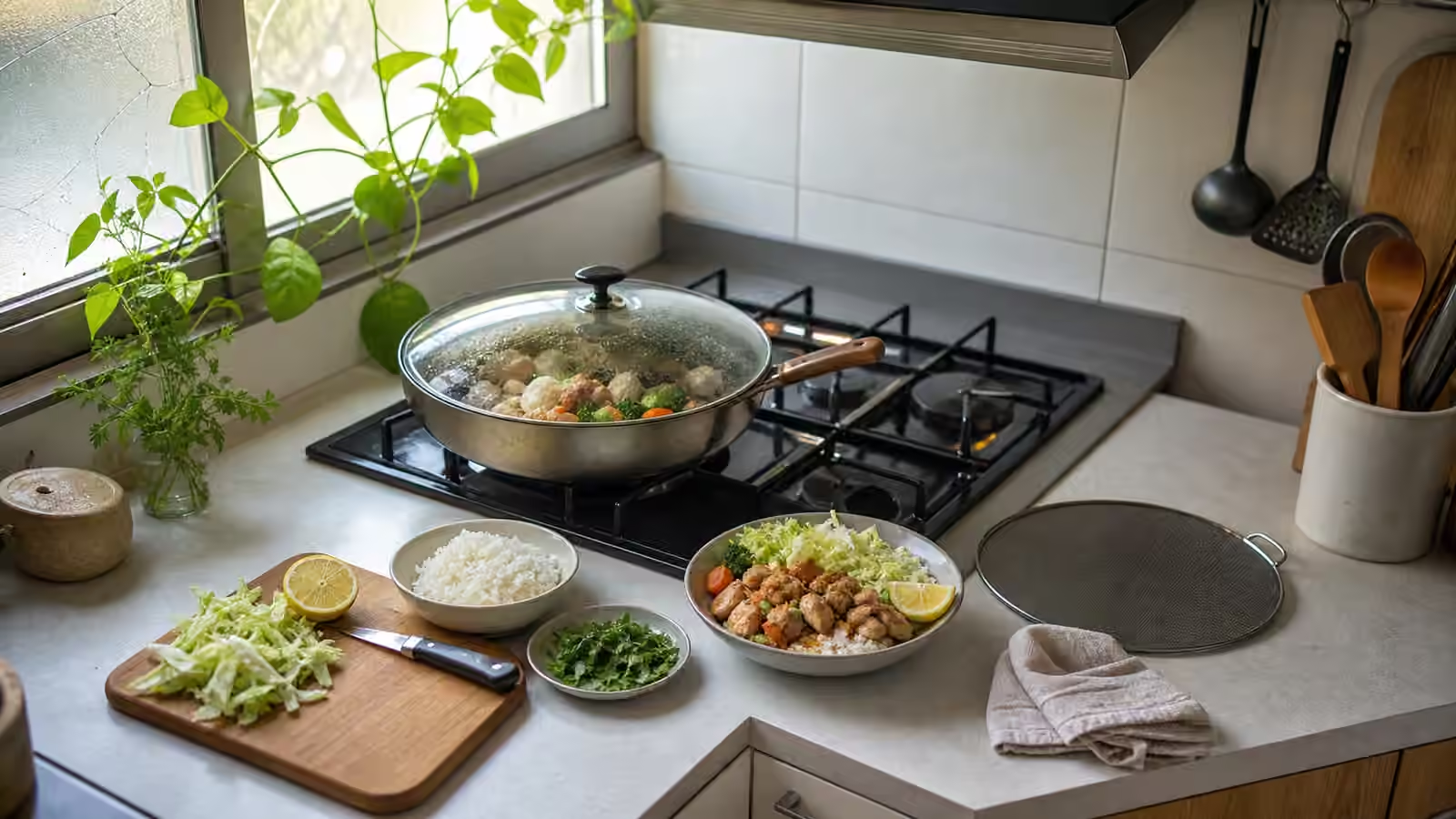
The hidden cost of boy kibble is not always cooking. It is the small kitchen aftermath that decides whether you will make the meal again. A skillet on the stove, rice stuck to a spoon, containers without lids, a cutting board with herbs drying on it, and a sink that still looks like dinner happened can turn a simple bowl into a chore that lingers. The food may have been easy. The reset was not.
Sink-to-fridge cooking treats cleanup, cooling, and storage as part of the meal instead of a punishment after it. One-Pan Boy Kibble reduces the active cooking mess. How to Meal Prep Boy Kibble Without Hating It by Wednesday helps the food survive the week. This guide sits between them. It is about the workflow that gets cooked food into usable containers and leaves the kitchen ready for the next bowl.
Start With the Landing Zone
A meal prep session usually fails before the pan is hot if there is nowhere for finished food to land. Containers are missing. Lids do not match. The counter is crowded. The sink is already full. By the time the protein is cooked, every next step requires negotiation. That is how a low-effort bowl becomes a kitchen traffic jam.
The useful habit is to clear a landing zone before cooking. It does not need to be pretty. It needs to be functional. Put the containers where they will be filled. Set out the lids that actually match. Make room for the hot pan to rest safely. Keep the cutting board to one side if fresh toppings will be added later. If rice, grains, or potatoes are already cooked, decide whether they are being portioned now or stored separately.
This small setup protects momentum. When the food is ready, you can move it into bowls or containers before it overcooks in the pan. You can see how many meals the batch really made. You can avoid the classic problem of cooking enough food but storing it so badly that tomorrow’s lunch becomes harder than it needed to be.
Cook in a Way That Leaves You an Exit
Low-cleanup cooking is partly about choosing fewer tools, but it is also about using them in an order that leaves you an exit. If every component is mixed together too early, the whole batch has to be stored the same way. If the protein, base, fresh finish, and sauce stay partly separate, the cleanup and the leftovers both get easier.
For example, a skillet of seasoned turkey and vegetables can be portioned beside rice, not buried in rice immediately. A batch of beans can be stored with some cooking liquid so it does not dry out, while slaw waits cold. A sauce can stay in a jar instead of being stirred into four containers on faith. Portioning Boy Kibble is useful here because the container is not only storage. It is the future bowl.
Cooking with an exit also helps when appetite changes. One container can become lunch with more vegetables. Another can become dinner with a bigger base. A smaller amount can become a wrap, egg bowl, or late meal. If the whole batch is mixed into one heavy mound, those choices disappear. The cleanup may look simpler for one minute, but the week becomes less flexible.
Wash While Heat Is Doing Passive Work
The least painful cleanup happens in the pauses. Rice cooks. Potatoes roast. Meat browns before it needs stirring. Beans simmer. Those moments are not long enough for a life overhaul, but they are long enough to rinse a cutting board, wash a knife, clear measuring cups, or put a sauce jar back where it belongs. A few small resets during cooking prevent the post-dinner pile from becoming the reason you stop cooking tomorrow.
This does not mean frantically cleaning while food burns. It means noticing which tasks are no longer active. If the cutting board is done, wash it or move it out of the way. If the rice scoop has already served its purpose, rinse it before starch dries into glue. If the vegetable bag is empty, throw it out instead of letting the counter collect evidence. The work is tiny, but it changes the mood of the kitchen.
This is especially useful in the tiny spaces covered by Tiny-Kitchen Boy Kibble . In a small kitchen, mess is not just visual. It blocks the next step. A rinsed knife and a clear counter can be the difference between finishing the meal calmly and balancing containers on the edge of the sink.
Portion for the Meal You Will Actually Open
The sink-to-fridge workflow is where optimistic meal prep meets real appetite. Four identical packed containers may look organized, but they are not always the easiest to eat. One might be too large for lunch. Another might need sauce kept separate. Another might be better as components because you will use it for dinner. The point is not to fill containers evenly. The point is to make future meals easier to open.
Shallow containers help when the meal needs stirring room and a fresh finish. Deeper containers help when the food is saucier or soupier. Small containers are useful for toppings that should stay crisp or cold. A single big container can work when you know you will assemble different bowls later, but it can also hide how much food is left and encourage vague grazing instead of actual meals.
Packable Boy Kibble Lunches makes this practical for work and school food. A lunch container has to survive movement, reheating, and the reality that you may not have a clean counter at noon. Leave enough headroom to stir. Do not put a watery finish under hot food. Keep the thing that makes the bowl fresh from becoming the thing that leaks in the bag.
Cool and Store With Texture in Mind
Food should not sit around forgotten, but rushing every hot component into sealed containers can also punish texture. Steam trapped inside a tight lid softens roasted vegetables, makes rice wetter, and turns crisp edges into memory. The better move is to give hot food a short, orderly transition. Portion it, let excess steam calm down, then cover and refrigerate it with basic food-handling common sense rather than letting it drift on the counter while the evening disappears.
Different parts want different storage. Rice and grains usually prefer not to be drowned in thin sauce. Fresh toppings want cold separation. Crunch wants dry storage. Saucy beans can keep moisture better than lean meat. Roasted potatoes should not be expected to stay crisp under a lid, so plan to reheat them in a skillet or accept a softer lunch version. Freezer Boy Kibble follows the same principle at a longer timescale: storage changes texture, so the packing plan should respect what the food can realistically do.
Labeling is optional. Remembering is not. If your fridge tends to swallow containers, use clear containers or keep the boy kibble batch in one visible zone. The best storage system is the one that keeps the food easy to find before it becomes a vague science project in the back.
Reset the Kitchen Before the Reward Disappears
There is a delicate moment after cooking when the food is done, the kitchen is almost manageable, and the meal is calling. If you ignore the kitchen completely, the mess hardens. If you clean everything before eating, dinner gets cold and the system feels joyless. The middle path is a quick reset that protects tomorrow without stealing tonight.
Rinse the pan if it needs soaking. Close the containers. Put the fresh finish back cold. Wipe the obvious sauce or rice from the counter. Make sure the sink is not holding the one tool you need for breakfast. Then eat. The goal is not a spotless kitchen. The goal is a kitchen that will not punish the next meal.
This matters because boy kibble is a repeatable habit. A recipe can survive one dramatic cleanup. A weekly system cannot. If every batch leaves a sink full of regret, the system will eventually lose to takeout, snacks, or nothing in particular. What to Buy for Boy Kibble can make the grocery side smoother, but the kitchen reset is what makes those groceries usable when life is ordinary.
Make the Workflow Boring Enough to Repeat
The best sink-to-fridge routine is almost invisible. Clear the landing zone. Cook the sturdy parts. Wash small tools during passive heat. Portion with the future meal in mind. Let steam settle without abandoning the food. Store cold, crisp, wet, and dry parts according to what they need. Do a short reset before eating. None of that is glamorous, and none of it should require a chart.
What it creates is a lower-friction kitchen. Tomorrow’s bowl has a base. The topping is still fresh. The container has a lid. The pan is not waiting like a threat. The next meal can start from food instead of cleanup debt.
That is the difference between boy kibble as a meme and boy kibble as a working household habit. The meal is simple, but the repeatability comes from the edges around it: the counter, the sink, the containers, the fridge, and the small decisions that keep future you from inheriting a mess. When the path from skillet to container is clear, simple food stays simple all the way to the next meal.