Most disappointing boy kibble is not disappointing because the formula is wrong. Protein, starch, plant, and sauce can make a perfectly good meal. The problem is usually that the bowl was assembled before it was seasoned. The meat tastes like plain crumbs under salsa. The rice tastes like filler. The vegetables sit there doing their best while the sauce tries to rescue everything from the top down.
Seasoning fixes that earlier. It makes the cooked parts taste like they belong together before the finishing sauce, fresh topping, or fried egg arrives. That matters because a sauce can brighten, moisten, and focus a bowl, but it cannot fully replace flavor built into the pan.
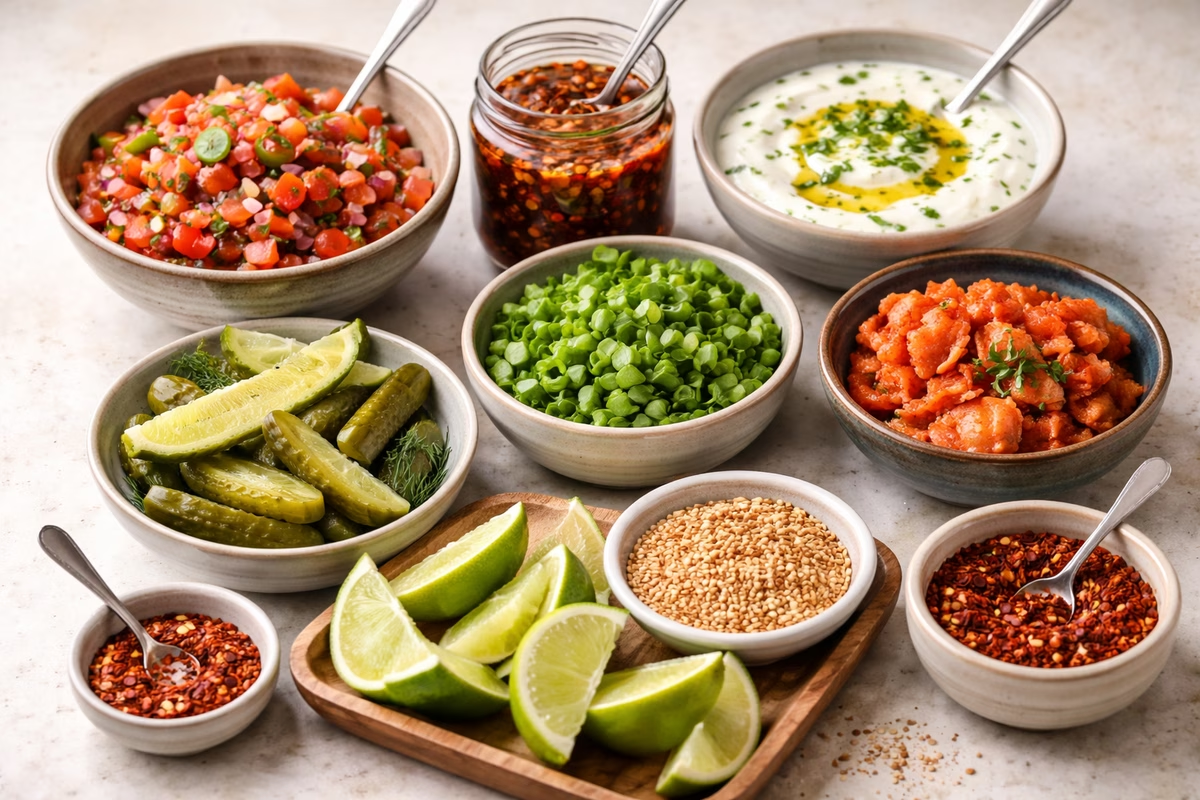
If Sauces and Toppings That Save Boy Kibble from Sadness is about the finish, this guide is about the foundation. A good finish still matters. Acid, crunch, creaminess, heat, and herbs are the things that make leftovers feel alive. But the bowl gets much better when the beef, turkey, tofu, beans, rice, or vegetables already taste intentional before anything cold or bottled goes on top.
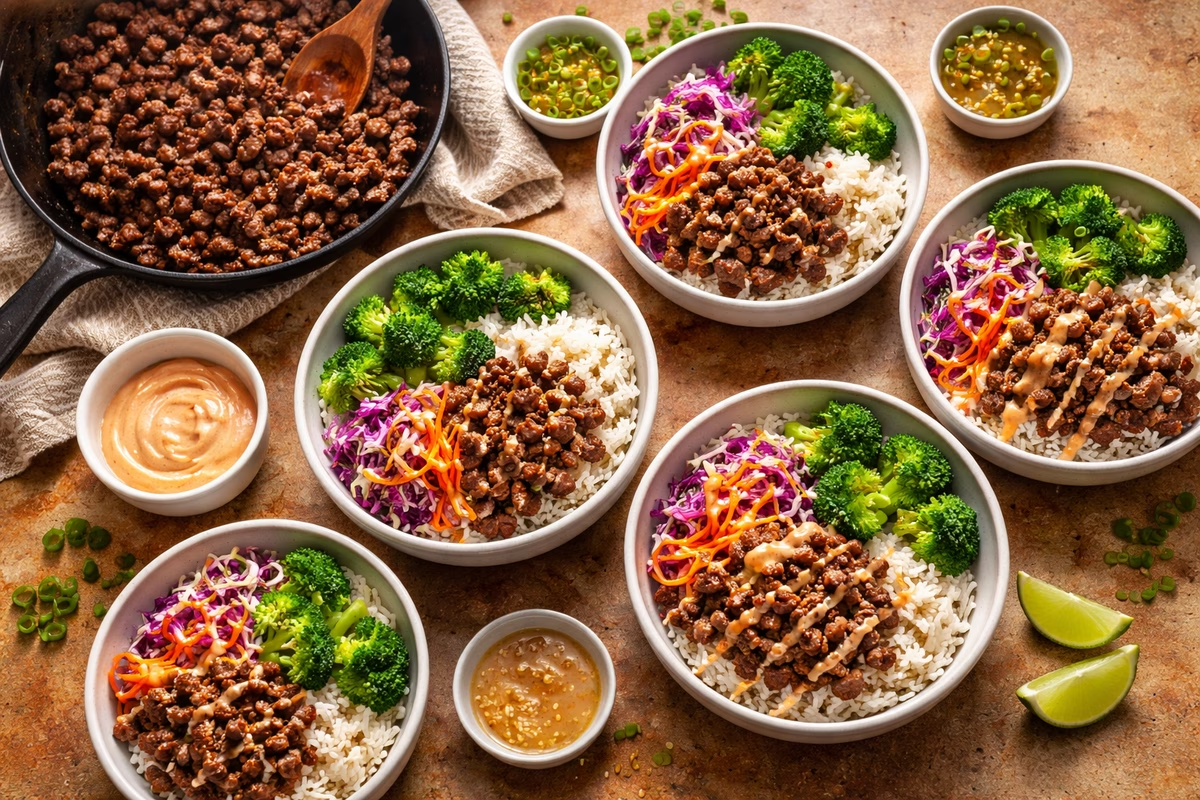
Seasoning Is Not the Same as Saucing
Saucing happens late. Seasoning starts while the food is cooking. That distinction is small, but it changes the whole meal.
When you season ground meat in the pan, the salt, spices, aromatics, and browned fat become part of the protein. When you only pour sauce over finished meat and rice, the strongest flavor often stays on the surface. The first bites may taste fine, but the middle of the bowl still feels plain. That is why a container of meal prep can somehow be both salty and bland. The sauce is loud, while the food underneath has no direction.
The fix is not complicated. Give the protein a basic identity while it cooks. Let vegetables pick up some of that seasoning instead of steaming separately into neutral softness. Taste the base before you pack it. Then use sauce as the final adjustment rather than the entire personality of dinner.
This is especially important if you are using the flexible approach from Choosing Protein for Boy Kibble . Beef, turkey, chicken, tofu, beans, and eggs all need slightly different help. A single bottle of sauce poured on top treats them as if they are the same. Seasoning them in the pan lets each one do its own job.
Salt Earlier Than You Think
Salt is the first seasoning problem because people either forget it until the end or try to make every sauce do the work. Ground meat needs enough salt while it cooks. So do tofu, beans, and vegetables. Rice can be salted when it cooks or adjusted later, but if the whole bowl depends on unsalted rice plus a salty drizzle, every bite becomes uneven.
For ground beef, turkey, or chicken, add salt once the meat is in the pan and beginning to break apart. You do not need a ceremony. You need contact. As the meat releases moisture and then starts to brown, the salt helps the protein taste seasoned instead of merely coated. If you are using a salty sauce later, such as soy sauce, teriyaki, hot sauce, or a prepared seasoning blend, use a lighter hand with plain salt at first and taste before adding more.
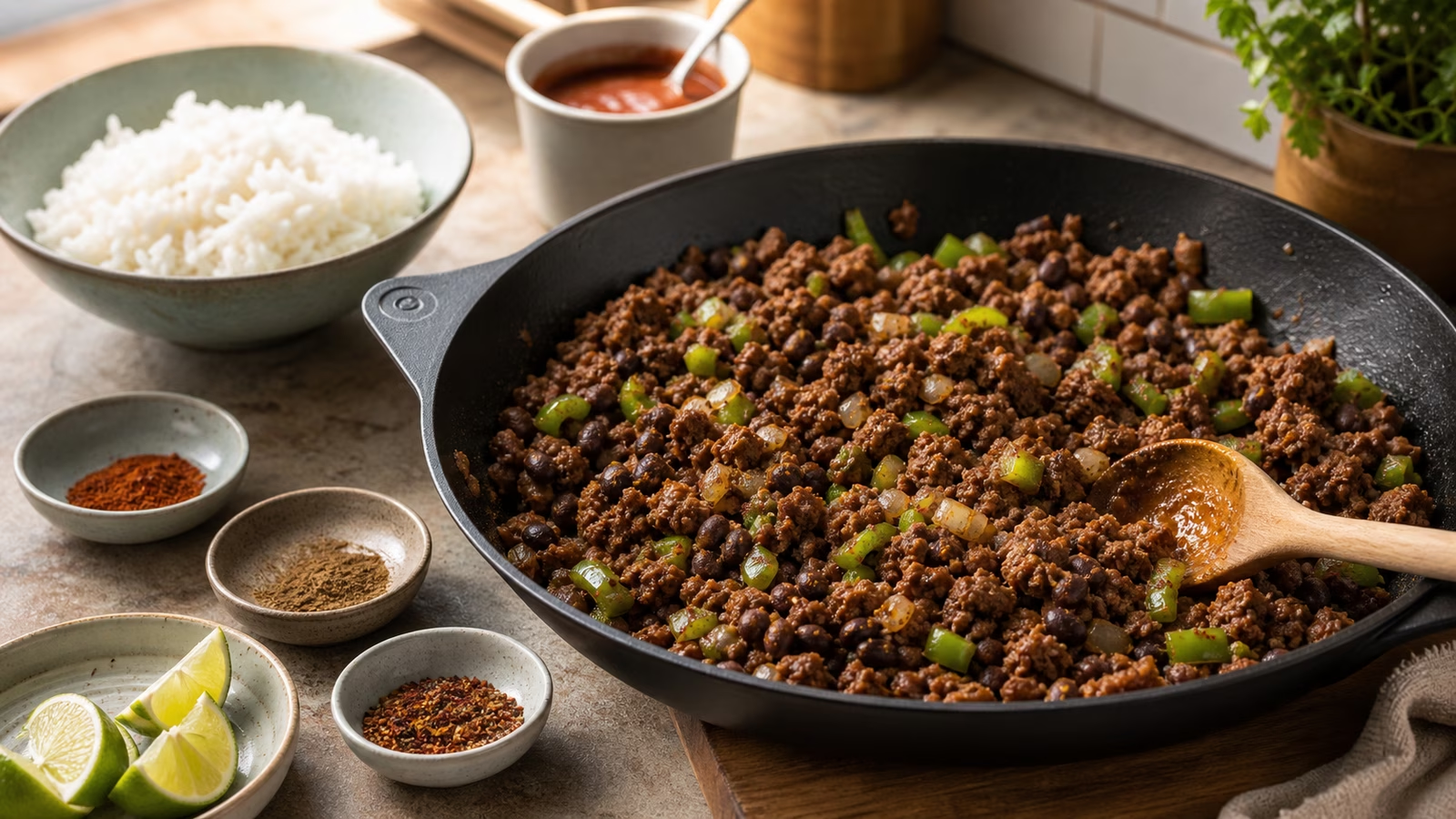
Beans need salt too, even when they come from a can. Rinsed beans are convenient, but they often taste flat until they spend a few minutes in a pan with salt, fat, spice, or sauce. If you are stretching meat with beans, season the beans as part of the main mixture, not as an afterthought. A beef and black bean bowl tastes more complete when both parts share the same seasoning lane.
The goal is not to make the bowl aggressively salty. The goal is to avoid the strange meal-prep situation where the top tastes intense and the center tastes like wet cardboard.
Browning Gives Seasoning Somewhere to Land
Seasoning works better when the food has a little browning. A pile of pale ground turkey can be seasoned heavily and still taste tired because the pan never had a chance to develop flavor. Browned edges change that. They give spices, sauces, and fats something richer to cling to.
For ground meat, the practical move is to let it sit for a moment before constantly stirring. Break it into pieces, spread it across the pan, and give some of those pieces time against the hot surface. If the pan is crowded and the meat is leaking water, the food is steaming. It will still cook, but it will not build the same flavor. Sometimes the best fix is patience. Let the moisture cook off before deciding the meat is done.
Tofu has the same issue in a different form. If it goes straight from package to sauce, it can taste soft and anonymous. Pressing it briefly, patting it dry, cutting it into small pieces, and browning it in a little oil makes the same sauce taste more deliberate. Beans can also benefit from a few minutes in a pan until some of the liquid cooks down and the texture thickens.
This is not restaurant technique for its own sake. It is the difference between a bowl that tastes cooked and one that tastes assembled from warmed parts.
Pick a Flavor Lane Before You Open the Fridge
Boy kibble gets confused when every seasoning in the cabinet tries to participate. The meal does not need complexity. It needs a lane.
A taco-ish lane might use salt, garlic powder, chili powder, cumin, salsa, and lime. A burger lane might use salt, pepper, onion powder, mustard, pickles, and a creamy sauce. A soy lane might use soy sauce, garlic, ginger, sesame oil, rice, broccoli, and green onion. A Mediterranean-ish lane might use salt, oregano, garlic, yogurt, cucumber, and lemon. A curry-ish lane might use curry powder or paste, rice, chickpeas, spinach, and a cooling finish.
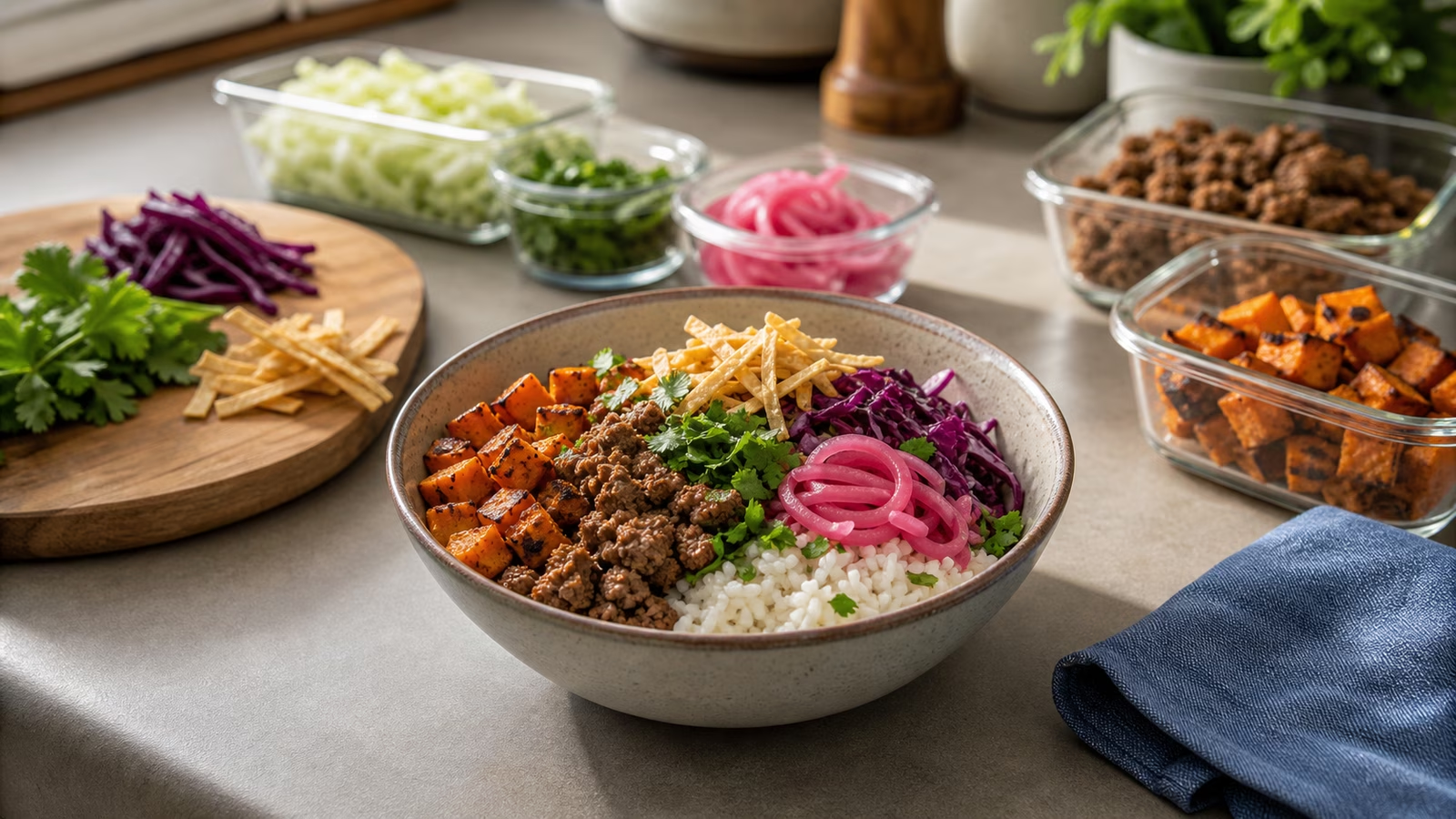
Those are not strict recipes. They are directions. The point is to keep the skillet from becoming miscellaneous. Once you choose a lane, it becomes easier to decide what belongs. If the protein is seasoned with chili powder and cumin, salsa makes sense. If it is seasoned with soy and ginger, pickles might still work, but lime, cucumber, green onion, or chili crisp will probably feel more natural. If the bowl is moving toward burger flavors, rice can still work, but potatoes or a tortilla may make the meal feel more coherent, which is where Boy Kibble Bases becomes useful.
The lane also helps with shopping. A person buying three random sauces and no dry seasoning is setting up future confusion. A person buying garlic powder, one warm spice blend, one bright sauce, and one creamy finish has a much better chance of making repeated bowls taste planned.
Season the Protein for Its Weakness
Beef usually needs focus more than richness. It brings fat and browned flavor naturally, so it does well with salt, pepper, garlic, chili powder, mustard, salsa, pickles, or soy sauce depending on the direction. The mistake with beef is often making it heavy without adding acid or crunch later.
Turkey and chicken need more help because they can taste lean and quiet. They respond well to salt, garlic powder, onion powder, soy sauce, taco seasoning, curry powder, tomato paste, or a little broth simmered down in the pan. If they taste dry, the answer may be a sauce, but it may also be that they were cooked too long or never given enough fat and seasoning while hot.
Tofu needs surface flavor and texture. Beans need salt, acid, and enough spice to stop tasting plain. Eggs need less seasoning than ground meat, but they can turn leftovers into a real meal when the base already has direction. A fried egg on an unseasoned bowl is a bandage. A fried egg on seasoned rice, beans, turkey, or vegetables feels like a decision.
This is why one all-purpose rule is useful: season the ingredient for what it lacks. If it lacks richness, add fat or a creamy finish. If it lacks brightness, add acid. If it lacks depth, brown it and use savory seasoning. If it lacks identity, choose a lane before adding anything else.
Let Rice and Vegetables Join the Conversation
Many boy kibble bowls fail because the protein gets all the attention and the rest of the bowl is treated like filler. Rice does not need to be dramatic, but it should not be ignored. If the rice was cooked plain, it can still pick up flavor from the skillet. Stirring rice into the seasoned protein for a minute gives it contact with fat, spices, and browned bits. That small move can make a leftover bowl taste more like fried rice, taco rice, or a skillet meal instead of meat dumped over starch.
Vegetables also need seasoning. Frozen broccoli, peas, peppers, corn, spinach, cabbage, and mixed vegetables are practical because they are easy, not because they are magic. If they go into the pan without salt, spice, acid, or fat, they will taste like the freezer. Cook off extra water, let them share the protein seasoning, and finish with something bright if they taste dull.
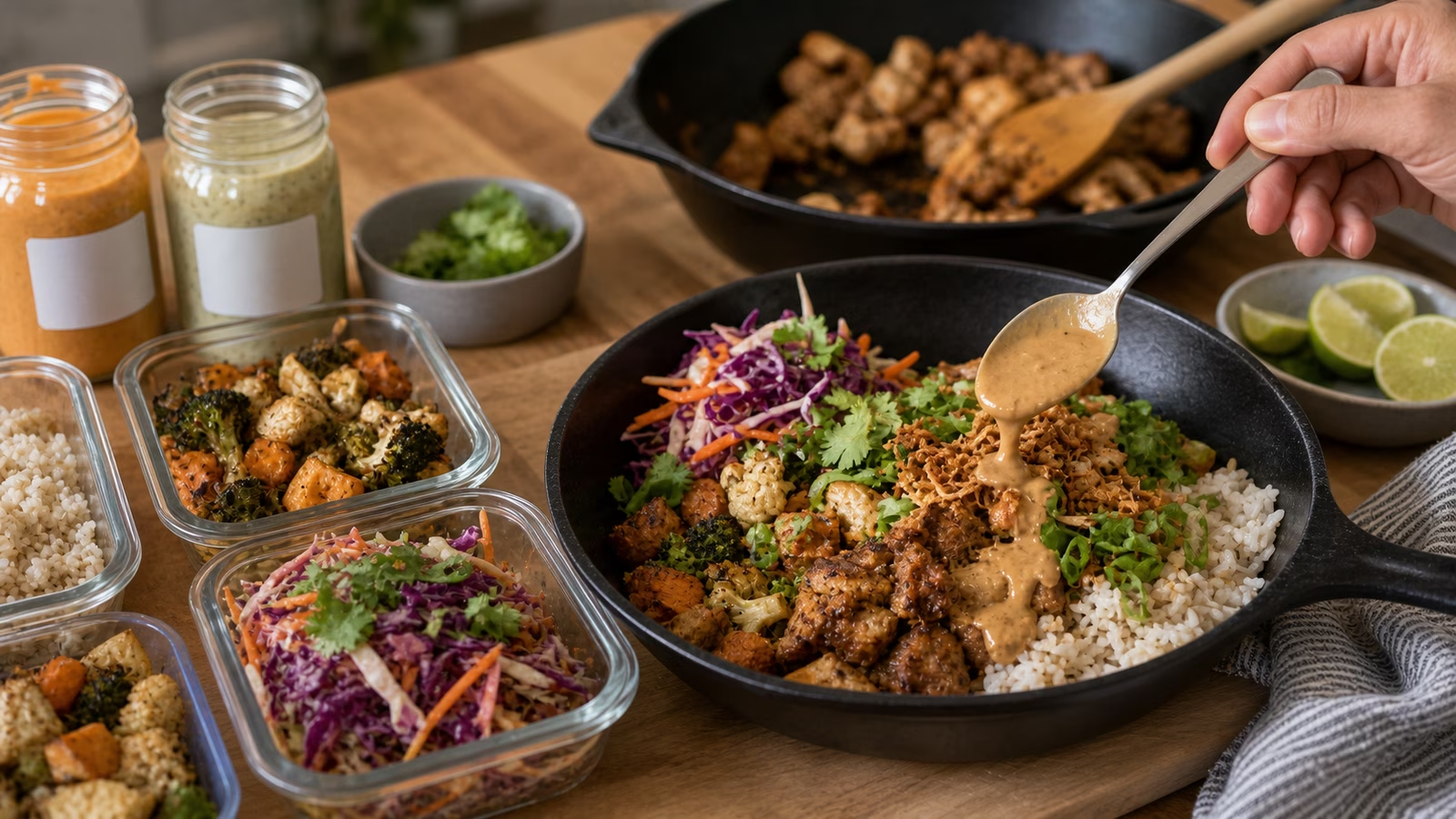
This matters even more in How to Meal Prep Boy Kibble Without Hating It by Wednesday style cooking. Leftovers lose aroma and texture as they sit. A well-seasoned base survives that better. A bland base asks every future lunch to be saved by desperation-level sauce.
Taste Before You Pack
The most useful habit is tasting the cooked base before it goes into containers. Not the finished bowl with every topping. The base. If the meat, rice, beans, or vegetables taste flat while hot, they will not become more interesting in the fridge.
Taste a spoonful and ask what is missing. If it is bland, it may need salt. If it is heavy, it may need acid later, so plan for salsa, lime, pickles, yogurt, or hot sauce. If it is dry, it may need a little moisture or a sauce kept separate. If it has no clear flavor direction, add a small amount of the seasoning lane you already chose and give it another minute in the pan.
This is also a good moment to avoid overcorrecting. Do not make the base so salty, spicy, or saucy that every future bowl is locked into one exact mood. Meal prep works best when the base has enough flavor to stand up, while the finish can still change. A turkey rice base with garlic, salt, pepper, and a little soy can become several meals. A turkey rice base drowned in one sweet sauce has fewer exits.
Keep the Pantry Version Simple
Seasoning is not only for fresh meat. It may matter even more for Pantry Boy Kibble , where the ingredients can be shelf-stable, canned, frozen, or already cooked. Pantry food often tastes flat because it was designed to wait. A short trip through a hot pan with oil, salt, garlic powder, chili powder, curry powder, soy sauce, tomato paste, or vinegar can make it taste like dinner again.
Canned beans heated with garlic, cumin, salsa, and a little oil are different from canned beans dumped on rice. Tuna with mayo, soy sauce, hot sauce, and cucumber if you have it is different from dry tuna over rice. Frozen vegetables cooked until their water evaporates are different from frozen vegetables warmed just enough to stop being icy.
The pantry version of boy kibble succeeds when it feels like a real meal made from durable ingredients, not like a punishment for failing to shop.
The Best Seasoning System Is Boring Enough to Repeat
You do not need a spice collection that looks like a cooking show. You need a few defaults that fit the bowls you actually make. Salt, black pepper, garlic powder, onion powder, chili powder or taco seasoning, soy sauce, hot sauce, and one herb or warm spice you genuinely use will take most bowls a long way. Add curry powder, smoked paprika, ginger, cumin, oregano, or sesame oil only if they match your normal food.
The point is not to perform expertise. The point is to make the easy meal taste cared for. Boy kibble works because it lowers the barrier to cooking. Seasoning should support that, not turn the bowl into a project.
When the protein is seasoned, the base has direction, the vegetables are not forgotten, and the sauce finishes rather than rescues, the whole system feels sturdier. The bowl can still be cheap. It can still be fast. It can still be meal prep. It just stops tasting like the first draft of dinner.