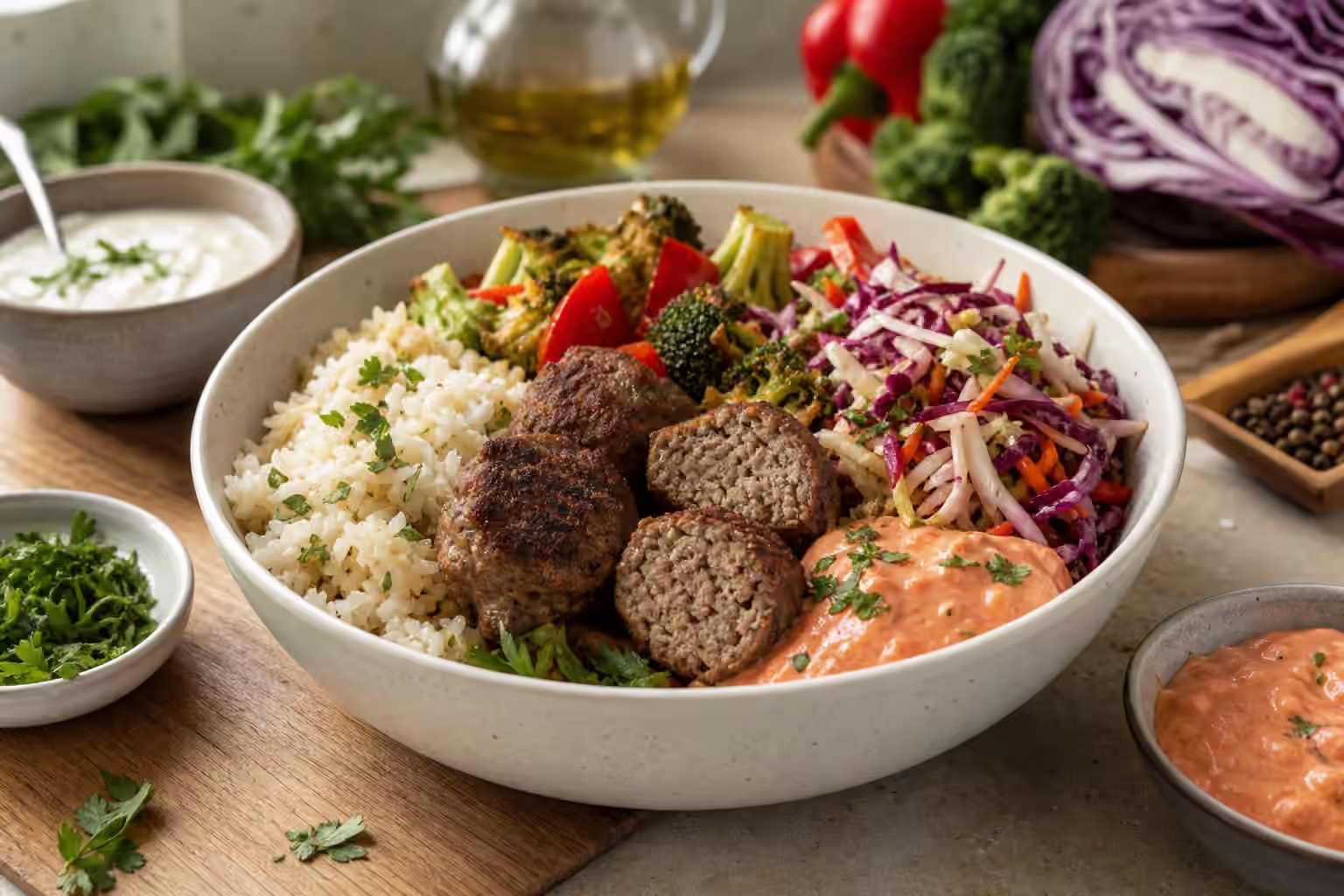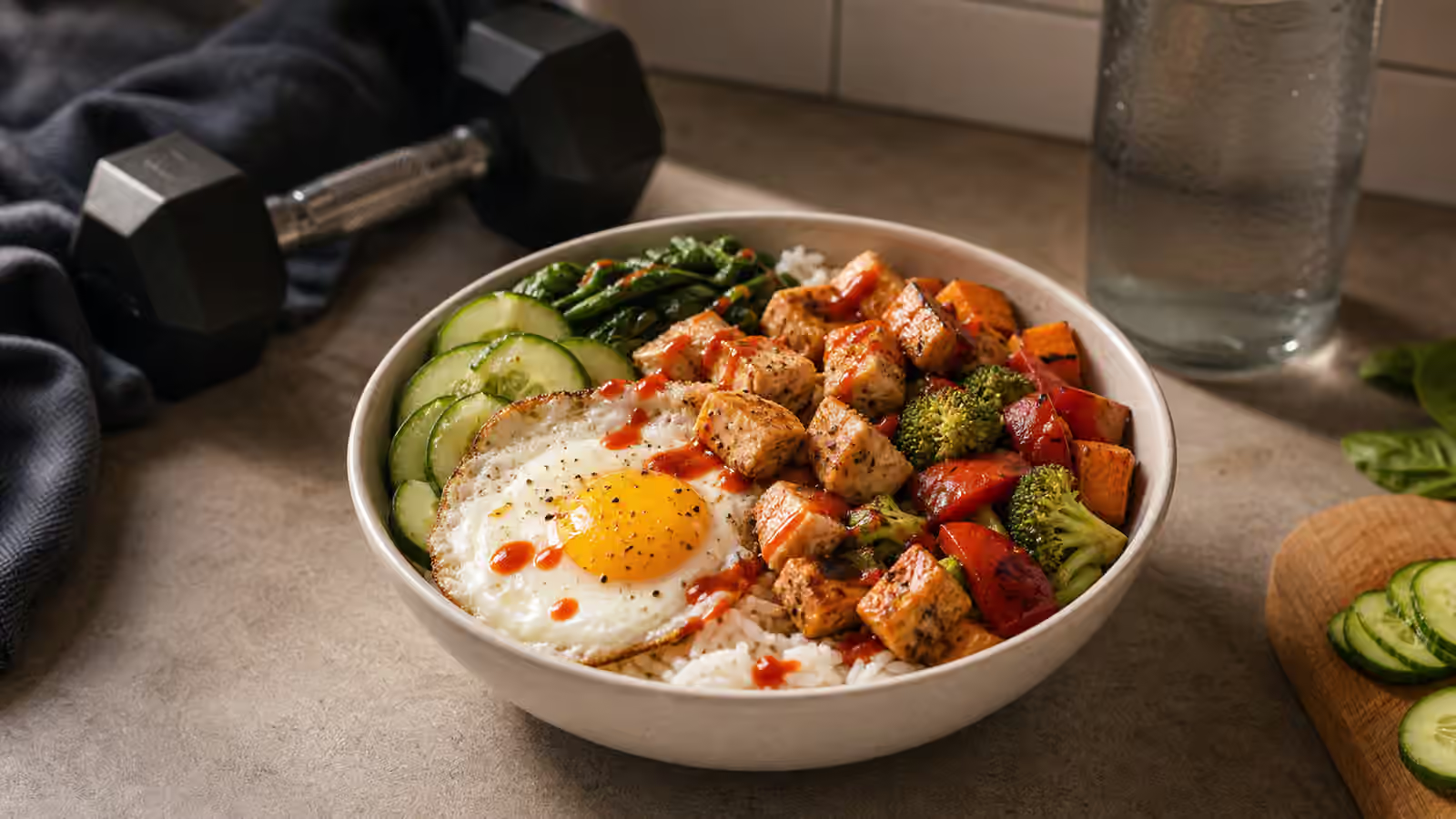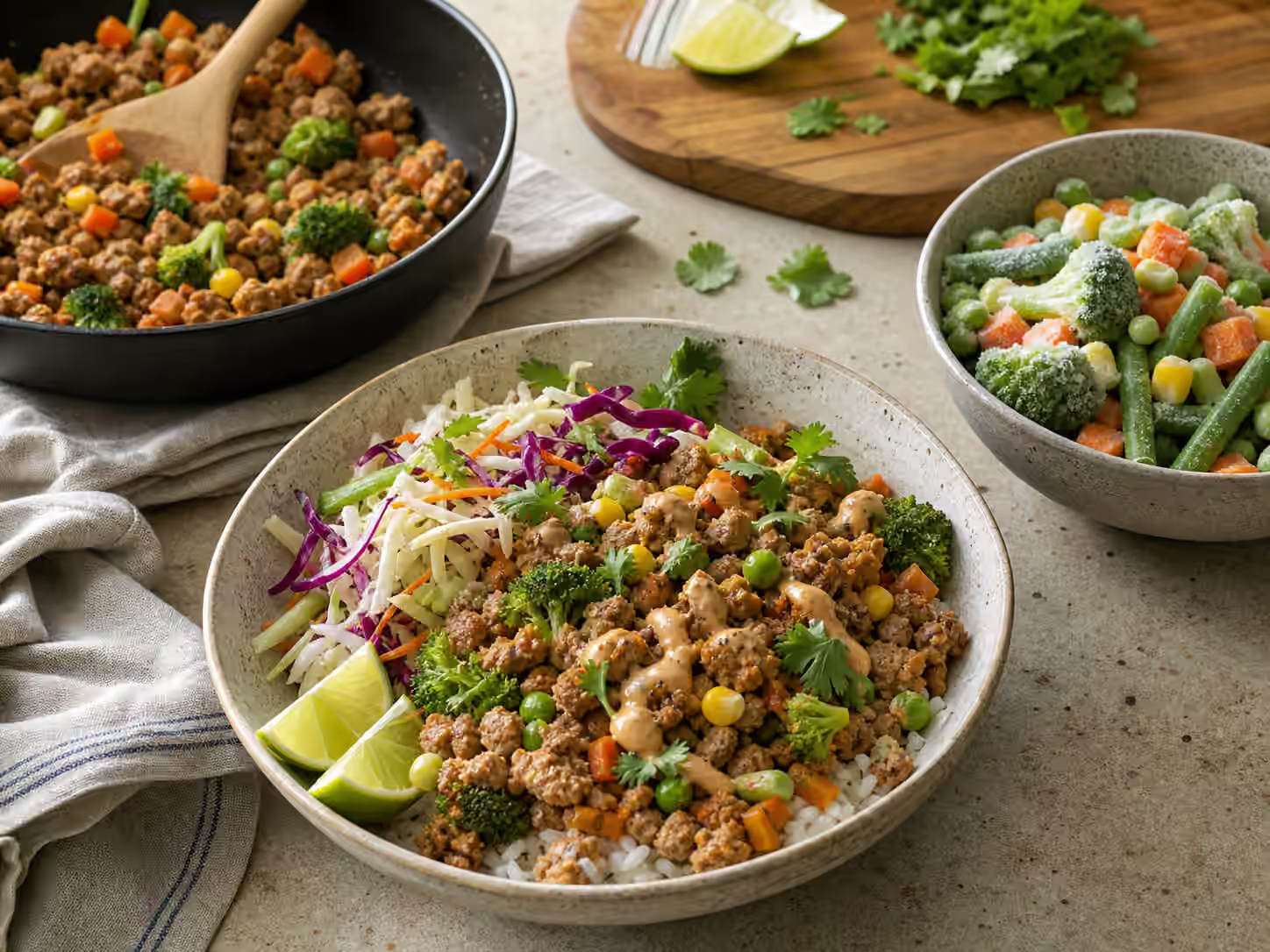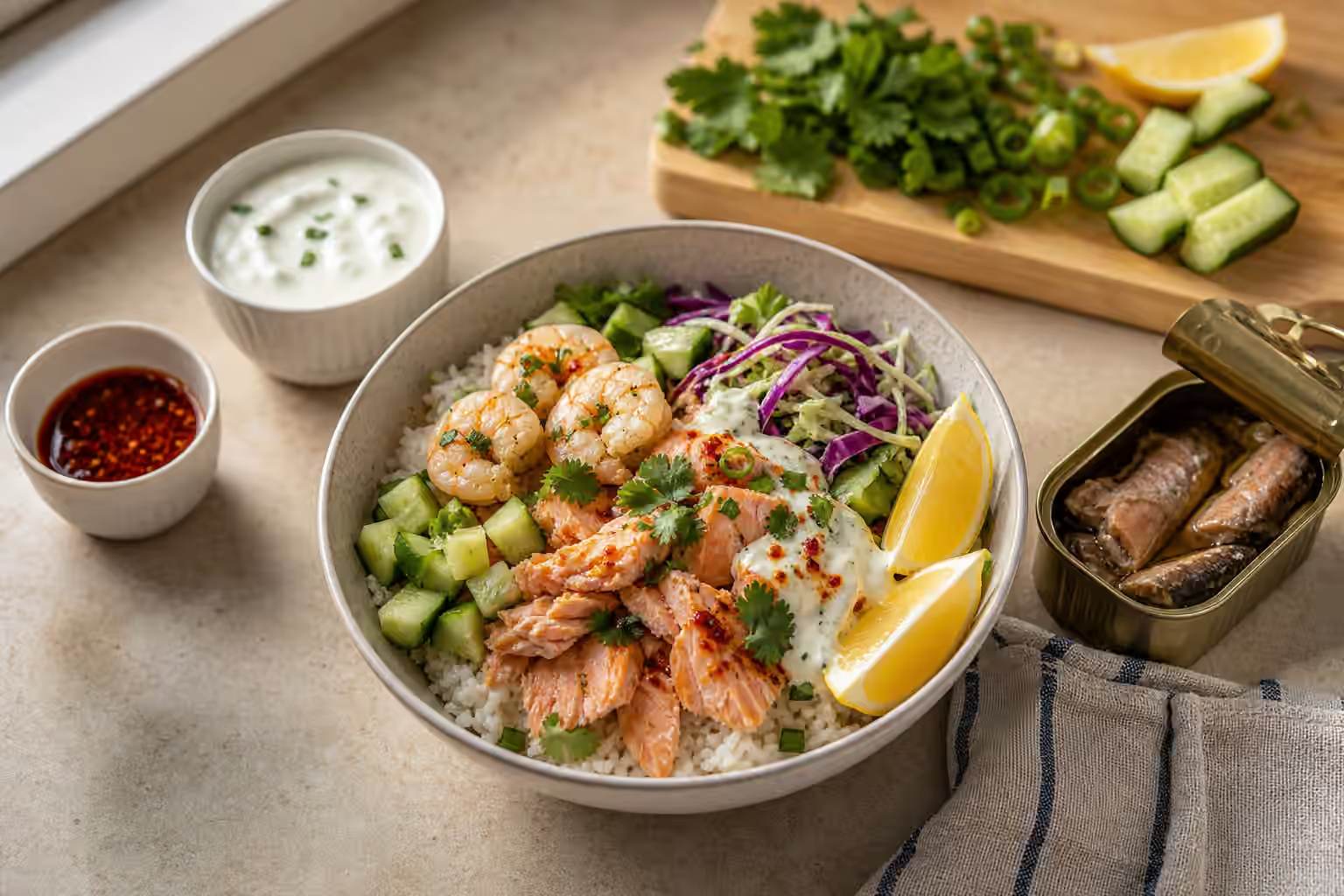
Seafood is the missing lane in a lot of boy kibble rotations. Ground beef, turkey, chicken, beans, tofu, and eggs get most of the attention because they are familiar and easy to batch. Fish and shrimp often get skipped because they seem fragile, expensive, smelly, or too close to real cooking. That is a loss, because the right seafood can make the same rice bowl feel lighter, sharper, and less repetitive without turning dinner into a project.
The useful version is not a delicate restaurant fish plate. It is canned tuna with rice, cucumber, cabbage, and yogurt sauce. It is frozen shrimp warmed quickly and finished with chili crisp, lime, and herbs. It is leftover salmon over rice with slaw and pickles instead of another dry reheated fillet. It is sardines or mackerel treated as a strong-flavored topping rather than a whole personality test. Seafood boy kibble works when the bowl respects seafood’s strengths: fast cooking, clean protein, bold sauce, acid, cold crunch, and short storage windows.
This guide builds on the protein logic in Choosing Protein for Boy Kibble , but seafood deserves its own treatment because it behaves differently from ground meat. It can go from good to dry quickly. It can make a shared microwave unpopular. It does not always want heavy reheating. It usually tastes better with acid and fresh vegetables than with another blanket of thick sauce. Once those rules are clear, seafood becomes one of the easiest ways to keep a simple bowl from feeling like the same meal forever.
Use Seafood for Speed and Contrast
Seafood is valuable because it changes the texture and mood of the bowl. A week built around browned meat and rice can start to feel dense, even when the meals are good. Fish and shrimp bring a different bite. They work with cucumbers, cabbage, herbs, lemon, pickles, yogurt sauce, hot sauce, chili crisp, rice vinegar, mustard, soy sauce, and simple vinaigrettes. Those ingredients pull the bowl away from heavy comfort food and toward something brighter.
That does not mean the bowl has to become fancy. A practical seafood bowl still follows the same base, protein, plant, sauce, and finish structure from Boy Kibble Quickstart . The base can be rice, potatoes, noodles, tortillas, greens, or a mix of beans and grains. The plant can be frozen vegetables, slaw, cucumber, lettuce, pickles, edamame, corn, or herbs. The sauce can be creamy, spicy, salty, or sharp. The difference is that seafood usually asks for a lighter hand. It wants support, not burial.
The easiest cue is temperature contrast. Warm rice with cool cucumber and tuna works. Hot shrimp with cold slaw works. Flaked salmon with pickles and yogurt sauce works. A bowl that is hot, soft, and creamy all the way through can make seafood taste tired. A bowl with one crisp vegetable and one bright finish feels intentional.
Canned Fish Is a Shortcut, Not a Compromise
Canned tuna, salmon, sardines, mackerel, and other tinned fish are not emergency food by default. They are cooked proteins waiting for structure. The problem is that people often dump them over rice with nothing sharp, crunchy, or creamy enough to make the bowl feel finished. Then the fish gets blamed for being dull or strong when the real issue is assembly.
Tuna is the mildest entry point. It works with rice, cucumber, cabbage, corn, pickles, hot sauce, yogurt sauce, mayo, mustard, lemon, soy sauce, sesame, or chili crisp. If the bowl is cold or room temperature, tuna can be treated almost like a salad protein. If the rice is hot, keep the tuna mostly separate until the end so it warms gently instead of drying out. A bowl of hot rice, tuna, cucumber, cabbage, pickles, and a mustard-yogurt sauce is simple, but it has enough contrast to feel like lunch rather than pantry surrender.
Canned salmon has more character and can feel richer. It works well with potatoes, rice, greens, slaw, lemon, dill if you have it, yogurt sauce, hot sauce, or pickled onions. It can also take a soy-lime direction with cucumber and sesame. Sardines and mackerel are stronger, so they do better when used deliberately: a smaller amount over rice with lemon, herbs, pickles, cabbage, and a sauce that can stand up to them. The goal is not to hide the fish. The goal is to give it enough acid and crunch that its strength makes sense.
This is where Sauces and Toppings That Save Boy Kibble from Sadness matters. Canned fish rarely needs a complicated recipe. It needs a finishing system. Something creamy controls salt and sharpness. Something acidic wakes it up. Something crisp keeps the bite from becoming soft. Those moves do more than another spice blend.
Frozen Shrimp Is Fast but Unforgiving
Frozen shrimp is one of the fastest seafood options for boy kibble, but it does not reward neglect. It cooks quickly, reheats poorly when overdone, and can become rubbery if treated like a slow-cooking protein. That makes it better for fresh assembly than for giant batch prep.
The best use is a quick bowl where the base is already handled. Start rice in a cooker, use microwave rice, or use leftover rice warmed with a little moisture. Thaw shrimp if your timing allows, pat it dry enough that it does not flood the pan, then cook it briefly with salt, garlic, chili flakes, soy sauce, taco-ish seasoning, curry powder, or whatever direction the bowl is taking. Stop when it is cooked through and still tender. Let sauce finish the bowl rather than simmering the shrimp until it toughens.
Shrimp likes the same fresh finishes that make other boy kibble bowls better. Cucumber, cabbage, herbs, lime, lemon, pickles, slaw, corn, edamame, and crunchy toppings all help. A shrimp bowl with rice, slaw, cucumber, chili crisp, and lime can be ready faster than a delivery order. A shrimp taco bowl with rice, cabbage, corn, salsa, and yogurt sauce uses the same grocery habits as other bowls, just with a different protein.
For lunches, shrimp is more delicate. If you know the bowl will be reheated in a shared microwave, a different protein may be kinder to both texture and the room. If you pack shrimp, consider building the lunch as a cold or lightly warmed bowl with strong sauce and crisp vegetables. The guidance in Packable Boy Kibble applies especially hard here: protect the finish, keep sauce under control, and do not make lunch depend on a perfect reheating setup.
Salmon and Mild Fish Need a Recovery Plan
Fresh or frozen salmon, cod, tilapia, trout, and similar fish can fit boy kibble, but they are less forgiving than ground meat. They cook in pieces, not crumbles. They can overcook quickly. They are often better as a fresh dinner or a next-day cold bowl than as a four-day meal-prep anchor.
Salmon is the most bowl-friendly because it has enough richness to stay satisfying. A small fillet can be cooked in a pan, oven, or air fryer, then flaked over rice with slaw, cucumbers, lemon, and sauce. If there are leftovers, do not automatically blast them until steaming hot. Flaked cold salmon over warm rice can be better than dry reheated salmon. If you do warm it, use gentle heat and moisture, then add the fresh finish afterward.
Milder white fish needs more support because it is lean and quiet. It can work with potatoes, rice, beans, salsa, cabbage, yogurt sauce, lemon, herbs, or curry-ish sauce, but it should not be asked to carry a bowl by itself. Give it a bold sauce and a vegetable with personality. If the fish is cooked plainly, the rest of the bowl has to provide the direction.
The texture lesson from Better Boy Kibble Texture matters here. Fish can be tender, but tender plus rice plus soft vegetables plus sauce becomes one-note. Add cabbage, cucumber, pickles, herbs, toasted seeds, crushed chips, or a crisp side element so the fish has contrast.
Do Not Meal Prep Seafood Like Ground Turkey
Seafood can support meal prep, but it should not be handled like a big batch of turkey or lentils. The best seafood prep is often partial prep. Cook the rice. Wash or cut the crunchy vegetables. Make the sauce. Keep canned fish unopened until the meal. Keep frozen shrimp ready to cook quickly. Cook salmon for dinner and plan one leftover bowl, not a whole week of reheated fish containers.
That approach keeps the meal practical without asking seafood to survive conditions it does not enjoy. Rice, beans, slaw, cucumbers, sauce, and pickles can wait. Seafood should usually enter closer to eating. This is not preciousness. It is the same component logic behind How to Meal Prep Boy Kibble Without Hating It by Wednesday : sturdy parts can be made ahead, fragile parts should be protected, and finished bowls are not always the smartest storage format.
Food safety still matters in the ordinary, unglamorous way. Keep seafood cold before eating, store leftovers promptly, and do not treat fish as a long-term mystery container. If it smells wrong, looks wrong, or has been stored badly, it is not a clever rescue ingredient. A shelf-stable can and a fresh bowl are better than gambling on questionable leftovers.
Build the Bowl Around Brightness
The best seafood boy kibble bowls usually have a bright center. Lemon, lime, vinegar, pickles, yogurt, mustard, hot sauce, salsa, herbs, cucumber, cabbage, and green onion all make seafood taste cleaner and more deliberate. Heavy sauces can still work, but they need balance. A creamy sauce should have acid. A spicy sauce should have freshness. A salty fish should have rice, vegetable, or dairy to soften it.
Vegetables are doing real work here, not just making the bowl look responsible. Vegetables for Boy Kibble is useful because seafood bowls depend on vegetables that bring water, crunch, and lift. Cucumber cools chili oil. Cabbage holds up under sauce. Pickles cut richness. Herbs make canned fish taste less flat. Corn and edamame can make a shrimp bowl feel fuller without making it heavy.
Once you understand that, seafood stops feeling like a special category. It becomes another reliable lane. Use canned fish when the stove is too much. Use shrimp when you want a fast fresh bowl. Use salmon when dinner needs to feel a little more complete without changing the whole system. Keep the base simple, make the sauce bright, add something crisp at the end, and avoid reheating seafood into regret. The bowl can still be boy kibble. It just does not have to taste like the same one you ate yesterday.