Pork and sausage fit boy kibble because they bring flavor fast. A small amount of browned sausage can make rice, potatoes, beans, cabbage, or eggs taste like dinner before any complicated sauce gets involved. Ground pork can move in several directions without the heaviness of an all-beef week. Leftover pork can become a bowl, wrap, fried rice, or potato skillet with very little persuasion.
The risk is that pork and sausage can take over. They are often richer, saltier, and more strongly seasoned than the proteins people use as everyday defaults. That can be useful on a tired night, but it can also turn every bowl into the same dense, salty meal. The skill is not making sausage louder. It is making it useful inside the same protein, starch, plant, sauce, and finish formula from Boy Kibble Quickstart .
Treat Sausage Like Seasoning With Protein
Sausage is not just ground meat. It usually arrives with salt, fat, spices, and sometimes sweetness already built in. That is why it tastes good quickly, and also why it can overwhelm a bowl if it is used like plain turkey or chicken. A full bowl of sausage over rice may be satisfying once. By the third container, it can feel blunt.
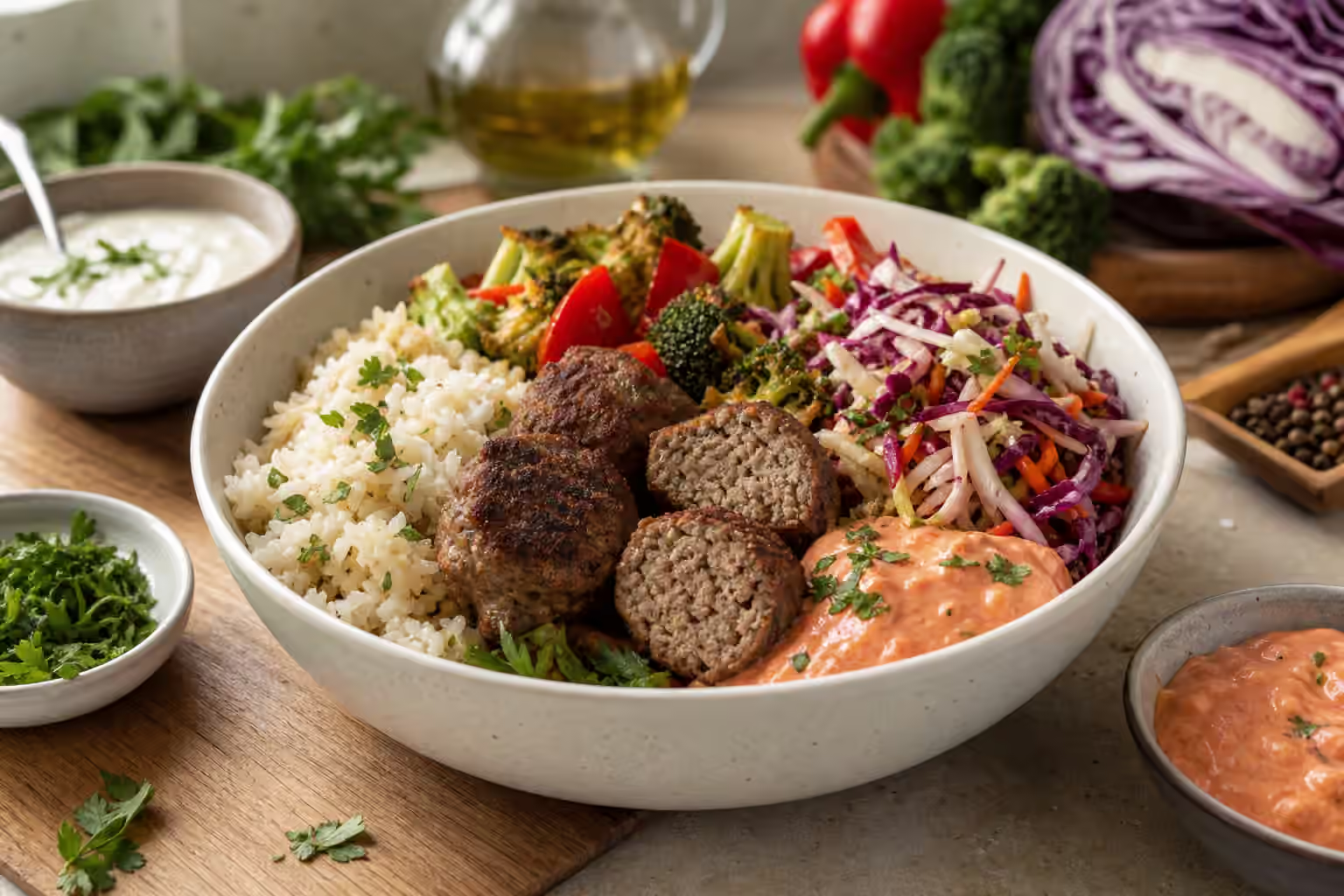
The better approach is to let sausage act like a flavored anchor. Brown it well, then use it to season the surrounding rice, potatoes, beans, cabbage, peppers, onions, or greens. The bowl still gets the sausage flavor, but every bite is not only sausage. This is especially helpful for meal prep because strong meat becomes tiring faster than people expect. A smaller amount spread through a thoughtful bowl often eats better than a large pile with no contrast.
This is the same logic behind Beans and Lentils for Boy Kibble . Beans can stretch meat without making the meal feel cheap. With sausage, they do something even more useful: they absorb seasoning and calm down the richness. Pinto beans with browned sausage and cabbage, chickpeas with sausage and greens, or lentils with pork and a sharp sauce can feel generous without becoming heavy.
Browning Matters More Than Extra Spice
Pork rewards browning. Ground pork, loose sausage, sausage patties broken after cooking, pork strips, and leftover roast pork all taste better when the surface gets real heat. If the meat only steams in a crowded pan, the bowl may still taste seasoned, but it will miss the cooked depth that makes pork useful in the first place.
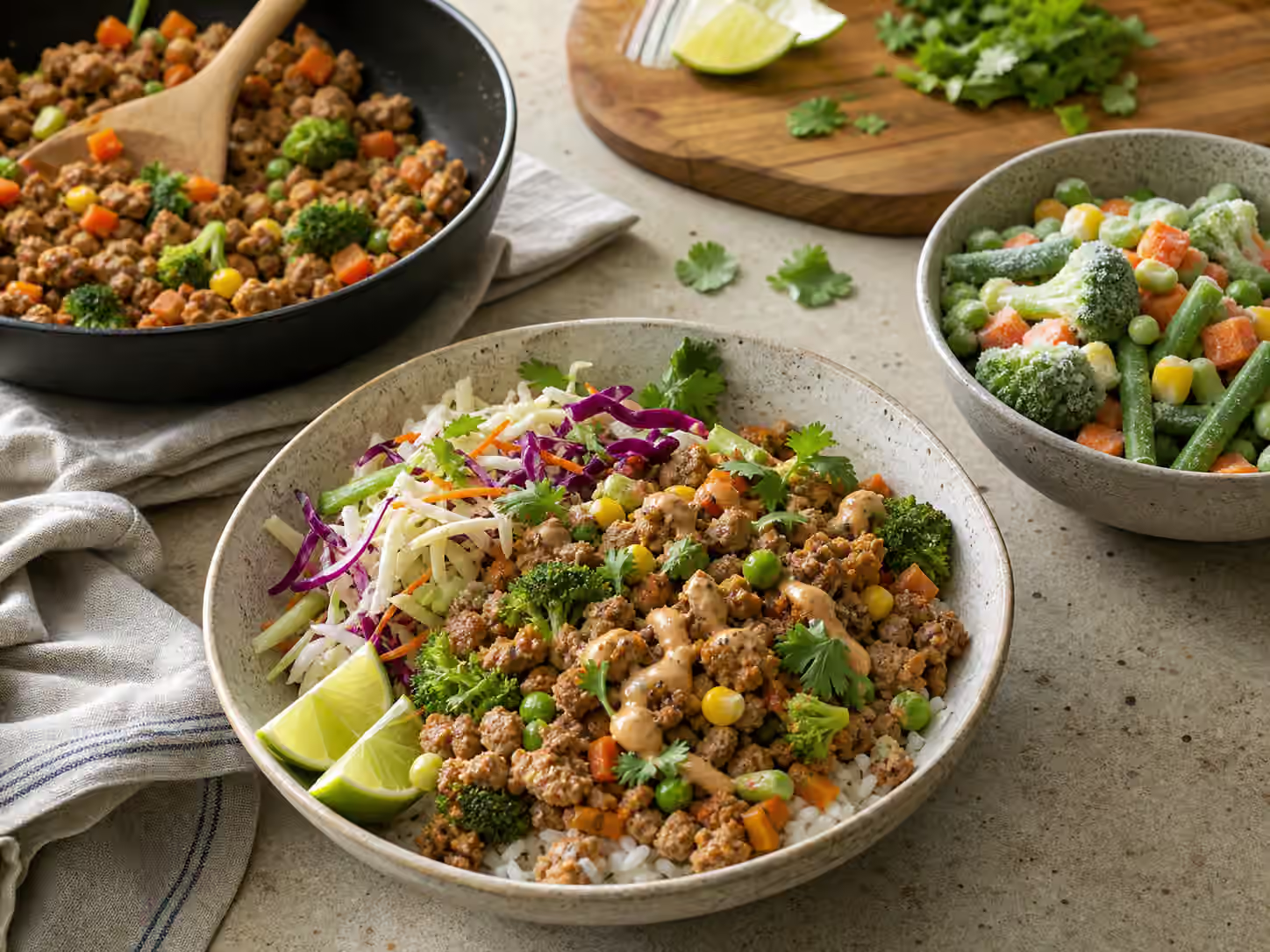
Start with the pan hot enough that the meat sizzles. Let it sit briefly before breaking it into tiny pieces. If the pan fills with liquid, wait for that moisture to cook off before adding vegetables or sauce. The browned bits left in the pan are valuable. Rice, potatoes, cabbage, peppers, or beans can pick them up and turn the whole bowl into one cooked meal instead of meat dropped onto a base.
Extra spice should come after you know what the pork already brings. Some sausage needs only vegetables and acid. Some ground pork needs salt, garlic, chili powder, soy sauce, ginger, fennel, pepper, or a little tomato paste, depending on the direction of the bowl. Taste before adding salty bottled sauce. Many disappointing sausage bowls are not bland. They are overloaded.
For the broader flavor habit, How to Season Boy Kibble Before the Sauce Goes On is the right companion. Pork is not exempt from seasoning discipline just because it tastes strong. It still needs a lane.
Choose a Base That Can Carry Richness
Rice is the easiest base for pork because it gives fat, salt, and sauce somewhere to land. Plain white rice, jasmine rice, brown rice, or leftover rice can all work. The rice should not be treated as filler, though. If the pork is rich, the rice needs vegetables, acid, or a fresh finish nearby so the bowl does not become soft and heavy.
Potatoes are another strong match. Roasted potatoes with sausage, cabbage, pickles, and a creamy mustard-style sauce make a bowl that feels more like dinner than a plain meat-and-rice container. The catch is that potatoes plus pork can become dense quickly. Use slaw, greens, cucumber, pickles, sauerkraut, peppers, or herbs to break up the weight. Potato Boy Kibble is useful here because it already treats potatoes as a base that needs contrast, not as permanent fries.
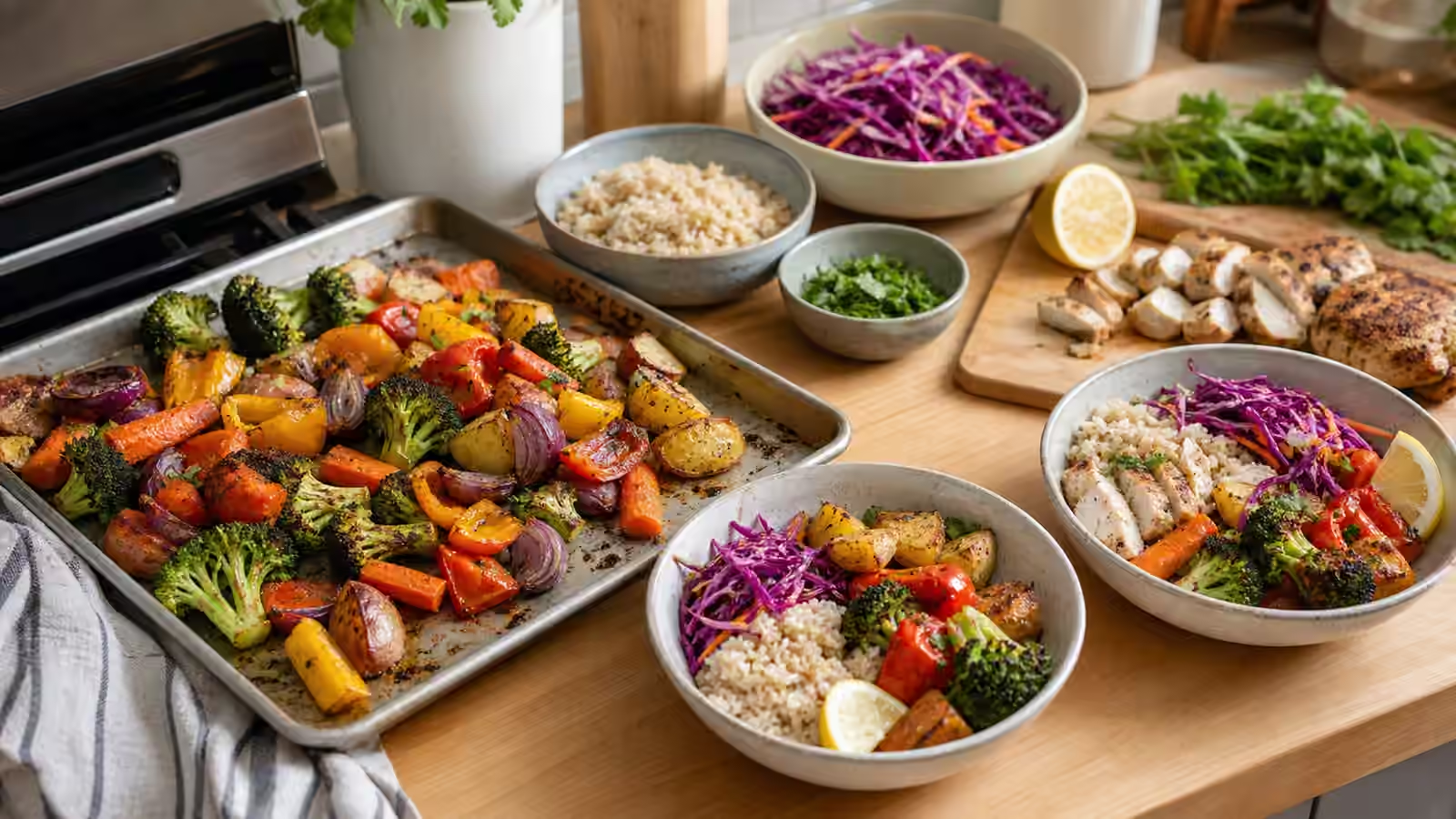
Beans and lentils make pork stretch further. Tortillas turn it into wraps or quesadillas. Noodles can work when the sauce is lighter and the vegetable side is crisp. Greens can be a partial base if the pork is flavorful enough and there is still some starch nearby. The base should answer the week you are having. A cold lunch may want rice and slaw. A colder night may want potatoes. A budget week may want beans. A leftover stretch may want tortillas.
That is the core lesson from Boy Kibble Bases : the base changes the whole meal. With pork and sausage, it also decides whether the richness feels satisfying or excessive.
Vegetables Need to Push Back
Pork bowls need vegetables with enough personality to stand up. Cabbage, slaw, peppers, onions, broccoli, greens, corn, pickles, cucumbers, sauerkraut, green beans, and roasted carrots can all work, but they do different jobs. Peppers and onions cook into the pork and make it taste fuller. Cabbage can be cooked into the pan or added cold for crunch. Broccoli gives the bowl a sturdy vegetable that can handle sauce. Pickles and cucumbers bring the sharp, cool bite that rich meat often needs.
This is not about hiding vegetables in a heavy bowl. It is about making the bowl eat better. A sausage bowl with rice and no plant can feel like a shortcut that ends abruptly. A sausage bowl with rice, cabbage, cucumber, pickles, and a creamy sauce has contrast. The vegetables do not make the meal fancy. They make it repeatable.
The same vegetable should not do every job. Cooked peppers are not crunch. Raw cucumber is not a hearty cooked vegetable. Slaw is not the same as broccoli. The guide to Vegetables for Boy Kibble is useful because it asks what the bowl is missing before choosing the plant. Pork usually needs either freshness, acid, or bulk. Often it needs all three, but not from the same ingredient.
Sauce Should Balance, Not Compete
Because sausage often arrives seasoned, sauce should be chosen with restraint. A creamy mustard sauce, yogurt with lemon, salsa, hot sauce, vinegar, pickles, chili crisp, soy-lime dressing, or a simple spoon of sour cream can all fit, but the sauce should solve a problem. If the pork is salty, use acid and freshness. If the pork is lean, use creaminess or a little oil. If the pork is sweet, use heat or vinegar. If the pork is smoky, use something bright instead of adding more smoke.
Avoid turning the bowl into a condiment pile. Pork already carries a strong signal. Too many toppings can make it taste busy without making it better. One acid, one fresh crunch, and one sauce with a clear purpose are usually enough. That is also why Sauces and Toppings That Save Boy Kibble from Sadness matters more than a new recipe. It teaches the finish as a correction, not decoration.
Mustard-style flavors are especially useful with pork because they bring sharpness without requiring much work. Yogurt can cool heat and lighten the bowl. Pickles can cut fat. Hot sauce can wake up a plain rice base. Lime or vinegar can keep sweet sausage from becoming cloying. The finish should make the next bite easier to want.
Leftovers Need a Lighter Second Life
Pork and sausage leftovers can be excellent, but they usually need a lighter second life. A rich sausage bowl that was perfect at dinner may not feel perfect at lunch after the fat has firmed and the sauce has soaked into the rice. Reheat the sturdy part, then add something cold or sharp afterward. Slaw, cucumber, pickles, herbs, salsa, yogurt sauce, or a squeeze of lemon can make the container feel like a meal again.
Fried rice is another good exit. A small amount of sausage can season a full pan of cold rice with egg, peas, cabbage, and scallions. The sausage becomes part of the rice instead of sitting on top as a heavy repeat. That path is close to Fried Rice Boy Kibble because cold rice and strong leftovers are natural partners.
Tortillas are useful too. Pork, beans, slaw, and sauce can become a wrap. Pork and potatoes can become a folded skillet meal. Pork with rice and cheese can become a quesadilla if the filling is not too wet. The trick is moisture control, which is why Tortilla Boy Kibble fits the same rotation.
Normal food safety still applies. Cook raw pork and sausage properly, store leftovers promptly, and reheat stored food until it is hot all the way through. The point of this guide is better meal logic, not shortcuts around basic care.
Pork Works Best When It Is Not Asked to Do Everything
The best pork and sausage boy kibble has confidence without heaviness. The meat brings browned flavor. The base carries it. The vegetable pushes back. The sauce corrects the richness. The fresh finish makes leftovers possible. When those jobs are divided, pork can be a useful part of the rotation instead of a once-a-week indulgence that makes every container taste the same.
That is the reason this protein lane deserves its own guide. Beef, turkey, chicken, tofu, beans, seafood, and rotisserie chicken all behave differently. Pork and sausage have their own strengths: fast flavor, strong browning, good compatibility with rice and potatoes, and enough intensity to stretch through a batch. They also have their own weakness: they can dominate the bowl if nobody else gets a job.
Use pork for what it does well. Brown it properly. Let beans, rice, potatoes, or cabbage catch the flavor. Finish with acid and crunch. Save the heavy sauce for when it solves a real problem. Then the bowl stays simple, but it stops being one-note.