Salad kits can make boy kibble easier when they are used as ingredients instead of treated as a complete meal. A bag of chopped romaine, cabbage, carrots, seeds, crunch, and dressing can bring freshness to rice, protein, beans, and leftovers with almost no knife work. It can also turn soggy, sweet, or strangely busy if the whole kit is dumped into a hot bowl without judgment.
The useful move is to split the kit into jobs. Greens and cabbage provide volume and crunch. Dressing provides sauce or part of a sauce. Crunch packets provide texture. Cheese, dried fruit, or sweet toppings may fit some bowls and not others. Cabbage and Slaw Boy Kibble covers the durable vegetable side. This guide focuses on the packaged shortcut and how to make it serve a hot or cold bowl.
Use the Kit as a Fresh Finish, Not the Whole Plan
Boy kibble still needs a sturdy base. Rice, potatoes, noodles, beans, tortillas, or grains carry the meal. Protein makes it filling. The salad kit makes it fresher, faster, and less repetitive. When the kit becomes the whole plan, the bowl can feel like a salad with hot leftovers hiding underneath. When it is used as a finish, it gives the bowl contrast without taking over.
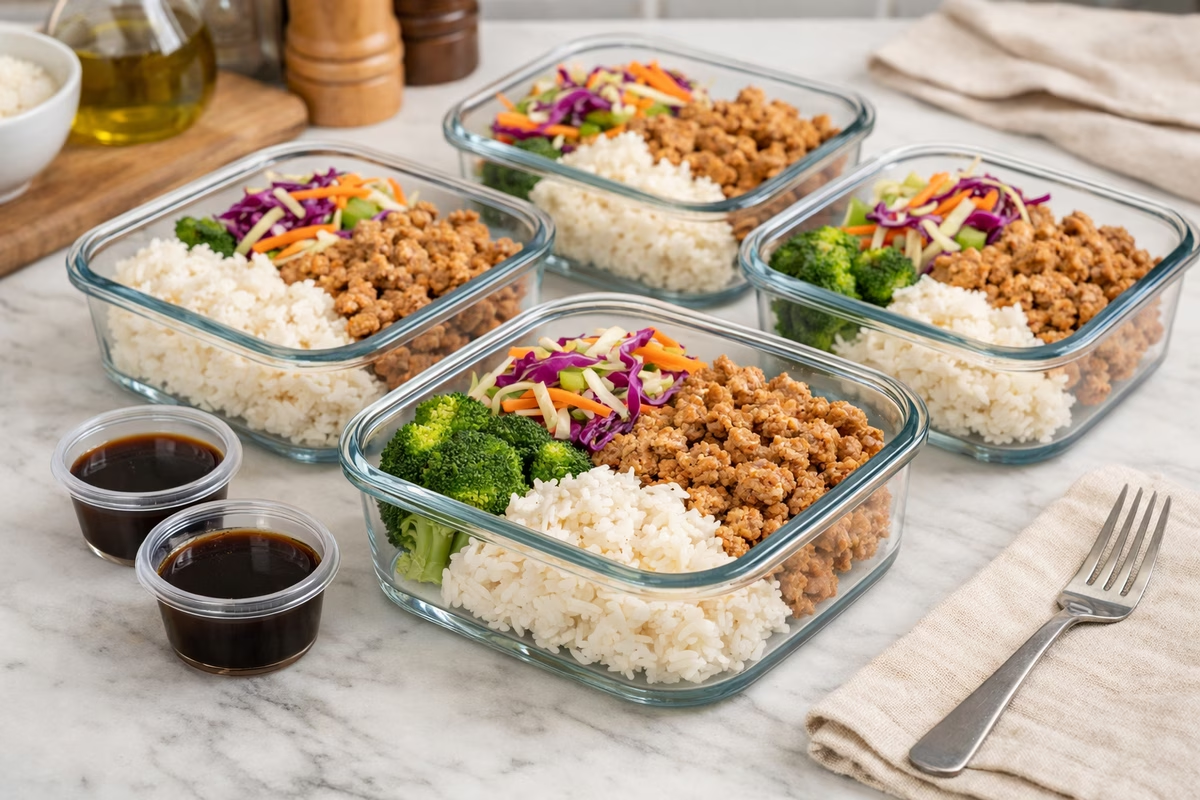
This is especially helpful for meal prep. A container of rice and turkey may look plain in the fridge, but a handful of chopped salad, a little dressing, and a crunchy topping can make it feel like a new lunch. Fresh Finish Kits for Boy Kibble uses the same principle from scratch. A salad kit is the convenience version: somebody else already washed and chopped part of the finish.
The amount matters. Too much cold salad on a small amount of hot rice can make the meal feel confused. Too little becomes garnish. Start with enough to change the texture of each bite, then adjust based on whether the bowl is meant to be hot, cold, or somewhere in between.
Keep Dressing Away From Heat Until It Has a Job
Many salad-kit dressings are built for cold greens, not hot rice. Some are sweet. Some are creamy. Some are thin. Some are strong enough that a full packet can dominate the entire bowl. Use dressing carefully, and do not assume the packet should be emptied because it came in the bag.
For hot bowls, dressing is often better after reheating. Warm the rice, protein, beans, or vegetables first. Add greens and dressing after the hot parts are ready, or keep the greens cold on one side of the bowl. This protects the texture and keeps creamy dressings from turning dull. For cold bowls, dressing can be stirred through more freely, but the bowl still needs enough salt, acid, and protein to avoid tasting like a padded salad.
Sometimes the kit dressing works better as an ingredient in a better sauce. A creamy dressing can be sharpened with lime, hot sauce, vinegar, mustard, or yogurt. A vinaigrette can be stretched with tahini or a spoonful of yogurt. A sweet dressing may need chili, salt, or acid to fit rice and protein. Sauces and Toppings That Save Boy Kibble from Sadness is useful because bottled or packet dressing is only one part of the flavor system.
Match Kit Style to Bowl Style
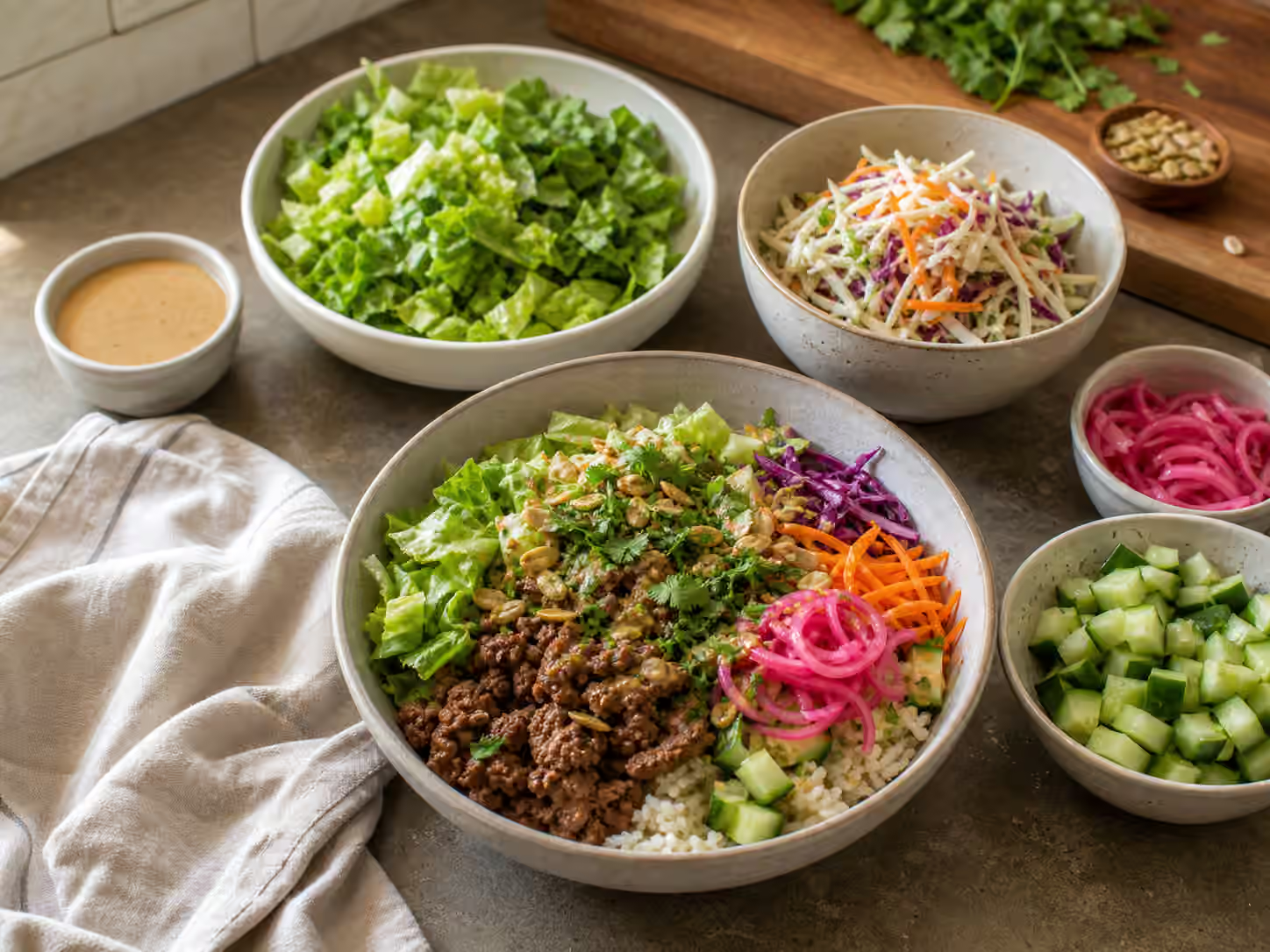
Not every salad kit belongs with every bowl. Caesar-style greens can work with chicken, rice, roasted vegetables, lemon, and a little cheese, but the croutons should stay crisp until the end. Southwest-style kits can work with beef, turkey, beans, rice, salsa, and lime, though the dressing may be sweeter than the bowl needs. Slaw-style kits can work with peanut-lime, soy-ginger, barbecue-ish, or taco-ish bowls because cabbage holds up better than tender lettuce.
Tender greens are best when the bowl is not too hot. Romaine can handle some warmth but wilts if trapped under steaming rice. Cabbage can take more abuse. Kale can be sturdy but may need more dressing or acid. Shredded carrots add sweetness and crunch. Seeds and nuts are useful almost anywhere. Dried fruit is more specific and can make a savory bowl feel off if the rest of the flavors do not support it.
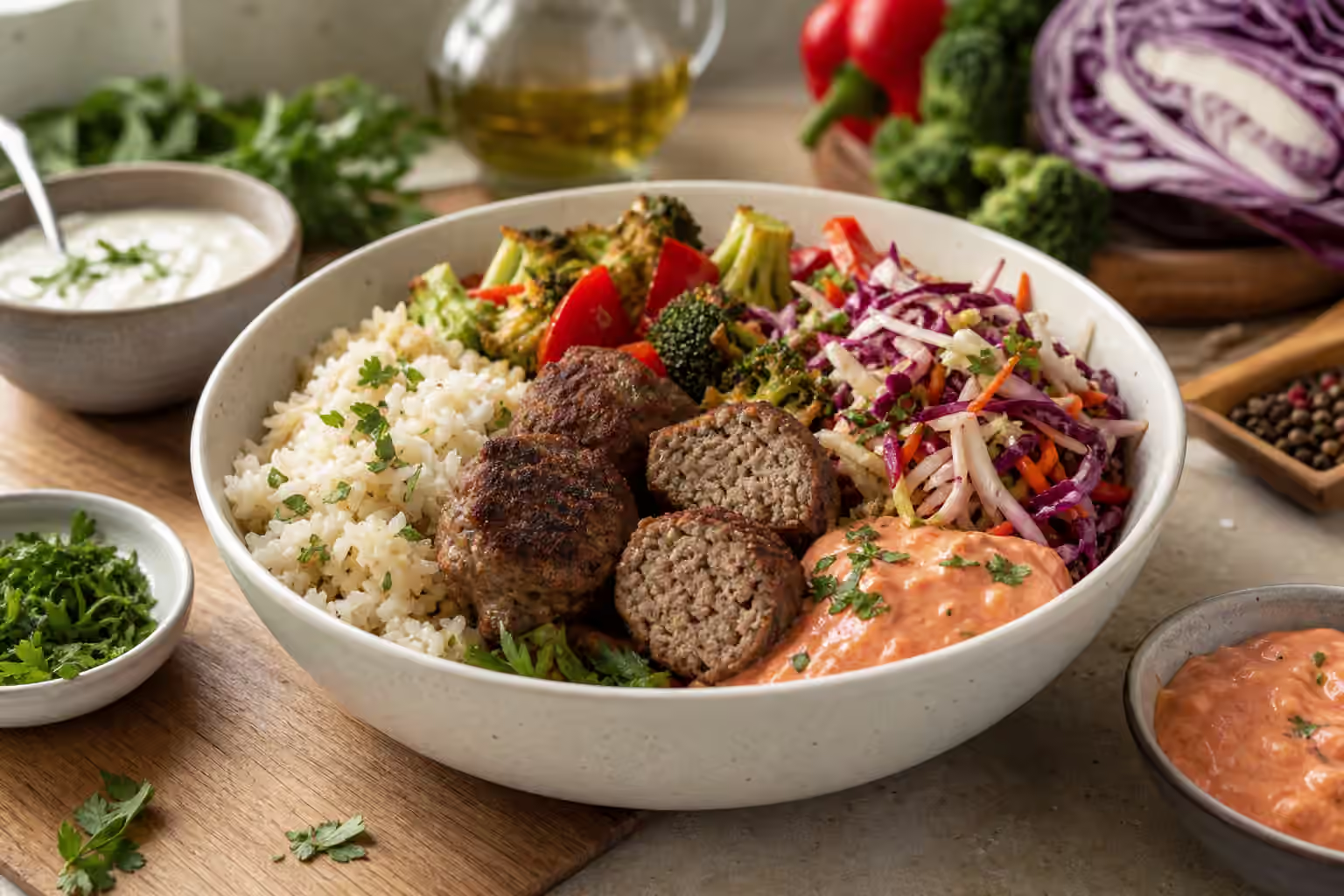
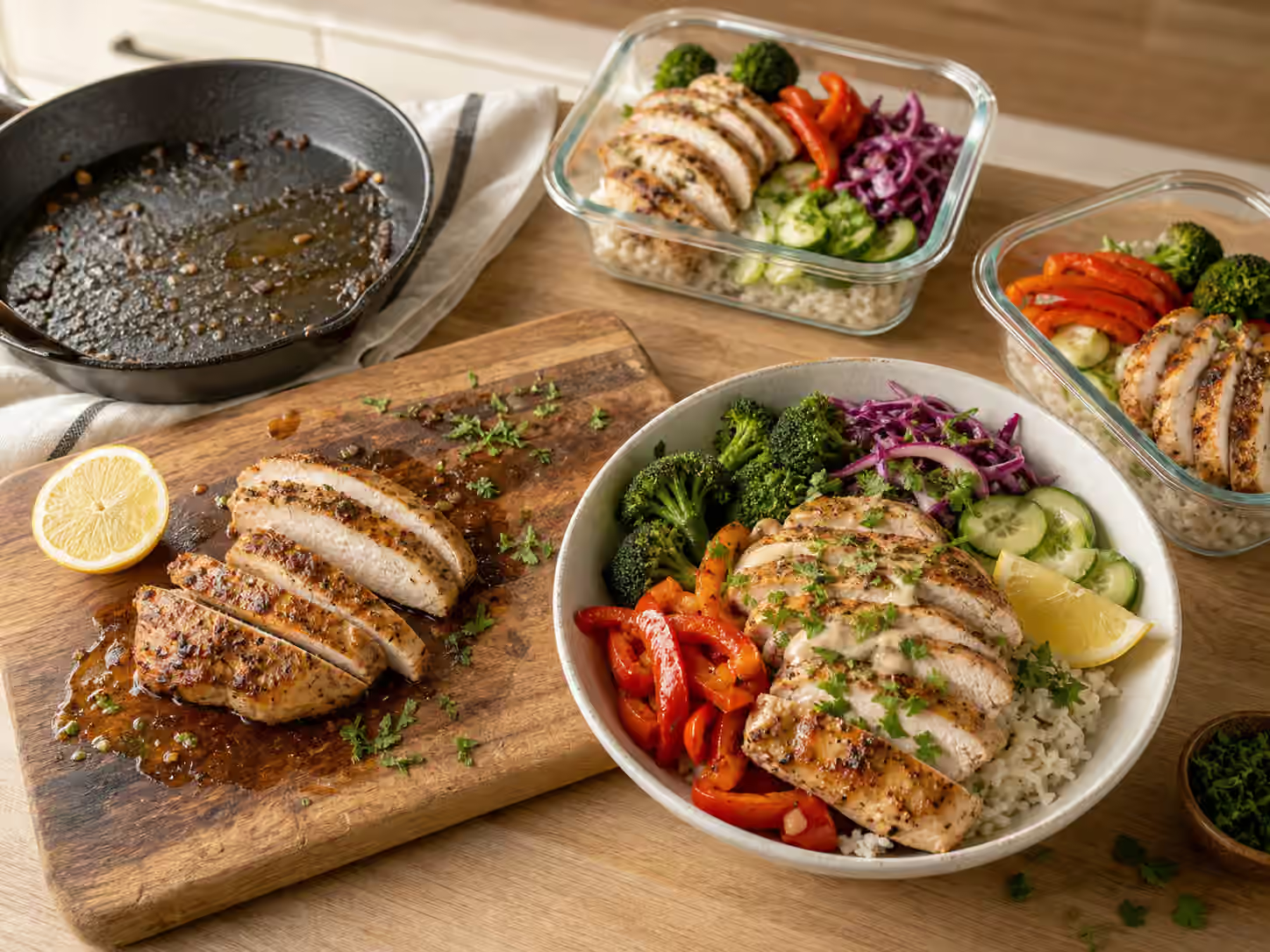
This is less about rules than compatibility. Taco Boy Kibble wants slaw, lime, salsa, beans, and seasoned protein. Peanut-Lime Boy Kibble wants cabbage, cucumber, herbs, and peanuts. Chicken Breast Boy Kibble often benefits from crisp greens and a creamy or sharp dressing. The kit should reinforce the lane you are already in.
Protect Crunch and Greens During Meal Prep
A salad kit is convenient because it is ready, but it is also fragile once opened. Greens dry out, dressing leaks, crunch packets soften, and cut vegetables can pick up fridge smells. If the kit is meant to support several bowls, split it with care. Keep the main greens sealed. Keep dressing separate. Keep crunch dry. Add only what the next bowl needs.
For packed lunches, the kit can make the difference between a dense rice container and a meal that still feels fresh at noon. Put hot reheatable parts in one zone and cold greens in another if the container allows it. Add dressing after reheating, or pack it separately. Keep crunchy toppings away from wet greens until eating. Packable Boy Kibble Lunches covers the same container logic from the lunch side.
If the greens are already fading, use them differently. Cabbage and kale can be warmed briefly into a skillet bowl. Romaine is usually better cold and should be used sooner. Crunch packets can rescue soft leftovers. Dressing can be used with beans, chicken, or vegetables even after the greens are gone. The kit is a set of parts, not a single obligation.
Make Hot-Cold Bowls Deliberately
Some of the best salad-kit boy kibble bowls are hot-cold bowls. The rice, beans, meat, tofu, potatoes, or vegetables are hot. The greens, cucumber, pickles, herbs, and dressing are cold. The contrast makes leftovers taste more alive. The mistake is letting the hot parts steam the cold parts before the bowl is eaten.
Build with a little separation. Put hot rice and protein down first. Let steam calm briefly if the food is very hot. Add greens to one side or on top just before eating. Drizzle dressing where it can touch both warm and cold parts. Add crunch last. This is not fussiness. It is the difference between crisp greens and a wilted lid of salad stuck to rice.
Reheating Boy Kibble pairs well with this approach. A reheated base needs something cold and sharp. A salad kit can provide that in less than a minute, especially when the alternative is skipping vegetables because chopping feels like too much.
Let Convenience Stay Convenient
The value of a salad kit is that it removes friction. It should not create a new ritual of sorting every shred with tweezers or building restaurant salads at home. Use the parts that help. Ignore or save the parts that do not fit. Add enough greens to make the bowl fresher. Hold back enough dressing to keep it balanced. Save the crunch for the final minute.
That makes salad-kit boy kibble a useful bridge between meal prep and fresh food. It gives rice and protein a cold finish. It makes lunches travel better. It rescues leftovers without another cooking step. It keeps a simple bowl from turning into a soft beige container. The shortcut works when it stays in service of the bowl, not when the bowl becomes a dumping ground for whatever came in the bag.