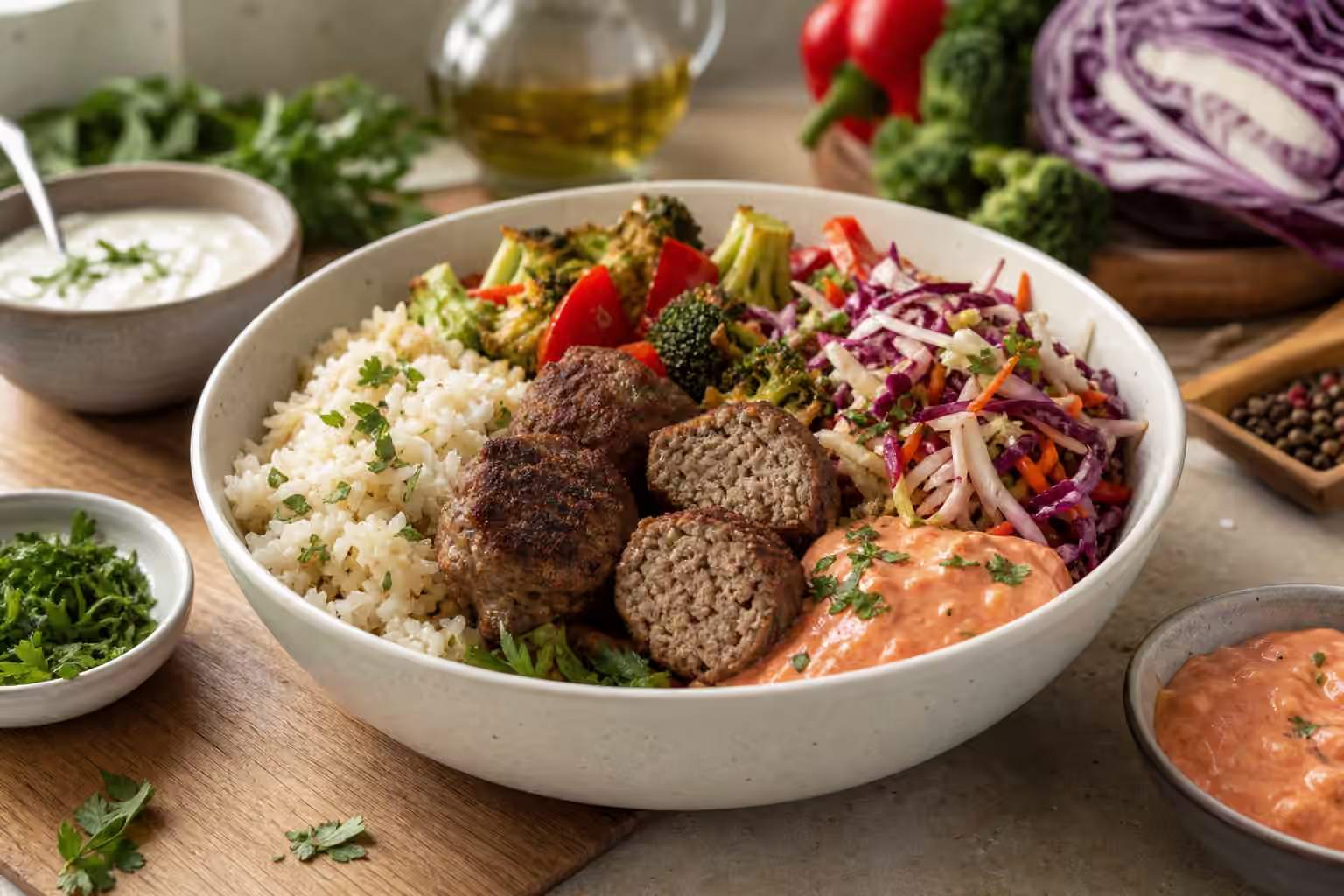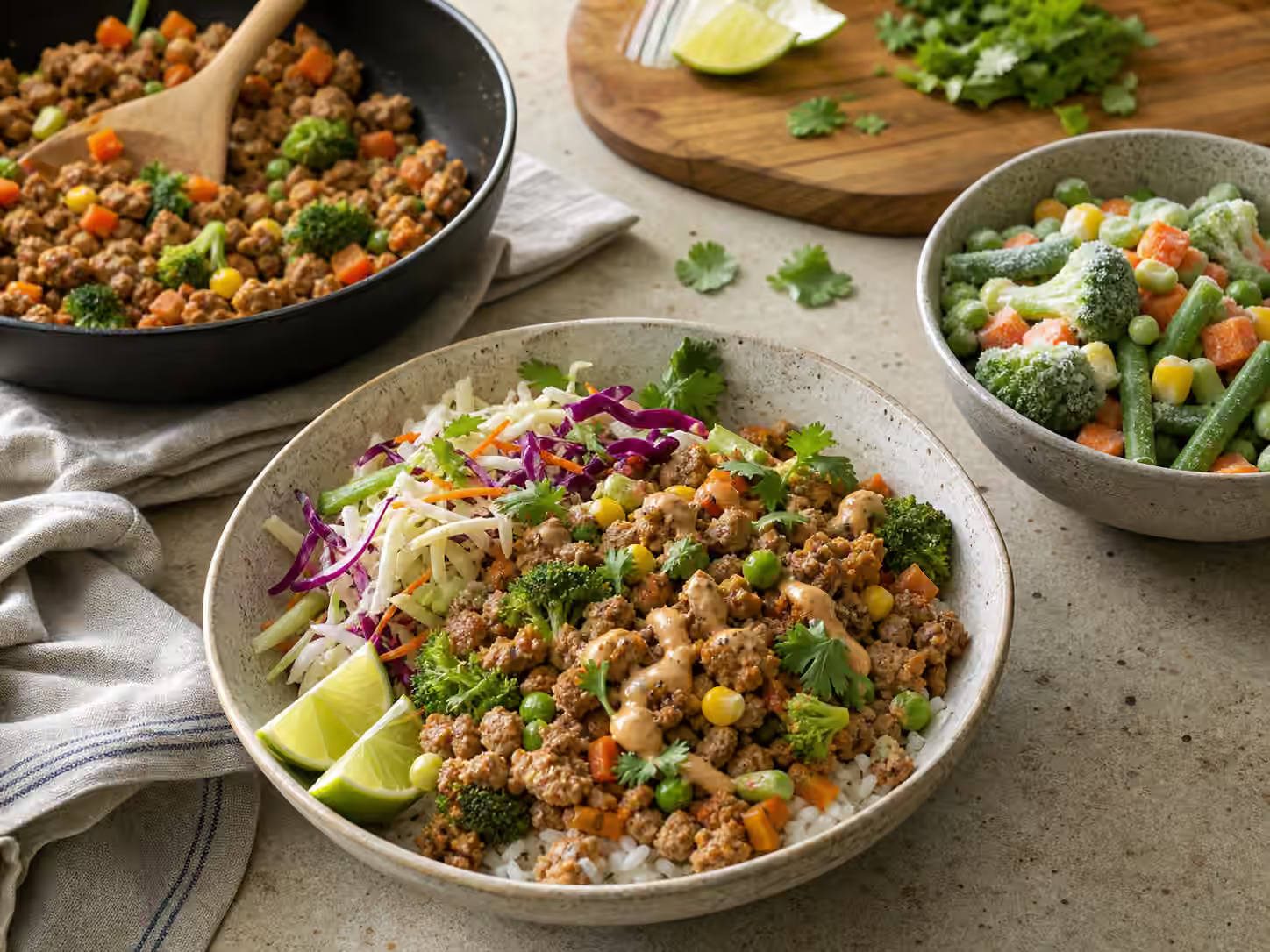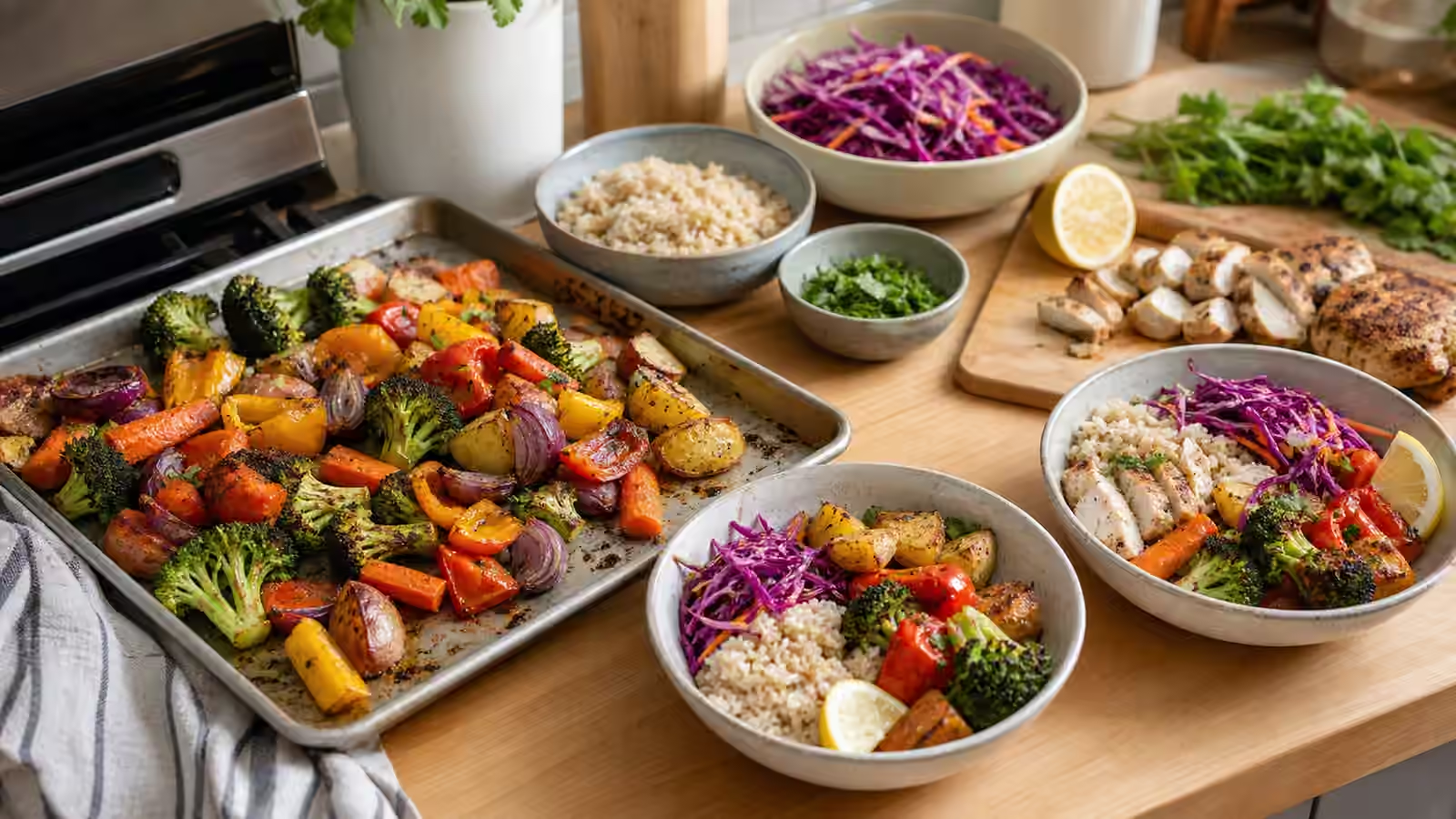
Roasted vegetables are one of the easiest ways to make boy kibble feel less like protein on starch and more like a meal someone meant to eat. They bring browned edges, color, sweetness, bitterness, chew, and bulk. They also solve a practical problem. A bowl that relies only on rice and meat can get heavy quickly, while a bowl with roasted broccoli, peppers, carrots, onions, squash, cauliflower, cabbage, or potatoes has more places for sauce and seasoning to land.
This is not about turning a simple meal into a Sunday cooking performance. Vegetables for Boy Kibble covers the full vegetable decision. Roasting deserves its own lane because it changes the vegetable from a responsible add-on into a sturdy batch component. A sheet pan can make several meals easier without demanding attention every night.
Roasting Gives the Bowl a Cooked Center
Raw crunch is valuable, but boy kibble also needs cooked depth. Roasted vegetables provide that depth without asking the skillet to handle everything. When broccoli gets browned tips, peppers lose some water, onions soften and char at the edges, and carrots concentrate their sweetness, the bowl gains flavor before sauce appears.
This matters for meal prep because repeat bowls often fail through sameness. Rice is soft. Ground meat is soft. Beans are soft. Sauce is wet. Roasted vegetables interrupt that pattern. They may not stay crisp in a container, but they keep more structure and flavor than vegetables that were barely steamed and sealed under a lid.
Roasting is also forgiving across flavor lanes. Broccoli and peppers can support soy-ginger bowls, taco bowls, curry-ish bowls, burger bowls, and simple lemon-herb bowls. Potatoes make a bowl feel more like dinner, as Potato Boy Kibble explains. Carrots and onions add sweetness that helps lean turkey or tofu. Cauliflower can carry curry, chili powder, hot sauce, or tahini. The sheet pan gives you a base of cooked color that can move in several directions.
Choose Vegetables by Water and Texture
Not every vegetable behaves the same under roast-and-store conditions. Dense vegetables such as carrots, potatoes, sweet potatoes, cauliflower, cabbage wedges, onions, and winter squash can handle longer heat. Broccoli, peppers, zucchini, mushrooms, and green beans cook faster or release more water. Tender greens belong somewhere else unless they are being wilted at the end.
The useful question is how the vegetable will eat tomorrow. A roasted pepper may be excellent in a warm rice bowl but softer in a packed lunch. Broccoli holds up if it is not overcooked. Mushrooms can be great if they have enough space to lose water, but they become disappointing when crowded. Zucchini can taste fine fresh and watery later. Cabbage is underrated because it can roast, brown, and still bring enough structure to work with rice, pork, tofu, beans, or sausage.
If you are new to roasted boy kibble, avoid trying to roast every vegetable at once. Put similar timing together or accept that some pieces will be softer than others. A practical first pan might be broccoli, peppers, onions, and carrots. Another might be potatoes, cabbage, and onions. The goal is not perfect doneness. It is useful leftovers.
Leave Room for Browning
The sheet pan has the same problem as the skillet: crowding creates steam. A pile of vegetables may technically roast, but it often tastes more like a tray of softened pieces. Space gives the edges a chance to dry, brown, and concentrate.
Oil and salt should be present but not excessive. Too little oil can leave vegetables dry and dusty. Too much oil can make the finished bowl feel greasy once rice and sauce are added. The amount depends on the vegetable, but the principle is steady. Coat enough for heat transfer and flavor. Salt enough that the vegetable tastes like part of dinner. Keep heavy sauces away until later unless the vegetable is meant to roast in a paste or glaze.
This is where roasting supports Skillet Browning for Boy Kibble rather than replacing it. Let the oven handle vegetable browning while the skillet handles protein, or let the oven do both if the meal is moving toward One-Pan Boy Kibble . The less each tool has to do at once, the better the bowl gets.
Store Roasted Vegetables With Their Future in Mind
Roasted vegetables lose crispness in the fridge. That is normal. Planning around that truth is more useful than pretending the container will preserve sheet-pan texture exactly.
If the vegetables are going into hot bowls, store them where they can be reheated without drowning the rice. If they are very moist, keep them beside the base rather than buried under it. If they are sturdy, they can share a container with protein. If they are fragile or meant to provide contrast, keep them separate and add them after reheating. A roasted pepper mixed into rice on Sunday may be fine. A lemony slaw or cucumber finish should wait.
Roasted vegetables also freeze unevenly. Potatoes, peppers, onions, broccoli, and carrots can be usable, but their texture changes. For freezer bowls, they are usually better as part of a cooked core that will later receive fresh contrast. Freezer Boy Kibble follows the same rule: the frozen container does not need to be the whole meal.
Use Roasted Vegetables to Stretch Protein
Boy kibble often starts with protein because protein is the expensive and satisfying anchor. Roasted vegetables help that anchor carry farther. A modest amount of chicken, turkey, beef, tofu, or beans can feel more generous when the bowl has vegetables with chew and color. The meal feels built rather than stretched.
This matters for budget weeks and appetite management. Budget Boy Kibble uses overlap, beans, bases, and better shopping to reduce waste. Roasted vegetables support the same goal from the cooking side. They make the bowl larger without simply adding more rice. They also give leftover sauces and toppings more surface area, which means a smaller amount of sauce can feel like enough.
Vegetables can also steer the flavor. Roasted peppers and onions push a bowl toward taco, sausage, tomato, or Mediterranean directions. Broccoli pulls easily toward soy, garlic, lemon, or chili crisp. Carrots and cauliflower can handle curry-ish seasoning. Potatoes can turn a lean bowl into comfort food. A single roasted tray can become several meals if the finishing sauce changes.
Balance Roasted Warmth With Fresh Finish
The main risk of roasted vegetable boy kibble is making every bite warm, soft, and sweet. That can be pleasant once and tiring by the third container. Fresh finish fixes the problem.
Cabbage, cucumber, herbs, pickles, lime, lemon, yogurt sauce, tahini, hot sauce, scallions, sesame seeds, crushed chips, or a simple vinaigrette can bring the bowl back into balance. Fresh Finish Kits for Boy Kibble is especially useful with roasted vegetables because the cooked tray already did the heavy lifting. The finish only needs to provide brightness and snap.
This is why a roasted vegetable batch should not be over-seasoned into one narrow future. Salt, pepper, garlic, paprika, chile, or a mild spice blend can work, but leave enough room for the bowl to change. A neutral roasted broccoli tray can become soy-ginger, lemon-herb, taco-ish, or curry-ish. A tray covered in one strong sauce is useful only if you want that same story several times.
Let the Sheet Pan Make the Week Easier
Roasted vegetables are not mandatory. Some weeks need microwave rice, canned beans, slaw, and a sauce. No-Cook and Low-Cook Boy Kibble exists for those nights. But when the oven is already on or you have enough energy for one batch move, roasting vegetables is one of the best returns in the whole system.
The sheet pan gives you cooked color, better texture, more satisfying portions, and a way to make the same protein feel less repetitive. It also gives future you a head start. Rice can be reheated. Protein can be browned. Sauce can be added. But a container of roasted vegetables often decides whether the bowl feels like actual dinner.
Keep the method plain enough to repeat. Use vegetables that can handle heat. Give them space. Season them before they go in. Store them with texture in mind. Finish the bowl with something fresh. That is enough to make roasted vegetable boy kibble feel practical rather than precious.