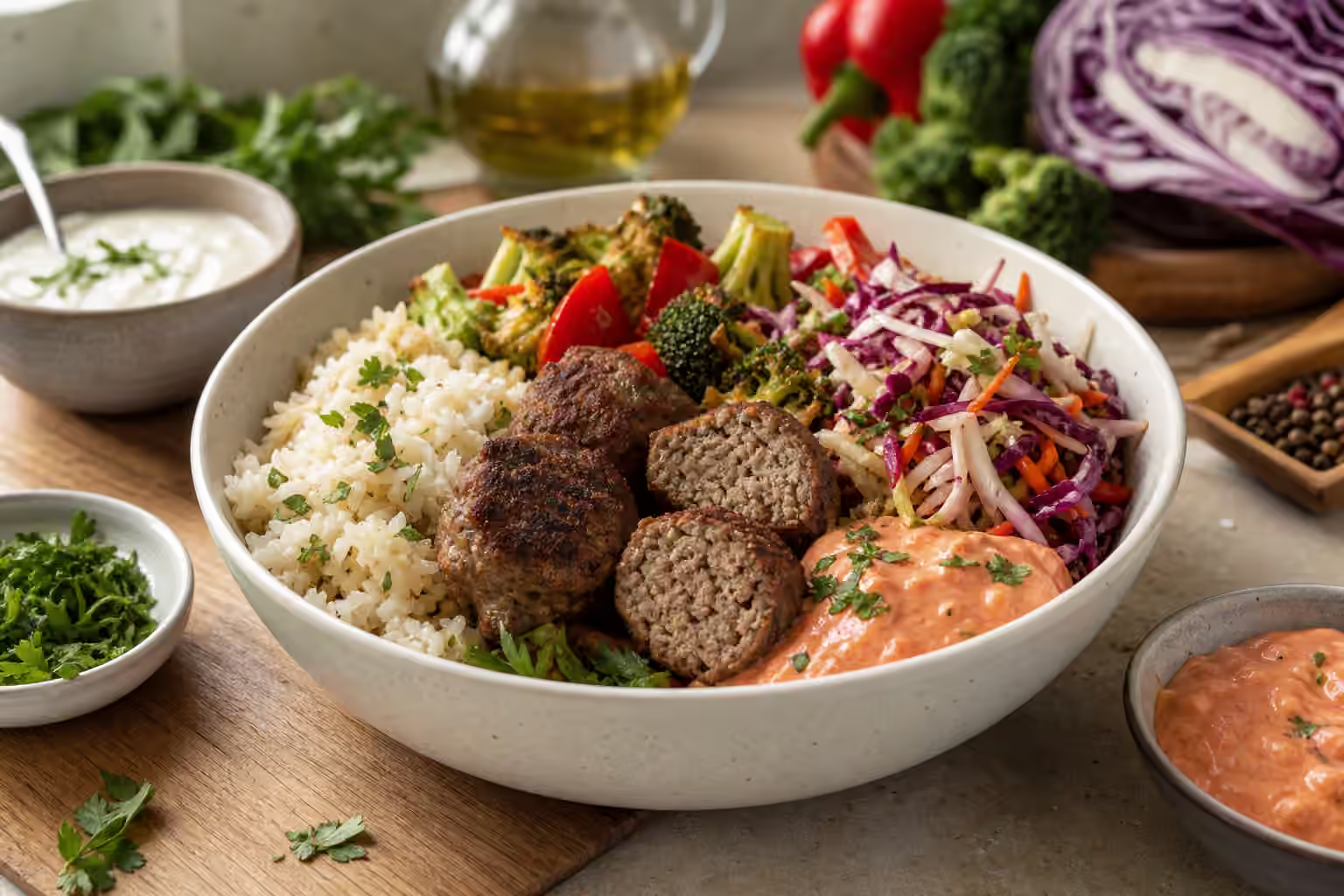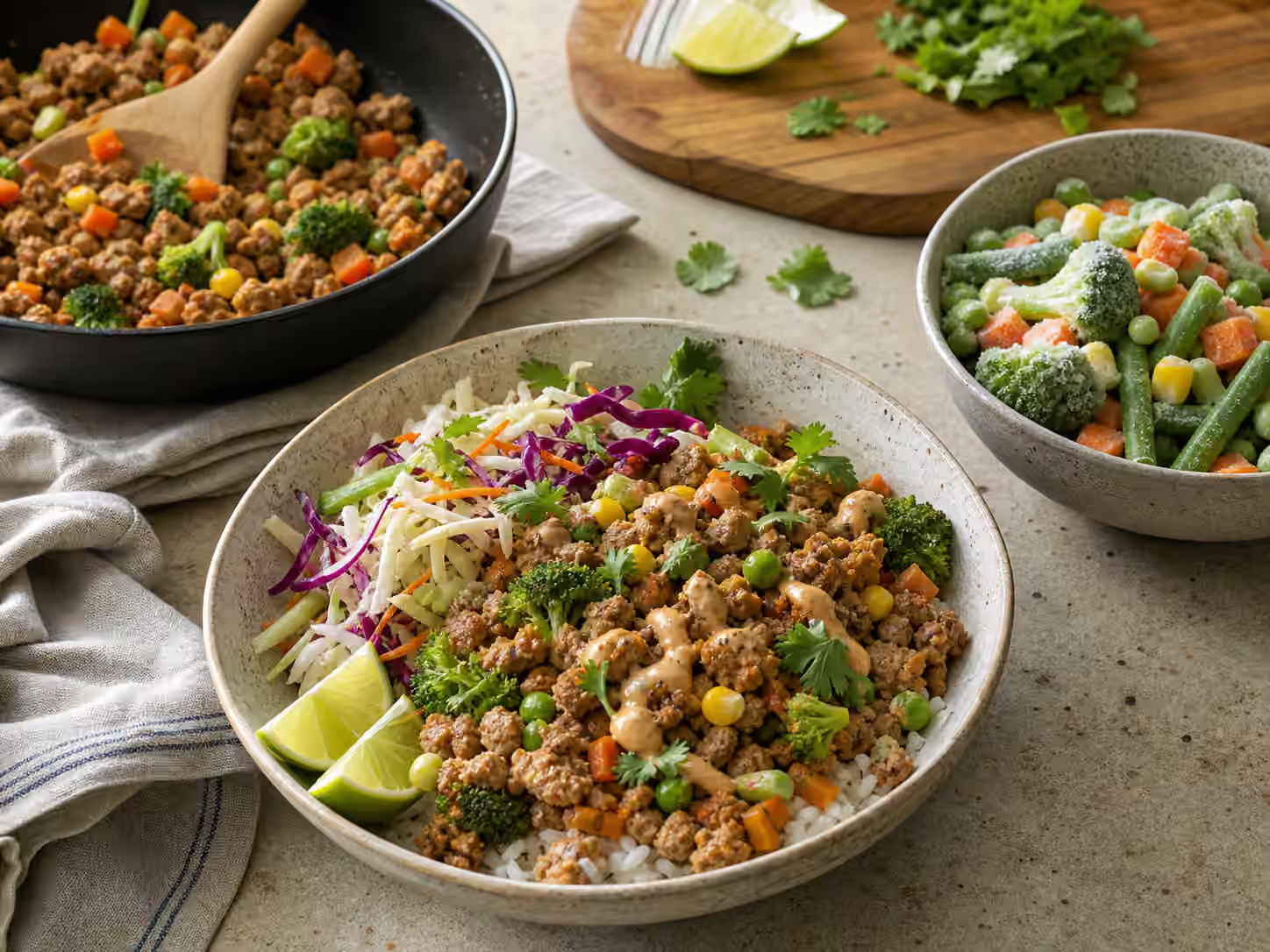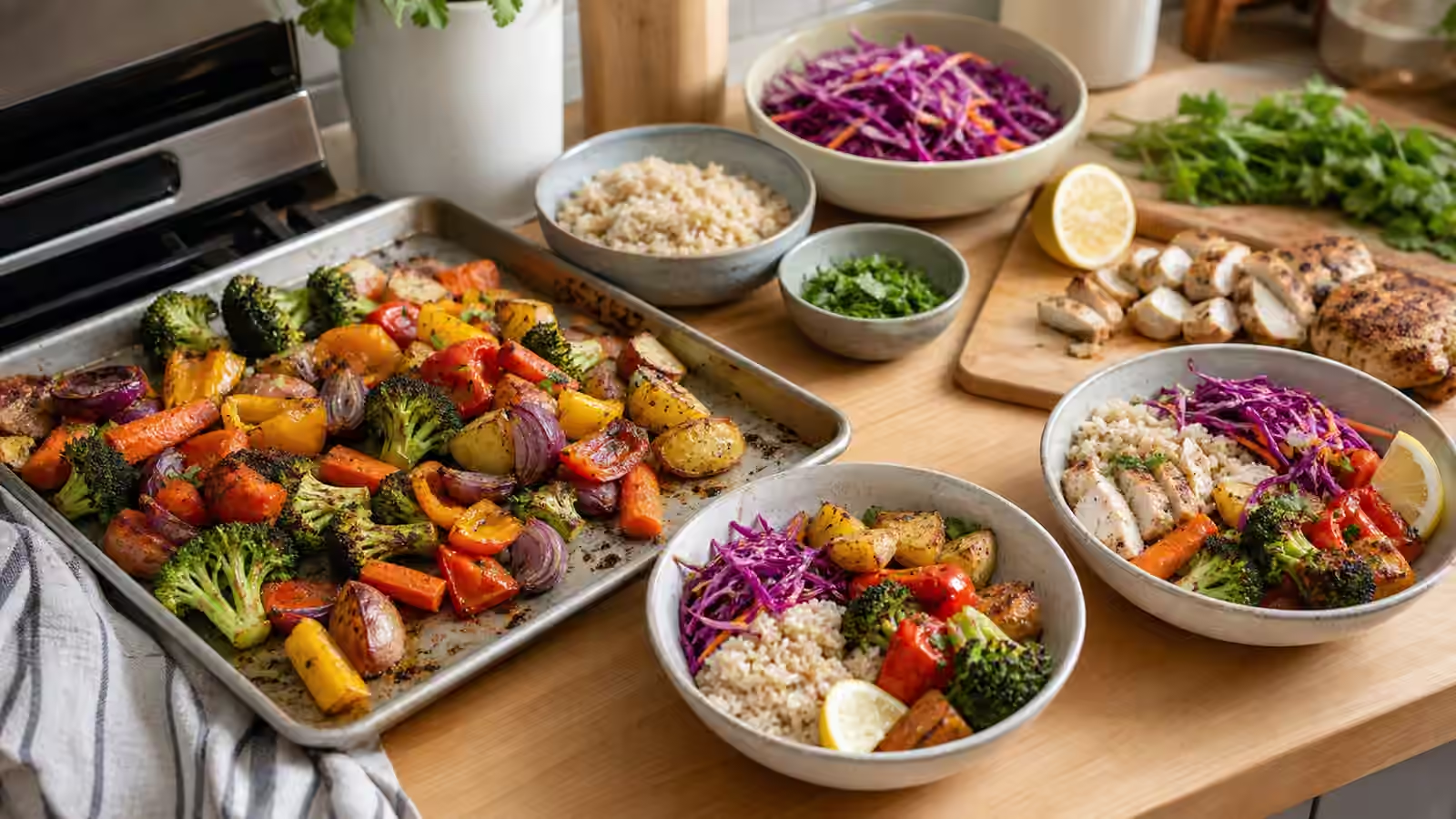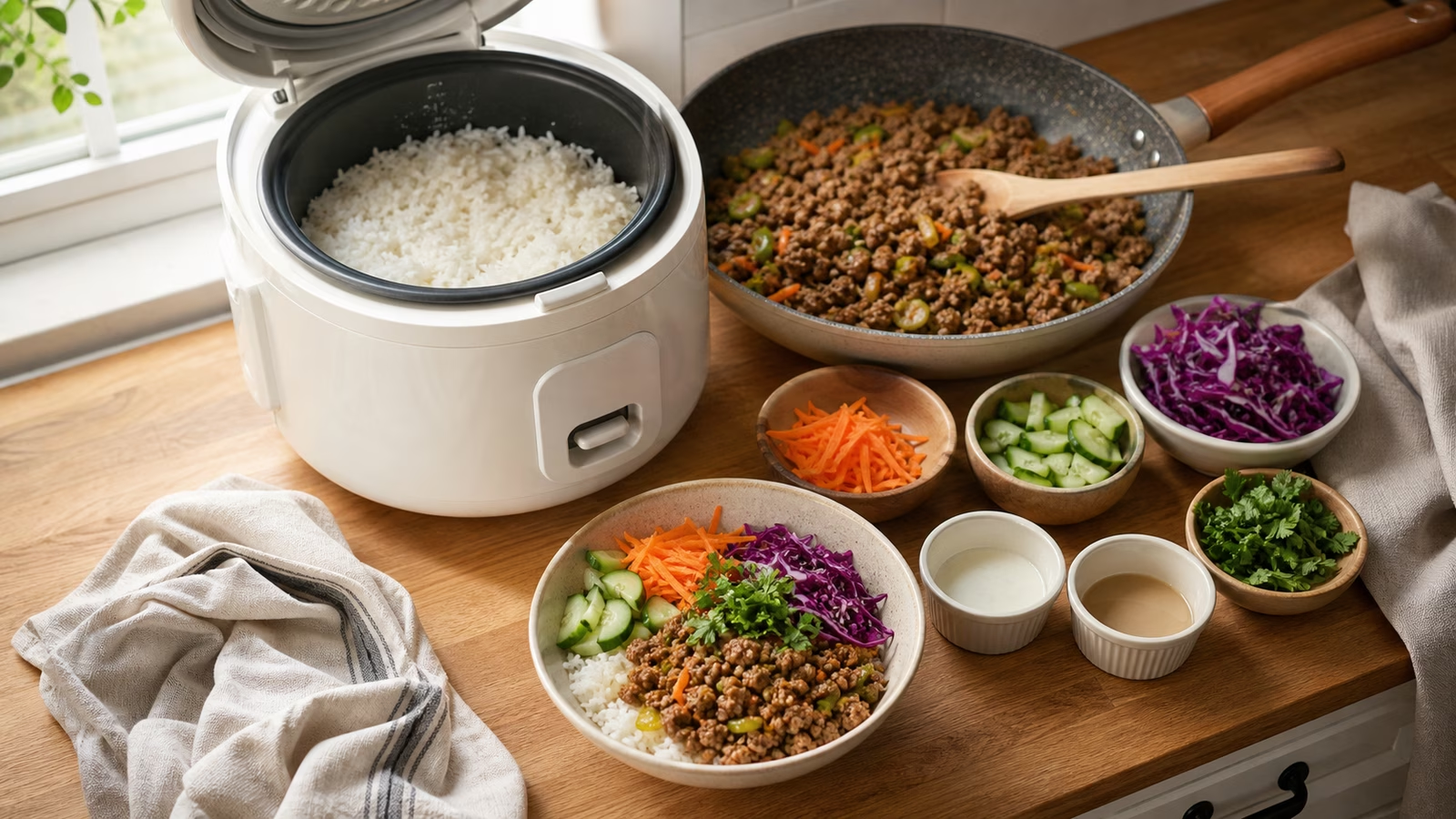
The rice cooker is not the exciting part of boy kibble, which is exactly why it belongs at the center of the system. A good bowl often fails before the protein ever hits the pan because the base is late, gummy, burned, forgotten, or still sitting in a measuring cup while hunger gets louder. The rice cooker fixes that quiet failure. It takes the most repetitive part of the meal and makes it dependable.
This is not about buying a fancy appliance or turning dinner into a gadget routine. It is about giving simple food a better anchor. If rice, potatoes, pasta, beans, greens, and tortillas are the platforms described in Boy Kibble Bases , then the rice cooker is the platform manager for the most common one. It lets rice happen in the background while you brown protein, thaw vegetables, rinse slaw, or do nothing for a few minutes because the day has already asked enough.
The useful version of rice cooker boy kibble is not just meat over plain rice. It is a timing system. Start the base, use the cooking window for the parts that benefit from attention, then assemble the bowl while the rice is still warm and flexible. That order sounds small, but it changes the whole experience. Dinner stops feeling like several competing tasks and starts feeling like one process with a clear beginning.
The Rice Cooker Solves the Wrong Problem First
Most people think the hard part of boy kibble is protein. Protein matters, and Choosing Protein for Boy Kibble is useful when you are deciding between beef, turkey, chicken, tofu, beans, eggs, or other anchors. But on a normal weeknight, the harder problem may be sequencing. You can brown meat in ten minutes, but if the rice is not ready, the meal still feels stalled. You can chop cucumber and open sauce, but without the base, none of it becomes dinner.
A rice cooker gives the meal a start button. Rinse rice if you usually rinse it, add water according to the cooker and rice you are using, close the lid, and let the machine take over. Once that starts, the decision burden drops. You are no longer wondering what dinner is. Dinner has begun.
That matters more than it sounds. Low-friction cooking depends on momentum. A pot on the stove asks for monitoring, heat adjustment, and the small anxiety of whether the bottom is scorching. A rice cooker asks for less. It can still be misused, and rice can still be over-watered or left too long, but the basic job is steadier.
The payoff is not only convenience. Better rice makes the rest of the bowl easier. Fluffy rice catches sauce without becoming paste. Warm rice softens a cold topping without killing it. Leftover rice that started well has a better chance of becoming fried rice, a skillet bowl, or tomorrow’s lunch. The base is boring until it is bad. Then it becomes the whole problem.
Use the Cooking Window
The best rice cooker bowl uses the rice cycle as a timer for everything else. If the rice takes about twenty to thirty minutes, that is enough time to brown ground meat, cook tofu, warm beans, steam frozen vegetables, or build a sauce. If the protein is already cooked, that window can become prep time for fresh toppings instead.
The mistake is starting every component at once and then letting the fastest parts sit around. Fresh slaw should not wait under heat. Cucumbers do not improve by sitting next to a hot pan. Yogurt sauce does not need to be made half an hour early unless that helps your schedule. Let the rice take its time. Use that time for sturdy ingredients first, then finish with fragile ingredients at the end.
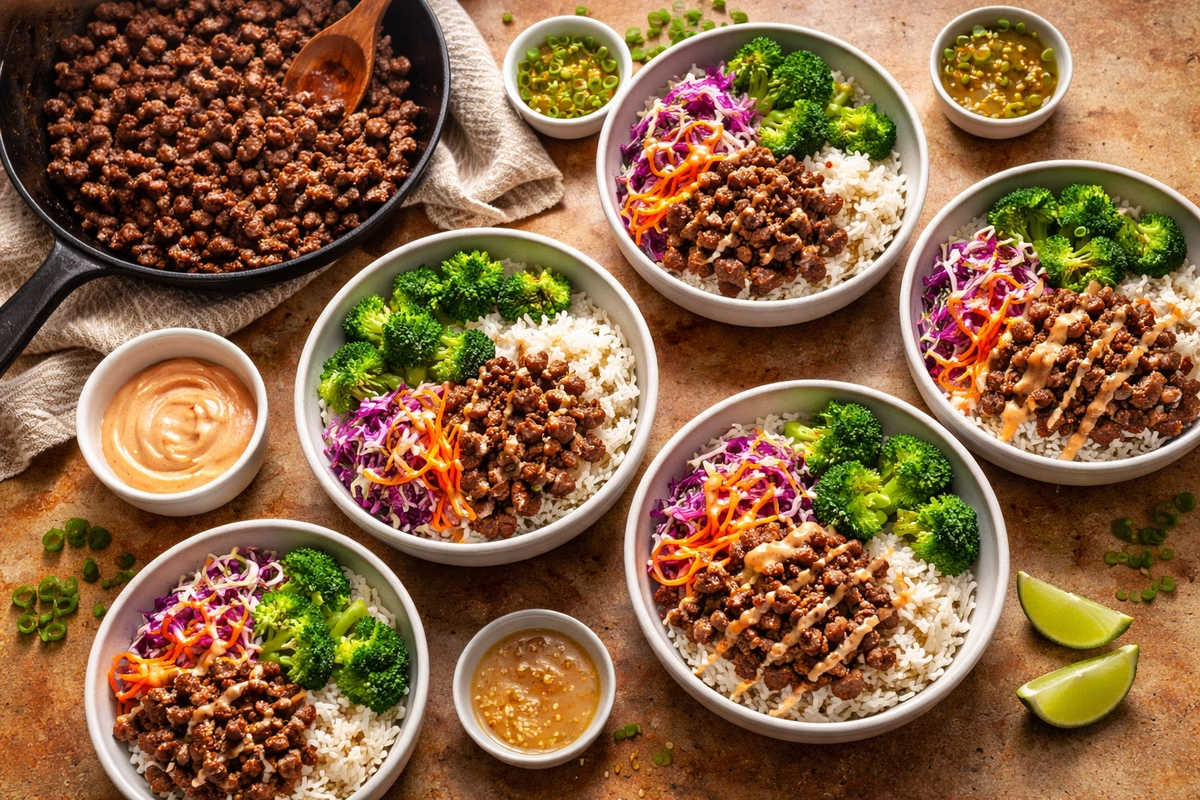
For a basic weeknight bowl, the rhythm is simple. The rice starts first. The protein cooks while the rice cooks. Frozen vegetables go into the pan or microwave near the middle. Sauce, herbs, slaw, pickles, cucumber, lime, and crunch wait until assembly. That sequence protects contrast, which is the same principle behind Better Boy Kibble Texture . The bowl should not become one warm, soft texture just because everything was ready too early.
Rice cooker timing also helps with cleanup. If the cooker is handling the base, the pan can focus on the protein and vegetables instead of becoming a crowded all-purpose vessel. Crowding is one reason ground meat steams instead of browns and vegetables turn watery. Giving the rice its own lane makes the skillet better at its job.
Do Not Ask Rice to Fix Bland Food
Plain rice is useful because it is neutral. That does not mean it can rescue an under-seasoned bowl. Rice spreads flavor out. If the protein is barely salted and the vegetables are watery, the rice will make that blandness feel even larger. A rice cooker makes the base easy, but it does not remove the need to season the parts that carry the meal.
Season protein before sauce. Salt beans while they heat. Give tofu enough contact with the pan to lose some surface moisture. Let ground meat brown before adding wet flavor. If you use frozen vegetables, cook off excess water or accept that the bowl will need a stronger finish. How to Season Boy Kibble Before the Sauce Goes On covers that foundation in more detail, but the rice cooker version makes the lesson obvious: when the base is consistent, weak seasoning has nowhere to hide.
Sauce should finish the bowl rather than perform an emergency rescue. Salsa, yogurt sauce, soy-lime dressing, hot sauce, chili crisp, tahini, burger sauce, or a simple vinaigrette can all work, but each sauce needs a job. A heavy beef bowl may need acid and crunch. A lean turkey bowl may need fat or creaminess. Beans may need salt, spice, and brightness. Rice gives those finishes a place to land.
Steam and Add-Ins Need Restraint
Some rice cookers come with steam trays, and some people like adding vegetables, aromatics, or protein directly to the pot. That can work, but it is not always the upgrade it seems to be. The more ingredients you ask the cooker to handle, the more the bowl risks becoming uniformly soft and mild.
Steaming vegetables above rice can be useful when the alternative is not cooking them at all. Broccoli, carrots, peas, corn, edamame, and sturdy greens can all make sense if your cooker handles them well. The trick is to treat steamed vegetables as a convenience move, not a flavor miracle. They often need salt, sauce, oil, acid, or crunch afterward. Steamed broccoli with rice and unseasoned turkey is still a sad bowl. Steamed broccoli with browned turkey, soy sauce, sesame, cucumber, and chili crisp is a meal.
Adding aromatics to the rice can help when it fits the bowl. A bay leaf, garlic, ginger, a little broth, or a small amount of spice can make the base feel more intentional. But heavily flavored rice can also trap you. If the rice is strongly cumin-heavy, it may not fit a soy bowl later. If it is cooked with too much sauce, it may store badly. For flexible meal prep, plain or lightly seasoned rice is often smarter because it can go in several directions.
This is where the rice cooker supports, rather than replaces, the wider boy kibble habit. It handles the base. You still build variety through protein, vegetables, sauce, format, and finish.
Rice Cooker Meal Prep Works Best in Components
For meal prep, the rice cooker is most valuable when it creates a clean batch of base that can be used several ways. Cook rice, cool it with basic food-safety common sense, and store it separately from wet sauces and crisp toppings. Then cook one protein and keep one fresh finish ready. That gives you bowls without locking every meal into the exact same container.
This is the same logic behind How to Meal Prep Boy Kibble Without Hating It by Wednesday . Finished bowls are convenient on day one, but they can become dull fast. Components give you room to change direction. Rice and turkey can become a salsa bowl at lunch, a skillet fried rice dinner, or a wrap filling with slaw and sauce. Rice and beans can go taco-style one day and yogurt-herb the next. The rice cooker does not make variety by itself. It makes the base easy enough that variety is still possible.
Portioning matters here, but it does not need to become a math project. If rice overwhelms the bowl, every meal feels sleepy and heavy. If there is too little rice, the bowl may not feel like dinner. Portioning Boy Kibble is useful for dialing in the ratio, but the practical cue is appetite. The rice should support the protein, plant, sauce, and finish. It should not bury them.
Leftover rice also has a second life. Day-old rice is often better for skillet meals than fresh rice because it is firmer and less steamy. If you make extra, plan a path for it. Fried rice, crispy-bottom bowls, soup, breakfast rice with eggs, or a quick wrap filling can all keep the batch from turning into a white brick in the refrigerator.
The Quiet Advantage Is Repeatability
The best thing about rice cooker boy kibble is not speed. Sometimes stovetop rice can be fast, and microwave rice can be faster. The best thing is repeatability. The same start button can anchor tired dinners, planned lunches, pantry bowls, and leftover remixes. It lowers the number of decisions between hunger and food.
That is the real promise of the boy kibble idea when it is used well. It is not a loyalty oath to meat and rice. It is a way to make ordinary meals easier to assemble without making them joyless. The rice cooker fits because it removes a fragile step. Once the base is reliable, you can spend your limited attention where it matters more: browning the protein, choosing a vegetable you will actually eat, adding acid, keeping something crunchy, and changing the sauce before boredom takes over.
If your current bowls keep falling apart because the rice is late, sticky, burned, or missing, fix the base first. Let the cooker do that work. Then use the saved attention to make the bowl taste like dinner instead of a container of fuel.