
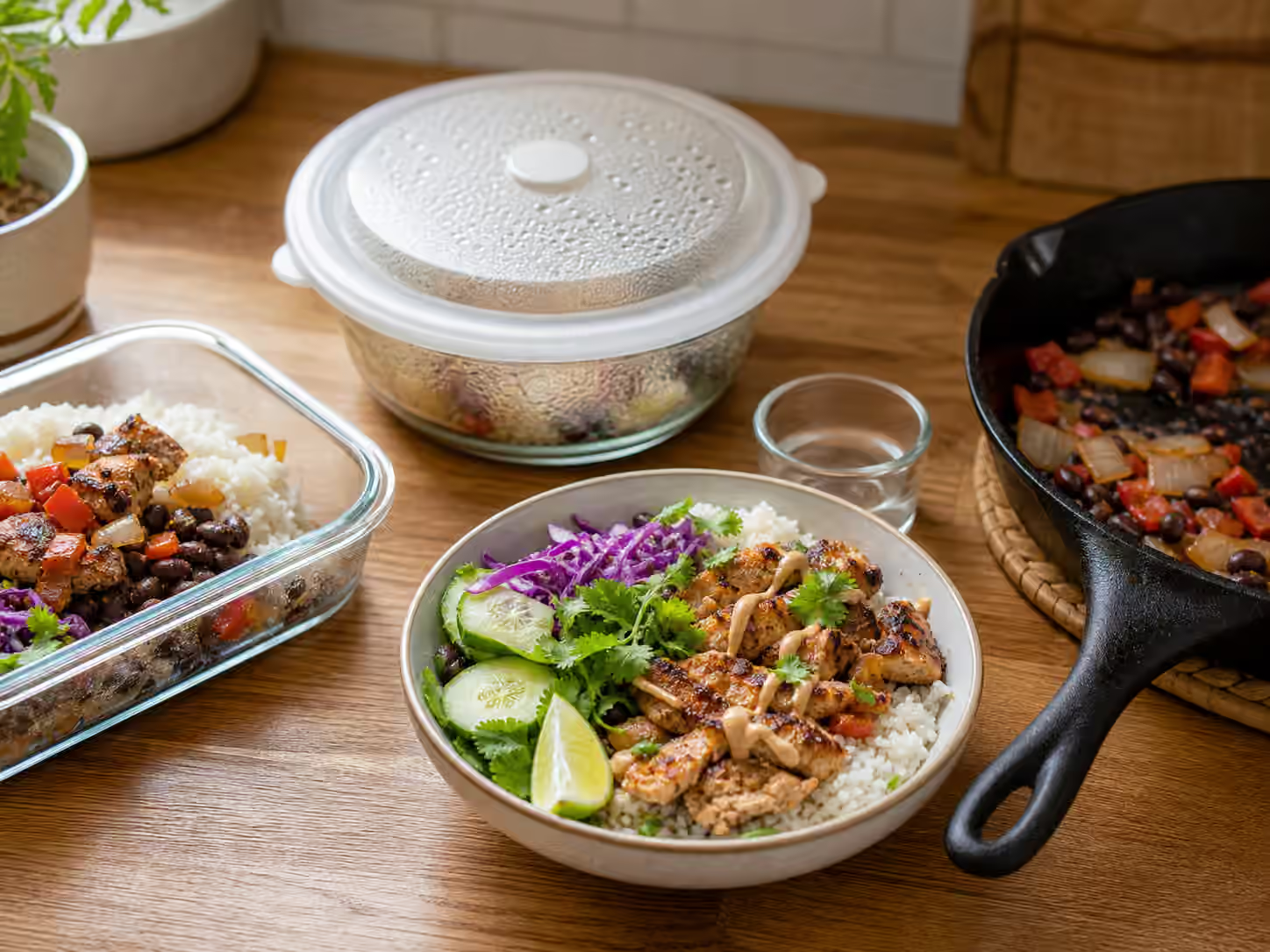
Reheating is where good boy kibble either stays useful or turns into evidence. The first bowl may have been fine: hot rice, seasoned protein, vegetables, sauce, something crisp, something sharp. The next day, the same components can become dry at the edges, wet in the middle, and strangely muted. The problem is not that leftovers are doomed. It is that a packed bowl is usually made of parts that do not want the same reheating treatment.
Leftover Boy Kibble covers the larger act of remixing yesterday’s food. How to Meal Prep Boy Kibble Without Hating It by Wednesday covers the cooking and storage decisions that make leftovers easier. This guide is narrower. It is about the moment when the container comes out of the fridge and you have to decide whether the meal becomes dinner again or just gets hot.
Reheat the Sturdy Parts First
Rice, grains, potatoes, beans, cooked vegetables, and cooked protein can usually take heat. Slaw, lettuce, cucumber, herbs, pickles, yogurt sauce, avocado, and crunchy toppings usually cannot. The first rule of reheating boy kibble is to stop making those two groups share the same trip.
If the bowl was packed with cold toppings already inside, remove what you can before reheating. If the toppings are too mixed in to separate, use gentler heat and accept that the meal will be softer. For future bowls, store the fresh finish separately whenever possible. A small container of slaw, cucumber, pickles, herbs, or sauce can rescue a reheated base far better than a large fully assembled container can.
This is the same practical logic behind Fresh Finish Kits for Boy Kibble . The hot part does not need to carry every sensation. It needs to come back warm, moist enough, and seasoned. The cold part can bring life back after the microwave or skillet has done its work.
Give Rice Enough Moisture, Not a Bath
Cold rice loses steam and firms up. That can be useful for fried rice, but it can make a standard bowl taste tired. A small splash of water and a cover can help the rice steam back toward softness. Too much water turns the base into a damp mound that dilutes the seasoning and makes the sauce work too hard.
The amount depends on the container. A shallow bowl of rice and protein may need only a few drops or a teaspoon of water. A dense container that has been packed tight may need a little more. The cover matters because it traps steam where the rice can use it. A loose microwave cover, a plate, or a container lid set slightly open can prevent the edges from drying while avoiding a pressure-sealed mess.
If the rice is already wet because vegetables or sauce leaked into it, skip the extra water and reheat more gently. Stir once if the container allows it. Let the heat spread instead of blasting the outside while the center stays cold. Batch Rice and Grains for Boy Kibble is useful because better cooled rice gives reheating more room for error.
Use the Microwave for Steam and the Skillet for Edges
The microwave is not a failure. It is very good at steaming a packed meal quickly. It is less good at restoring browned edges. If the goal is a soft warm lunch, the microwave is enough. If the goal is dinner that feels cooked again, a skillet can make leftovers taste less like leftovers.
Microwave reheating works best when the food is arranged with density in mind. Spread the rice and protein slightly instead of leaving a cold brick in the middle. Cover it. Heat in shorter rounds if the container is large. Stir the sturdy parts, then heat again. Add sauce after the food is warm unless the sauce is meant to steam with the rice.
A skillet works best when the leftovers are dry enough to take heat. Rice, ground meat, tofu, potatoes, beans, and cooked vegetables can all revive in a little oil. Let them sit long enough to catch some color before stirring constantly. If the pan starts to scorch, add a splash of water or sauce and lower the heat. Fried Rice Boy Kibble is the clearest example of this method, but the same idea can rescue taco bowls, burger bowls, tofu bowls, and leftover chicken bowls.
Protect Lean Protein From the Second Cook
Protein is often the part that suffers most. Ground beef and saucy beans can tolerate reheating better than lean chicken breast, shrimp, tofu, or eggs. The danger is cooking the protein again instead of warming it. Lean pieces tighten, seafood becomes intrusive, eggs turn rubbery, and tofu can dry at the edges while staying cold inside.
Gentle heat helps. Nestle sliced chicken or turkey into the rice with a little moisture instead of placing it on the dry edge of a container. Reheat shrimp only enough to warm it, or use it cold in a bowl where that makes sense. Add eggs late if they are already cooked. For tofu, decide whether you want soft reheated cubes or crisp skillet edges, then choose the method deliberately.
Sauce can protect protein, but it can also hide overcooking. A small amount of sauce or broth during reheating is useful. A flood of sauce after the protein has dried out makes the bowl taste wet and tired at the same time. Better Boy Kibble Texture makes this obvious across the whole bowl: moisture is not the same as freshness.
Keep the Fresh Finish Cold Until the End
A reheated bowl needs contrast more than a fresh bowl does. The hot parts have already spent time in the fridge. They need something crisp, sharp, cool, creamy, or bright to wake them up. That might be cabbage, cucumber, pickles, herbs, lime, yogurt sauce, salsa, chili crisp, sesame, toasted seeds, or a small handful of greens.
Do not microwave those finishes by accident. Warm cucumber is rarely an improvement. Steamed slaw loses the exact crunch it was meant to provide. Yogurt sauce can split or turn dull. Herbs wilt. Pickles soften. Add those things after reheating, even if that means the bowl takes one extra minute to assemble.
This is why Cabbage and Slaw Boy Kibble pairs so well with leftovers. Cabbage is cheap, durable, and cold enough to make a reheated bowl feel less heavy. It does not need to be complicated. A handful of slaw and a squeeze of lime can do more for day-two food than another minute of heat.
Repair the Specific Problem
A dry bowl needs moisture and often fat. Add a small splash of water before reheating, then finish with sauce, yogurt, tahini, salsa, chili oil, or a little olive oil depending on the bowl. A wet bowl needs heat and contrast. Use a skillet if possible, keep thin sauce away, and finish with crunch. A bland bowl needs seasoning at the end because cold storage mutes flavor. Salt, acid, heat, herbs, and pickles can bring it back. A heavy bowl needs more vegetables or a brighter finish, not necessarily less rice.
The repair should match the failure. Adding sauce to everything is tempting, but it is not always the answer. If the rice is dry, steam it. If the vegetables are watery, keep them away from the base or reheat uncovered. If the protein is flat, add acid and fresh herbs. If the whole container tastes like one soft note, add cabbage, seeds, pickles, or something crisp.
Reheating boy kibble well is mostly about respect for the parts. Warm what wants warmth. Protect what dries out. Keep cold finishes cold. Use the microwave when steam is the goal and the skillet when edges are the goal. A leftover bowl does not have to imitate the first bowl exactly. It only has to come back with enough moisture, texture, and contrast that it still feels like food you chose to eat.


