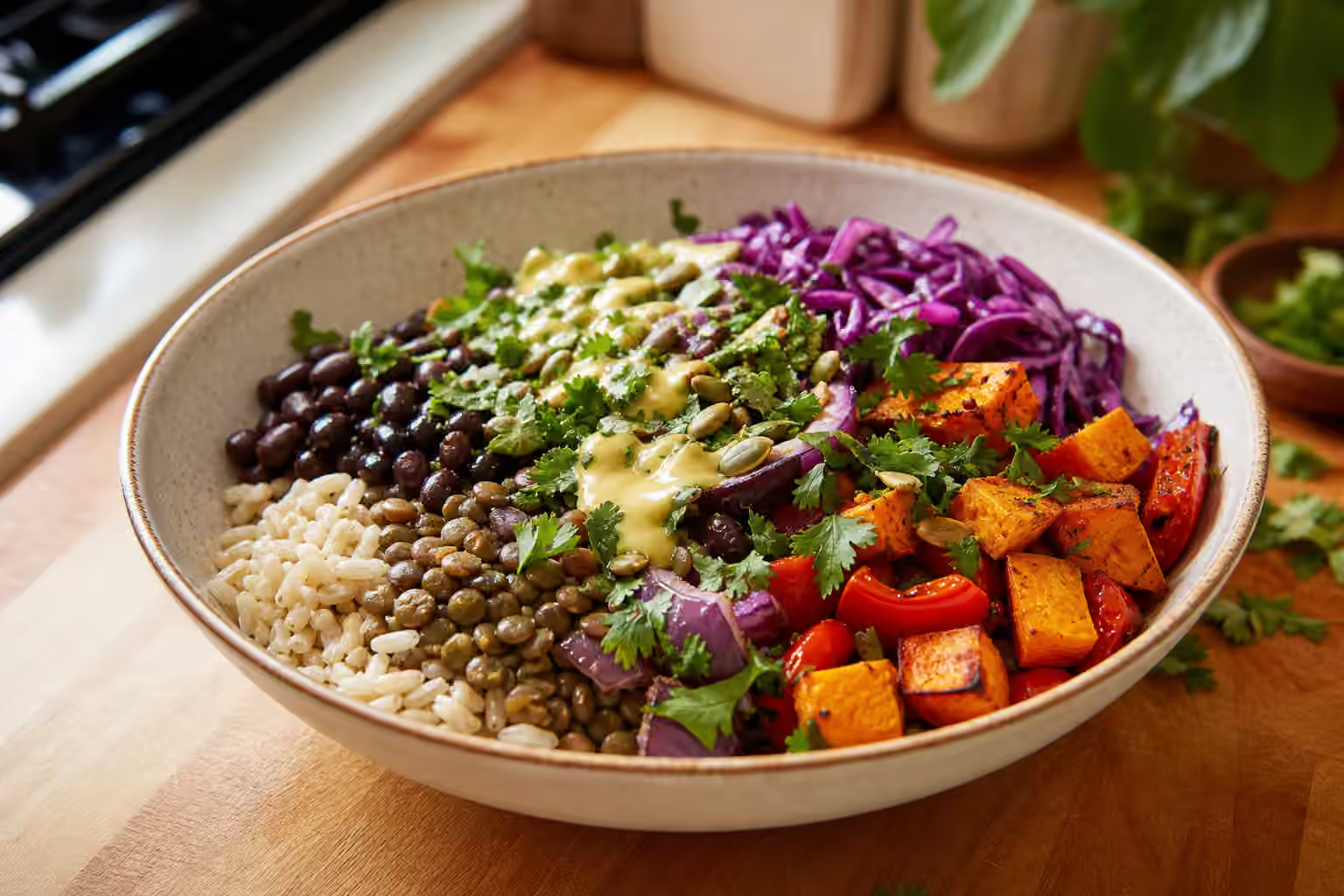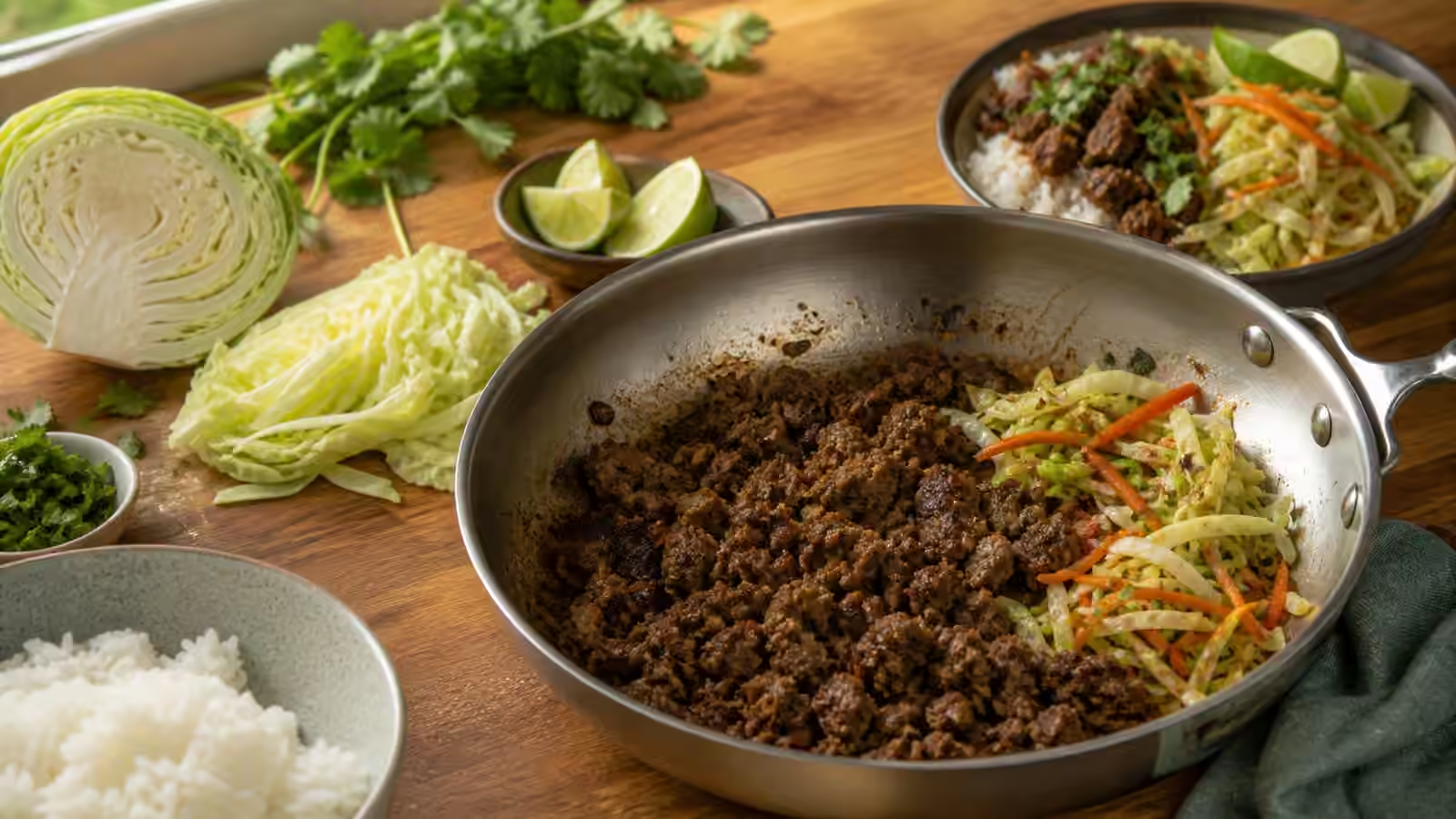
Rice is the default boy kibble base for good reasons, but it is not always the right base for the night. Sometimes rice is not cooked. Sometimes the rice cooker is full. Sometimes the bowl needs to feel lighter, faster, or less repetitive. Quick grains such as couscous, bulgur, and other small fast-cooking bases can fill that gap when they are treated as their own ingredients instead of second-rate rice.
The existing Batch Rice and Grains for Boy Kibble guide focuses on making bases hold up across several meals. This page is narrower. It is about the fast base that appears when dinner needs a quiet platform in minutes: something that can take chicken, beans, tofu, vegetables, sauce, and a fresh finish without requiring a full pot of rice.
Quick Grains Need a Clear Job
Couscous, bulgur, small cracked grains, and tiny pasta-like bases are useful because they hydrate or cook quickly. That speed can save a meal, but it also creates a texture problem. A quick grain can clump, turn soft, drink too much sauce, or disappear under heavy protein. If it is treated exactly like rice, it may disappoint. If it is treated as a lighter, more absorbent base, it becomes useful.
Couscous works best when the bowl has enough sauce, herbs, acid, and vegetables to keep it from feeling dry. Bulgur has more chew and can handle chickpeas, chicken, cucumber, tomato, cabbage, yogurt sauce, lemon, and herbs. Small pasta shapes can work when the bowl leans toward salad, pesto, tomato, or brothy leftovers, though Noodle Boy Kibble is the better guide when noodles are the main event. The quick-grain lane is not about replacing rice forever. It is about adding a base that can solve speed and variety.
The first question is what the base is supposed to do. If the protein is rich, the grain should stay light and the finish should be sharp. If the protein is lean, the sauce may need more body. If the vegetables are watery, the grain should not be buried under them hours before eating. The base is fast, but it still deserves a plan.
Hydrate With Flavor, Then Fluff
Fast grains absorb what they are given. Plain water is fine when the rest of the bowl is assertive, but broth, salted water, a little lemon, a small amount of oil, or a compatible seasoning can make the base feel less like filler. The danger is over-seasoning. A heavily flavored base can trap the whole bowl in one lane and fight future leftovers.
The simplest habit is to salt the liquid enough that the grain does not taste empty, hydrate or cook according to the package style, then fluff it before it cools into a mound. A fork, a little oil, and a few minutes of steam release can make a big difference. Couscous especially needs loosening. If it cools as a dense block, the later bowl will require too much sauce to feel edible.
How to Season Boy Kibble Before the Sauce Goes On applies to the base as much as the protein. A quick grain should have enough flavor to belong, but it should not replace the skillet’s work. Let the chicken, tofu, beans, meatballs, or vegetables carry the main direction. Let the grain support and absorb.
Pair With Proteins That Do Not Crush the Base
Quick grains can sit under many proteins, but they are most pleasant when the protein is not too wet or too heavy. Chicken, turkey, tofu, chickpeas, lentils, eggs, canned fish, shrimp, and prepared grocery proteins can all work. Very rich ground beef or sausage can work too, but the bowl needs acid, cabbage, pickles, or yogurt so the small grains do not become a soft bed under heavy fat.
Chicken and chickpeas are natural partners because they make sense with lemon, herbs, cucumber, yogurt sauce, tahini, tomato, roasted vegetables, and greens. Tofu works when browned first and paired with a stronger sauce, especially soy-ginger, peanut-lime, or chili crisp. Canned fish can work in a cold or room-temperature bowl with cucumber, pickles, herbs, and mustardy or yogurt-based sauce. Eggs can turn quick grains into a breakfast-for-dinner bowl when the base is seasoned and vegetables are present.
This is where Choosing Protein for Boy Kibble helps. The protein decides how much texture the rest of the bowl needs. A soft grain plus soft beans plus soft sauce can become flat. A soft grain plus browned tofu, cucumber, cabbage, and chili sauce has enough contrast to hold attention.
Use Vegetables for Lift
Quick grains like vegetables that bring water, crunch, and brightness. Cucumber, cabbage, carrots, herbs, pickled onions, roasted peppers, tomatoes when they are good, greens, slaw, broccoli, zucchini, cauliflower, corn, peas, and spinach can all fit. The difference is timing. Wet vegetables can make small grains soggy if they sit too long. Fresh vegetables can make the bowl feel alive if added at the end.
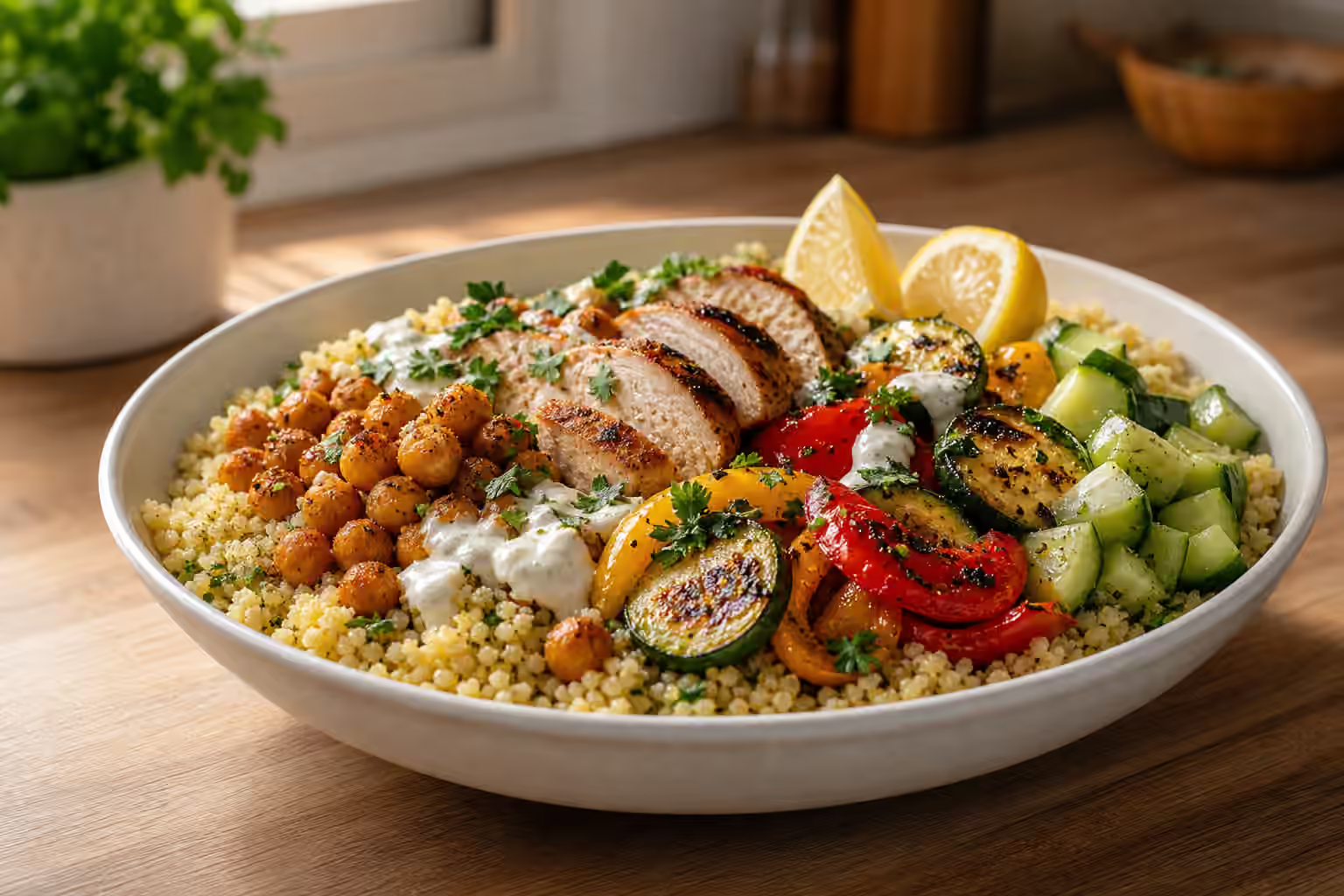
Roasted vegetables are useful because they bring color and cooked flavor without adding too much free liquid. A bowl with couscous, chicken, roasted zucchini, peppers, herbs, and yogurt sauce can feel like a real dinner even if the base took minutes. Frozen vegetables need more care. Cook off their water before folding them in, or keep them as a separate hot layer so the grain does not become damp.
Vegetables for Boy Kibble makes the broader point that vegetables need jobs. In quick-grain bowls, the jobs are often lift and contrast. The grain is small and absorbent. It wants a crisp or juicy finish to keep the bite from becoming dusty or soft.
Store Smaller Batches
Quick grains can meal prep, but they are often better in smaller batches than rice. Couscous can dry out or clump. Bulgur can hold better, but it still absorbs sauce. Small pasta-like bases can become soft if packed wet. If the week needs a sturdy base for many reheated bowls, rice, potatoes, beans, or a heartier grain may be smarter. If the week needs a fast base for two meals and one lunch, quick grains are excellent.
Store the grain lightly dressed or separate from wet sauce. Keep cucumber, tomato, yogurt sauce, salsa, and watery toppings away until serving when possible. If the base dries out, revive it with a small amount of water, broth, sauce, lemon, or oil depending on the bowl. If it becomes too soft, add crunch instead of more liquid. Reheating Boy Kibble is useful because the base’s condition should decide the repair.
Cold lunches can be especially good with quick grains. The grain does not need to be steaming hot to feel normal, and the bowl can lean toward salad without becoming a salad. Couscous with chickpeas, cucumber, herbs, chicken, lemon, and yogurt sauce travels well when the sauce is controlled. Bulgur with turkey, cabbage, salsa, and lime can become a taco-ish lunch. The key is not drowning the base early.
Use Quick Grains When the Rice Habit Breaks
Quick-grain boy kibble is not a new identity for the whole kitchen. It is a backup and variety tool. Use it when rice is not ready, when a lighter bowl sounds better, when chicken and herbs need a base, when chickpeas need somewhere to land, or when dinner has to happen faster than a full pot of rice allows.
The reliable version is simple. Hydrate the grain with enough salt to matter. Fluff it before it clumps. Choose a protein that gives the bowl shape. Add vegetables that bring lift. Keep wet sauce under control. Finish with acid, herbs, crunch, or creaminess. Then the bowl keeps the promise of boy kibble: low friction, practical food, and enough variety that the easy meal does not become the same meal every time.