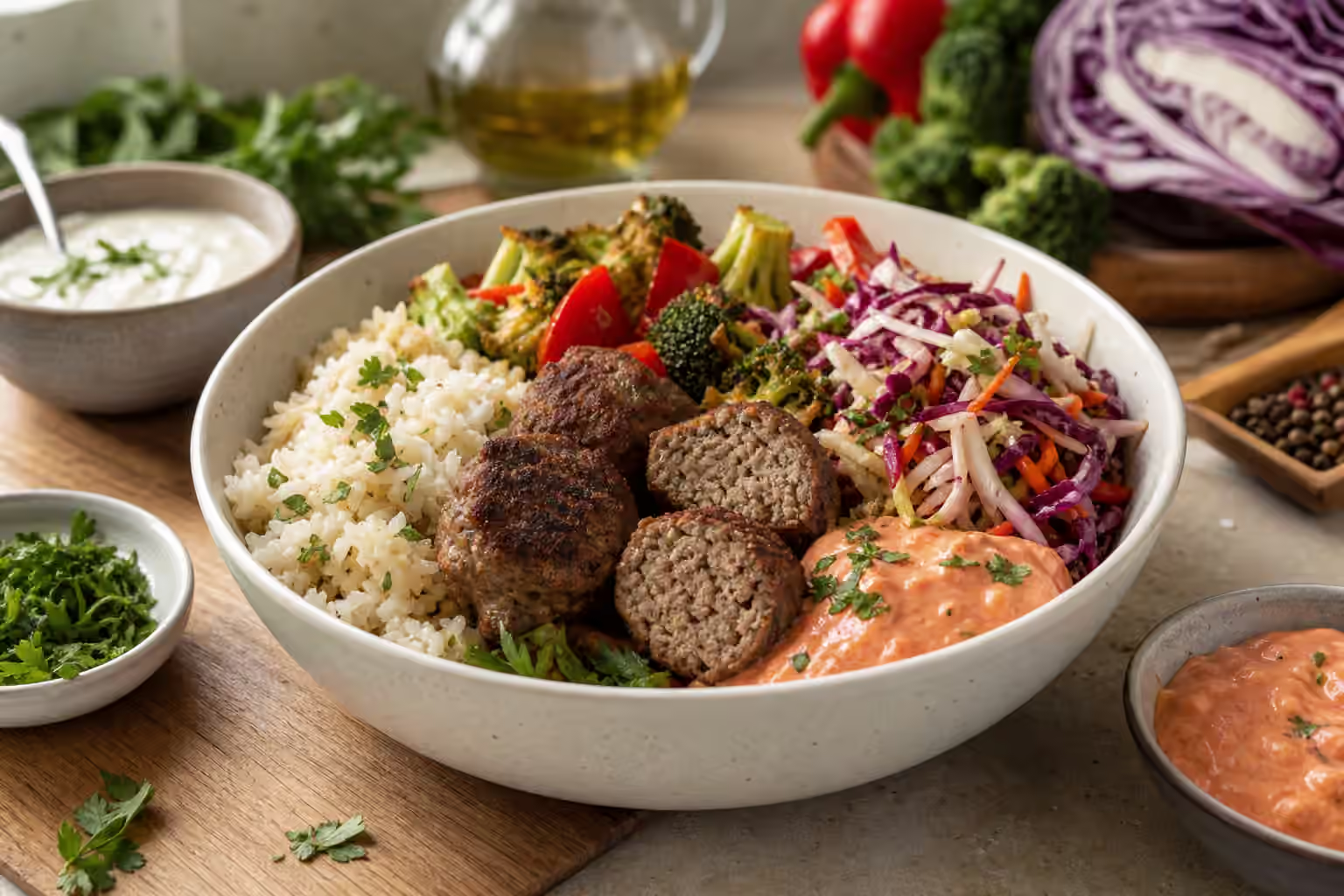
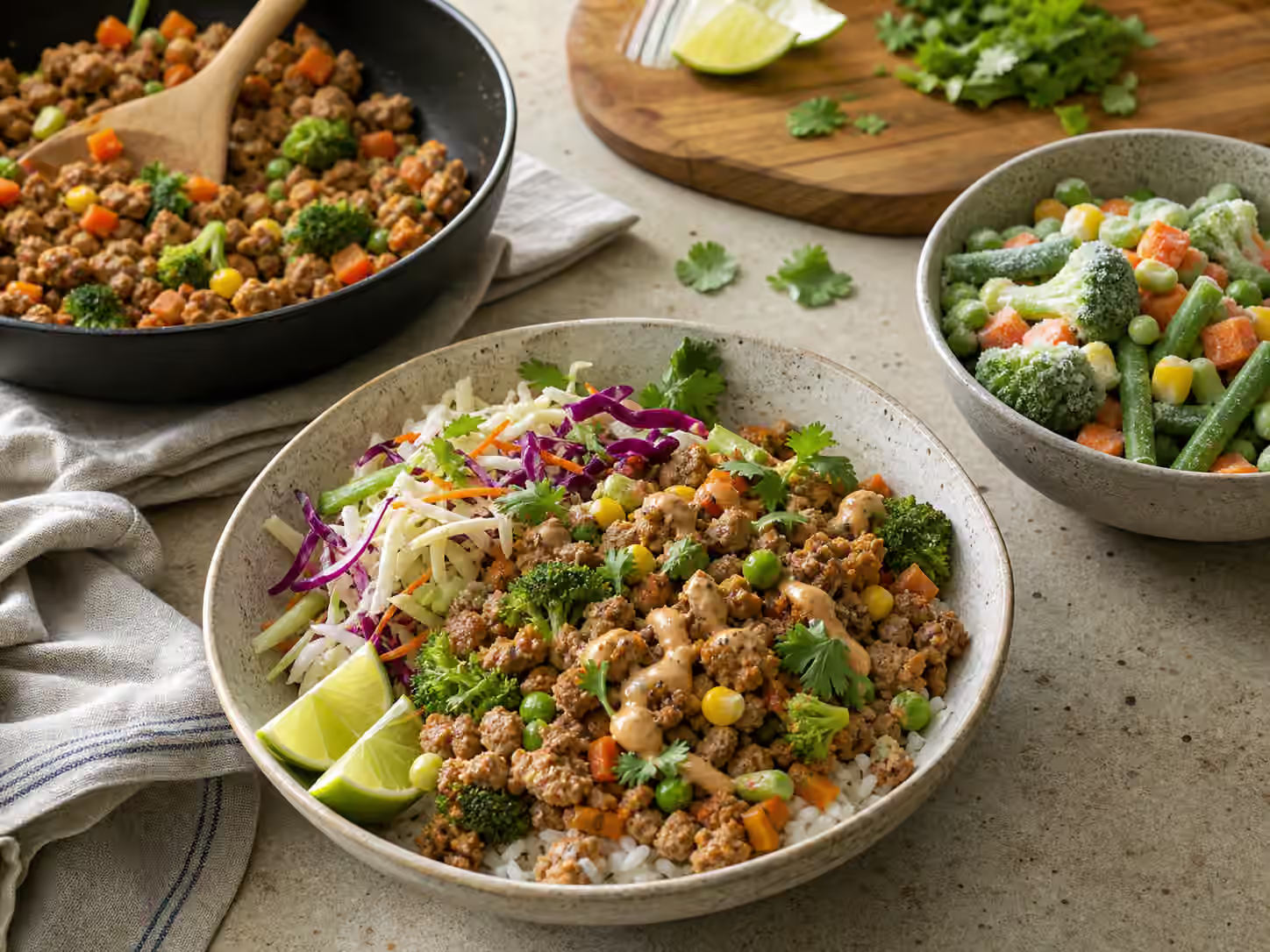
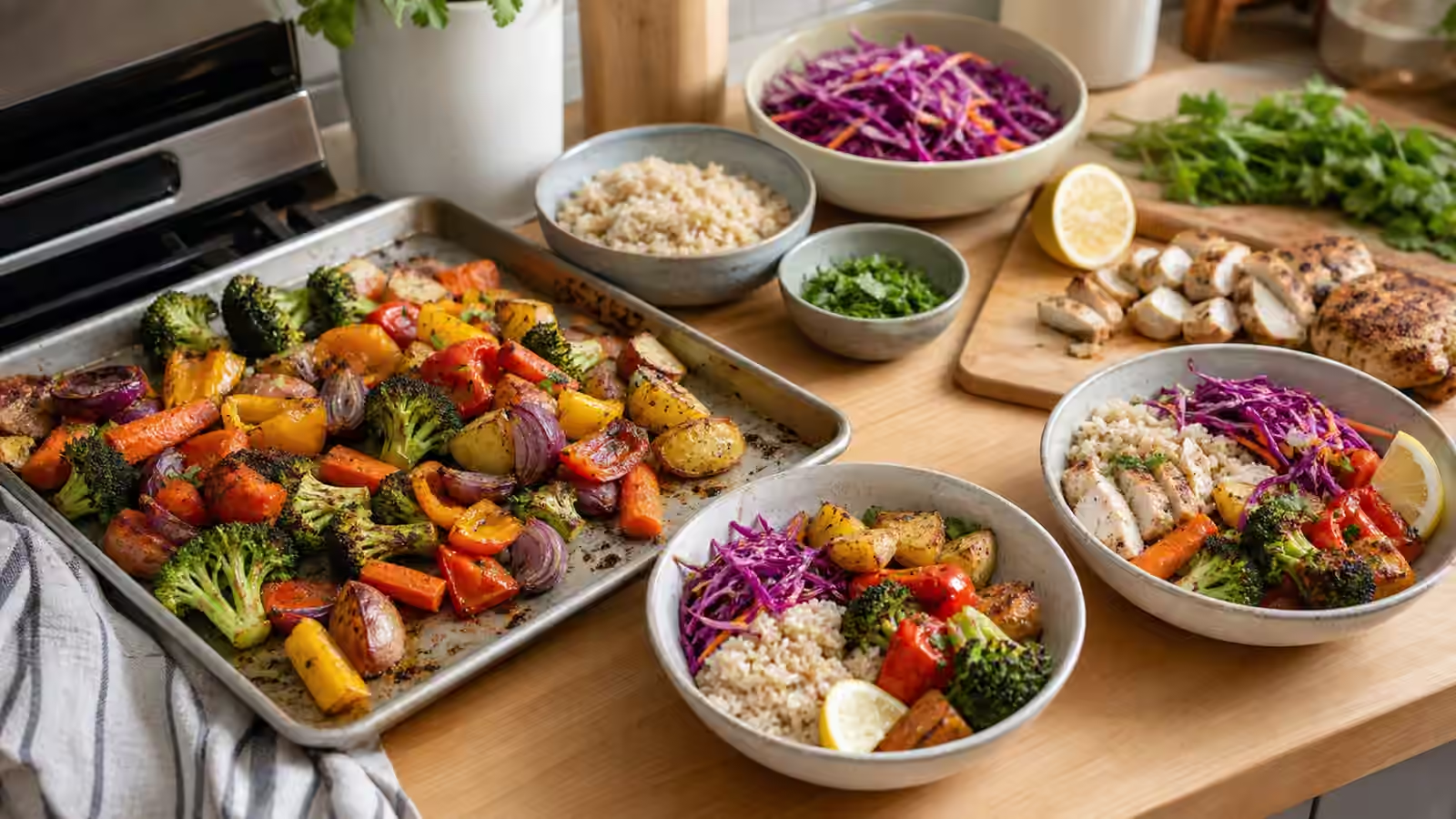
Pressure-cooker boy kibble is for the person who likes the idea of a dependable batch but does not want to spend the evening babysitting a pot. The useful promise is not that the machine makes dinner effortless. It is that it can turn sturdy ingredients into a ready protein or bean base while you handle rice, slaw, sauce, containers, or the rest of the kitchen.
That makes it different from Slow-Cooker Boy Kibble . A slow cooker is patient. A pressure cooker is compact and direct. It is better for the nights when you remembered dinner late, want shredded chicken without a long simmer, or need beans to stop being a theoretical pantry item and become food. The tradeoff is that pressure cooking rewards restraint. If everything goes in together with too much liquid and too little finishing texture, the bowl can come out soft, muted, and strangely hard to rescue.
Use the pressure cooker for the sturdy part
The pressure cooker is best at making the anchor, not the whole finished bowl. Chicken thighs, leaner chicken with enough liquid, turkey, pork shoulder, beans, lentils, chickpeas, and saucy shredded proteins all make sense because they benefit from moist heat and can survive being reheated. Rice can work in some pressure-cooker routines too, but it is often cleaner to let a Rice Cooker Boy Kibble style base cook separately so the protein and starch do not fight for the same texture.
Think of the machine as a batch base tool. It gives you shredded chicken in broth, beans with body, turkey in a tomato or chile direction, or chickpeas that can be crisped later. It should not be expected to provide crunch, freshness, browning, acid, and contrast. Those parts still belong at the end.
That distinction keeps the bowl from tasting like a soft stew poured over rice. A pressure-cooked base can be deeply useful, but it needs a finish. Cabbage, cucumber, herbs, pickles, hot sauce, yogurt sauce, lime, toasted seeds, crushed chips, or crisped leftovers can bring back the edges that moist heat does not create.
Start with enough liquid, but not a soup by accident
Pressure cookers need liquid to work, but boy kibble does not always need a brothy bowl. The common mistake is adding enough liquid for soup, then discovering that the protein is tender but the bowl has no concentration. The rice gets wet. The beans taste vague. The sauce has no job because everything is already swimming.
Use liquid with a purpose. Broth, water with salt, salsa, canned tomatoes, a small amount of soy-based sauce, or bean cooking liquid can all work. The question is what the liquid should become after cooking. If it is meant to coat shredded chicken, reduce it after pressure release or stir the protein back into a smaller amount of the liquid. If it is meant to cook beans, season it enough that the beans taste like food but leave room for a bright finish later. If the bowl is heading toward Brothy Boy Kibble , then more liquid can be intentional. If it is heading toward a standard rice bowl, wetter is not automatically better.
This is also why tasting after cooking matters. A pressure-cooked base can seem seasoned while hot and still taste flat over rice. Salt, acid, and sauce behave differently after the food has cooled. Taste the base before packing it, then decide whether it needs salt, a short reduction, or a sharper finish waiting on the side.
Browning is optional, but it changes the week
Many pressure-cooker meals skip browning because convenience is the point. That is fair. A no-brown batch of chicken or beans can still feed you. But browning gives the week a stronger foundation, especially when the same batch has to become several lunches.
If your cooker has a saute setting and you have the energy, brown meat, onions, mushrooms, tomato paste, or spices before adding liquid. The goal is not restaurant technique. It is a little depth before the lid closes. Ground turkey cooked with tomato paste, garlic, and chile powder before pressure cooking tastes more intentional than turkey boiled directly in sauce. Chicken thighs browned briefly before cooking carry more savory flavor into the rice. Beans started with oil, onion, and spices feel less like a plain staple.
There is also a middle path. Pressure cook the base plainly, then crisp part of it later in a skillet. Shredded chicken can be spread in a pan until the edges brown. Chickpeas can be dried and crisped with oil. Leftover beans can be cooked down until they thicken. This is the pressure-cooker version of Better Boy Kibble Texture : use moist heat for tenderness, then create contrast before eating.
Beans and lentils become more useful when they are ready
The pressure cooker is especially good for the bean side of boy kibble. Dried beans are cheap, sturdy, and filling, but they stop being practical if they require a long planned simmer every time. A pressure cooker makes them more likely to enter the rotation. That matters because Beans and Lentils for Boy Kibble are not only budget ingredients. They add fiber, moisture, chew, and enough substance to make a smaller amount of meat feel like a real meal.
The bowl still needs direction. Black beans with cumin, garlic, and salsa want rice, slaw, lime, and hot sauce. Chickpeas with curry spices want greens, yogurt, cucumber, or potatoes. Lentils with tomato, onion, and a little vinegar can become a warm base for rice, eggs, or roasted vegetables. Plain beans are useful, but seasoned beans get eaten.
Do not pressure cook delicate vegetables into the bean base unless softness is the point. Spinach can be stirred in after cooking. Slaw should wait. Cucumber should stay cold. Frozen vegetables can be reheated with the serving portion instead of surrendered to the whole batch. Beans give the bowl body. Fresh and crisp things keep it from feeling like storage food.
Pack the batch for options
Pressure-cooker food can become repetitive fast if every container is packed as the same finished bowl. The better move is to store the anchor separately when possible. Keep shredded chicken or beans in one container, rice or potatoes in another, and fresh finishes apart. That gives you exits. One serving can become a rice bowl with salsa. Another can become a tortilla meal with slaw. Another can become a brothy bowl. Another can be crisped in a pan and served over greens.
This is where pressure-cooker boy kibble connects with How to Meal Prep Boy Kibble Without Hating It by Wednesday . Meal prep works better when the batch has enough flavor to stand alone but not so much personality that every meal is locked into the same sauce. A chicken base with salt, garlic, pepper, and a little broth can go several directions. A chicken base drowned in one sweet sauce has fewer exits.
Storage also affects texture. Let the batch cool before sealing it tightly. Avoid trapping fresh slaw or crunchy toppings with hot food. Keep extra liquid with the protein if dryness is a risk, but do not flood rice in advance unless that is the meal you want. A little separation on prep day can make the next three meals feel less resigned.
Finish like a bowl, not like a pot meal
The final bowl should still follow the boy kibble logic: protein, starch, plant, sauce, and finish. Pressure cooking only changes how the anchor gets made. It does not remove the need for contrast.
For shredded chicken, add rice, beans or vegetables, cabbage, lime, and a sauce that brings either creaminess or heat. For pressure-cooked beans, add potatoes, rice, eggs, tofu, greens, salsa, yogurt, or pickles. For turkey in tomato or chile sauce, add something cold and crisp so the bowl does not feel heavy. For chickpeas, add cucumber, herbs, lemon, and a creamy sauce. The exact direction can change, but the finishing principle stays the same.
The easiest pressure-cooker mistake is treating tenderness as completion. Tender is only one quality. A good bowl also needs brightness, texture, and enough separation that the last bites do not feel like paste. Pressure-cooker boy kibble works when the machine handles the patient part and you save one minute for the human part: crisp, cold, sharp, creamy, or fresh. That is the difference between a useful batch and a sealed container of soft food you keep postponing.