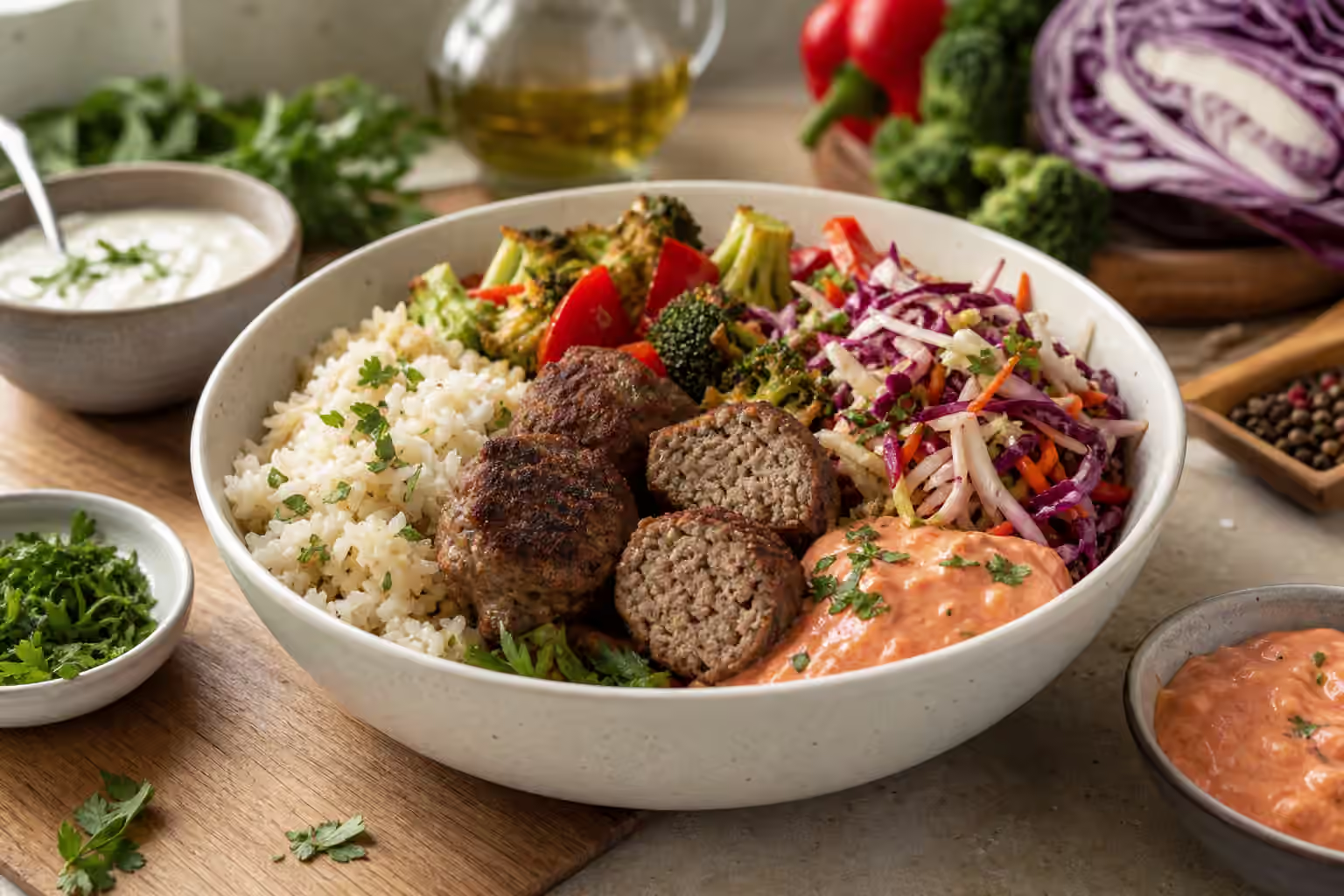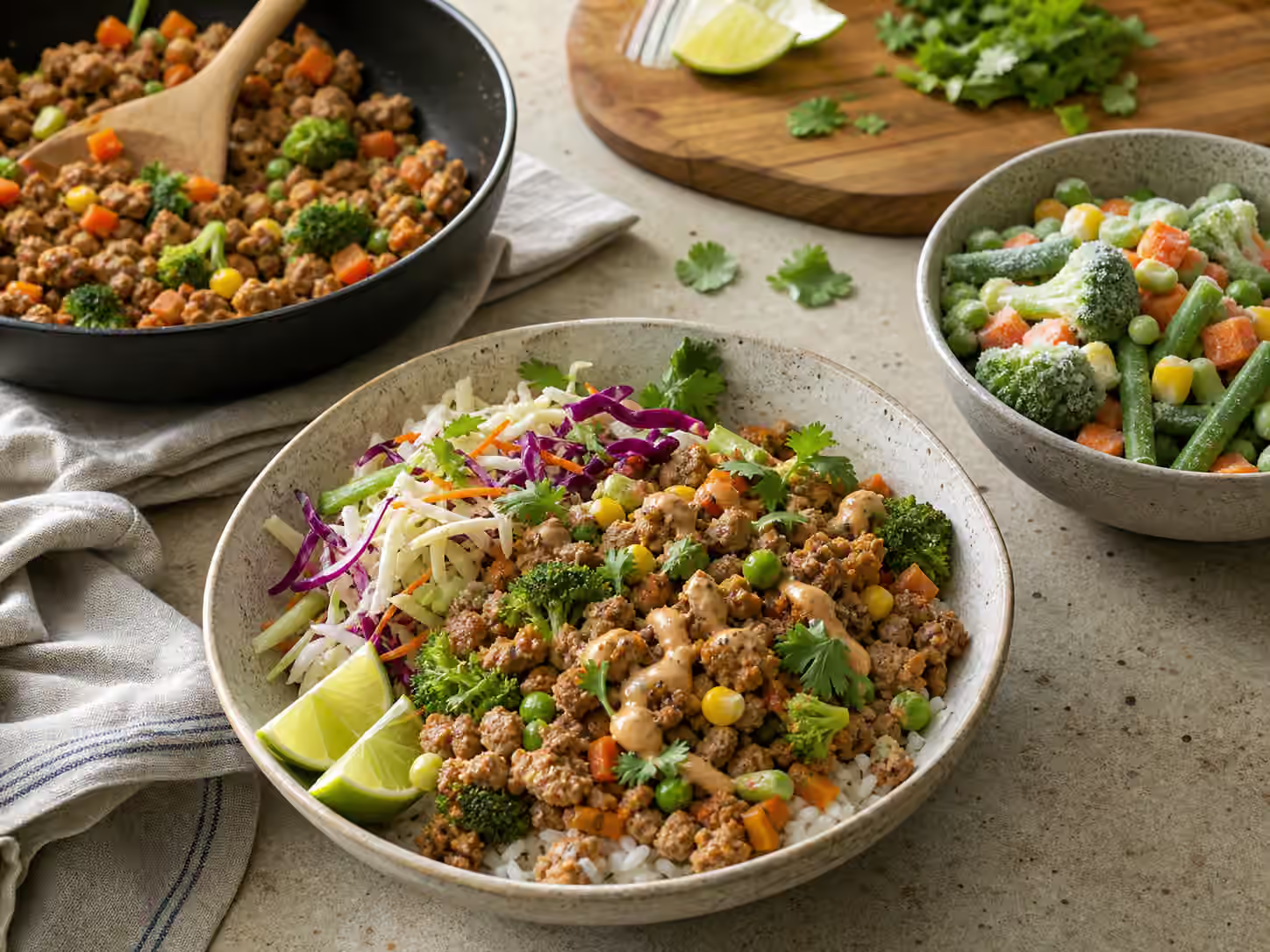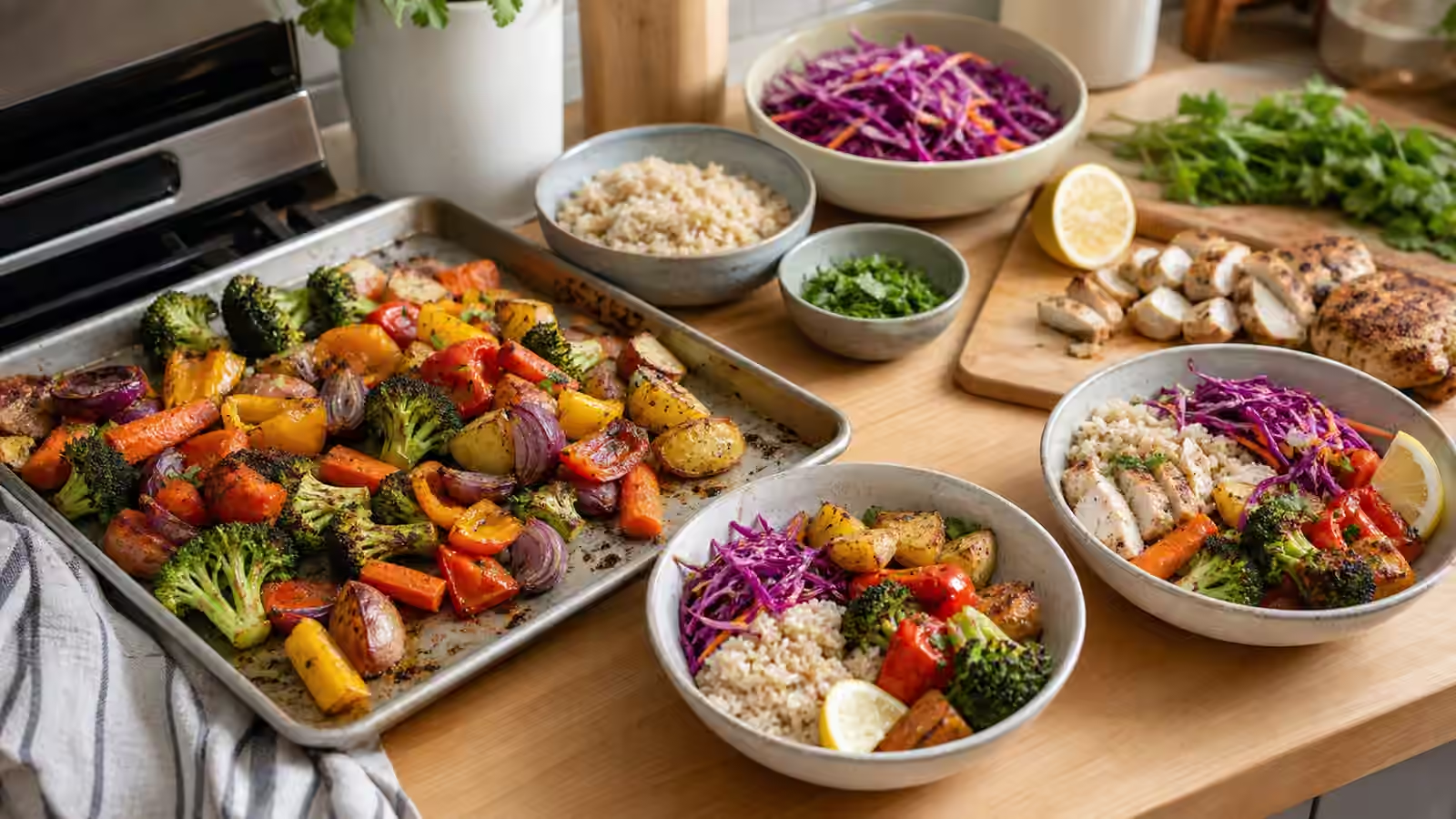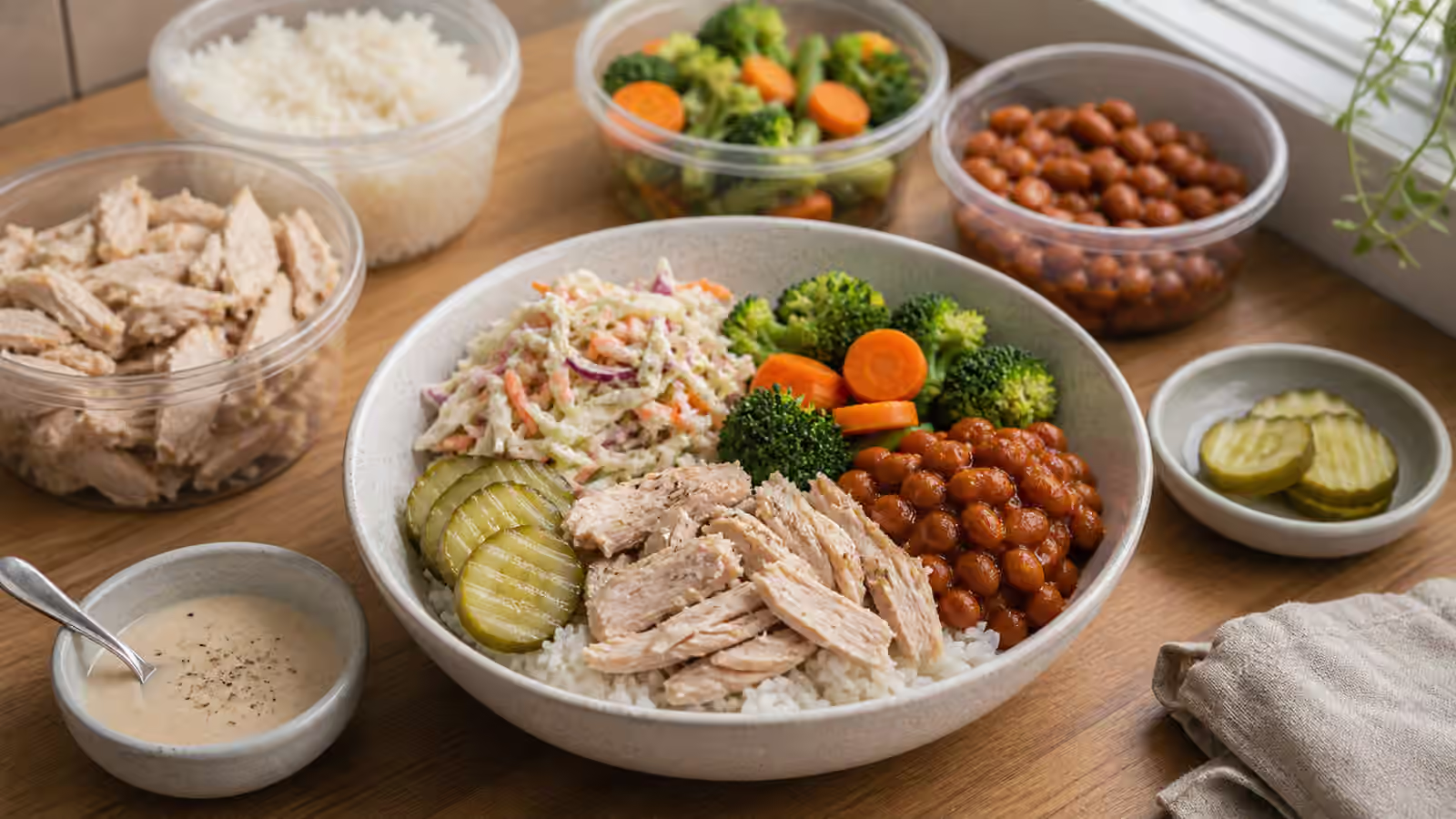
Prepared-grocery boy kibble is for the nights when cooking from raw ingredients is technically possible and still not going to happen. The useful question is not whether microwave rice, cooked chicken, bagged slaw, steam-bag vegetables, canned beans, and ready sauce are pure enough. The useful question is whether they can become a real meal before takeout becomes the default.
This lane sits between No-Cook and Low-Cook Boy Kibble and a full meal prep session. It is not an emergency pantry bowl, though it can use pantry ingredients. It is not a restaurant copycat. It is a grocery-store assembly strategy that keeps the boy kibble formula intact: protein, base, plant, sauce, and one finish that makes the bowl feel chosen.
Buy Components That Have Jobs
The prepared-food trap is buying a handful of convenient items that do not actually connect. A cooked chicken, a random dip, a salad kit, a tray of roasted vegetables, and a grain pouch might all be useful, but only if they have a shared direction. Otherwise the refrigerator fills with expensive half-solutions. What to Buy for Boy Kibble is built around overlap, and that idea matters even more when some of the work has already been done for you.
Start with the job each component performs. The protein can be rotisserie-style chicken, cooked turkey, tofu, hard-boiled eggs, canned chicken, canned fish, beans, or lentils. The base can be microwave rice, cooked grains, potatoes, tortillas, noodles, or greens. The plant can be steam-bag vegetables, slaw, salad kit greens, cucumber, pickles, frozen vegetables, or roasted vegetables from a prepared case. The sauce can be salsa, yogurt sauce, hot sauce, pesto, barbecue sauce, tahini, hummus thinned with lemon, or a dressing from a salad kit used with restraint.
This job-based thinking prevents the meal from becoming a snack plate on rice. If the bowl already has a creamy sauce, it may need pickles or cabbage more than another rich item. If the protein is salty, the base and vegetables should calm it down. If the prepared vegetable is soft, add a crisp finish. Convenience is helpful only when the pieces still make sense together.
Treat Cooked Protein as Fragile
Prepared protein is already cooked, which means the main danger is not undercooking. It is drying, shredding, or reheating it until it tastes like storage. Rotisserie-style chicken is the classic example. Rotisserie Chicken Boy Kibble covers that specific ingredient, but the same rule applies to many prepared proteins: warm gently, sauce late, and add texture somewhere else.
Sliced chicken can be folded into hot rice with sauce rather than blasted in a dry pan. Cooked turkey can be revived with broth, salsa, yogurt sauce, or a little oil and acid. Hard-boiled eggs are better sliced onto a bowl than microwaved until rubbery. Canned chicken works best when drained, seasoned, and supported with crunch, as explained in Canned Chicken Boy Kibble . Beans need seasoning and perhaps warmth, not punishment.
Prepared protein can also be stretched. A small amount of cooked chicken plus beans and slaw can make a better bowl than a huge pile of chicken over plain rice. The bean-and-protein combination gives sauce more places to land and keeps the meal from depending on one expensive component. That is the difference between using shortcuts and simply buying more.
Use Microwave Rice Without Apologizing for It
Microwave rice is one of the most useful prepared-grocery items because it solves the base problem quickly. It is not always the cheapest base, and it is not necessary when a rice cooker batch is available, but it can keep dinner from disappearing on low-energy nights. The quality improves when it is treated as a base, not the whole meal.
Break up clumps before heating. Add a spoonful of water if the rice seems dry. Once hot, give it a direction. Soy-ginger sauce, salsa, pesto, barbecue sauce, yogurt and lemon, or tomato-chili flavors can all work. The rice should carry protein and vegetables, not sit alone under a heavy topping. Microwave Boy Kibble is useful if the microwave is the main appliance, but prepared-grocery bowls often use the microwave as one quiet step among several.
Cooked grains and lentil pouches can also work, though they may bring stronger flavors or textures. Potatoes from a prepared section can be useful if they are not already drowning in oil. Tortillas can rescue an assembly plan when the bowl format feels wrong. The base should make the shortcut meal easier to eat, not turn it into a pile of warm convenience items.
Make Bagged Vegetables Feel Intentional
Bagged slaw, salad kits, steam-bag vegetables, frozen vegetables, and prepared roasted vegetables all have a place. The trick is knowing what each one is good at. Slaw brings crunch and survives longer than delicate greens. Salad kits bring fast freshness but can become overdressed. Steam-bag vegetables bring color and warmth but may need salt, acid, and a better finish. Prepared roasted vegetables bring depth but can be oily or soft.
Salad-Kit Boy Kibble gives one version of this idea. In prepared-grocery bowls, the larger rule is to avoid letting every vegetable be soft or every vegetable be cold. Warm rice, warm protein, and warm steamed vegetables can be practical but dull. Cold slaw, cucumber, pickles, herbs, or scallions can bring the meal back. A cold salad kit over hot rice can work if the greens are sturdy and the dressing is used carefully.
Steam-bag vegetables are often better when they are not asked to be exciting alone. Toss them with salt, pepper, garlic, lemon, hot sauce, or a spoon of the main sauce. Add them beside the protein rather than hiding them underneath everything. If they are watery, drain them before they hit the bowl. Prepared vegetables save time, but they still need seasoning.
Control the Cost of Convenience
Prepared-grocery bowls can drift toward expensive without feeling luxurious. That usually happens when every component is bought fully prepared and none of them stretch. The fix is not guilt. It is choosing one or two shortcuts that solve the real barrier and keeping the rest simple. If cooked chicken is the shortcut, rice and slaw can stay basic. If microwave rice is the shortcut, beans and frozen vegetables can do more work. If a salad kit is the shortcut, the protein can be leftovers.
The budget logic from Budget Boy Kibble still applies. Use beans, rice, eggs, cabbage, frozen vegetables, potatoes, and pantry sauces to keep prepared items from carrying the entire meal. A rotisserie-style chicken can become several meals if it is paired with beans, rice, tortillas, slaw, and soupier leftovers. A prepared sauce can last longer if it is loosened with yogurt, lemon, water, or broth instead of poured heavily onto every bowl.
Convenience is most valuable when it prevents a more expensive default. A prepared-grocery bowl that costs more than a from-scratch bowl can still be a practical win if it replaces delivery, waste, or a night of grazing. The goal is to use shortcuts deliberately enough that they remain tools rather than habits that quietly take over the grocery bill.
Assemble Like You Mean It
The final bowl should still have contrast. Warm base. Protein with some seasoning or sauce. One plant with body. One fresh or sharp finish. Enough sauce to connect the parts. That is the same boy kibble formula, only with more of the work outsourced to the store.
For a fast bowl, microwave rice, warm beans, fold in sliced chicken, add slaw, pickles, and a spoon of sauce. For a greener bowl, use rice or pasta, prepared chicken or white beans, steam-bag broccoli, pesto, lemon, and seeds. For a taco-ish bowl, use rice, black beans, cooked chicken, slaw, salsa, lime, and a little yogurt. For a barbecue-style bowl, use rice or potatoes, beans, chicken, cabbage, pickles, and a smoky sauce. These are not recipes as much as proof that the components can be aimed.
Prepared-grocery boy kibble fills the gap between a full cooking plan and giving up on dinner. It respects the reality that some nights need store help. Buy components with jobs, warm cooked protein gently, use microwave rice when it solves the base, season bagged vegetables, watch the cost, and finish the bowl with something fresh or sharp. Shortcuts can still eat like dinner when the bowl has structure.