Potatoes are the easiest way to make boy kibble stop feeling like another bowl of rice without abandoning the whole system. The formula stays familiar: a sturdy base, a savory anchor, a plant, a sauce, and a finish. The eating experience changes. A potato bowl feels more like dinner, especially when the edges are browned, the protein is seasoned hard enough to matter, and the fresh parts cut through the weight.
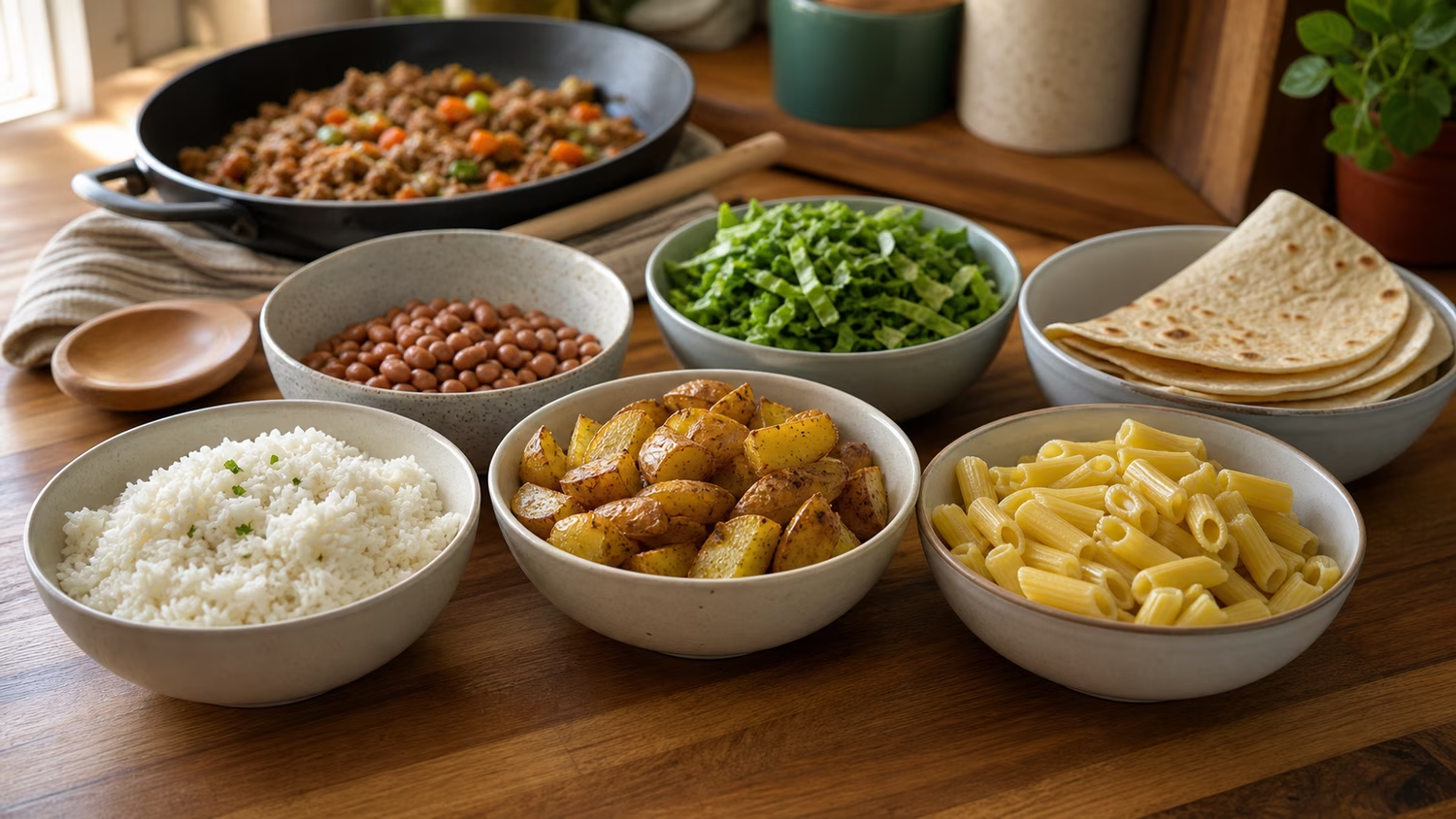
That is why potatoes deserve their own lane, not just a passing mention in Boy Kibble Bases . Rice is neutral. Noodles pull the meal toward sauce. Beans bring density and fiber. Potatoes bring chew, browned starch, and a sense that the meal was cooked on purpose. They also punish sloppy planning. A great roasted potato at dinner can become a damp cube by lunch if it is sealed hot, buried under sauce, and reheated like it still has a crisp shell. Potato boy kibble works best when you accept what potatoes can and cannot hold onto.
Potatoes Change the Center of Gravity
A rice bowl can hide a lot because rice spreads flavor evenly. Potatoes are more assertive. They arrive in pieces, not grains, so the bowl has bigger bites and more contrast between the inside and outside of the starch. That makes them satisfying, but it also means bland potatoes are more obvious than bland rice. If the potato itself has no salt, no browning, and no reason to be there, the bowl starts feeling like leftovers from a side dish.
The useful move is to season potatoes as part of the meal rather than treating them as a blank platform. Salt should reach the potato before the sauce does. A little oil helps browning and carries spices. Garlic powder, smoked paprika, chili powder, black pepper, curry powder, mustard powder, or dried herbs can work, but the seasoning should point in the same direction as the finished bowl. A taco-ish turkey bowl wants potatoes that can sit with cumin, salsa, cabbage, and lime. A burger-ish beef bowl wants potatoes that make sense with pickles, lettuce, mustardy sauce, and onion. A breakfast-leaning bowl wants potatoes that can hold eggs, greens, hot sauce, and scallions without tasting like dinner wandered into morning by accident.
This is the same discipline behind How to Season Boy Kibble Before the Sauce Goes On . The sauce can finish the bowl, but it should not be asked to rescue every component. Potatoes are too big for that. They need direction early.
Cut Size Matters More Than the Recipe
Most potato problems begin with a bad cut for the method. Large wedges can be excellent on a plate, but they are awkward in a bowl because they need cutting, push smaller ingredients aside, and create dry bites if the sauce cannot reach them. Tiny dice cook quickly but can become leathery if roasted too long or mushy if reheated under a lid. The sweet spot for most boy kibble bowls is a bite-size cube or rough chunk that can brown on the outside, stay creamy inside, and fit on a fork with protein and vegetables.
The cut should also match the week. If the potatoes are for a fresh dinner, larger chunks can be pleasant because texture is still strong. If they are for packed lunches, smaller pieces are easier to reheat and stir through sauce. If they are going into a skillet with ground meat, beans, or eggs, a smaller cut lets the potato join the meal instead of sitting underneath it like a separate layer.
Skin is a judgment call, not a rule. Thin-skinned potatoes can keep their skins and gain flavor, texture, and a little structure. Thick or tough skins may be better peeled if they make the bowl feel ragged. The practical question is whether the skin improves the bite you are actually eating. If it does, keep it. If it turns every forkful into work, remove it and move on.
Roasting Is the Best Default When You Have Time
Roasting gives potatoes their strongest case for replacing rice. The dry heat creates browned edges, and those edges make a simple bowl feel less like a container of components. A sheet pan of potatoes can support beef, turkey, chicken, tofu, beans, eggs, broccoli, cabbage, peppers, slaw, or greens without needing a complicated recipe around it.
The main mistake is crowding. Potatoes need enough surface contact and enough space for steam to escape. When the pan is packed too tightly, the potatoes soften before they brown, and the bowl loses the reason you chose them. This is where the logic from One-Pan Boy Kibble helps. Low cleanup matters, but forcing everything onto one pan can make the food worse. If potatoes are the base, give them enough room to become a real base.
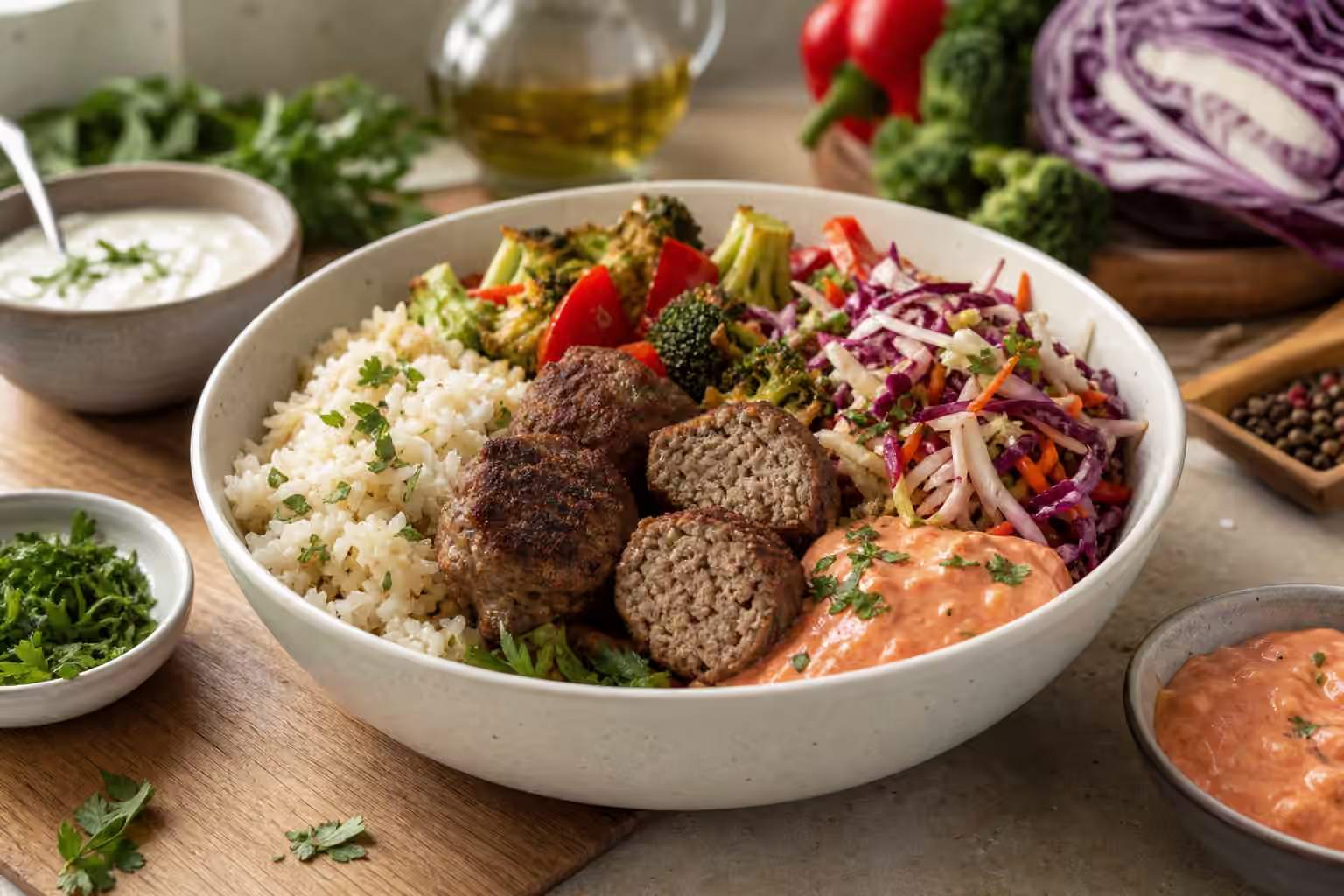
Roasted potatoes also need a finish. A hot bowl of potatoes, browned meat, and roasted broccoli can taste heavy even when each part is cooked well. Slaw, pickles, herbs, scallions, cucumber, lime, salsa, yogurt sauce, hot sauce, or a sharper vinaigrette keeps the meal moving. The fresh piece is not garnish. It is the thing that lets the potatoes stay satisfying instead of turning into a brick.
Skillet Potatoes Are Better for Smaller Batches
Skillet potatoes are useful when you want one or two bowls, not a whole sheet pan. They work especially well with leftovers because cold cooked potatoes can be revived with direct contact in a hot pan. The goal is not to recreate perfect fries. The goal is to get some edges back, warm the centers, and give the bowl enough browned flavor that it feels newly cooked.
Raw potatoes can cook in a skillet too, but they ask for patience. Starting with small pieces helps. Covering the pan briefly can steam the centers, then uncovering lets the surfaces dry and brown. If protein is also going in the skillet, sequence matters. Browning ground meat first leaves flavorful fat behind for the potatoes, but if the potatoes are raw, they may need a head start or a separate pass. Fully cooked leftover potatoes can join near the end and pick up flavor from the pan without slowing everything down.
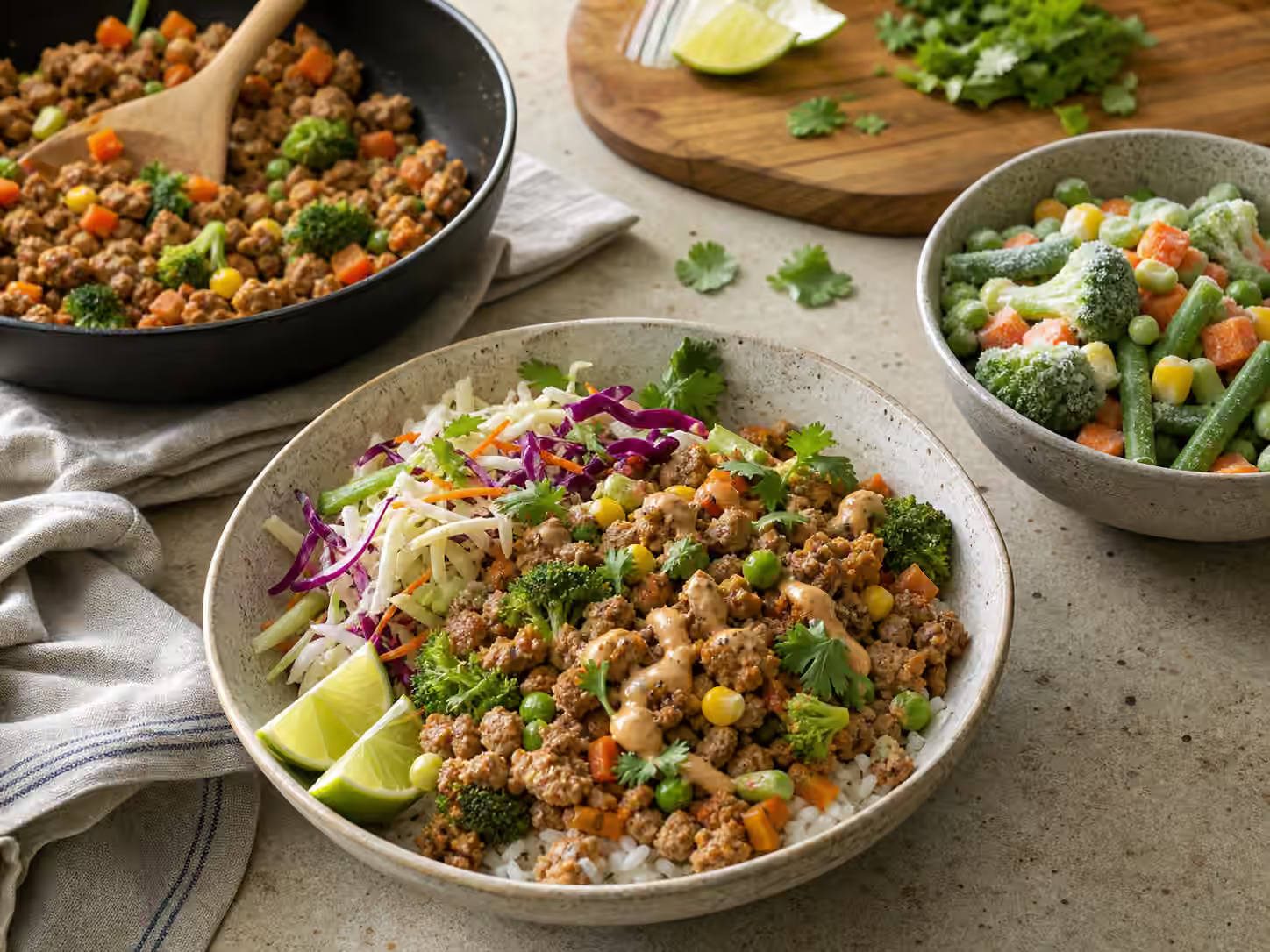
This is where potato boy kibble can become very efficient. Leftover roasted potatoes, a handful of cooked turkey, a few greens, and a fresh egg can become a serious meal quickly. Beans and potatoes can share a pan with chili powder and salsa. Tofu crumbles and potatoes can move toward soy, ginger, cabbage, and chili crisp. The skillet gives you control over moisture, which is the thing microwaves and sealed containers often take away.
Microwave Potatoes Are Honest, Not Inferior
The microwave will not crisp potatoes. That does not make it useless. A microwaved potato can be a dependable base when the alternative is skipping dinner or pretending you have the energy for a sheet pan. The trick is to use the microwave for what it does well: cooking the inside quickly, reheating already cooked pieces, and making a warm base that can accept strong toppings.
A whole microwave potato can become boy kibble if you stop treating it like a sad side. Split it open, season it, rough it up so sauce can enter, then add protein, vegetables, and a finish. Ground beef and pickles can go burger-ish. Beans, salsa, cabbage, and yogurt can go taco-ish. Tuna, lemon, herbs, cucumber, and hot sauce can go bright and practical. Leftover chicken with broccoli, scallions, and a creamy sauce can become dinner in minutes.
For office or dorm-style meals, the microwave logic overlaps with Microwave Boy Kibble . Keep expectations accurate. The microwave handles warmth. The cold finish handles life. If the hot layer is soft potato and soft protein, add cabbage, pickles, cucumber, scallions, crushed chips, or another crisp element after heating. Without that contrast, the bowl may be filling but dull.
Sweet Potatoes Need Stronger Boundaries
Sweet potatoes can be excellent in boy kibble, but they are less neutral than white or yellow potatoes. Their sweetness can balance heat and salt, especially with black beans, turkey, chili, yogurt, lime, curry-ish spices, or spicy sauces. The same sweetness can make a bowl taste confused if the rest of the ingredients are also sweet, soft, or mild.
The simplest rule is to give sweet potatoes a counterweight. Use acid, heat, salt, bitterness, or freshness. Lime, pickled onions, hot sauce, cabbage, yogurt, tahini, herbs, greens, charred broccoli, or well-seasoned beans can keep the bowl grounded. A sweet potato bowl with plain chicken and a sweet sauce may feel flat even if nothing is technically wrong. A sweet potato bowl with turkey, cumin, cabbage, hot sauce, and yogurt has a clearer reason to exist.
Sweet potatoes also soften more readily, so meal prep should lean into that. They are good as tender chunks, mashed bases, or thick wedges that become creamy under beans and sauce. They are less successful when you promise yourself they will stay crisp for four days. They will not. Build the bowl around what they become.
Pair the Protein to the Weight of the Base
Potatoes make a bowl feel substantial, so the protein should either match that comfort or cut through it. Ground beef is the obvious comfort pairing because browned fat and potatoes understand each other. Lean ground turkey or chicken can work just as well when the seasoning is assertive and the sauce has enough moisture, which is why Ground Turkey and Chicken Boy Kibble naturally points toward potatoes for some meals. Eggs make potatoes feel breakfast-adjacent, but they can also be dinner when greens and hot sauce are involved. Beans and lentils make potato bowls cheaper, denser, and often more filling than rice bowls with the same amount of meat.
Tofu needs surface texture or bold sauce so it does not disappear beside the potato. Canned fish and leftover salmon can work with potatoes when the bowl has lemon, herbs, pickles, slaw, or yogurt sauce, but they usually want a lighter hand than beef or turkey. The potato is already heavy. The protein does not always need to be.
The best potato bowls have enough protein to anchor the meal but not so much that the bowl becomes brown on brown on brown. Vegetables for Boy Kibble matters here because potatoes often need freshness more than extra richness. Broccoli, cabbage, peppers, spinach, cucumbers, pickles, slaw, herbs, and greens all solve different problems. Some add bulk. Some add snap. Some add sharpness. Potato bowls usually need at least one of those jobs filled.
Store for the Reheat You Will Actually Use
Potatoes lose crispness in storage. That is not a failure; it is physics plus a lid. The mistake is building a meal-prep plan around imaginary crispness. If you know the potatoes will be microwaved at lunch, store them as seasoned cooked potatoes that will become soft and savory, then add fresh contrast after heating. If you know you can use a skillet or air fryer, leave them drier, keep sauce separate, and give them room to re-crisp.
Cooling matters too. Hot potatoes sealed into a container throw steam back onto themselves. Let them stop steaming before packing when you can. Keep watery sauces away until serving. Store slaw, herbs, and pickles separately if the bowl needs crunch. If the potatoes are going into freezer meals, expect softness and use them with saucy proteins, beans, or stewed vegetables rather than pretending they will return as roasted edges.
The Air-Fryer Boy Kibble approach is useful for leftovers because dry heat can bring back some surface texture. It will not make old potatoes identical to fresh ones, but it can make them feel intentional again. A skillet can do the same with more attention. The microwave is fastest, and it is enough when the finish is doing real work.
The Bowl Still Needs a Finish
Potato boy kibble fails when it stops at hot and filling. Hot and filling are useful, but they are not the whole meal. The final spoonful of sauce, the cold cabbage, the pickled onion, the scallion, the cucumber, the yogurt, the hot sauce, or the crushed crunchy thing is what keeps the bowl from becoming heavy halfway through. Sauces and Toppings That Save Boy Kibble from Sadness is especially important with potatoes because potatoes absorb and mute flavor. They need more brightness than rice does.
That does not mean every bowl needs ten toppings. It means the finish should answer the base. If the potatoes are crispy and salty, a creamy or acidic sauce may be enough. If the potatoes are soft from storage, add crunch. If the protein is rich, add sharpness. If the bowl tastes flat, add acid before adding more salt. If it tastes dry, add a sauce with body instead of flooding it with thin liquid that sinks to the bottom.
Potatoes are not a special project. They are just a strong base with a few firm opinions. Treat them well, season them early, store them honestly, and finish the bowl with enough freshness to balance their weight. Then the same boy kibble logic that makes rice bowls useful can also make potato bowls feel like the dinner you meant to eat.