Portioning is where boy kibble quietly succeeds or fails. The ingredients can all be sensible, the sauce can be good, and the container can be clean, but a bowl that is mostly rice with a little meat on top may feel thin an hour later. A bowl that is mostly meat and sauce may feel heavy before it feels satisfying. A bowl packed to the lid may look efficient on Sunday and feel like a chore by Wednesday.
The answer is not to turn dinner into arithmetic. The useful version of portioning is visual, practical, and adjustable. It asks what the bowl needs to do. Is it lunch before a long afternoon, dinner after training, a small late meal, a packed container, or a recovery meal made from leftovers? The same formula from Boy Kibble Quickstart can handle all of those, but the amounts should not be identical every time.
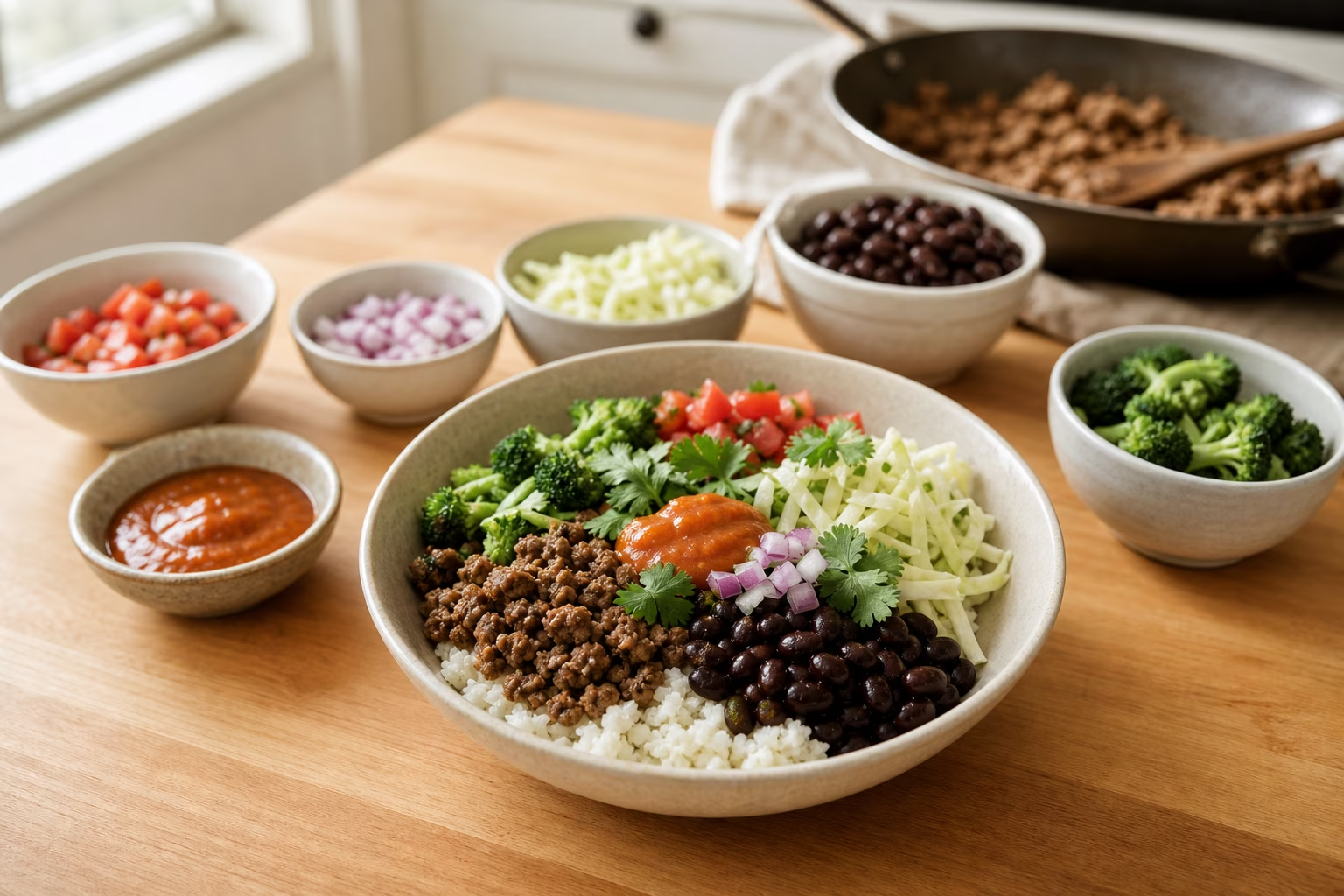
The classic boy kibble image is meat over rice. That is a starting point, not a finished system. A better bowl has a base that carries the meal, a protein that anchors it, a plant component that changes the size and freshness, enough sauce to tie the bites together, and a finish that keeps the bowl from becoming one soft pile. Portioning is how those parts stop competing with each other.
Start With the Kind of Bowl You Are Actually Making
The first question is not how much rice or meat goes into the bowl. The first question is what role the bowl is playing. A lunch bowl often needs to be filling without making the afternoon feel slow. A dinner bowl can usually be warmer, richer, and a little more relaxed. A packed lunch has to fit the container and survive reheating. A freezer bowl needs enough moisture and structure to come back after thawing. A late-night bowl may need to be smaller, cleaner, and less saucy because the goal is food, not a second dinner pretending to be a snack.
This sounds obvious, but many bad bowls come from copying one portion into every situation. A huge dinner-style bowl packed for lunch can make the workday worse. A tiny lunch-style bowl after a long day can send you back to the kitchen looking for more. The ingredients did not fail. The use case was wrong.
If you already use How to Meal Prep Boy Kibble Without Hating It by Wednesday , portioning is the quiet companion habit. Meal prep decides what is available. Portioning decides whether each container feels like a meal you want to open.
Let the Base Carry, Not Bury
Rice, potatoes, noodles, beans, greens, and tortillas all behave differently, which is why Boy Kibble Bases matters. The base is supposed to carry flavor and make the meal satisfying. It is not supposed to bury everything else. When the base takes over, the bowl starts tasting like cheap volume rather than dinner.
Rice is the easiest place to overdo it because it looks harmless and stretches the batch. A large scoop of rice can be useful when the protein is strongly seasoned, the sauce is bright, and there are vegetables to break up the texture. The same large scoop can make a lean turkey bowl taste dry and dull if nothing else has enough force. Potatoes feel more substantial, so they often need less volume than rice to make the bowl feel like dinner. Beans can count as both base and protein support, which means a bean-heavy bowl may need less rice but more acid, crunch, and freshness.
The base should leave room for the bite you actually want. If every forkful is mostly starch with a little flavor at the edge, the bowl is underbuilt. If there is so little base that the sauce and protein have nowhere to land, the bowl may taste intense but not complete. A practical starting place is to give the base about the same visual importance as the protein and plant components, then adjust based on appetite and reheating. That is close to the visual balance described in How to Make Boy Kibble Healthier Without Making It Fancy , but the point here is not nutritional perfection. It is avoiding a bowl that collapses into one ingredient.
Protein Should Anchor the Meal
Protein is the ingredient people notice first, but more is not always better. A bowl overloaded with beef can become greasy and heavy. A bowl with too little turkey can taste like rice wearing a costume. Tofu, beans, chicken, eggs, and rotisserie chicken all need different treatment, as Choosing Protein for Boy Kibble explains. Portioning should respect that difference.
Richer proteins usually carry farther than lean ones. A modest amount of well-browned beef can flavor rice, potatoes, beans, and vegetables because fat and browning spread through the bowl. Lean ground chicken or turkey may need a slightly more generous portion, a stronger seasoning base, or a sauce with body. Tofu often needs surface texture and sauce coverage more than sheer volume. Beans and lentils can make a smaller meat portion feel like a complete meal because they add chew, moisture, and staying power.
The best protein portion is the one that shows up in most bites without making every bite identical. If you run out of protein halfway through the bowl, the ratio is wrong. If the last bites are all heavy meat and sauce because you ate around the rice and vegetables, the ratio is also wrong. A good bowl lets the protein lead without making the other parts feel like filler.
Plants Decide How Big the Bowl Feels
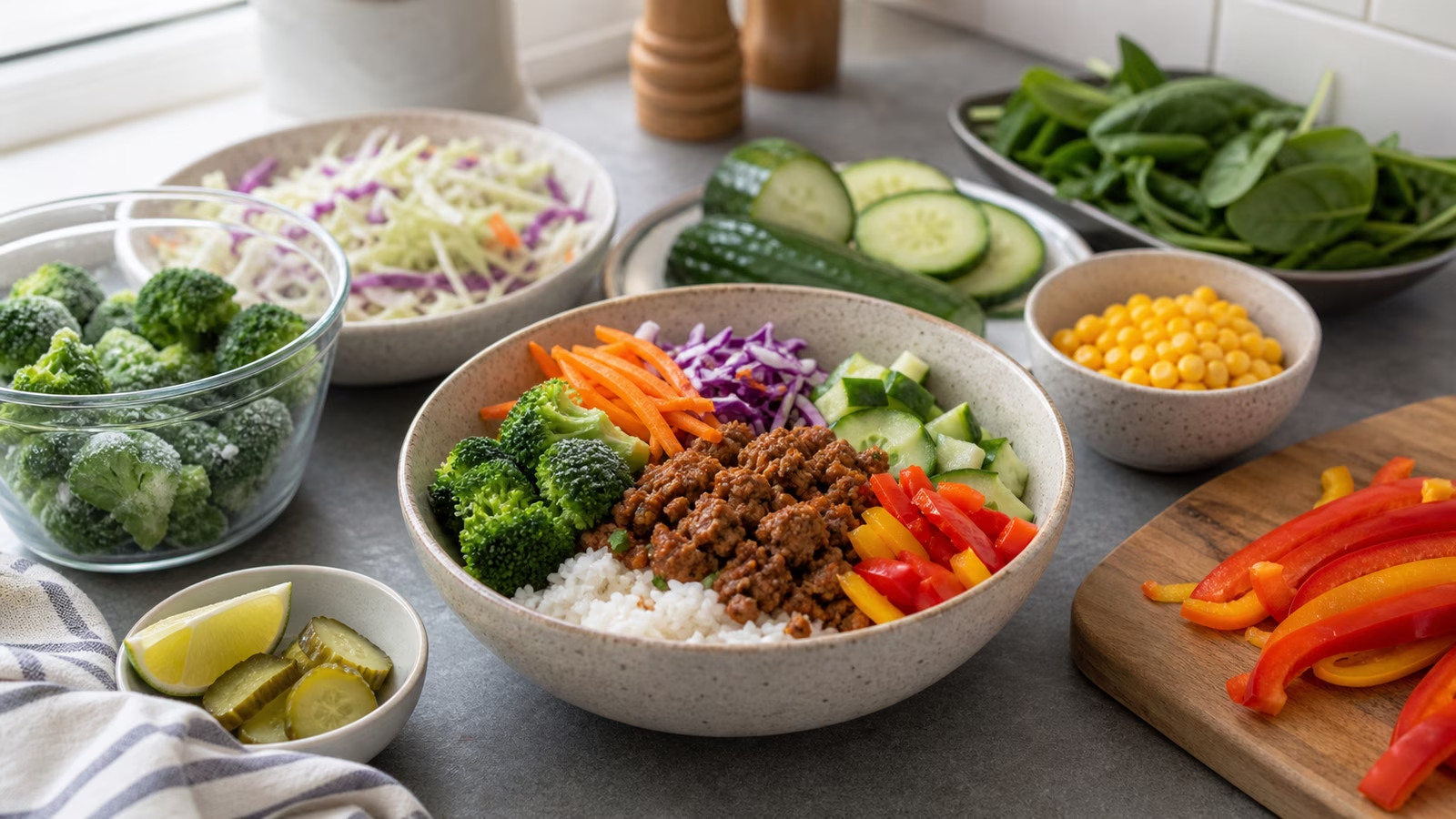
Vegetables are the easiest way to change the size of a bowl without making it heavier. Broccoli, cabbage, slaw, spinach, peppers, corn, cucumbers, pickles, greens, and roasted vegetables do more than add color. They change volume, temperature, crunch, and moisture. That is why Vegetables for Boy Kibble treats them as working ingredients rather than decoration.
A bowl that feels too small may not need more rice. It may need cabbage, broccoli, beans, corn, or greens so the meal has more physical presence. A bowl that feels too dense may not need less protein. It may need cucumber, pickles, herbs, slaw, lime, or a lighter vegetable finish so the rich parts have somewhere to go. Cooked vegetables add bulk and softness. Fresh vegetables add size and contrast. Pickled vegetables add sharpness without taking much space.
The timing matters. If you portion all the vegetables into the hot container on prep day, they will not all behave the same. Roasted broccoli can sit with rice and protein. Slaw usually does better added later. Cucumber should stay cold. Greens may wilt in a useful way or collapse into disappointment depending on the bowl. Good portioning is not only about amount. It is about putting the right amount in the right place at the right time.
Sauce Is Part of the Portion
Sauce is easy to treat as an afterthought because it comes from a bottle, jar, spoon, or quick bowl on the side. In practice, sauce changes the effective portion of everything else. A dry rice-heavy bowl feels bigger than it should because each bite takes work. A saucy bowl may feel smaller because it eats quickly. Too much thin sauce can make the base swell and soften. Too little sauce can leave the protein tasting separate from the starch.
The useful sauce portion is enough to coat the bites without flooding the bottom of the bowl. Thick sauces behave differently from thin ones. Yogurt sauce, tahini, burger sauce, peanut sauce, and chili crisp cling to food and can make a modest amount feel generous. Salsa, hot sauce, soy sauce, vinaigrette, and lime are brighter and thinner, so they may need a sturdier base or a creamy partner. Sauces and Toppings That Save Boy Kibble from Sadness is really a guide to controlling that finish.
For packed or prepped bowls, sauce portioning is also storage strategy. A little sauce cooked into the protein can help leftovers stay flavorful. A finishing sauce added after reheating keeps the bowl fresher. If a container leaks or turns watery, the problem may not be the recipe. It may be sauce added too early, too generously, or in the wrong form for the commute.
Portion Before the Week Starts Making Decisions
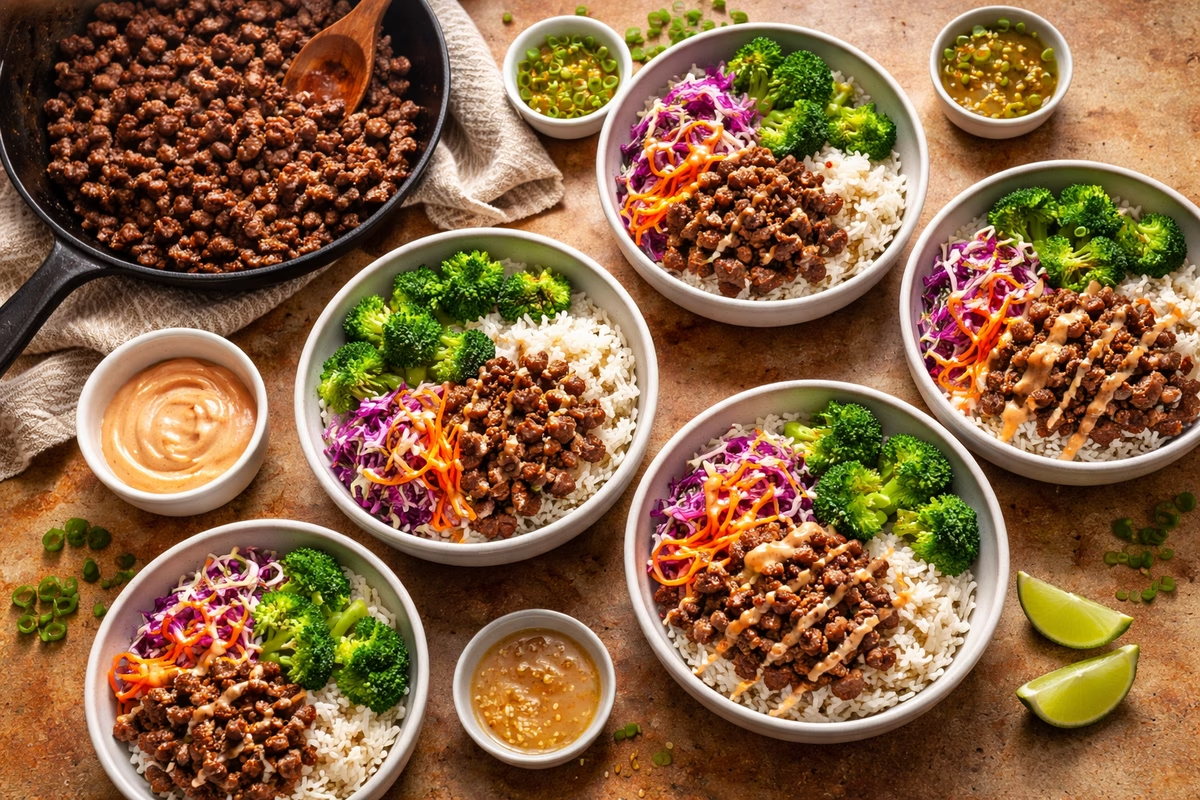
Meal prep fails when every container is either too big, too small, or too identical. A good batch can become four different experiences just by changing the portion logic. One container can be a lunch bowl with more vegetables and a bright sauce. Another can be a dinner bowl with more base, richer protein, and a hot finish. A third can be intentionally smaller because it is meant to become a wrap, an egg bowl, or a side-by-side meal with fruit or soup.
This is where containers help. A shallow container keeps portions honest because you can see the relationship between parts. A deep container encourages stacking, which often turns into too much base at the bottom and too much sauce at the top. For Packable Boy Kibble , leaving headroom matters because lunch needs space for stirring, sauce, and fresh finish. A packed-to-the-lid bowl may look efficient, but it removes the room that makes the meal eat well.
It is also worth portioning the fresh parts separately. Slaw, herbs, pickles, crunch, sauce cups, and lime do not need to be heroic amounts. They need to be available. A small amount of sharp, crisp food can make a moderate bowl feel more complete than a larger bowl with no contrast.
Adjust by Feedback, Not Guilt
The most useful portioning habit is paying attention after eating. If you are hungry again very soon, the bowl may need more protein, beans, potatoes, fat, or fiber. If you feel heavy and bored halfway through, the bowl may need less base, less rich sauce, more fresh vegetables, or a brighter finish. If you keep leaving rice behind, use less rice or a stronger sauce. If you keep chasing more sauce, season the protein and vegetables better before the bowl is assembled.
This feedback is more useful than copying a rigid template. Appetite changes with schedule, stress, activity, weather, sleep, and what else you ate that day. A simple meal system should be flexible enough to respond. The bowl does not need to become a diet spreadsheet. It needs to teach you what keeps you fed without making you resent the container.
Portioning is not the glamorous part of boy kibble, but it is one of the reasons the habit lasts. The right ratio makes cheap food feel intentional. It keeps meal prep from becoming a pile of beige leftovers. It lets the same groceries serve lunch, dinner, and backup meals without pretending those are the same situation. Build the bowl so the base carries, the protein anchors, the plants change the size, the sauce has a job, and the finish arrives with enough contrast to make the last bite as reasonable as the first.