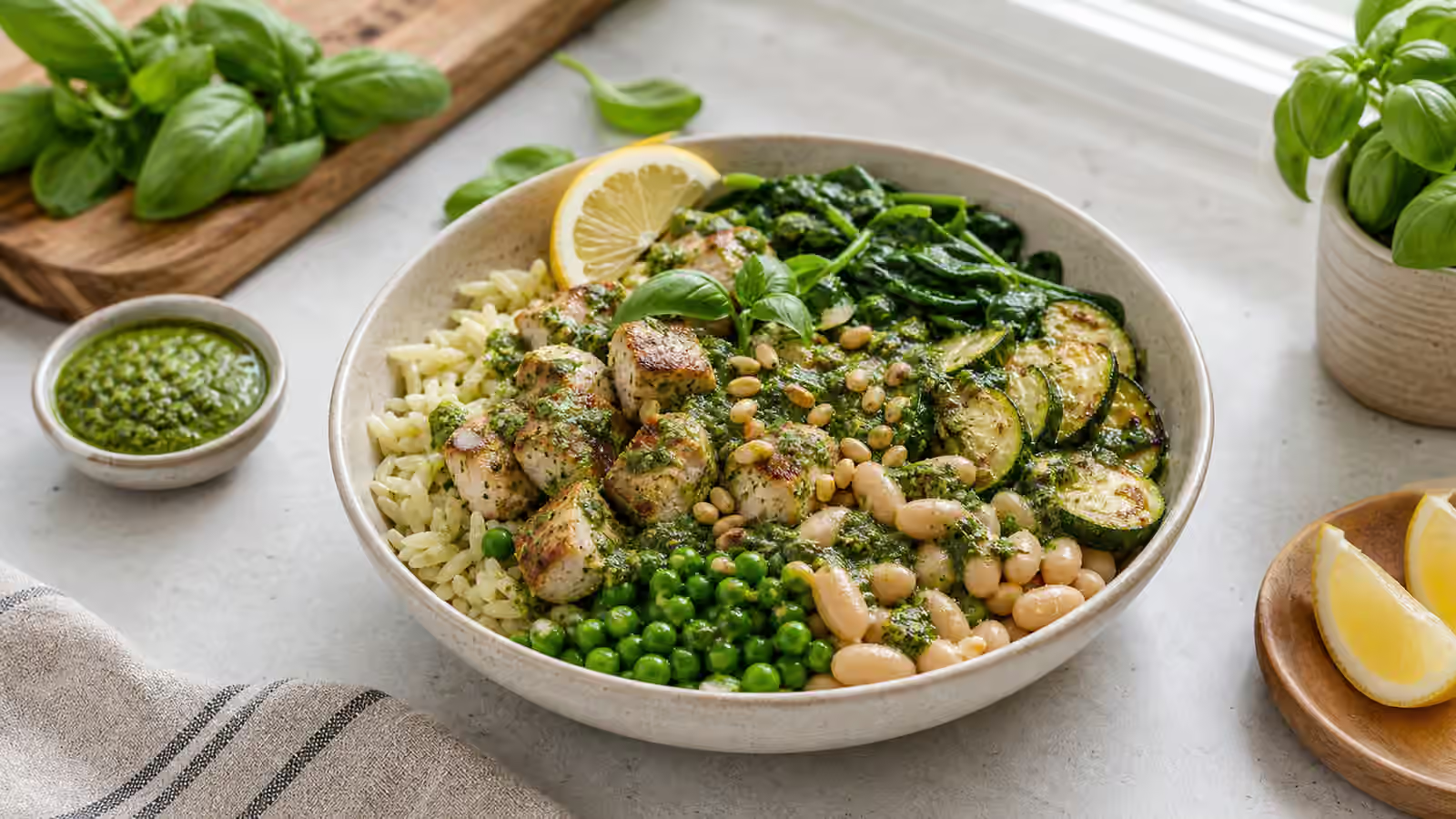
Pesto boy kibble is the green-sauce lane for people who are tired of bowls that all taste brown, red, or spicy. A spoonful of basil-style sauce can make rice, chicken, beans, tofu, potatoes, or small pasta feel fresh without asking for a complicated recipe. The trick is using the sauce as a bridge between cooked food and bright finishes, not as a green blanket over a bowl that still lacks structure.
Classic pesto has basil, garlic, cheese, nuts, oil, and salt, but boy kibble does not need to be strict about the name. The useful idea is a thick herb sauce with fat, aroma, and enough sharpness to wake up a simple base. It might be store-bought pesto, a homemade herb sauce, a dairy-free green sauce, or a loose version made with parsley, spinach, basil, lemon, garlic, seeds, and oil. Sauces and Toppings That Save Boy Kibble from Sadness covers the general logic. This guide focuses on the particular strengths and traps of green sauce.
Use Green Sauce to Finish, Not Cook Everything
Pesto loses its best qualities when it is cooked hard. The fresh aroma dulls, the oil can separate, and the color turns tired. That does not mean it cannot touch warm food. It means the bowl should be cooked first, then finished with the sauce off the heat or at the last moment. Warm rice, pasta, potatoes, chicken, beans, or vegetables can loosen the sauce naturally. A splash of hot water, pasta water, broth, or lemon juice can help it coat without requiring more oil.
This timing is different from tomato-chili or curry bowls, where simmering can improve the dish. Tomato-Chili Boy Kibble likes reduction and blending. Pesto-style bowls like freshness. If the sauce goes into a hot skillet too early, the bowl may still taste fine, but it loses the reason you chose the lane in the first place.
The same rule applies to reheating. Reheat the base and protein first. Add green sauce after. If the bowl is packed for lunch, keep the sauce separate or tucked against a cooler vegetable layer. If that feels too fussy, use a thicker base like potatoes or pasta that can hold a small amount of sauce without turning the whole container oily.
Match the Base to the Sauce
Rice works well with pesto when the bowl has enough vegetables and acid. Plain rice plus green sauce can taste oddly empty because the sauce was built for aroma, not bulk. Add chicken, white beans, chickpeas, tofu, peas, zucchini, spinach, mushrooms, roasted broccoli, or a fried egg and the rice becomes a dependable base again. A squeeze of lemon or a few pickled onions can keep the bowl from becoming too rich.
Small pasta is a natural fit, but it changes the meal. It can make the bowl feel more like pasta salad or a warm pasta bowl than classic boy kibble. That is not a problem if the formula still holds: protein, base, plant, sauce, finish. Noodle Boy Kibble is useful if rice is not the right starch for the week. Potatoes also work, especially roasted potatoes with chicken, beans, green beans, zucchini, or spinach. Grains such as farro or barley bring chew and can keep the bowl from feeling slick.
The base should be warm enough to loosen the sauce but not so wet that the sauce vanishes. If the rice is freshly cooked and steamy, let it sit for a minute before stirring in the sauce. If the pasta is dry, add a spoonful of water before pesto. If potatoes are crisp, sauce them lightly and let the rest of the bowl carry moisture through vegetables and yogurt or lemon.
Choose Proteins That Do Not Fight the Herbs
Pesto-style bowls are kind to chicken breast because the sauce supplies fat and aroma that lean chicken often lacks. Chicken Breast Boy Kibble focuses on avoiding dry leftovers, and green sauce is one practical answer when the chicken is cooked gently. Chicken thighs work too, though their richer flavor may need more lemon and greens. Turkey can work if it is browned well and not over-seasoned in a direction that clashes with herbs.
White beans and chickpeas are excellent in this lane. They carry green sauce without demanding much cooking, and they make the bowl feel substantial. Beans and Lentils for Boy Kibble is a good companion because beans need seasoning and texture to avoid feeling like filler. In a pesto bowl, they benefit from lemon, pepper, greens, roasted vegetables, and a little crunch from seeds or nuts.
Tofu can work when it is browned and salted first. Plain tofu with pesto on top can taste like two unfinished thoughts. Browned tofu with green sauce, rice, spinach, cucumber, and toasted seeds feels much more deliberate. Eggs can work too, especially with potatoes, greens, and a small amount of sauce. Seafood can fit with lemon and herbs, but it needs careful reheating and should not be buried under too much garlic-heavy sauce in shared spaces.
Make Vegetables the Point
Pesto bowls are one of the easiest ways to make vegetables feel central without turning the meal into a salad. Zucchini, peas, spinach, roasted broccoli, green beans, mushrooms, asparagus when available, cucumbers, arugula, cabbage, and herbs can all work. The green sauce gives them a shared direction. The bowl still needs contrast, though. A pile of soft rice, soft zucchini, soft chicken, and oily sauce can become dull even if the flavor is pleasant.
Use at least one vegetable for freshness or snap. Cucumber, cabbage, arugula, lightly dressed greens, scallions, or pickled onions can keep the bowl awake. Use another vegetable for body if needed. Roasted zucchini, broccoli, mushrooms, peas, or spinach can make the bowl feel full. Vegetables for Boy Kibble explains this division well: vegetables have jobs, and color alone is not enough.
Frozen vegetables can help when the green lane needs to stay easy. Peas are especially useful because they heat quickly and match the sauce. Frozen spinach can work if squeezed or cooked down so it does not water out the bowl. Frozen broccoli can be roasted or air-fried before being finished with sauce. The vegetables should support freshness, not dilute it.
Balance Oil With Acid and Crunch
Pesto-style sauces are rich. That is part of their appeal. It is also the reason they can make a bowl feel heavy if nothing cuts through. Lemon is the simplest balancing tool. Vinegar, pickled onions, capers, olives, yogurt, or a sharp slaw can work too, depending on the direction of the bowl. A small amount of cheese can make the sauce feel deeper, but more cheese is not always the answer.
Crunch matters as much as acid. Toasted seeds, chopped nuts, crispy chickpeas, cabbage, cucumber, roasted edges, or crushed pita chips can keep the bowl from feeling slippery. Fresh Finish Kits for Boy Kibble is relevant here because pesto bowls are often close to being good and missing only a final texture move.
If the sauce is store-bought and very salty, use less and loosen it with lemon and water. If it is mild, add pepper, garlic, chili flakes, or a sharper finish rather than doubling the amount. If it is dairy-free and thin, pair it with beans, seeds, or yogurt-style alternatives if those fit your kitchen. The goal is not to make the green sauce disappear. It is to let it flavor the bowl without turning the meal into oil-coated starch.
Keep the Green Lane From Becoming Fragile
Pesto sounds like a fresh-food project, but it can be practical. A jar of sauce, a bag of frozen peas, rice, beans, and a lemon can make a bowl when the fridge is thin. A more elaborate version can use roasted vegetables, chicken, herbs, and toasted seeds. Both belong. The lane is useful because it can move between pantry backup and brighter dinner without changing the basic formula.
Storage needs a little care. Green sauce darkens and dulls over time, especially when mixed into everything too early. For meal prep, keep the base and protein plain enough to accept sauce later. Store fresh greens separately when possible. Add lemon, herbs, cucumber, cabbage, or seeds at assembly. Split-Batch Boy Kibble pairs well with this because one neutral base can become pesto one day and a different flavor lane the next.
Pesto boy kibble fills the freshness gap in a shelf full of hearty bowls. It gives simple food a green, aromatic direction without requiring a delicate meal. Keep the sauce late, the base sturdy, the protein gentle, the vegetables purposeful, and the finish sharp. When those pieces are in place, a spoonful of green sauce can make repeated bowls feel alive again.