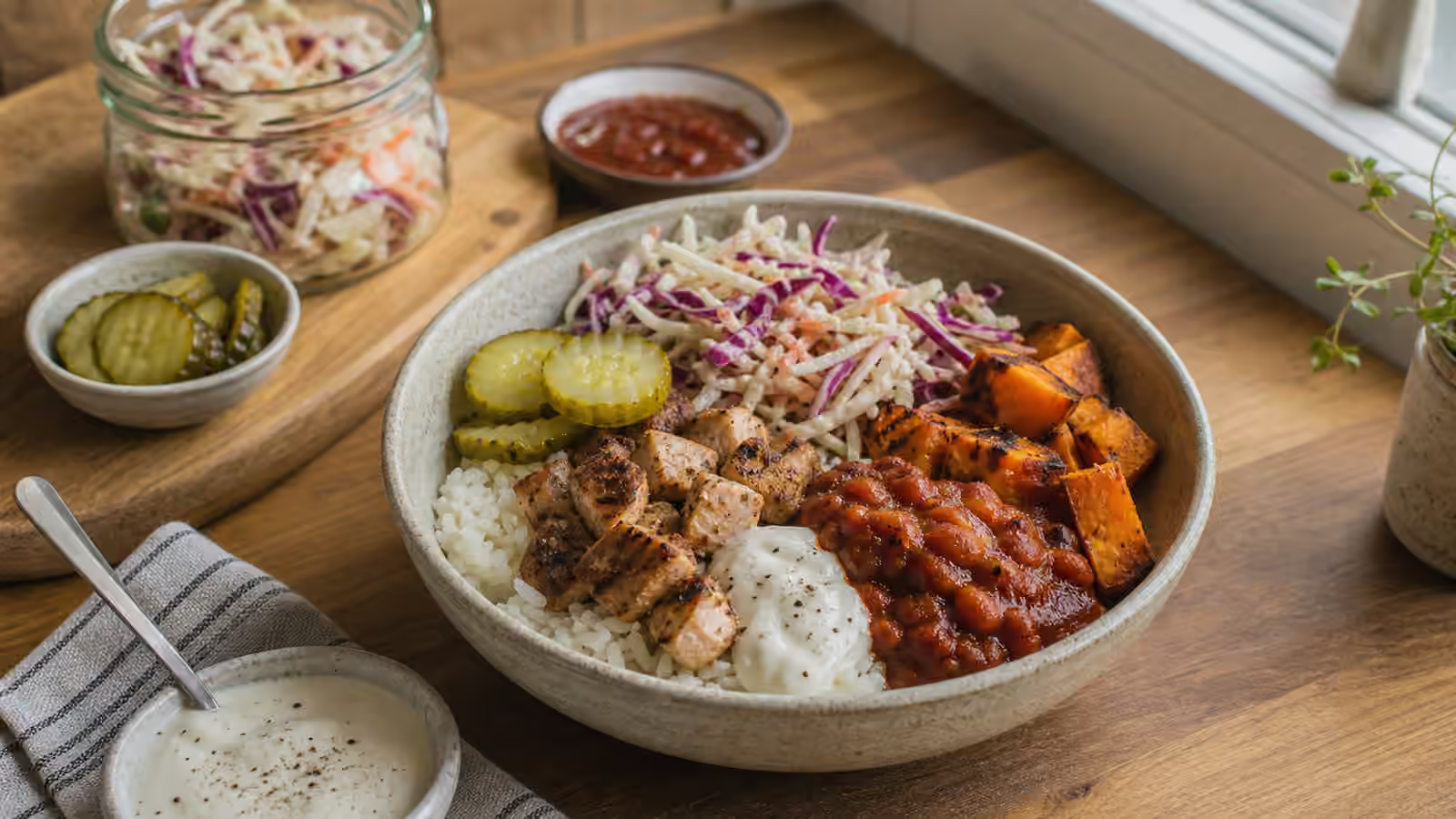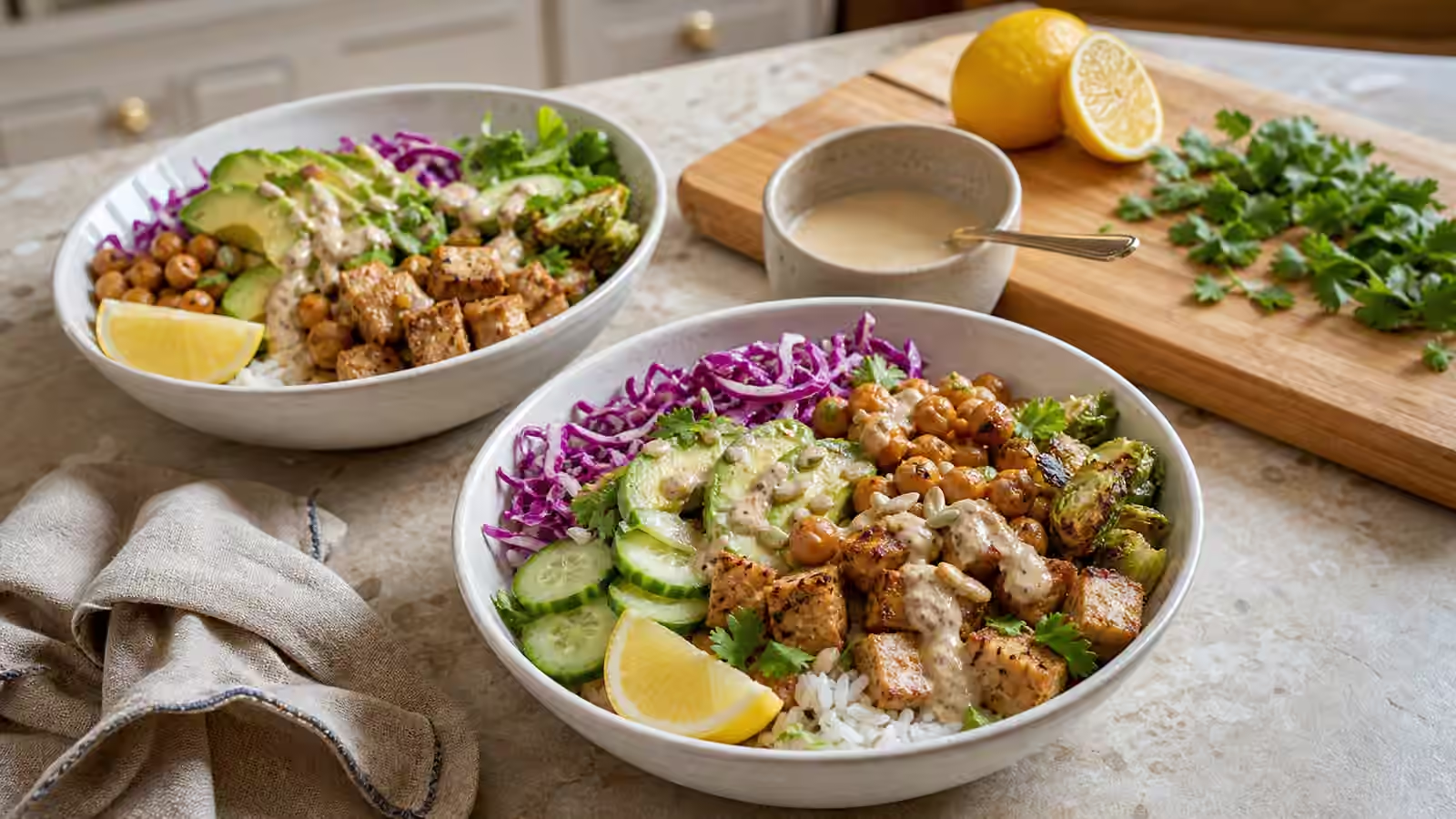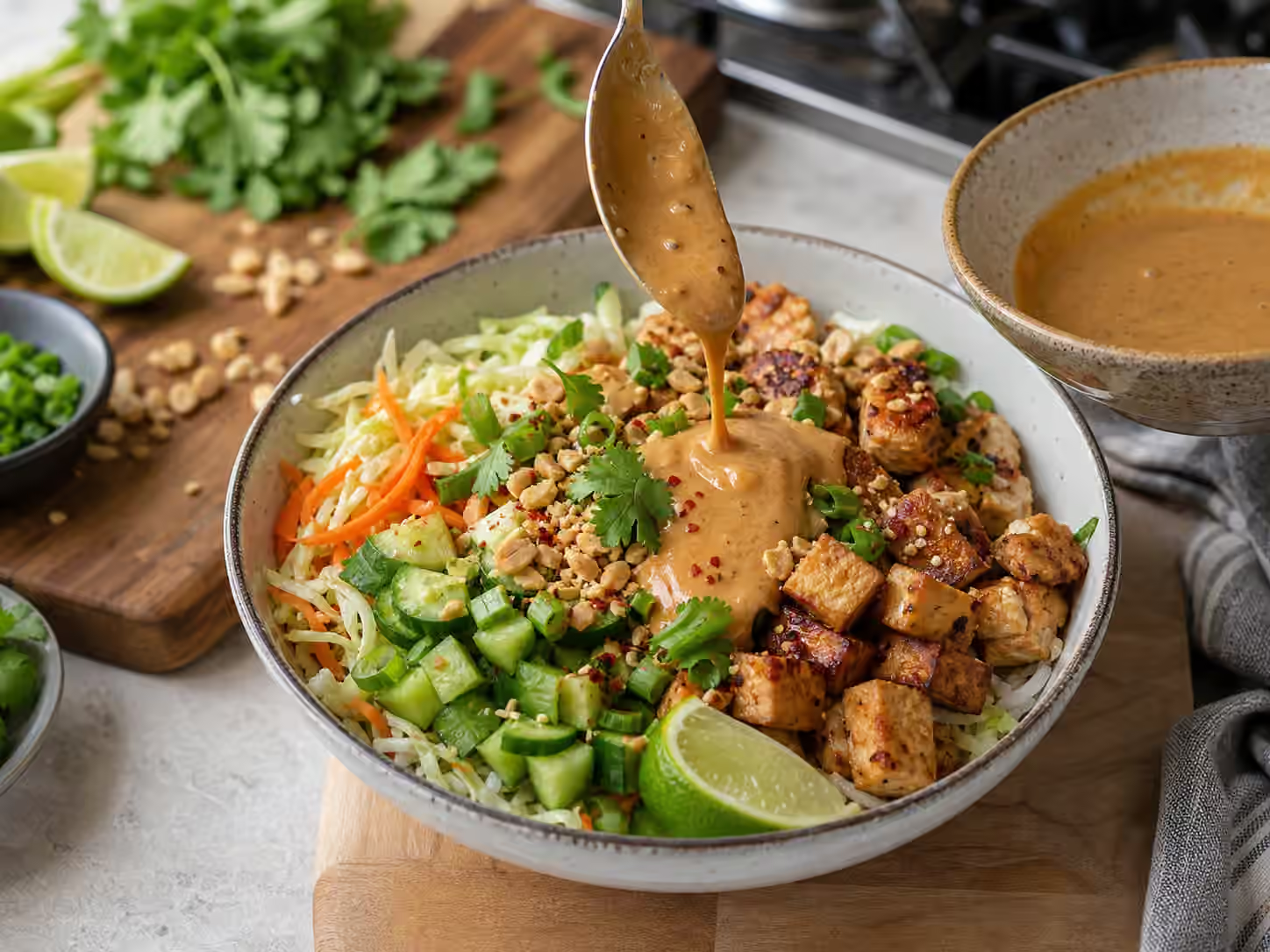
Peanut-lime boy kibble works because it solves two common bowl problems at once. The sauce brings richness, and the cold vegetables keep that richness from becoming heavy. Rice, noodles, chicken, tofu, cabbage, cucumber, carrots, herbs, lime, peanuts, and a little heat can make a simple batch feel different without asking for a complicated recipe.
This is a flavor lane, not a strict dish. Soy-Ginger Boy Kibble covers a more savory, salty, ginger-forward direction. Sauces and Toppings That Save Boy Kibble from Sadness covers the bigger sauce habit. Peanut-lime sits between them: creamy enough to make lean protein and rice satisfying, sharp enough to stay bright, and flexible enough to work with leftovers.
Keep the Sauce Rich, Not Heavy
Peanut sauce can make a bowl feel generous fast. It can also become pasty if it is too thick or flat if it is only peanut butter loosened with water. The useful version has richness, salt, acid, and a little heat. Peanut butter or peanut paste gives body. Lime or vinegar brings brightness. Soy sauce or salt gives structure. Water loosens it. Chili crisp, hot sauce, garlic, ginger, or a small amount of sweetener can push it in different directions without turning the bowl into a project.
The texture should match the base. Rice can handle a slightly thicker sauce because the grains separate and carry it. Noodles usually need the sauce looser so they do not clump. Cabbage and cucumber need enough sauce to connect to the bowl, but not so much that they wilt before the first bite. If the sauce gets too thick in the fridge, stir in water or lime before using it rather than adding more sauce and making the bowl heavier.
This is where restraint matters. Peanut-lime sauce should coat bites, not bury them. A boy kibble bowl still needs a base, protein, plant, and finish. The sauce is the bridge between those parts, not the whole meal.
Choose Protein That Can Handle the Sauce
Tofu, chicken breast, chicken thighs, ground turkey, shrimp, and even leftover pork can work with peanut-lime bowls. The protein needs enough seasoning to avoid tasting blank under the sauce. Salt, pepper, garlic, ginger, soy sauce, lime, chili, or a little curry powder can all help depending on the direction you want.
Tofu is especially good here because peanut sauce gives it richness while cabbage and cucumber supply contrast. Tofu Boy Kibble covers the browning and storage details, but the short version is simple: dry the tofu, brown it enough to create texture, and sauce it after it has some structure. If tofu goes into peanut sauce too early, it can turn soft before the bowl is assembled.
Chicken breast can work if it is sliced and not overcooked. Peanut sauce helps lean meat feel less bare, but it cannot fix dry pieces completely. Chicken thighs are easier, especially for meal prep, because they hold moisture. Ground turkey works when seasoned well and paired with plenty of slaw. The protein should support the sauce, not disappear into it.
Use Cabbage, Cucumber, and Herbs as the Counterweight
Peanut-lime bowls need crunch and brightness. Cabbage is the workhorse because it stays crisp, stores well, and can handle sauce without collapsing immediately. Cucumber cools the bowl and makes the sauce feel lighter. Carrots bring sweetness and color. Scallions, cilantro, mint, basil, or parsley can make the bowl feel fresh without adding much work. Peanuts or sesame seeds bring a second kind of crunch.
Cabbage and Slaw Boy Kibble is useful because this bowl depends on the same cheap crunch. The difference is that peanut-lime sauce is richer than many slaw dressings, so the vegetables need to stay assertive. Thin cabbage shreds, crisp cucumber chunks, and herbs added at the end keep the bowl from becoming creamy rice with protein.
Acid matters too. Lime at the end is not decoration. It wakes up the peanut sauce, cuts through the fat, and makes leftovers taste less muted. If lime is not available, vinegar or pickled vegetables can do some of the same work. The bowl needs something sharp enough to make the next bite appealing.
Decide Between Rice and Noodles
Rice is the simplest base for peanut-lime boy kibble because it is neutral, reheats well, and keeps the sauce from becoming too dense. Jasmine rice, brown rice, leftover rice, or microwave rice can all work. The sauce can sit on top or be loosened and stirred through. If the rice is cold or dry, warm it with a little moisture before adding the sauce.
Noodles are a different meal. They carry sauce directly and can make the bowl feel more like a cold noodle salad or a hot noodle bowl. That can be excellent, but it needs attention. Overcooked noodles become heavy under peanut sauce. Cold noodles may need rinsing or loosening. Hot noodles may need the sauce thinned so it coats instead of clumps. Noodle Boy Kibble is worth reading if rice fatigue is the reason you are choosing this lane.
There is no need to make the base fancy. Peanut-lime bowls already have enough flavor. The base should give the sauce somewhere to go and the protein enough support to feel like a meal.
Make It Work for Meal Prep
Peanut-lime boy kibble can meal prep well if the parts are stored with texture in mind. Keep the sauce separate when possible, especially from cabbage and cucumber. Store the protein and rice together if they are both sturdy. Keep herbs, peanuts, and very crisp vegetables separate until serving. If fully assembled bowls are necessary, use less sauce at storage and add more at the end.
Leftover sauce thickens in the fridge. That is normal. Loosen it before judging it. A little water, lime, or vinegar can bring it back. Do not keep adding peanut butter because the sauce seems dull; it may need acid and salt more than richness. Reheating Boy Kibble matters here because warm rice and protein plus cold crunch usually beat a fully microwaved peanut bowl.
This lane is also good for split batches. A neutral rice and chicken base can become peanut-lime one day, taco the next, and brothy later if the sauce stays separate. Split-Batch Boy Kibble uses exactly that kind of flexibility.
Let the Bowl Stay Simple
The danger with peanut-lime bowls is not that they are hard. It is that the sauce feels special, so the rest of the meal starts collecting unnecessary ingredients. You do not need every herb, every crunchy topping, and three proteins. You need a base, one good protein, crisp vegetables, sauce, and a sharp finish.
That simplicity is what makes the flavor lane useful. It can rescue plain chicken. It can make tofu feel satisfying. It can turn cabbage into something you want to eat. It can make leftover rice feel planned. When the sauce is balanced and the crunch is cold, peanut-lime boy kibble gives the bowl habit a richer weeknight option without breaking the low-friction promise that made boy kibble useful in the first place.