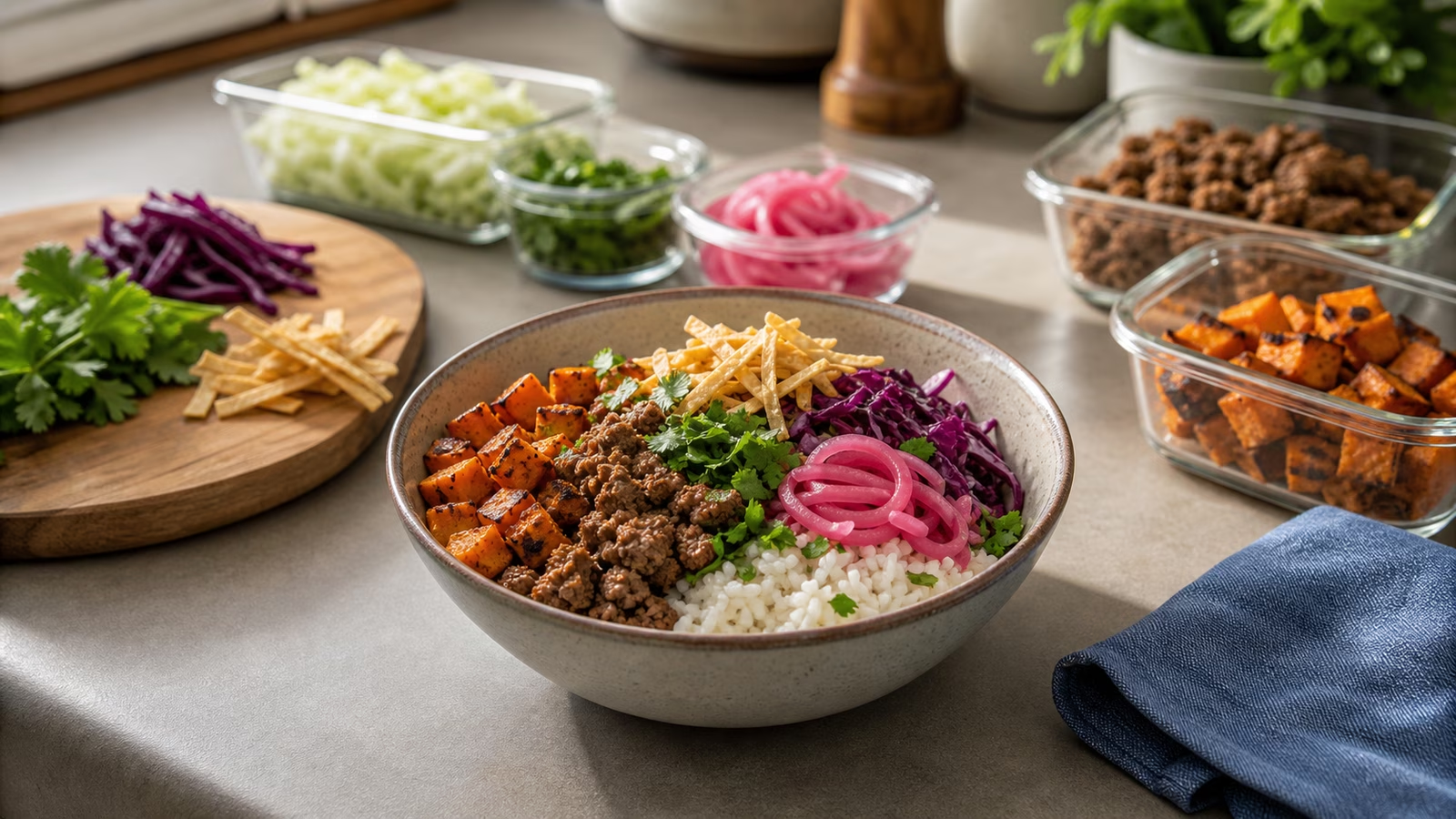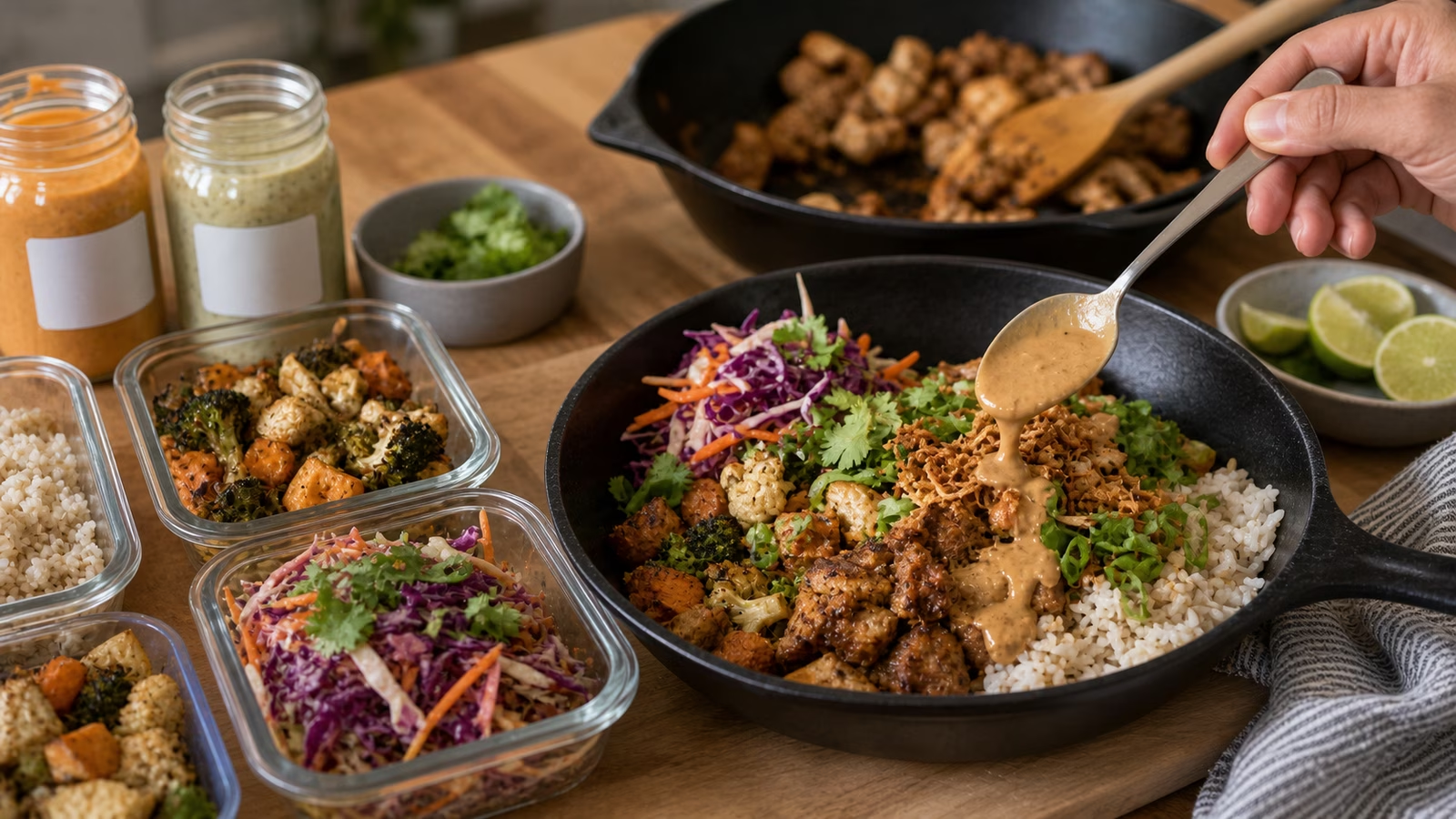
The pantry version of boy kibble is not the meal you make when life is going perfectly. It is the meal you make when the plan slipped, the fresh groceries are gone, and your brain is starting to negotiate with delivery apps.
That is exactly why it matters.
Most people do not fail at weeknight cooking because they lack recipes. They fail because the recipes assume a version of the evening that does not arrive often enough. The chicken is still frozen. The lettuce turned into compost in the back of the fridge. The rice cooker insert is in the sink. The thing you meant to thaw is not thawed. The person who was going to cook is tired enough to resent every instruction after “preheat.”
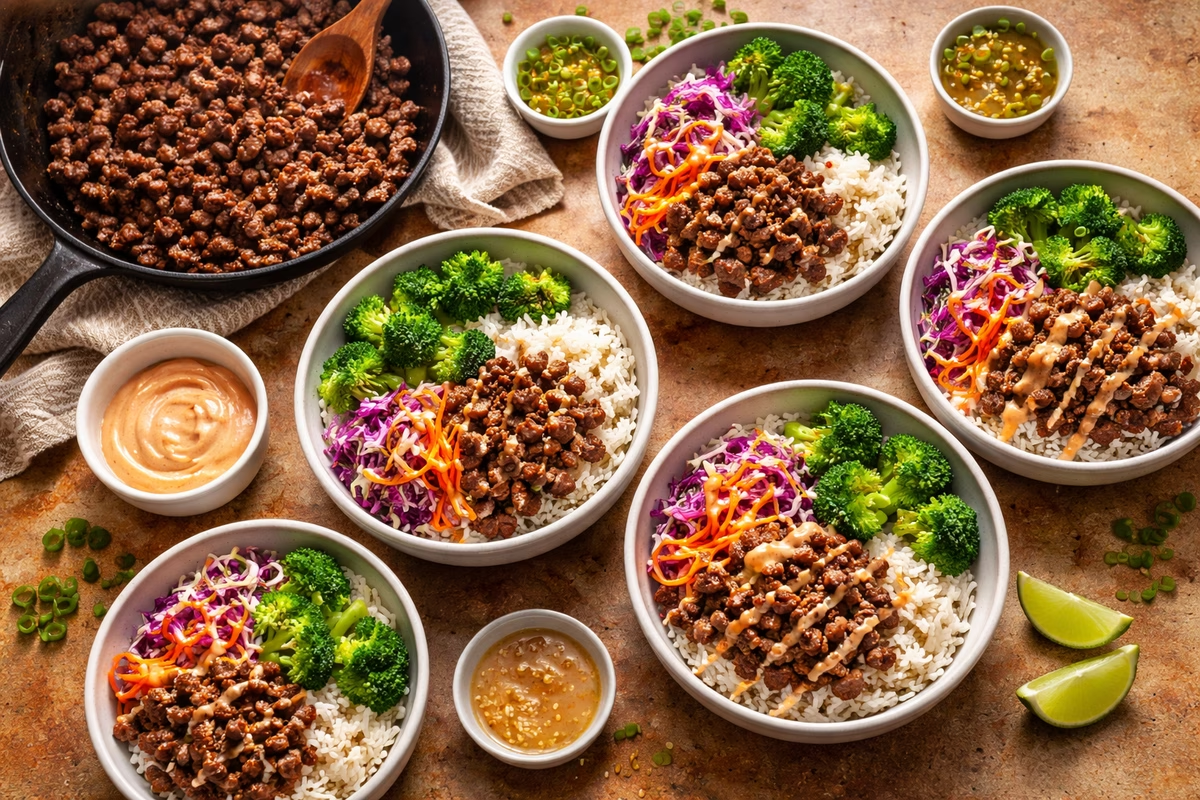
Pantry boy kibble is a small defense against that moment. It keeps the original strength of the meme, which is repeatable food with protein, starch, and enough flavor to make the next bite easy. But it shifts the ingredient strategy. Instead of asking what fresh groceries you bought for the perfect bowl, it asks what you can keep around so dinner still exists when the week gets weird.
The pantry is not a bunker
A good pantry bowl should not taste like emergency rations. The point is not to eat joylessly from cans while congratulating yourself for being practical. The point is to stock ingredients that hold up over time and can still become a real dinner with texture, heat, and contrast.
The best shelf-stable ingredients are not the ones that last forever. They are the ones that connect to meals you actually want to eat. Rice matters because it becomes a base quickly. Canned beans matter because they bring fiber and body. Canned tuna, salmon, sardines, chicken, or chickpeas matter because they can stand in for cooked protein. Shelf-stable tortillas matter because a bowl can become a wrap when you cannot face another spoon meal. Peanut butter, tahini, salsa, hot sauce, soy sauce, vinegar, mustard, chili crisp, and shelf-stable curry pastes matter because they turn a plain base into something with direction.
The freezer is part of the same system. Frozen vegetables are pantry food in spirit. They wait patiently, cost less than good intentions, and often keep more dignity than vegetables you forgot in the crisper. Edamame, peas, corn, broccoli, spinach, peppers, cauliflower rice, and mixed vegetables can all do useful work. Frozen cooked rice, if you keep it, is almost cheating in the best way.
The fridge still has a role, but the pantry version tries not to depend on fragile freshness. Eggs, yogurt, cheese, pickles, kimchi, bagged slaw, and long-lasting greens are useful because they stretch the meal when they happen to be there. They should not be the thing that makes dinner impossible when they are missing.
Start with the base you can make while tired
Every pantry bowl begins with a base, and the right base is the one you can make without bargaining with yourself. Rice is the default because it is cheap, filling, and friendly to almost every sauce. But rice is not the only answer. Instant rice, microwave rice, couscous, pasta, ramen noodles without the seasoning packet, potatoes, tortillas, oats used savory, and leftover bread can all carry a low-friction meal.
The danger is pretending the best base is always the most virtuous one. Brown rice has a place. Farro has a place. Lentils have a place. But if the difference between dinner and no dinner is a ten-minute pouch of rice, the pouch wins. A pantry system should be judged by whether it works on your real nights, not whether it impresses a meal-prep spreadsheet.
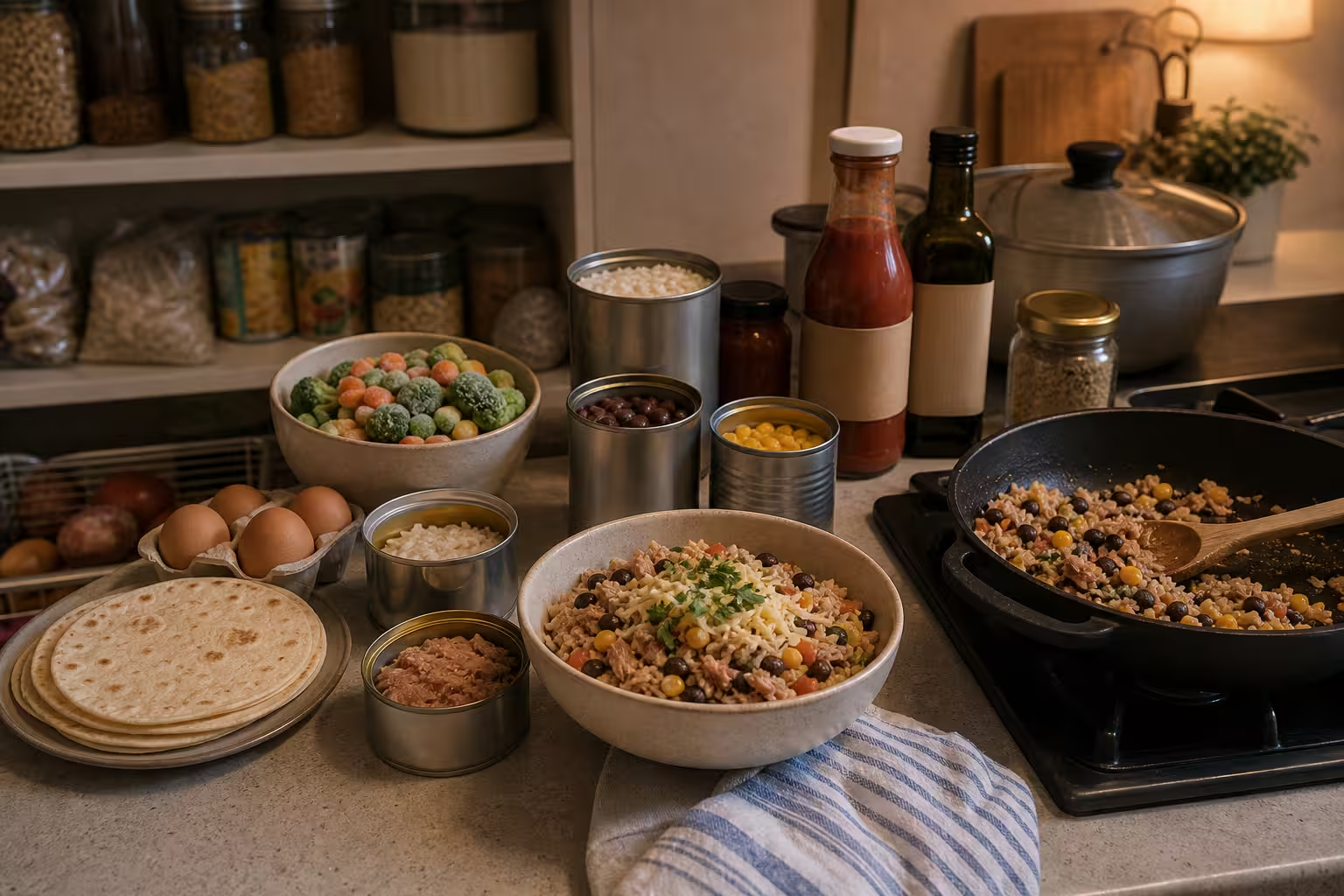
Once the base is handled, the rest becomes less dramatic. A bowl with rice, beans, frozen corn, salsa, and an egg is dinner. Rice with canned tuna, cucumber if you have it, frozen edamame, mayo, soy sauce, and hot sauce is dinner. Pasta with canned chickpeas, olive oil, garlic powder, frozen spinach, and lemon juice is dinner. A tortilla filled with beans, rice, cheese, and salsa is dinner. None of these is trying to become restaurant food. They are trying to keep you fed without making the night worse.
Protein is where the pantry earns trust
Boy kibble depends on protein because protein is what makes the bowl feel like a meal instead of a pile of side dishes. Fresh ground meat is useful, but pantry boy kibble needs backup proteins that do not require thawing.
Beans are the quiet workhorse. Black beans, pinto beans, chickpeas, lentils, and refried beans all make bowls more filling and more forgiving. They also bring fiber, which is one of the easiest ways to make boy kibble feel better in the body. If beans usually bore you, the problem is often not the beans. It is that they were asked to carry the whole flavor of the meal alone. Heat them with salt, oil, spices, salsa, broth, or a spoonful of sauce, and they stop tasting like an apology.
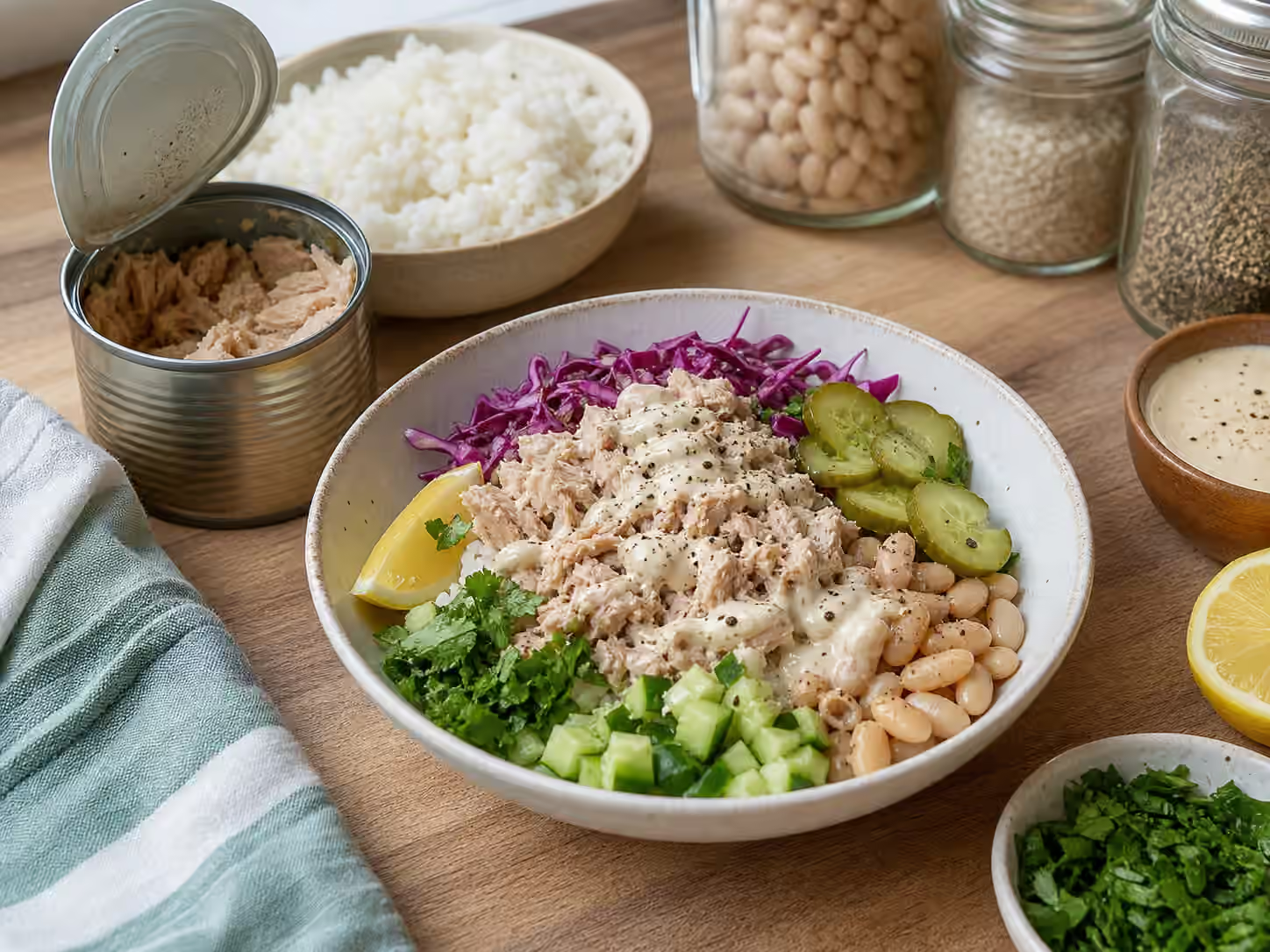
Canned fish is more divisive, but it deserves respect. Tuna with rice is a classic because it is fast, cheap, and adaptable. Sardines or salmon can be excellent if you like stronger flavor. The trick is to stop treating canned fish as something that must taste neutral. Give it acid, heat, crunch, and fat. Lemon, vinegar, pickles, hot sauce, chili crisp, mayo, yogurt, mustard, or chopped vegetables can pull it into focus.
Eggs are not pantry food exactly, but they are emergency food. They last, cook quickly, and fix many bowls that otherwise feel unfinished. A fried egg on rice and vegetables is a small structural miracle. Scrambled eggs folded into leftover rice can become fried rice. Boiled eggs can turn a snack plate into dinner. If you eat eggs, keeping them around is one of the easiest ways to make a pantry system work.
Flavor should have a default lane
The fastest way to ruin pantry boy kibble is to make every bowl taste like “miscellaneous.” Ingredients need a lane. Not a complicated recipe, just a direction.
One lane might be salsa, beans, rice, corn, egg, and hot sauce. Another might be tuna, rice, cucumber or frozen edamame, mayo, soy sauce, and sesame oil. Another might be chickpeas, pasta, olive oil, garlic, spinach, and lemon. Another might be peanut sauce, noodles, frozen vegetables, and egg. Another might be curry paste, coconut milk if you keep it, chickpeas, rice, and spinach.
The lane matters because it reduces decision fatigue. If you have rice and beans, you do not need to ask every possible question. You ask which direction they are going tonight. Salsa direction. Soy direction. Lemon-garlic direction. Peanut direction. Curry direction. That is enough.
This is also why sauces are not decoration. They are infrastructure. A person with rice, beans, frozen vegetables, and no sauce still has food, but they may not have a meal they want to repeat. A person with two good sauces has options. The best sauce is not the most artisanal one. It is the one you reach for when you are tired.
Texture keeps the bowl awake
Pantry meals often fail on texture. Everything is soft, warm, and beige. That is when the brain starts asking whether chips count as dinner.
The fix is contrast. Tortilla chips, crackers, toasted tortillas, roasted peanuts, pumpkin seeds, crispy onions, pickles, slaw, cabbage, carrots, cucumbers, apples, and even a handful of greens can change the whole experience. Some of those are fresh, but many last longer than delicate salad greens. Cabbage is especially useful because it is cheap, sturdy, and good raw or cooked. A bowl with rice, beans, salsa, and cabbage feels much more alive than the same bowl without crunch.
Heat can also create texture. If you have time, crisp the rice in a skillet. Let beans cook down until they thicken. Toast a tortilla. Brown the edges of canned chickpeas in oil. These small moves make pantry food feel cooked rather than assembled under protest.
The real pantry test happens before you shop
The best pantry bowl is built at the grocery store, long before you are hungry. Buy ingredients in overlapping families. Rice, tortillas, beans, salsa, eggs, frozen vegetables, and hot sauce can become bowls, wraps, quesadillas, fried rice, breakfast-for-dinner, or lazy nachos. Tuna, rice, mayo, soy sauce, and frozen edamame can become bowls or rice balls or a plate with cucumber if you have it. Pasta, chickpeas, frozen spinach, olive oil, and lemon can become a warm bowl or a cold lunch.
Overlap matters because single-use pantry items become clutter. You buy them for a recipe, use half, and then they sit there accusing you in silence. The boy kibble pantry should be boring in the best way. It should contain ingredients that keep reappearing in different forms.
It also needs a restock rhythm. When the last rice pouch is gone, replace it. When the freezer vegetables are low, buy another bag. When the sauce bottle is almost empty, do not wait until the night you need it. This is not elaborate meal planning. It is maintenance, like charging your phone.
What pantry boy kibble is really for
The pantry bowl is not supposed to replace fresh cooking forever. It is supposed to make the floor higher. On a good night, you can cook fresh protein, chop vegetables, make a real sauce, and enjoy the process. On a rough night, you can still eat something warm, filling, and decent without turning dinner into a moral failure.
That is the whole point of the boy kibble idea when it is used well. It lowers friction. It respects appetite without demanding performance. It turns “I have nothing” into “I have enough to make a bowl.”
If your pantry can do that, it is not a backup plan. It is part of the kitchen.