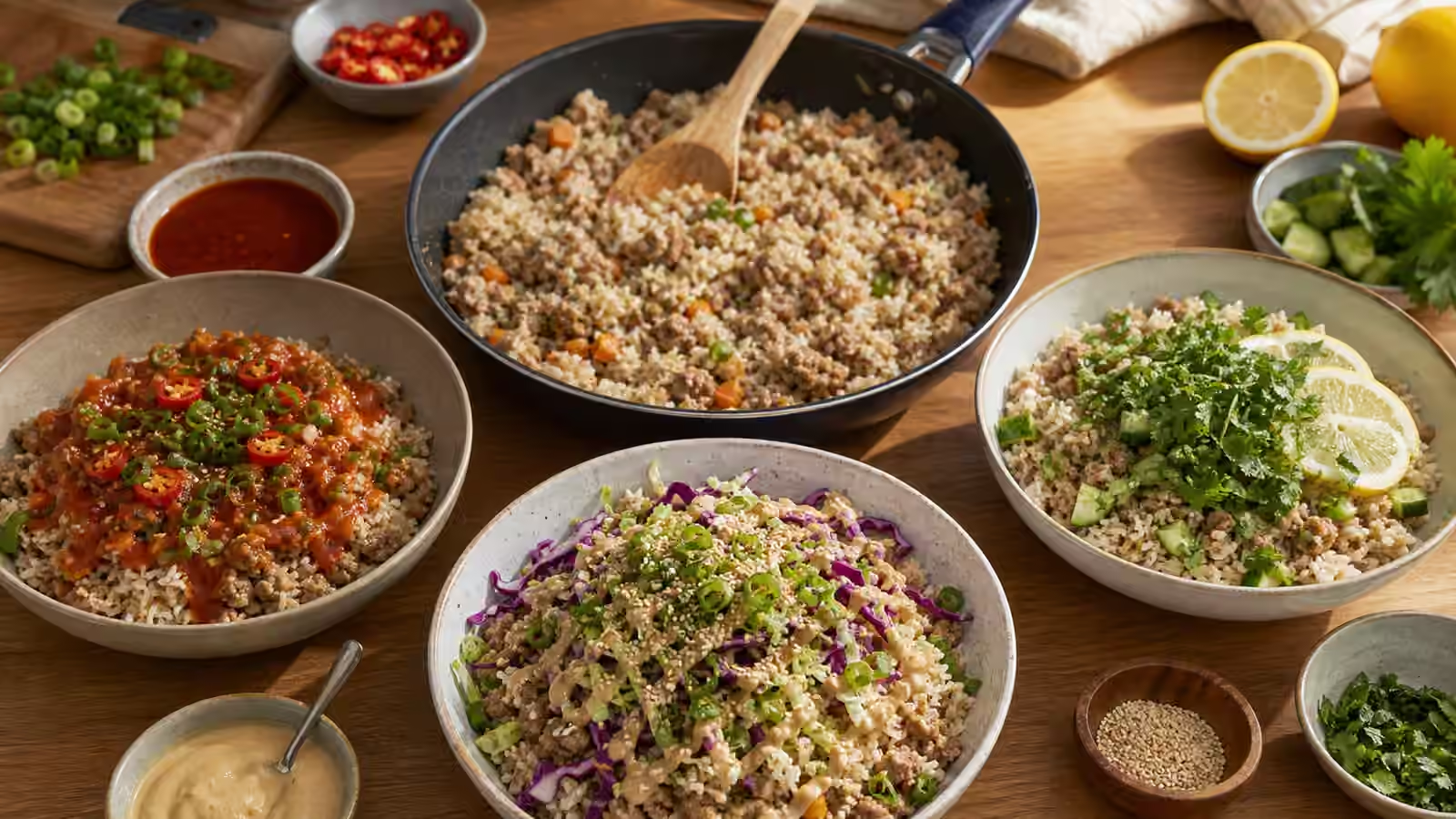
Packable boy kibble is where a good bowl system proves whether it can survive real life. At home, a bowl can be corrected in the moment. The rice is dry, so you add a splash of water. The meat tastes flat, so you reach for sauce. The vegetables feel heavy, so you cut cucumber or add slaw. A packed lunch is less forgiving. Once the container is in a bag, the meal has to travel, wait, reheat or not reheat, and still feel like food you chose on purpose.
The answer is not a more complicated recipe. It is a more realistic packing habit. A lunch bowl needs a sturdy core, a protected finish, sauce that does not leak into everything too early, and a plan for the place where you will actually eat it. That place might have a microwave with a line behind it. It might have a fridge but no real dishes. It might be a desk, a classroom, a car, a break room, or a bench outside. The best packed bowl respects those conditions before the lid goes on.
If you already use the basic formula from Boy Kibble Quickstart , packed lunches are not a separate cuisine. They are the same protein, starch, plant, sauce, and finish, arranged so the best parts arrive at lunch instead of dying in the container.
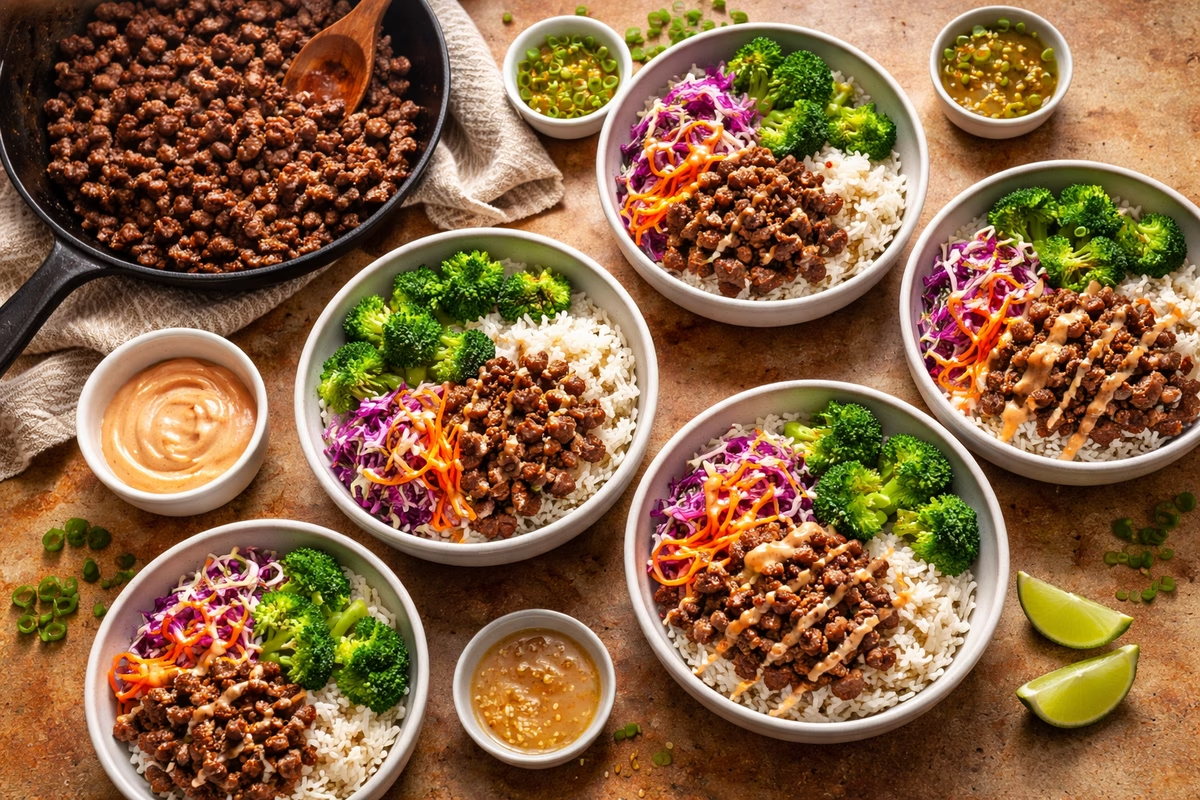
Pack for the lunch you will actually eat
The first mistake is packing a fantasy lunch. A fantasy lunch assumes you will have time, patience, a clean table, a sharp knife, a real bowl, and a calm ten minutes to assemble something beautiful. Many work and school lunches happen under worse conditions. You may have one microwave, a short break, no sink nearby, and a fork from the bottom of a drawer. A packable bowl should still work there.
That means the cooked core should be edible with one utensil. Rice, potatoes, noodles, beans, ground meat, shredded chicken, tofu, lentils, roasted vegetables, corn, peppers, cabbage, and sturdy greens all fit well because they do not require cutting at lunch. Large pieces of meat, whole roasted vegetables, overfilled wraps, and toppings that need last-minute chopping are less dependable unless you know your lunch setup can handle them.
It also means the portion has to fit the container rather than press against the lid. Overpacked bowls leak and steam themselves into a softer meal. A little headroom is useful. It gives you space to stir after reheating, add sauce, and fold in the fresh finish. If the bowl is packed so tightly that you cannot move anything without spilling, the container is controlling the meal instead of supporting it.
The core should be sturdy, not finished
A good packed bowl has a core that can wait. The core is usually the hot part: rice or another base, protein, and sturdy vegetables. It should be seasoned enough to taste like food before sauce, but it should not be fully finished in the way a dinner bowl might be. The final sauce, herbs, crunch, slaw, pickles, lime, or yogurt can wait until lunch.
This is where packed lunch overlaps with How to Meal Prep Boy Kibble Without Hating It by Wednesday . Cook the dependable parts in advance, but do not ask delicate ingredients to survive heat, condensation, and time. Rice and browned turkey can sit together. Rice, browned turkey, yogurt sauce, slaw, crushed chips, and cucumber should not all be sealed together at seven in the morning and expected to behave at noon.
The core should have enough moisture to reheat well, but not so much free liquid that it soaks the base. Ground meat with a little pan juice is useful. A watery salsa poured over rice hours before lunch is less useful. Roasted vegetables should be cooked enough to taste good but not so soft that they collapse during reheating. Beans and lentils are especially forgiving because they hold moisture and do not become leathery as quickly as lean meats can.
Separate the finish without making lunch fussy
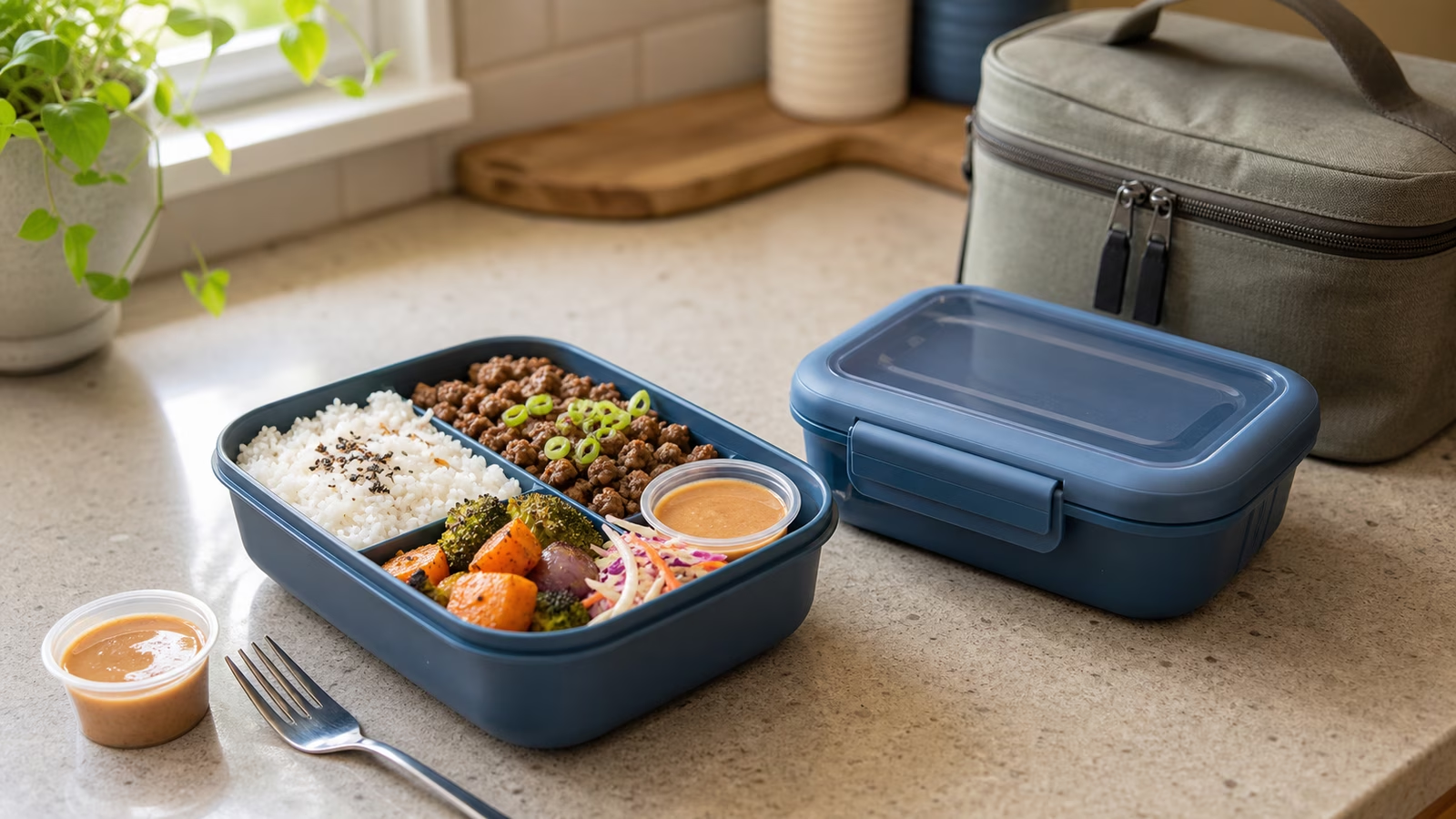
Separating the finish does not mean carrying a picnic kit. It means protecting the one or two things that make the bowl feel fresh. A small sauce cup, a corner of slaw, a wrapped lime wedge, a spoonful of pickles, a packet of crunchy topping, or a small container of herbs can change the lunch without turning it into a project.
The practical test is simple: if the ingredient is there for crunch, coldness, brightness, or creaminess, it probably belongs away from the hot core until eating. Shredded cabbage keeps its snap when it stays cool. Pickles stay sharp. Yogurt sauce stays clean. Peanuts, tortilla chips, toasted seeds, and crisp onions keep their texture. If those same ingredients sit against hot rice all morning, they lose the exact quality you packed them for.
This is the same logic behind Better Boy Kibble Texture , but packed lunches make the stakes clearer. Texture is not decoration when a meal has been waiting in a container. It is the difference between lunch and a warm block of leftovers.
Let the container do useful work
Containers are not exciting, but they decide a lot. A shallow container reheats more evenly than a tall narrow one. A divided container can keep slaw or sauce away from rice, but only if the divider actually seals well enough for your commute. A small screw-top sauce cup is often more valuable than a fancy lunchbox because it protects the bowl from premature sogginess.
The lid matters too. Saucy bowls need containers that close confidently. If you commute with a backpack or tote, assume the container will tilt. If a sauce would ruin your laptop, notebook, or jacket, it belongs in its own sealed cup. A plain container that never leaks is better than a clever one you do not trust.
A packed bowl also needs a temperature plan. If lunch will be held cold, an insulated bag and cold pack are the safer default than hoping the food is fine for hours. If you rely on a refrigerator at work or school, pack in a way that fits that space and does not require balancing three loose cups on a crowded shelf. If you use an insulated hot container, follow the manufacturer’s handling instructions and use it for foods that make sense hot. The habit should be simple enough that you will repeat it when you are tired.
Reheat the base, then finish the bowl
Most packed boy kibble tastes better when the sturdy part gets heat and the fresh part waits. Before reheating, remove cold sauce cups, slaw, herbs, crunchy toppings, and anything with a delicate texture. If the rice looks dry, add a small splash of water before microwaving. Cover loosely if the container allows it, pause to stir when you can, and let the heat settle for a moment before eating. Those small moves make a plain microwave lunch feel less punished.
Sauce timing matters. Some sauce belongs in the cooked core because it seasons the food. Tomato paste, soy sauce, spices, chile paste, curry paste, and a little broth can make the protein and vegetables taste intentional. Finishing sauce is different. Salsa, yogurt sauce, hot sauce, tahini, lime, vinaigrette, and the ideas from Sauces and Toppings That Save Boy Kibble from Sadness usually taste better after reheating because they keep their brightness.
When the bowl comes out hot, finish it like you would at home. Add the sauce. Add the cold crunch. Add the pickles or herbs. Stir only as much as needed. That last minute is not fussiness. It is how a packed lunch becomes assembled food instead of reheated storage.
When there is no microwave
A no-microwave lunch needs different expectations. Cold rice can be unpleasant when it is dry and plain, but it can work when the bowl leans into salad-like textures, stronger sauce, beans, lentils, tuna, tofu, cooked chicken, slaw, cucumbers, pickles, herbs, and vinaigrette. Potatoes can be good cold if they are seasoned like a potato salad rather than treated as failed hot food. Noodles can work cold with sesame, peanut, soy-lime, or spicy yogurt sauces. Beans are often the easiest cold anchor because they do not depend on heat for comfort.
The no-microwave version should not pretend to be a hot dinner trapped in a container. It should be built as a cold or room-temperature bowl from the beginning, with normal food-safety care around storage and transport. The base needs enough dressing to avoid dryness, the protein needs seasoning, and the vegetables should bring crunch and water. If cooking is also the obstacle, No-Cook and Low-Cook Boy Kibble is the natural companion to this approach.
Cold packed bowls reward bolder finishes. Acid, herbs, pickles, mustard, hot sauce, chili crisp, lemon, lime, and crunchy toppings matter more because there is no steam carrying aroma upward. A cold bowl can still be satisfying, but it has to be designed as itself.
Keep the commute from deciding the meal
The commute is part of the recipe. A ten-minute walk with a lunch bag is different from a crowded bus, a bike ride, a long drive, or a backpack tossed under a desk. Pack sauce as if the container will tilt. Pack crunch as if steam will try to soften it. Pack smells with some courtesy for shared spaces. Fish, heavy garlic, and very pungent sauces may be delicious, but they are not always kind break-room food.
This does not mean lunch has to be timid. It means the strongest flavors should be controlled. A sealed sauce cup gives you more freedom than a bowl already flooded with sauce. Pickled vegetables can be tucked into a small compartment. Crunch can stay dry. A bowl can have character without announcing itself across the room.
Build a repeatable packed-lunch rhythm
The best packed boy kibble rhythm is not a perfect weekly grid. It is a habit with enough flexibility to survive boredom. Cook one sturdy core for two or three lunches. Keep two finishes available. Change the sauce, the fresh element, or the crunch before changing the whole meal. If the first lunch is rice, turkey, broccoli, and salsa, the next can be the same core with slaw, yogurt sauce, and pickles. A third can use the remaining core in a wrap or over greens.
This is also where vegetables earn their place. The guide to Vegetables for Boy Kibble is useful because packed bowls need plants that can do jobs: roasted vegetables for the core, cabbage for crunch, cucumbers for coolness, spinach for a quick green layer, pickles for acid, and frozen vegetables for reliable bulk.
Packable boy kibble is not about proving you can meal prep harder than everyone else. It is about removing the lunch-time decision without removing the pleasure from lunch. Build a sturdy core. Protect the finish. Respect the commute. Reheat only what benefits from heat. Give yourself one sauce and one texture move at the end. That is enough to make a packed bowl feel practical, specific, and worth opening when the day is already moving fast.