The dish pile is where many good meal plans go to die. A person can have the protein, the vegetables, the rice, the sauce, and the sincere intention to eat better, but if the plan uses a cutting board, pot, skillet, sheet pan, mixing bowl, strainer, measuring cups, and three storage containers before dinner even exists, the plan starts to feel like a trap.
One-pan boy kibble is not a cooking style for people who hate food. It is a cooking style for people who understand that cleanup is part of the meal. If cleanup is too annoying, the meal stops repeating. If the meal stops repeating, the fridge fills with ingredients that had good intentions. The point is to make simple bowls that taste cooked, reheat well, and leave the kitchen in a state you can tolerate tomorrow.
The phrase “one pan” should be understood generously. Sometimes it means a sheet pan. Sometimes it means a skillet. Sometimes it means a rice cooker plus a skillet, which is technically two objects but still a low-friction meal. The spirit is fewer active parts, fewer decisions, and less pretending that weeknight cooking should feel like a restaurant station.
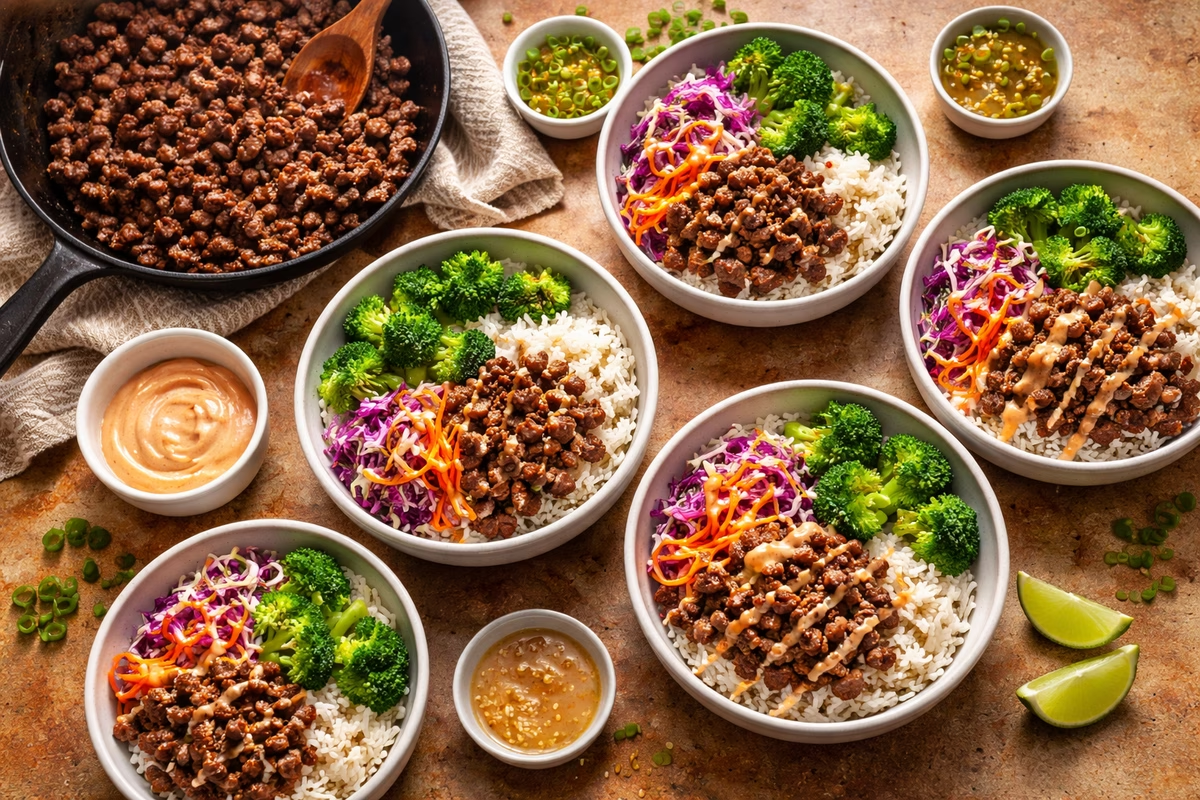
The pan has to do a real job
A good one-pan meal begins with choosing what the pan is supposed to accomplish. A sheet pan is good at roasting, drying surfaces, browning edges, and making vegetables taste less like obligation. A skillet is good at direct heat, browning protein, wilting greens, reducing sauce, and bringing leftovers back to life. A pot is good at simmering and softening, but many boy kibble meals become more satisfying when the main flavor comes from browning instead of boiling.
The mistake is asking one pan to do incompatible jobs at the same time. Wet vegetables, raw meat, delicate greens, and already cooked rice do not all want the same treatment. If everything is thrown together at once, the result may be safe and edible, but it often tastes steamed, crowded, and tired. One-pan cooking works best when the ingredients enter in an order that respects heat.
That does not require fussiness. It only requires noticing. Potatoes need longer than peppers. Cabbage can take heat but also gives off water. Ground meat needs space to brown before it becomes sauce. Broccoli likes enough oil and enough room. Rice is usually better cooked separately or reheated at the end. Eggs should not be treated like rocks.
The pan can be simple. The timing still matters.
Sheet pans are for texture
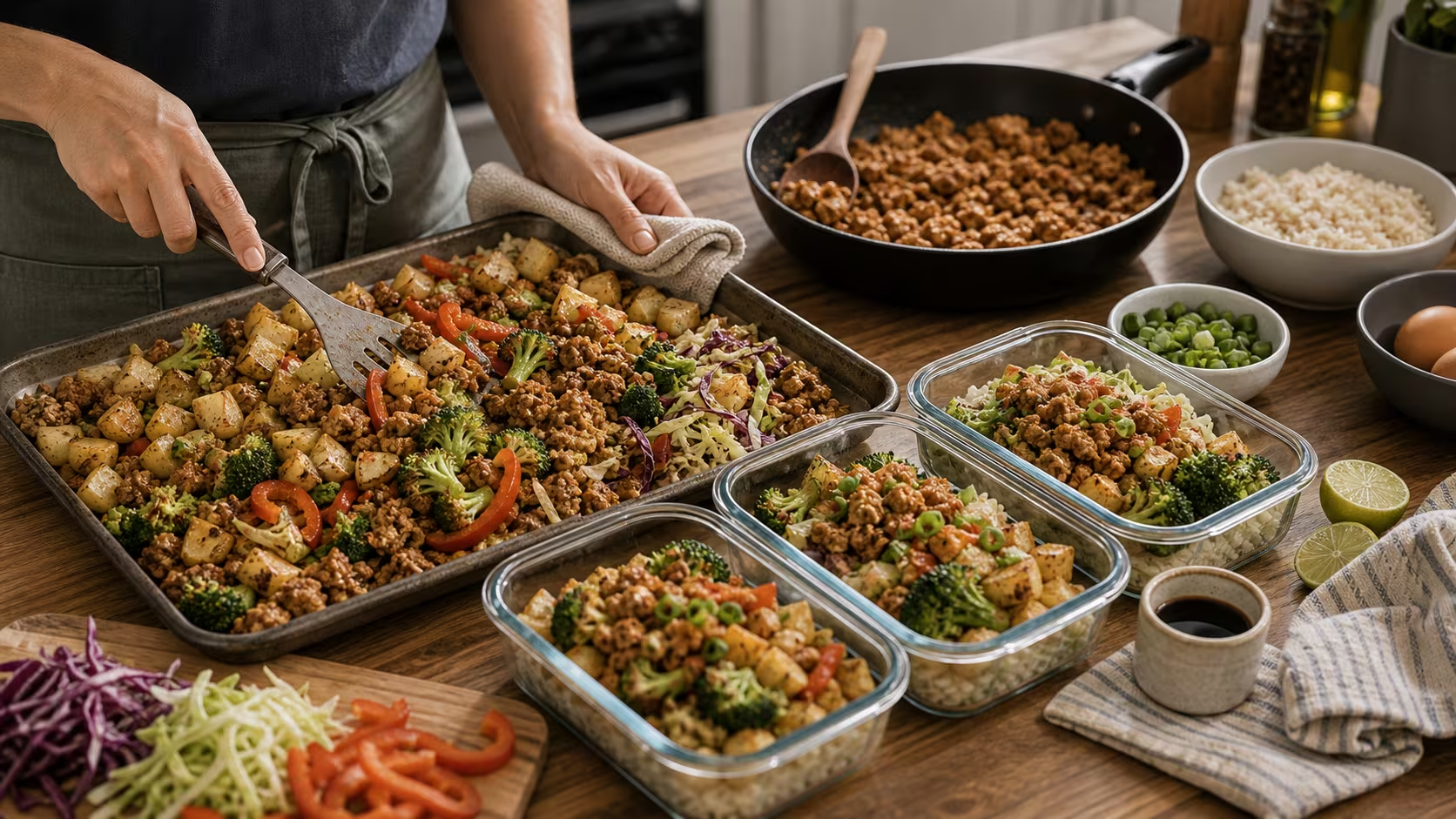
The sheet pan is the easiest way to make boy kibble feel more like dinner. Roasted potatoes, broccoli, peppers, onions, cabbage wedges, carrots, cauliflower, sweet potatoes, chickpeas, tofu, sausage-style slices, and seasoned chicken pieces all become more interesting when the oven does some browning for you. The oven also gives you time to make a sauce, clean the cutting board, or stand still for five minutes like a person with a life outside dinner.
Crowding is the enemy. When a sheet pan is packed too tightly, food steams. Steamed food is not automatically bad, but it is not why you turned on the oven. If you want browned edges, the ingredients need contact with the pan and enough space for moisture to escape. This is one reason a second sheet pan can be more honest than forcing a “one-pan” rule until dinner suffers. Low cleanup is the goal. Literal purity is not.
A sheet pan also works well for meal prep because roasted components can be recombined. Potatoes and broccoli with turkey one day can become eggs and potatoes the next morning. Roasted peppers and onions can go into rice, tortillas, beans, or pasta. The sheet pan gives you cooked parts that still have texture.
The finishing move matters. A tray of roasted ingredients can taste flat if it never gets acid, sauce, or something fresh. Yogurt sauce, salsa, hot sauce, lime, pickles, herbs, slaw, tahini, or a spoonful of chili crisp can turn the same tray into several meals. The pan builds the base. The finish keeps it from becoming a punishment.
Skillets are for control
A skillet is better when the meal depends on browning and adjustment. Ground beef, turkey, chicken, tofu crumbles, beans, eggs, leftover rice, and chopped vegetables can all become a bowl quickly in a skillet. You can see the moisture, smell the browning, and move ingredients around as they finish.
Skillet boy kibble often works best in layers. Brown the protein first so it has flavor. Add sturdier vegetables while there is still heat and fat in the pan. Add softer greens near the end. Add cooked rice, beans, or potatoes when you are reheating rather than trying to cook from raw. Add sauce late enough that it coats instead of burning.
This sounds like a recipe, but it is really a rhythm. Brown, soften, combine, finish. Once you know the rhythm, the ingredients can change. Taco-ish turkey and cabbage. Soy-ginger tofu and broccoli. Egg, potato, and greens. Beans with peppers and rice. Chicken with zucchini and yogurt sauce. The skillet is not asking for originality. It is asking you to avoid dumping everything into a cold pan and hoping the sauce fixes it.
The skillet is also good for rescuing leftovers. Cold rice, roasted vegetables, and yesterday’s protein can become a real meal if they get hot surface contact and a fresh finish. The microwave reheats. The skillet revives.
The base can be cooked somewhere else
One-pan meals become much easier when you stop insisting that the starch must cook in the same pan every time. Rice from a rice cooker, potatoes roasted earlier, tortillas from the package, leftover pasta, canned beans, or oats for breakfast can all support a one-pan main. The active cooking still happens in one place. The base simply waits.
This is especially useful for meal prep. Cook a plain base once, then use the pan to change the personality of the meal. Rice with browned turkey and cabbage becomes one bowl. The same rice with beans, eggs, and salsa becomes breakfast. Potatoes with chicken and greens become dinner. The same potatoes with yogurt sauce and a fried egg become lunch.
The base should be plain enough to adapt but not so plain that it tastes abandoned. Salt matters. A little fat can help. Good storage matters too. Dry rice and soggy potatoes make every later meal harder.
One pan does not mean one texture
The easiest way to make one-pan food depressing is to let everything become soft. Soft protein, soft rice, soft vegetables, soft sauce, soft reheated leftovers. The mouth gets bored before the stomach is full.
Texture can come from the pan, but it can also come after the pan. Fresh cabbage, scallions, cucumbers, pickled onions, toasted seeds, crushed chips, peanuts, herbs, or raw peppers can change the meal with almost no cooking. A cold topping on a hot bowl is one of the fastest ways to make simple food feel intentional.
This is why Sauces and Toppings That Save Boy Kibble from Sadness matters so much. The pan makes the meal possible. The topping makes repetition survivable.
Cleanup is part of the design
Low-cleanup cooking is not laziness. It is design. Line a sheet pan when that makes sense. Use a bowl you will also eat from. Wash the cutting board while the tray roasts. Keep sauces in containers that are easy to spoon from. Do not create a new dish just to feel like you are cooking properly.
The best one-pan system is the one you can repeat on a tired night. It should leave you with food for now, maybe food for tomorrow, and a kitchen that does not punish you for having cooked. That is not a small thing. For many people, the difference between eating well and ordering out is not culinary knowledge. It is the emotional weight of starting and finishing the task.
One-pan boy kibble respects that. It says dinner can be simple without being bleak, practical without being flavorless, and efficient without turning into a beige container of compromise.
The pan is not the point. The repeatable meal is.