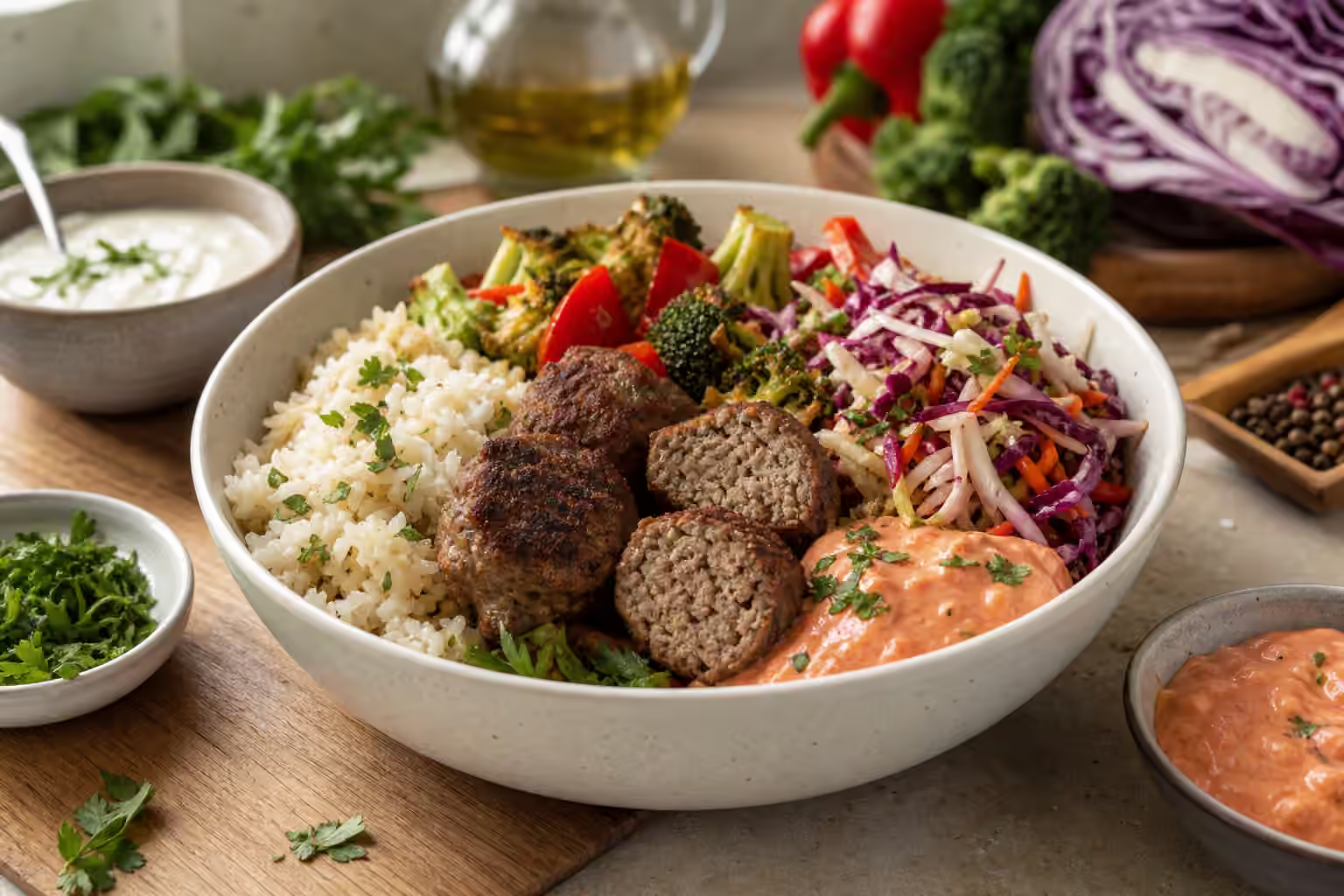
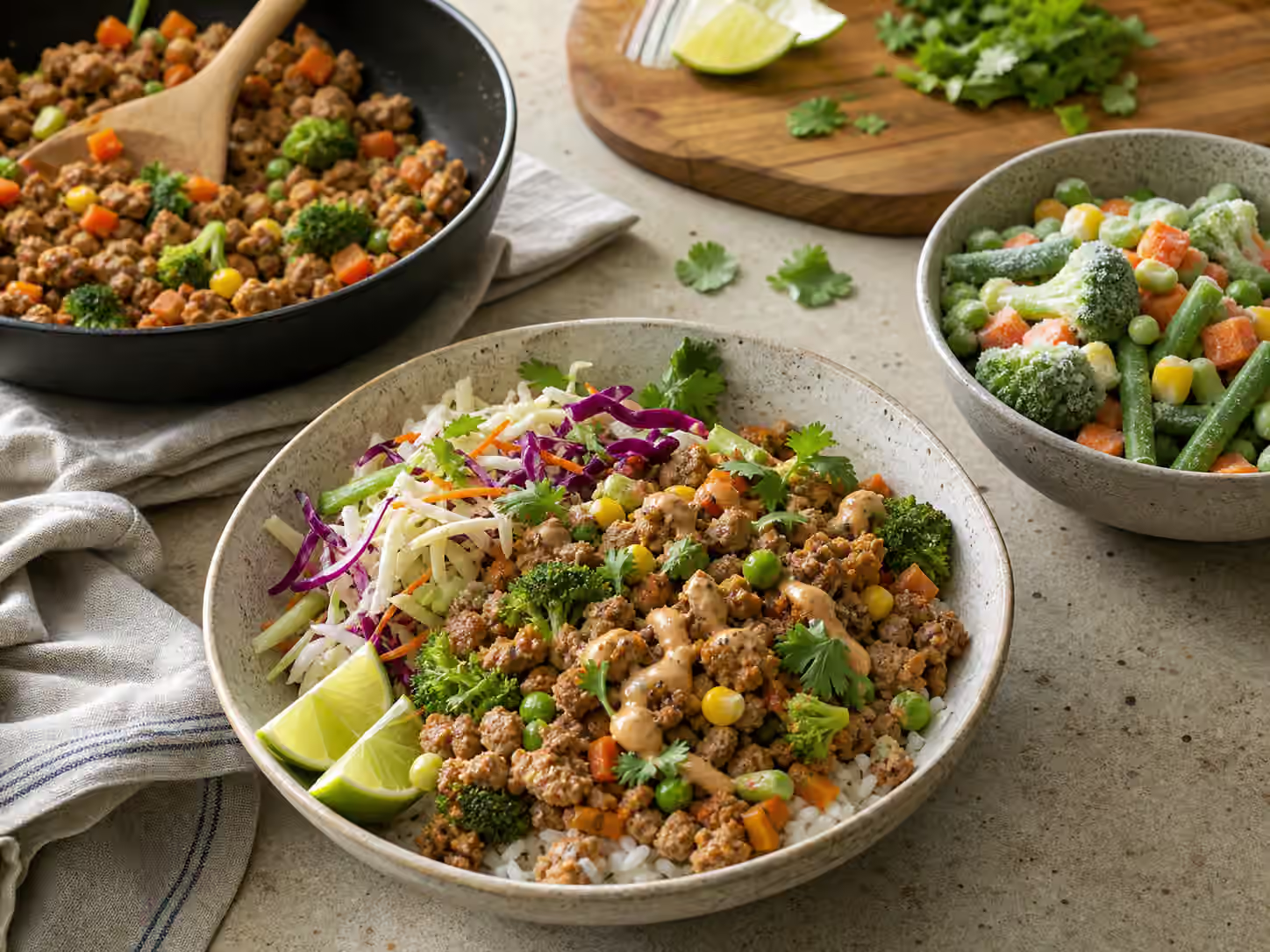
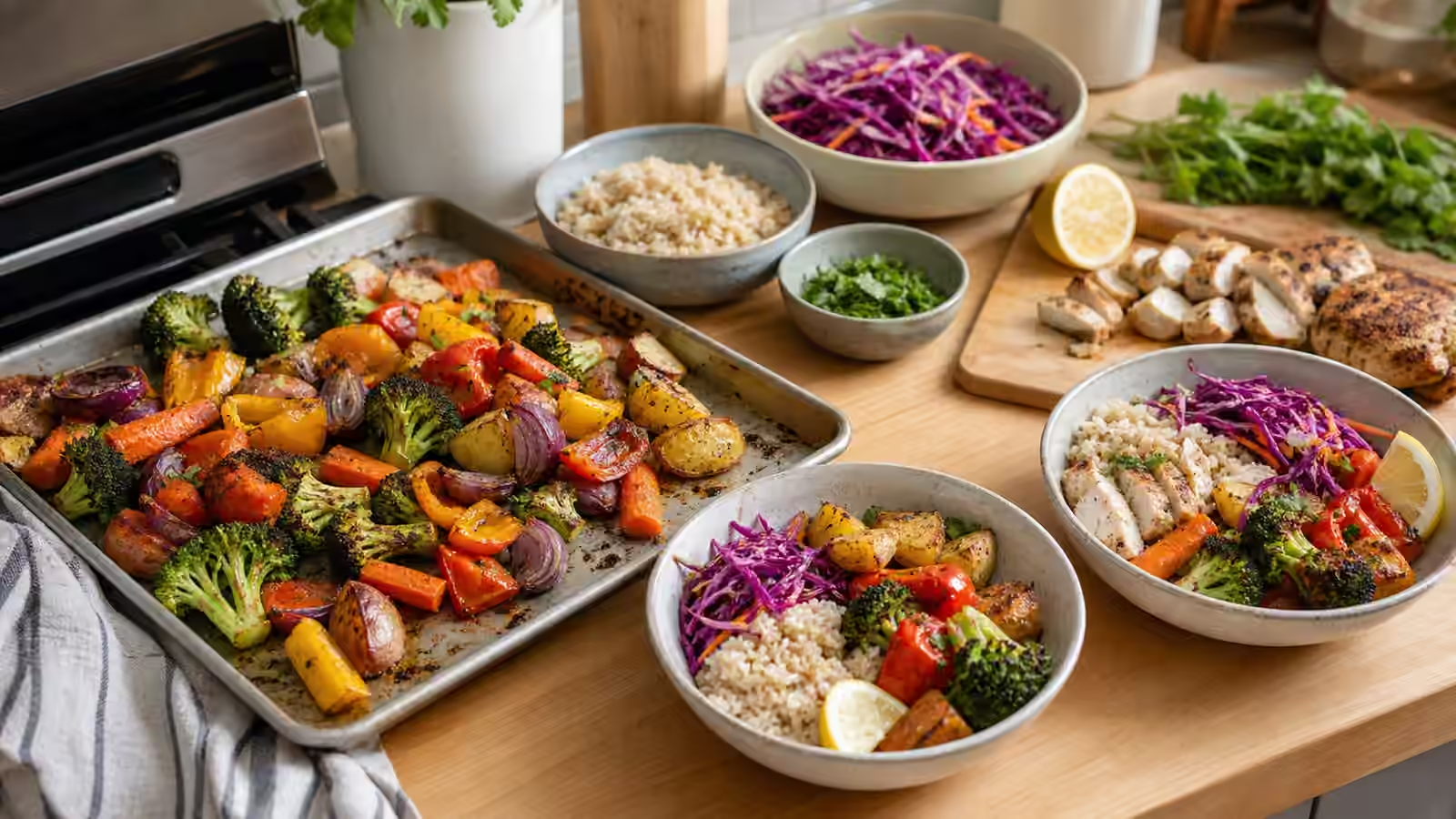
Rice is the default boy kibble base because it is cheap, quiet, and hard to argue with. It lets ground meat, tofu, beans, eggs, vegetables, and sauce do their work without asking for much attention. But rice is not always the right base. Sometimes the bowl needs more chew. Sometimes the sauce wants to coat every bite instead of sitting on top. Sometimes another container of rice and browned protein feels like the same lunch wearing a different shirt.
That is where noodles earn their place. Noodle boy kibble is not a separate cuisine or a fancy upgrade. It is the same practical system with a different platform: protein, noodles, vegetables, sauce, and a finishing contrast that keeps the bowl from turning into one soft pile. The trick is treating noodles like noodles, not like rice with longer pieces.
Boy Kibble Bases already makes the broader case that the base decides how the meal eats. Noodles make that lesson obvious because they change the entire bite. A rice bowl can tolerate sauce on top. A noodle bowl usually wants sauce worked through. A rice bowl can hide dry protein for a few bites. A noodle bowl exposes dry protein immediately because every forkful depends on coating, moisture, and texture.
Noodles Are Better When the Sauce Has a Job
The most common bad noodle bowl is not undercooked. It is under-designed. Plain noodles, plain ground meat, and a random bottled sauce become sticky, salty, and strangely flat. The problem is that noodles do not behave like a passive starch. They grab sauce, absorb liquid, and keep changing as they sit. If the sauce is too thin, the bowl tastes wet but not flavorful. If the sauce is too thick, the noodles clump. If the sauce is mostly sugar and salt, the first bite is loud and the last bite is exhausting.
A useful noodle sauce has body, salt, and a little contrast. Soy sauce alone can season, but it rarely gives the bowl enough shape. Peanut butter or tahini can add body, but they need acid and water to loosen. Chili crisp can bring heat and texture, but it needs a base sauce or enough moisture from the noodles. Yogurt sauce can work in a cold or room-temperature noodle bowl, but it should not be treated like a hot pan sauce. Salsa can be good with noodles only when the rest of the bowl is moving in that direction, such as a taco-ish ground turkey bowl with cabbage and lime.
This is the same division that shows up in Sauces and Toppings That Save Boy Kibble from Sadness . Sauce should finish a bowl, not apologize for it. With noodles, that means the sauce needs to coat the noodles lightly, support the protein, and still leave room for something fresh or crunchy at the end.
Choose Noodles for the Week You Are Actually Having
Not every noodle needs to become meal prep. Some noodles are best for a fast dinner and a planned leftover lunch. Others are sturdy enough for a few reheats. The choice matters less as a culinary identity and more as a logistics decision.
Short pasta is the most forgiving when the bowl leans toward tomato, pesto, sausage-style seasoning, beans, or roasted vegetables. It behaves well with ground beef, turkey, chicken, chickpeas, spinach, peppers, and grated cheese because it is already comfortable with thicker sauces. It can still become dry in the fridge, but a splash of water and a little sauce usually bring it back.
Wheat noodles, ramen-style noodles, and udon-style noodles are better when the flavor lane is savory, sesame, ginger, garlic, chili, peanut, or soy. They work well with browned beef, turkey, chicken, tofu, eggs, cabbage, cucumber, broccoli, mushrooms, and green onion. They also show off texture, which is useful when the bowl would otherwise feel too soft. Rice noodles can be excellent with bright sauces, lime, herbs, cucumber, slaw, shrimp, tofu, or chicken, but they can be less forgiving after refrigeration unless they are dressed and handled with care.
The point is not to memorize categories. The point is to stop using the same noodle for every job. If you want a hot skillet-style dinner, use a noodle that can handle heat and sauce. If you want a cold lunch, use a noodle that still feels good at room temperature with a bright dressing. If you want meal prep, choose a noodle that can be refreshed without becoming mush.
Season the Protein Before It Meets the Noodles
Noodles reveal bland protein quickly. Rice can create a little distance between the meat and the sauce. Noodles do the opposite. They drag every bite through the same coating, which means an under-seasoned protein tastes under-seasoned everywhere.
Start with the habit from How to Season Boy Kibble Before the Sauce Goes On . Brown the protein well enough that it tastes cooked before the sauce arrives. Salt it while it is hot. Choose a lane before adding every condiment within reach. Ground beef can handle garlic, soy, chili, ginger, black pepper, tomato, or mustard depending on the bowl. Ground turkey and chicken need more help from salt, aromatics, fat, and sauce because they are quieter. Tofu needs a dry surface and real browning so it does not vanish into the noodles. Beans need a few minutes in a pan with seasoning instead of being dropped in cold and hopeful.
Once the protein has direction, the noodles become easier. A soy-garlic turkey base wants noodles, cabbage, cucumber, green onion, and chili crisp. A tomato-ground beef base wants short pasta, spinach, peppers, and maybe a sharp or creamy finish. A browned tofu base wants noodles, broccoli, sesame, lime, and crunch. A bean-heavy base wants enough acid and texture that the bowl does not become starch on starch.
Use Vegetables as Structure, Not Decoration
Noodle bowls need vegetables because noodles and protein alone can become dense quickly. The vegetable is not there to make the meal look virtuous. It changes the bite.
Cabbage and slaw are especially useful because they stay crisp, tolerate strong sauce, and make a hot bowl feel less heavy. Cucumber is good when the bowl needs cold freshness. Broccoli, peas, peppers, mushrooms, spinach, and carrots can work when they are cooked enough to stop leaking water into the sauce. Green onion, herbs, pickles, kimchi, lime, and sesame can make a simple bowl feel finished without turning it into a complicated recipe.
Vegetables for Boy Kibble is useful here because noodle bowls make vegetable timing visible. A watery vegetable can dilute the sauce and make noodles slide around in a dull puddle. A crisp vegetable added at the end can make the same bowl feel intentional. If the noodles are warm and saucy, add something cold, sharp, or crunchy. If the noodles are cold, let cooked vegetables bring sweetness, chew, or savoriness.
Texture matters even more with noodles than with rice. A bowl of soft noodles, soft ground meat, and soft cooked vegetables may be filling, but it eats like a single texture. That is exactly the problem Better Boy Kibble Texture tries to solve. Noodles need contrast from browned edges, crisp vegetables, sesame seeds, crushed nuts, fried onions, pickles, or a fresh finish that interrupts the softness.
Treat Meal Prep as Components
Noodle boy kibble can meal prep, but it does not like neglect. Fully dressed noodles packed under hot protein and sealed for days often become swollen, sticky, and dull. The better approach is close to the component system from How to Meal Prep Boy Kibble Without Hating It by Wednesday : cook the sturdy parts, cool them with some intention, and finish the bowl when you eat.
If noodles are the main base for the week, slightly undercooking them can help because they will keep softening after cooking. Rinsing can make sense for cold noodle bowls where you want to stop the cooking and remove extra surface starch. For hot sauced bowls, a little starch can be helpful because it helps the sauce cling. The right move depends on the final meal, not on a universal noodle rule.
Sauce storage matters. A thick sauce kept separate can revive noodles at lunch. A thin sauce absorbed too early can make them taste tired. Fresh vegetables should usually stay separate until serving, especially cucumber, herbs, slaw, lettuce, and anything crisp. Cooked protein can be stored separately or beside the noodles if it is not too wet, but the more flexible choice is separate storage when you have the containers and patience for it.
Reheating should be gentle. Add a small splash of water if the noodles are stiff, warm the sturdy parts first, then add the sauce and fresh toppings after. If the bowl was designed to be cold, stop trying to make it behave like a hot leftover. Cold sesame noodles with browned tofu, cucumber, cabbage, and chili oil can be a real lunch. It does not need to become a sad microwave experiment.
Let Noodles Break the Rice Loop
The best reason to make noodle boy kibble is not novelty. It is sustainability. A person can eat rice bowls for a while and then suddenly want anything else. That does not mean the system failed. It means the system needs another base that still keeps dinner simple.
Noodles are useful because they change the format without changing the logic. The same ground turkey that went over rice can become a soy-garlic noodle bowl. The same tofu that worked with broccoli and sauce can become a cold sesame lunch. The same beef that felt repetitive over rice can become short pasta with tomato, spinach, and a sharp finish. The shopping list can still overlap. The cooking can still be low-friction. The meal just stops feeling like another container from the same batch.
This is the quiet strength of boy kibble when it is done well. It is not a single meal. It is a way to reduce decisions without reducing every dinner to the same beige answer. Rice will still be the default for many weeks because it earns that role. Noodles are there for the weeks when the default starts to feel like a wall.