Some nights the stove is the problem. Not food, not nutrition, not even time. The problem is heat, cleanup, noise, decision fatigue, or the specific feeling of standing in front of a pan and realizing that dinner has become one more task asking for a version of you that is no longer available.
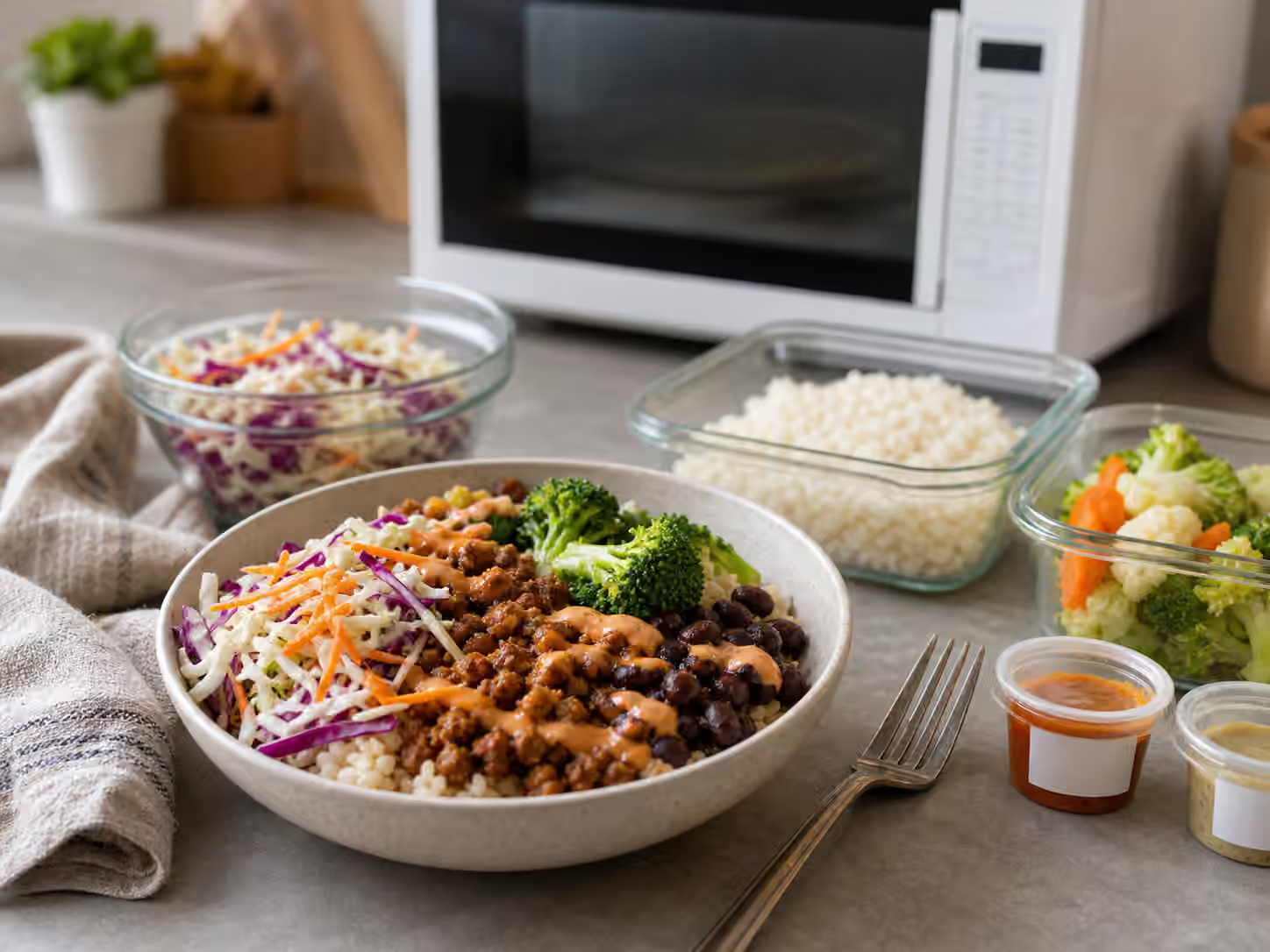
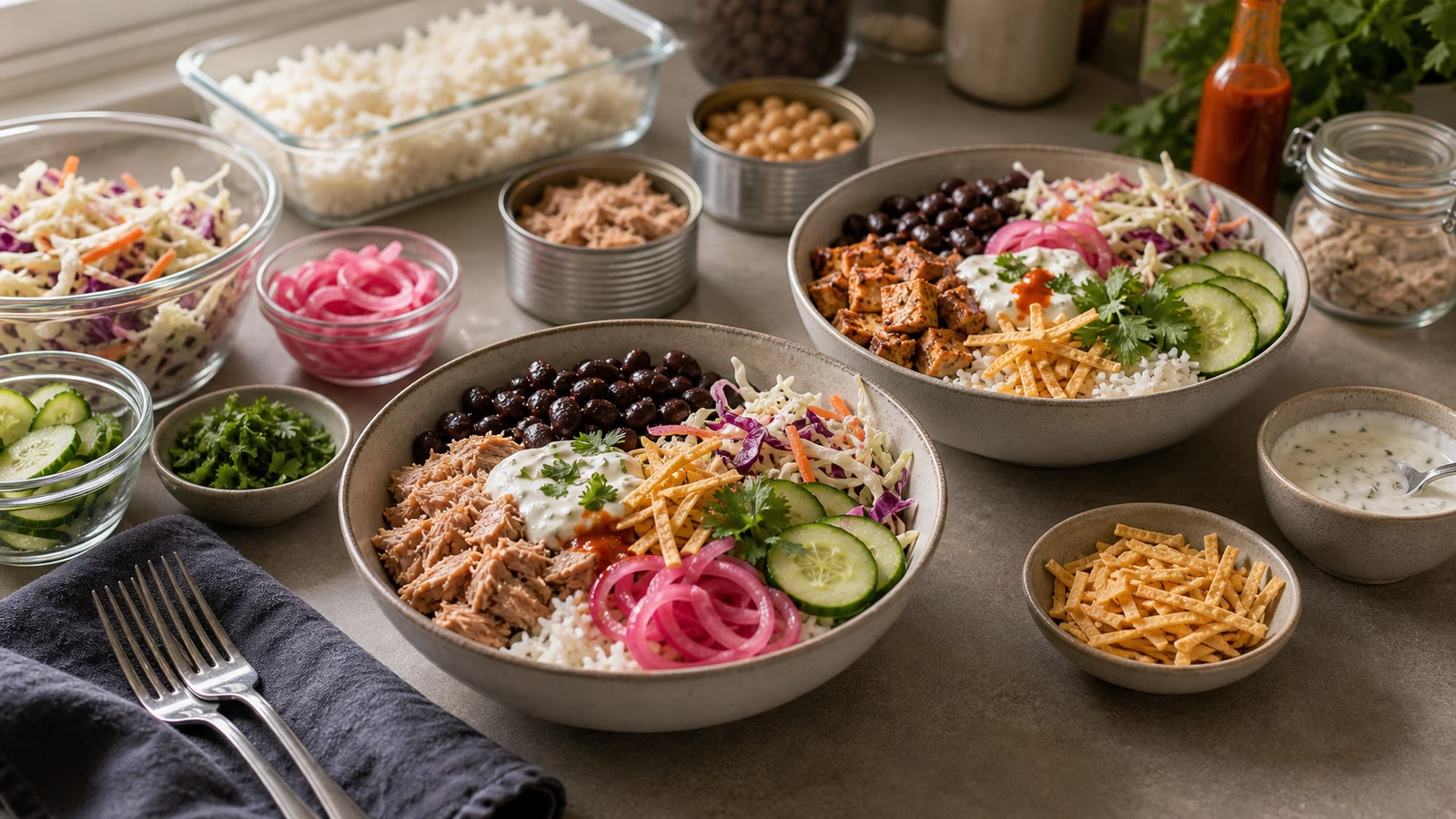
No-cook and low-cook boy kibble is for those nights. It keeps the basic logic of the bowl: a base, a protein, a plant, a sauce, and a finish. It simply stops pretending that every meal needs browning, roasting, or a full prep session to count. Sometimes dinner is microwave rice, canned beans, bagged slaw, yogurt sauce, pickles, herbs, and something crunchy. Sometimes it is tuna, cucumber, leftover potatoes, hot sauce, and a squeeze of lemon. Sometimes it is tofu straight from the fridge with rice, greens, sesame, and a sauce that does the work.
The point is not to make cooking disappear forever. Cooking is useful. Browning tastes good. Roasting vegetables changes them. But a meal system that only works when you feel like cooking is not a system. It is a fair-weather plan. A good boy kibble rotation needs a low-friction mode for hot days, late nights, tiny kitchens, shared apartments, bad weeks, and the ordinary exhaustion that arrives without asking permission.
The Base Should Be Ready Before You Need It
No-cook bowls depend on a base that does not ask much from you. Microwave rice, leftover rice, cooked grains, tortillas, bread, bagged salad, canned beans, cold noodles, or cooked potatoes can all work. The base does not have to be noble. It has to be available.
Microwave rice is one of the most useful emergency bases because it is fast, portioned, and boring in a productive way. It can carry almost any direction. Leftover rice works too, especially if you know how to reheat it with a little moisture. Cold rice can be pleasant in some bowls if the sauce is strong enough and the texture is intentional. Tortillas turn the same ingredients into wraps. Bagged greens turn the bowl into a salad with protein and starch added.
The base should not be expected to create the whole meal. It is the platform. The flavor comes from sauce, acid, salt, fat, crunch, and the protein. A plain base is not a failure if the rest of the bowl has contrast.
Canned and Cold Proteins Need a Finish
The easiest proteins in a no-cook system are already cooked or safe to eat as sold. Canned beans, chickpeas, lentils, tuna, salmon, sardines, cooked chicken, tofu, tempeh that has been prepared, cottage cheese, yogurt, hard-boiled eggs, hummus, and leftovers can all become the anchor of a bowl. The important move is to finish them so they do not feel dumped from a container.
Canned beans wake up with salt, acid, oil, and spice. Tuna becomes dinner when it gets crunch, sauce, and something fresh. Tofu needs seasoning, not apology. Cottage cheese can become savory with tomatoes, cucumbers, pepper, herbs, hot sauce, or roasted leftovers. Hard-boiled eggs become less dull with pickles, chili crisp, mustard, yogurt sauce, or greens.
No-cook does not mean no seasoning. In fact, it often needs sharper seasoning because you are not getting flavor from browning. Acid matters more. Herbs matter more. Crunch matters more. A bowl built from cold or packaged components can taste flat if every ingredient arrives exactly as it came from storage.
Bagged Vegetables Are Not a Moral Failure
Bagged slaw, prewashed greens, shredded carrots, chopped cabbage, cucumbers, cherry tomatoes, frozen vegetables that can be microwaved, pickled onions, kimchi, sauerkraut, and jarred roasted peppers all belong in the low-cook kitchen. The question is not whether you performed every knife cut. The question is whether the meal contains enough plant matter, water, crunch, and freshness to feel alive.
Cabbage is especially useful because it lasts longer than delicate lettuce and gives bowls structure. Cucumbers bring coolness. Pickles bring acid and salt. Frozen vegetables are not glamorous, but they can be reliable and cheap. A microwave-steamed vegetable with a strong sauce may be better than the raw vegetable you never used because washing and chopping it felt like too much.
The best no-cook bowl often has one cold crisp thing. That one element changes the meal from pantry assembly to food with texture.
Sauce Is the Cooking
In a no-cook bowl, sauce carries more responsibility. It connects ingredients that have not shared a pan. It adds salt, acid, fat, heat, and identity. Without sauce, the bowl can feel like separate emergency supplies sitting together.
Yogurt sauce, tahini sauce, salsa, hot sauce, vinaigrette, peanut sauce, soy-lime dressing, hummus thinned with lemon, chili crisp, mustard-yogurt, pesto, or a simple oil-and-vinegar mix can all work. The sauce should match the ingredients but does not need to be complex. A spoonful of yogurt, a squeeze of lemon, salt, pepper, and herbs can rescue a bowl faster than a recipe search.
The useful habit is to keep two or three sauce directions available. One creamy, one sharp, one spicy. If those live in the fridge or pantry, dinner becomes less fragile. The same rice and beans can go several directions, which is the difference between a system and a rut.
Food Safety Still Matters
Low-cook meals can feel casual, but storage still matters. Cooked rice, opened cans, dairy, fish, cooked eggs, and leftovers should be handled with normal food safety in mind. Cool leftovers promptly, store them properly, and do not treat a container of rice from the back of the fridge as immortal. If something smells wrong, looks wrong, or has been stored badly, it is not dinner.
This is especially important because no-cook meals often happen when you are tired. Tired people take shortcuts. The safer shortcut is to keep shelf-stable bases, unopened cans, sealed sauces, and fresh vegetables that last. The risky shortcut is trusting questionable leftovers because cooking feels impossible.
Build the low-cook system before the bad night. Keep a few reliable ingredients on hand so the choice is not between delivery and a gamble.
The Bowl Should Feel Like a Choice
No-cook boy kibble works best when it does not feel like surrender. Put the food in a real bowl. Add something crisp at the end. Use acid. Add herbs if you have them. Keep the sauce from being an afterthought. These small gestures make the meal feel chosen rather than endured.
There is dignity in a dinner that respects the state you are actually in. Not every meal needs heat. Not every night needs a pan. The goal is to eat in a way that keeps tomorrow possible.
A good no-cook bowl says: you still deserve dinner, even when cooking is too much. That is not laziness. It is design for real life.