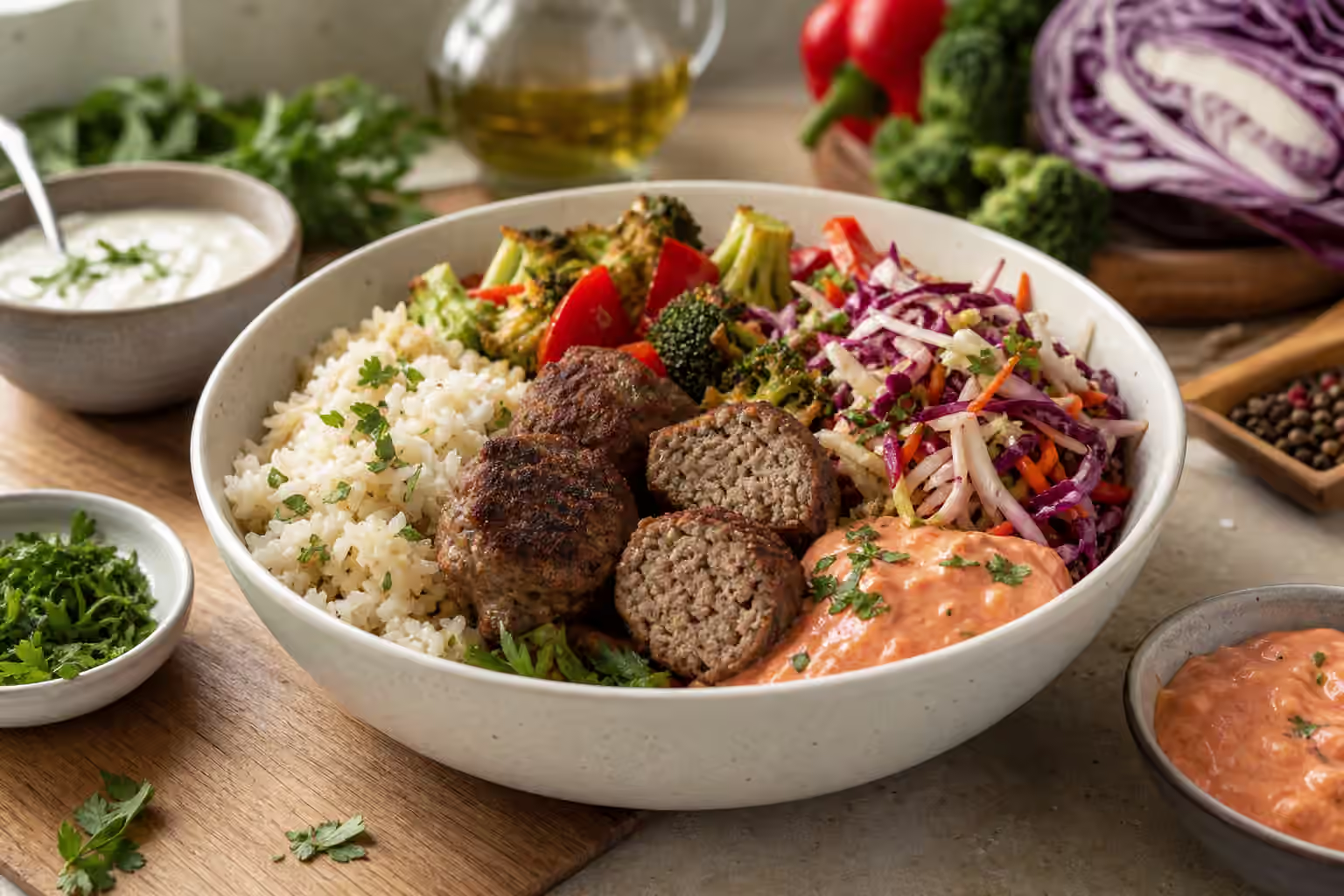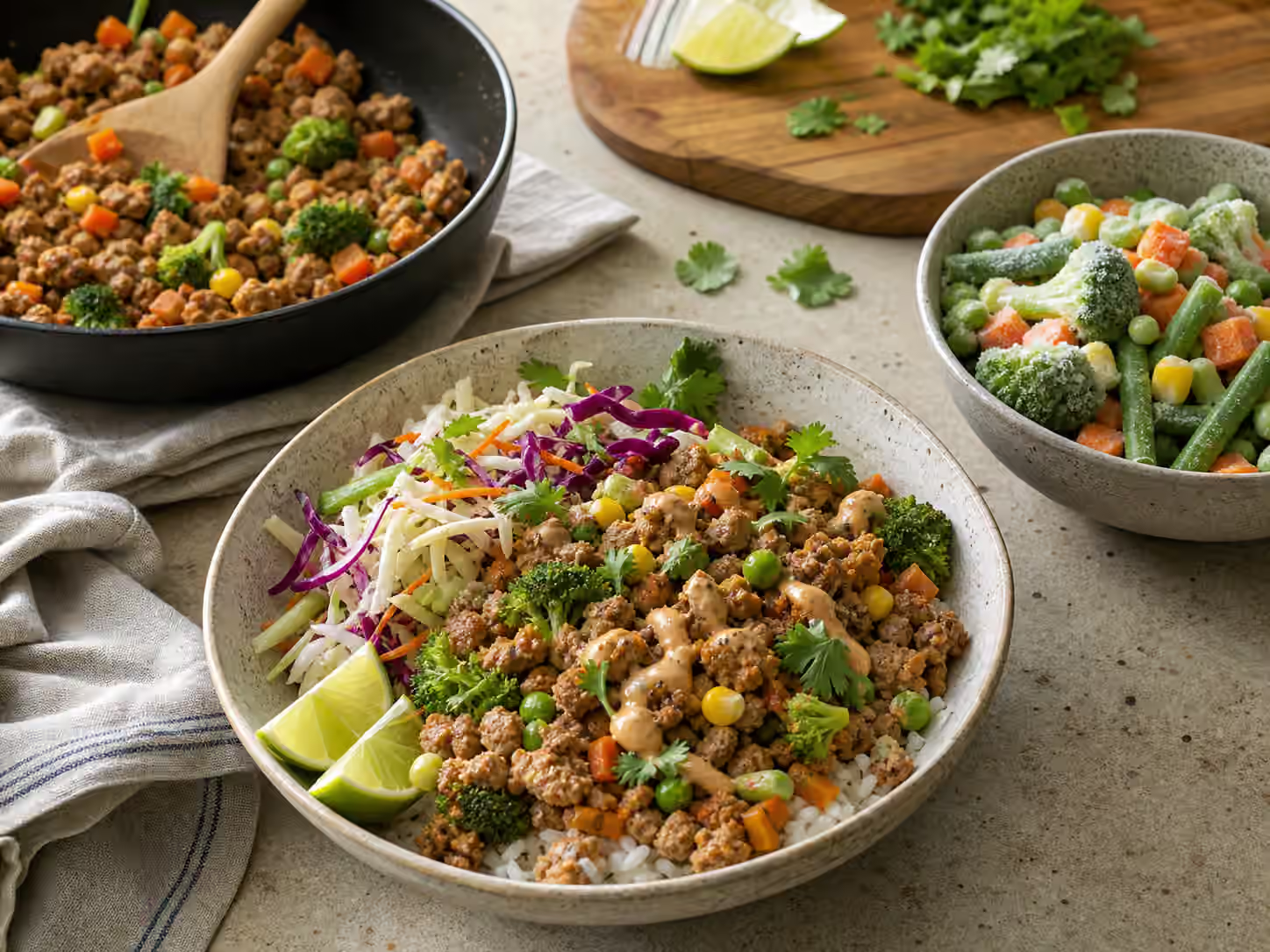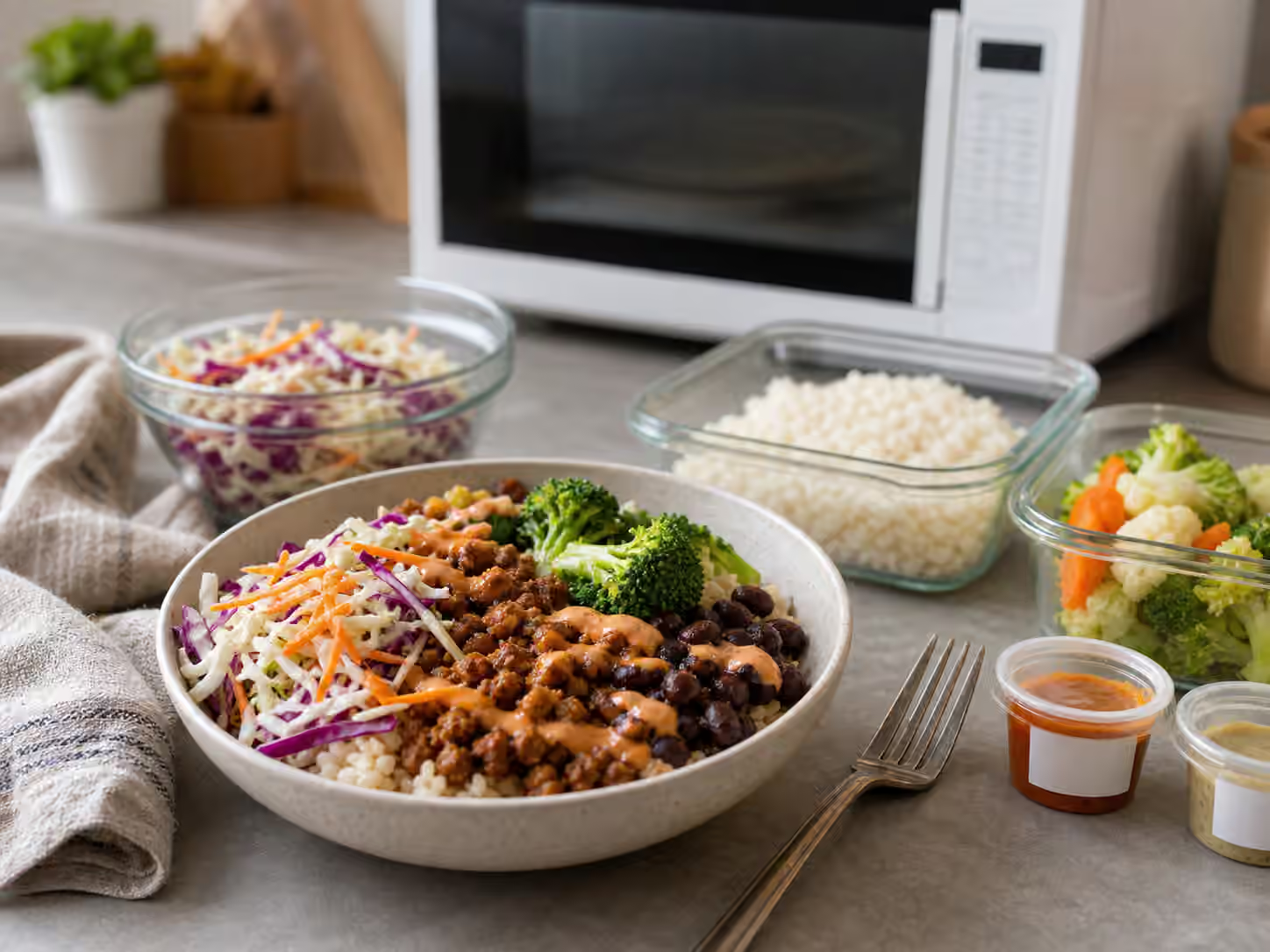
The microwave version of boy kibble exists for kitchens that are not really kitchens. It is for offices with one appliance near the sink, dorm rooms where the counter is also the desk, shared apartments where the stove is occupied, late nights when a pan feels like too much, and lunch breaks where the goal is not cooking glory. The microwave will not brown meat, crisp potatoes, or give vegetables roasted edges. It can still make a real bowl if you respect what it does well.
Microwave boy kibble keeps the same structure as the rest of the system: base, protein, plant, sauce, and finish. The difference is sequencing. Instead of building dinner around a skillet or sheet pan, you build around heat that moves quickly, unevenly, and with a lot of steam. That changes the rules. Moisture becomes more important. Container shape matters. Stirring matters. The fresh finish matters even more because the microwave tends to make food hot and soft before it makes it interesting.
This guide is not trying to replace Rice Cooker Boy Kibble or Air-Fryer Boy Kibble . Those tools are better when you have them and want their strengths. The microwave has a different job. It makes the floor higher on days when the alternative is skipping dinner, buying another disappointing lunch, or staring at ingredients that are technically food but not yet a meal.
The Microwave Is a Steam Tool First
The most useful way to think about a microwave is not as a tiny oven. It is closer to a fast steamer and reheater. It warms water inside food, which means rice softens, beans heat through, frozen vegetables thaw quickly, sauces loosen, and leftovers can come back to life with the right moisture. It also means dry food gets drier, dense food can stay cold in the middle, and delicate greens can collapse if they are treated like roasted vegetables.
That matters because boy kibble already leans soft. Rice, beans, ground meat, steamed vegetables, and sauce can all blur together if nothing cold, crisp, acidic, or fatty interrupts them. A microwave bowl needs contrast on purpose. If the hot layer is rice, beans, and broccoli, the finish might be cabbage, cucumber, pickles, herbs, hot sauce, lime, yogurt sauce, or crushed chips. If the hot layer is potatoes and turkey, the finish might be slaw and a sharp sauce. The microwave handles warmth. The finish handles life.
This is why the microwave guide overlaps with No-Cook and Low-Cook Boy Kibble without being the same thing. No-cook bowls can be assembled cold. Microwave bowls use heat, but they need the same humility: not every part should be cooked just because the appliance is available.
Start With a Base That Forgives Heat
Microwave rice is the obvious base because it is fast, portioned, and neutral. Leftover rice works too if it gets a small splash of water and a loose cover so it can steam instead of dry out. Cooked potatoes can reheat well when cut into smaller pieces. Tortillas can be warmed briefly, though they should not be asked to become crisp. Oats can go savory if that is your lane, especially with egg, beans, greens, hot sauce, and cheese. Noodles can work when they are already cooked or designed for quick soaking, but they need enough sauce to avoid becoming rubbery.
The base should go in first because it usually needs the most help. Cold rice from the fridge is firm and thirsty. Beans can be dense. Frozen vegetables release water. If everything goes into the bowl at once and you blast it until the top looks hot, the center may still be cold while the edges are tired. A better rhythm is to warm the base and sturdy protein first, stir, then add vegetables or sauce depending on what they need.
This sounds fussy until you do it once. A bowl of rice and beans with a spoonful of water heats more evenly after a stir. Frozen broccoli is better when it is microwaved separately or set on top where steam can move around it. Sauce is often better after heating, unless it is being used to keep lean protein moist. Fresh toppings should wait until the end because warm slaw is rarely the point.
Protein Needs Either Moisture or Structure
The microwave is kind to some proteins and cruel to others. Beans, lentils, shredded cooked chicken, sauced ground meat, tofu, tempeh that has already been prepared, eggs cooked carefully, and leftovers with enough moisture can all work. Dry chunks of lean chicken, overcooked turkey, and plain crumbles that were already tired will usually become tougher unless they are protected with sauce, broth, salsa, a damp cover, or a shorter heating cycle.
Beans may be the easiest microwave protein because they carry moisture and tolerate reheating. Drain them if the liquid tastes tinny, then warm them with salt, spice, salsa, hot sauce, or a little oil. Lentils behave similarly. A bowl with rice, lentils, frozen spinach, yogurt sauce, and pickles is not glamorous, but it is sturdy food with enough contrast to keep eating. If you want more on that lane, Beans and Lentils for Boy Kibble gives the budget protein side more room.
Leftover ground meat can also work well if it is not reheated naked. A spoonful of salsa, tomato sauce, broth, soy sauce, or even water can keep it from turning pebbly. Stir it into rice halfway through heating so the steam reaches everything. If the meat was under-seasoned the first time, do not expect the microwave to fix it. Add salt, acid, heat, or a sauce with a clear direction. How to Season Boy Kibble Before the Sauce Goes On is still the foundation, even when the appliance is doing less cooking.
Eggs deserve caution because they can go from soft to rubbery quickly and can heat unevenly. If you microwave eggs, use a suitable bowl, beat them well, pause to stir, and stop before they look completely dry. Residual heat will keep working. A microwaved egg will not be a crispy fried egg, but it can make rice, vegetables, and sauce feel more like dinner.
Vegetables Should Be Split by Texture
Frozen vegetables are one of the microwave’s best uses. Broccoli, peas, corn, edamame, spinach, cauliflower, carrots, and mixed vegetables can become bowl material in minutes. The mistake is treating them all as equal. Watery vegetables need draining or a stronger sauce. Sturdy vegetables can sit with rice and beans. Delicate greens may only need enough heat to wilt. Edamame can be a protein helper as much as a vegetable.
Fresh vegetables should not automatically be microwaved. Cabbage, cucumber, lettuce, pickles, slaw, herbs, and tomatoes often do more good cold. They bring snap and temperature contrast to a meal that would otherwise be hot all the way through. The same idea shows up in Vegetables for Boy Kibble : vegetables are not just there for color. They do jobs. In a microwave bowl, the cold vegetable may be the thing that makes the hot parts feel intentional.
If a bowl tastes watery, look at the vegetable before blaming the sauce. Frozen spinach and mixed vegetables can give off enough liquid to flatten everything. Sometimes that liquid is useful, especially with rice. Sometimes it should be poured off. The practical test is whether the base is absorbing flavor or sitting in a puddle. Microwave food gets better when you notice that difference.
Containers Change the Meal
Microwave boy kibble depends on containers more than skillet boy kibble does. A wide shallow bowl heats more evenly than a deep narrow tub. A loose cover traps enough steam to warm rice and beans without turning the inside into a pressure situation. Lids should be vented when the container calls for it. Metal does not belong in the microwave. Containers that are not meant for microwave use are not worth the gamble.
This is not gear worship. It is friction management. If your only bowl is too small, everything crowds and heats badly. If your container lid seals too tightly, reheating gets messy. If the bowl is too deep, the center stays cold while the edges overcook. A practical microwave setup is simply a real bowl, a vented cover or microwave-safe plate, and a small container for sauce when the sauce should stay separate.
Sauce separation matters for meal prep. A creamy sauce can split or soak into rice. A watery sauce can make lunch limp. A spicy oil or chili crisp can lose its punch when buried before reheating. Pack sauce separately when you can, then add it after the hot layer is ready. Sauces and Toppings That Save Boy Kibble from Sadness is especially useful for microwave bowls because the finish has to supply what the appliance cannot.
Microwave Meal Prep Is About Recovery
A microwave lunch has to survive two events: storage and reheating. That is why finished bowls are often worse than components. Rice packed under wet sauce becomes heavy. Slaw packed against hot leftovers wilts. Crisp toppings vanish. Protein dries out if it was lean and unsauced. The better move is to pack the hot base together, keep the fresh finish separate, and add sauce near the end.
This is the same component logic as How to Meal Prep Boy Kibble Without Hating It by Wednesday and Leftover Boy Kibble . The microwave is not there to recreate day-one texture exactly. It is there to recover the sturdy parts well enough that the fresh parts can complete the meal. Rice gets a splash of water. Protein gets a little moisture. Vegetables are heated only as much as they need. Slaw, pickles, herbs, and crunch stay out until the food is hot.
Office lunches benefit from restraint. Do not bring the bowl that needs five separate microwave rounds and half the shared counter. Build something that can heat in one or two passes, stir cleanly, and finish with a small container of sauce or crunch. Rice, beans, frozen vegetables, salsa, and cabbage can work. Turkey, potatoes, broccoli, yogurt sauce, and pickles can work. Tofu, rice, edamame, cucumber, soy-lime sauce, and sesame can work. The best office bowl is the one that respects the room it has to live in.
Know When the Microwave Is the Wrong Tool
The microwave is not good at browning, crisping, reducing sauces, or fixing food that needed seasoning before it was stored. If the thing you want is charred broccoli, crisp potatoes, or browned chicken edges, use a skillet, sheet pan, or air fryer when those are available. If the thing you need is a warm, filling bowl with low cleanup, the microwave is enough.
That distinction keeps expectations honest. Microwave boy kibble should not pretend to be roasted food. It should be good at being microwave food: moist rice, hot beans, warmed protein, vegetables that are not overcooked into sadness, and a finish that adds the missing contrast. When the bowl works, it does not feel like a compromise. It feels like a meal designed around the tool you actually had.
The larger lesson is the same one running through the whole boy kibble library. Simple food works when the system respects real conditions. Sometimes that condition is a rice cooker doing the quiet work. Sometimes it is an air fryer bringing back crisp edges. Sometimes it is a pantry dinner from shelf-stable backups. Sometimes it is a microwave, a bowl, a spoonful of water, and enough sense to add the slaw after the heat.