Meatballs sit in a useful space between raw ground meat and fully prepared protein. They are shaped, seasoned, easy to portion, and often already sitting in the freezer aisle, but they can still turn a simple bowl into something that feels cooked on purpose. The mistake is treating them as a finished meal by themselves. A few meatballs over rice can be filling, but it can also feel like a cafeteria plate unless the base, vegetables, sauce, and finish are doing real work.
That makes meatball boy kibble a good rescue lane for nights when the normal skillet routine has lost its appeal. Ground Beef Boy Kibble and Ground Turkey and Chicken Boy Kibble cover loose ground meat. Meatballs solve a slightly different problem. They bring shape and chew, they reheat more predictably than a thin slice of chicken breast, and they can make a small amount of protein feel more deliberate when the rest of the bowl is simple.
Use Meatballs for Portion Control and Texture
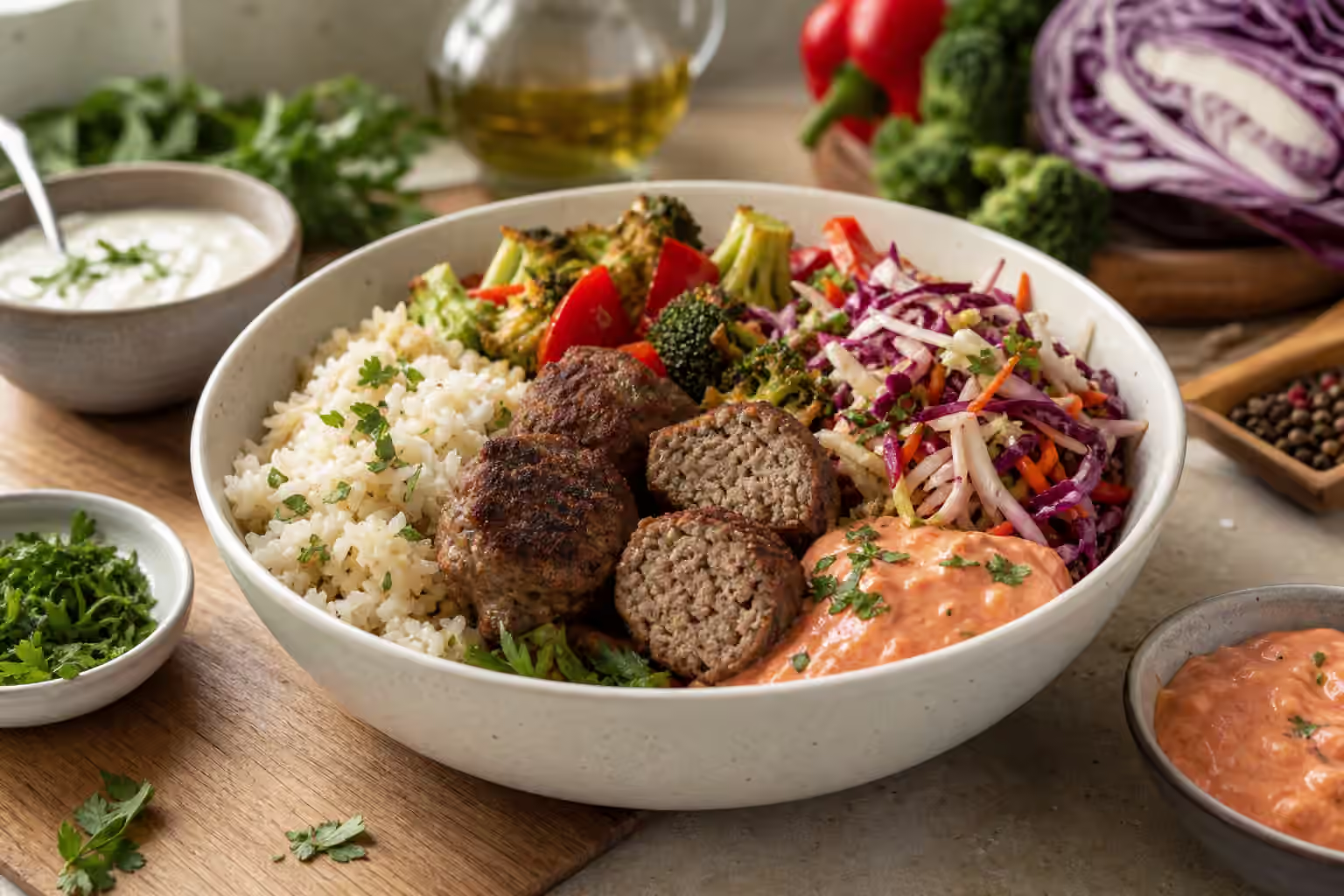
The first advantage of meatballs is not flavor. It is structure. Loose ground meat spreads through a bowl and seasons the rice as it goes. Meatballs stay in distinct bites. That can be helpful when the bowl needs to feel less like a pile and more like dinner. Three or four meatballs, cut in half after heating, can give a bowl enough protein presence without requiring the whole meal to become meat-heavy.
That structure also changes the base. Rice works because it catches sauce and fills the spaces between meatballs. Potatoes work because they match the round, browned, comfort-food feeling. Pasta and noodles can work if the sauce is meant to coat everything. Greens and slaw can work when the meatballs are rich and the bowl needs lift. Boy Kibble Bases is useful here because the meatballs are not the whole system. They are the anchor that tells the base what job to do.
Frozen meatballs are the easiest entry point, but they vary. Some are lean and firm, some are soft, some are salty, and some bring strong seasoning. A grocery prepared meatball may already have enough garlic, cheese, herb, or spice to steer the bowl. Homemade meatballs can be more flexible, but they also ask for more upfront cooking. None of those choices is automatically better. The right one is the one that gives you a repeatable protein without making the rest of the meal annoying.
Heat Them So the Outside Has a Reason
Meatballs can be heated in a microwave, skillet, oven, air fryer, or sauce. Each method gives a different result. The microwave is fast and acceptable when the meatballs are going into a saucy bowl. A skillet gives better browning and lets you split the meatballs so the cut faces pick up color. An air fryer or oven can restore crisp edges without much attention. Simmering in sauce makes them tender, but it can also soften the whole meal if the base and vegetables do not push back.
The most useful weeknight move is to heat the meatballs first, then decide whether they need sauce or surface. If they are already juicy, a short skillet browning and a separate sauce may be enough. If they are dry, a thicker sauce or brothier finish can help. If they are very salty, avoid adding another salty bottled sauce and build the bowl around rice, potatoes, cabbage, cucumber, yogurt, tomato, or pickles that calm the bite.
This is the same seasoning judgment from How to Season Boy Kibble Before the Sauce Goes On , only with less control over the protein. Because meatballs often arrive pre-seasoned, the cook has to season around them. Taste one after heating if you can. That small check tells you whether the bowl needs acid, moisture, crunch, or restraint.
Choose a Sauce Lane That Fits the Meatball
Meatballs invite sauce, but the sauce should not be random. A tomato lane can use rice, pasta, potatoes, roasted vegetables, spinach, herbs, a little yogurt, or a sharp slaw. A barbecue lane can use rice, beans, roasted sweet potatoes, cabbage, pickles, and a small amount of smoky sauce. A soy-ginger lane can work with turkey or chicken meatballs, rice, cucumber, cabbage, scallions, sesame, and chili crisp. A Mediterranean-ish lane can use lemon, yogurt, cucumber, herbs, chickpeas, rice, and greens.
The bowl gets worse when the meatballs are pulled in two directions at once. Italian-style meatballs with soy sauce, salsa, and shredded cabbage may technically be food, but the meal will feel like the refrigerator had the final vote. If the meatballs are already seasoned, follow them. If they are plain, let the sauce define the lane and keep the vegetables compatible.
Sauces and Toppings That Save Boy Kibble from Sadness matters because meatball bowls can become heavy quickly. A rich sauce plus dense meatballs plus rice needs an interrupting finish. That might be pickles, lemon, slaw, herbs, yogurt, hot sauce, cucumber, or a small crunchy topping. The sauce should connect the bowl. It should not bury every bite under the same soft coating.
Let Vegetables Keep the Bowl From Becoming Dense
Meatballs are satisfying because they are compact, but that compactness can make the bowl feel dense. A bowl of meatballs, rice, and thick sauce may be enough food, yet still feel flat halfway through. Vegetables solve that when they are chosen for texture and direction, not just color.
Roasted vegetables fit tomato, barbecue, and comfort lanes. Broccoli, peppers, zucchini, carrots, onions, cauliflower, and mushrooms can all work if they are cooked dry enough to avoid watering down the sauce. Frozen vegetables can be useful too, especially when they are heated separately or cooked until excess moisture leaves the pan. Raw vegetables bring the contrast that meatballs often need most. Cabbage, slaw, cucumber, lettuce, pickles, herbs, scallions, and radishes can make the same bowl feel lighter and more finished.
Vegetables for Boy Kibble gives the broader rule: the plant part should have a job. With meatballs, that job is often freshness, snap, or brightness. If the meatballs are salty, choose vegetables that dilute and sharpen. If the sauce is sweet, choose cabbage, pickles, hot sauce, or yogurt. If the base is potatoes, use greens or slaw so the whole bowl does not turn into one warm brown plate.
Meal Prep Meatballs Without Losing the Finish
Meatballs are friendly to meal prep because they portion naturally. They are less friendly when the entire finished bowl is packed wet and hot. Rice absorbs sauce. Slaw wilts. Meatballs keep steaming. By the next day, the container may still taste fine, but it will not have the structure that made the first bowl appealing.
The better habit is to store the sturdy parts together and protect the finish. Meatballs can sit with rice, potatoes, pasta, beans, or roasted vegetables when the sauce is not too wet. Wet sauce can ride separately when the bowl needs texture. Slaw, cucumber, herbs, pickles, lettuce, and crunchy toppings should usually arrive after reheating. Reheating Boy Kibble applies strongly here because meatballs can take heat, while the fresh parts usually cannot.
If the batch is going into the freezer, think of the meatballs as the reliable center and avoid pretending the whole bowl will return unchanged. Frozen meatballs and sauce can do well. Frozen rice can do well when cooled and packed properly. Fresh slaw, herbs, yogurt sauce, and cucumber should be added later. The freezer can preserve the meal’s work, but it cannot preserve a cold finish that should never have been frozen in the first place.
When Meatballs Are the Right Move
Meatball boy kibble is strongest when you want shape, chew, and portion control without starting from raw ground meat. It is useful for a fast dinner, a freezer backup, a lunch that needs a clear protein, or a week when the normal rice-and-crumbled-meat bowl feels too repetitive. It also works well for mixed appetites because the number of meatballs can change while the base and finish stay the same.
The practical version is simple. Heat the meatballs in a way that matches the night. Choose a base that supports the sauce. Add a vegetable that does more than decorate. Keep the finish bright enough to balance the density. The result is still boy kibble: protein, base, plant, sauce, repeat. The difference is that the protein has a little more shape, and that shape can make a low-effort bowl feel more like dinner.