Meal prepping boy kibble sounds easy because the food itself is simple. In practice, it fails for the same reasons every time: people cook too much of one exact bowl, store it badly, and expect day-four leftovers to feel as good as day-one dinner.
That does not mean the system is bad. It means the system needs slightly better rules.
The goal of meal prep
You are not trying to create seven museum-quality lunches in glass containers. You are trying to make it easier to eat real food on a busy day.
That means a good meal-prep plan should:
- take less time than cooking from scratch every day
- reheat well
- stay safe in the fridge
- leave room for small changes so lunch does not feel punitive
If a meal-prep plan fails those tests, it is not practical no matter how healthy it looks.
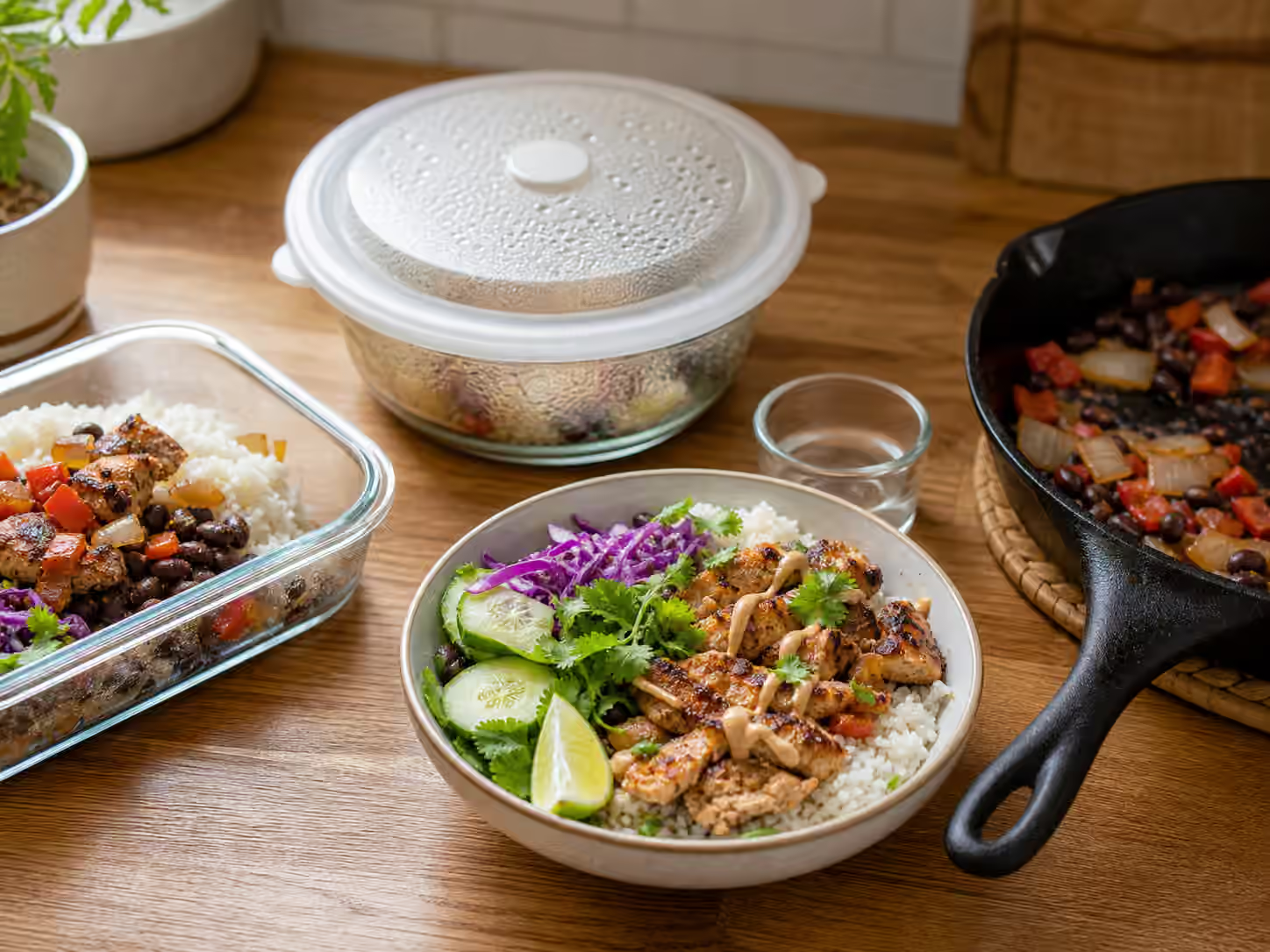
If you want a low-drama setup, glass meal prep containers plus a rice cooker is about as useful as the gear gets for this style of eating.
The smartest thing to prep: components
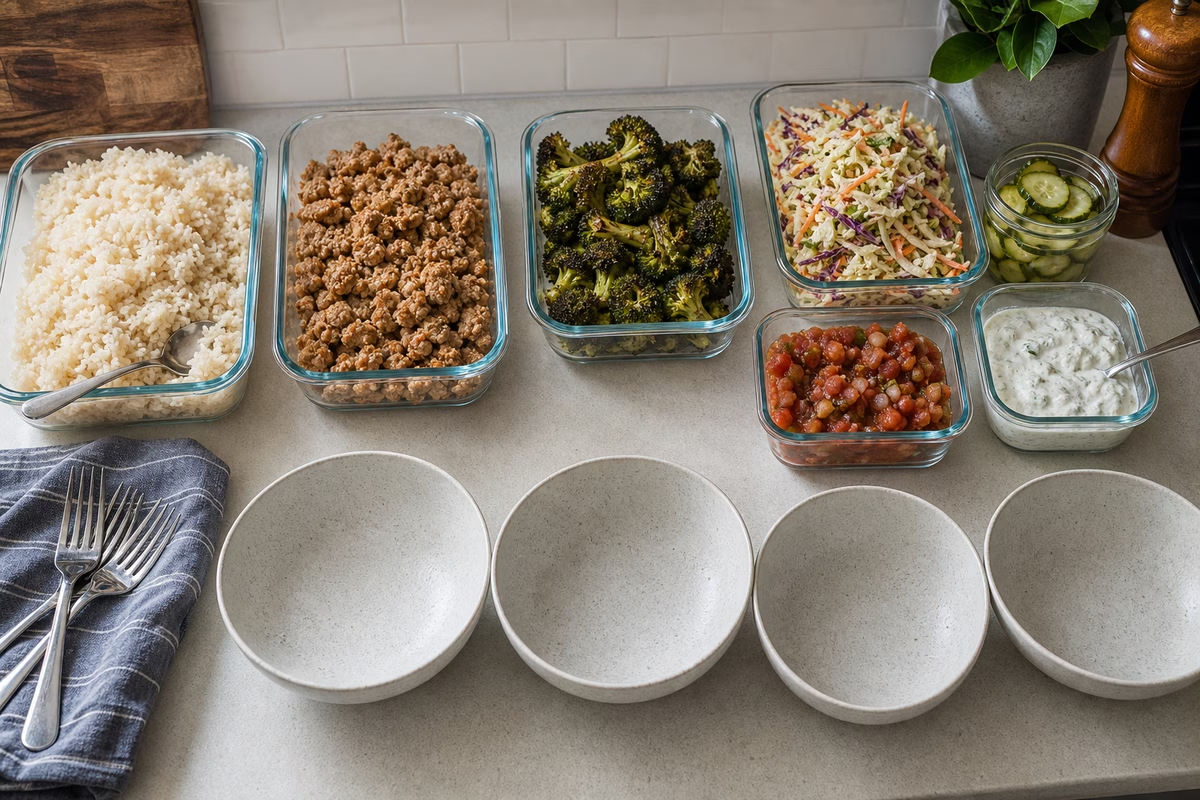
The easiest mistake is building four finished bowls that all taste the same. A better approach is to prep components:
- one protein
- one starch
- one or two vegetables
- sauces separately
- fresh toppings separately
That gives you room to turn the same base into different meals.
Example:
- cooked turkey
- cooked rice
- roasted broccoli
- salsa
- yogurt sauce
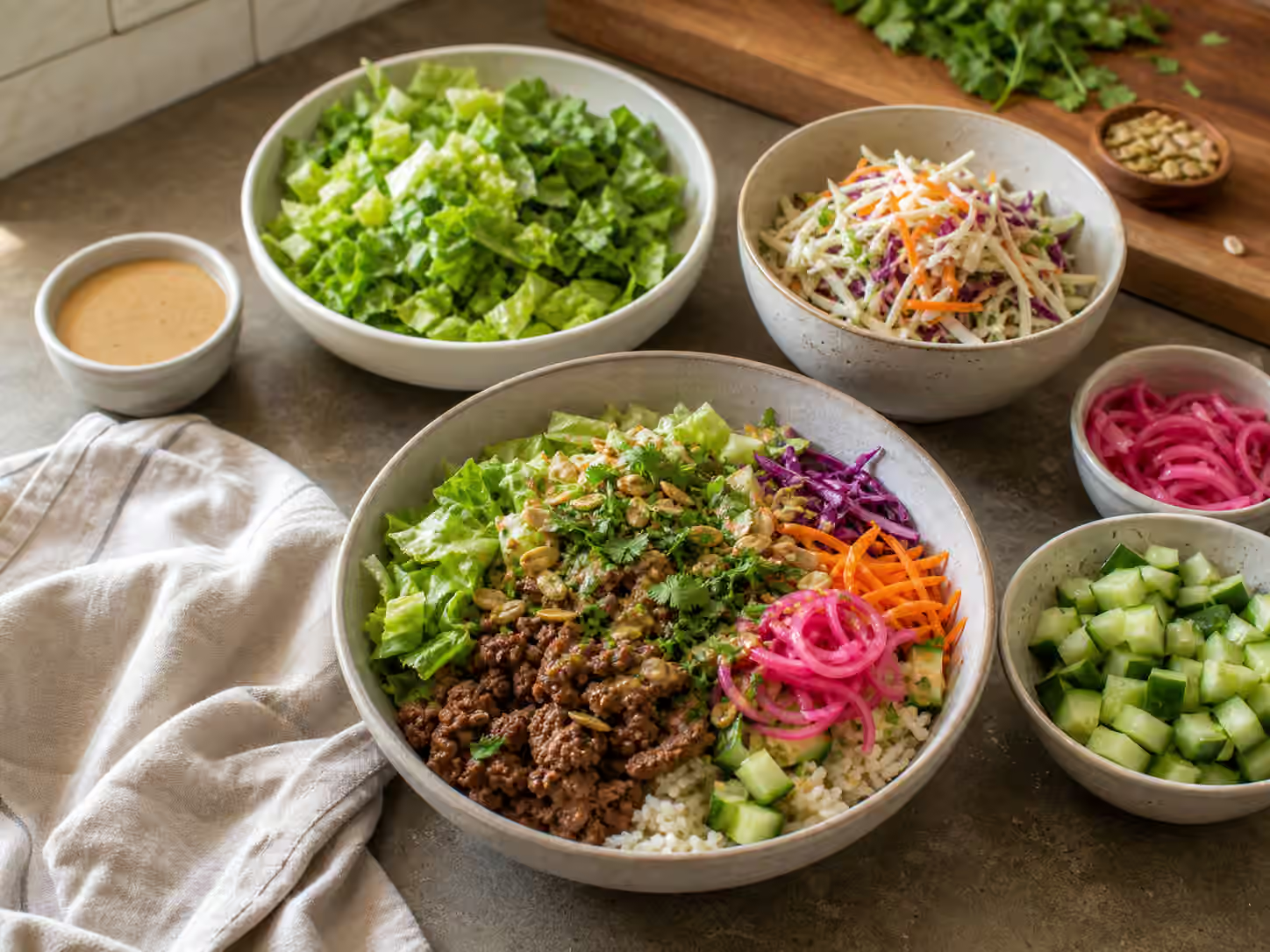
- slaw
- pickles
From that, you can build taco bowls, burger-ish bowls, wraps, or a breakfast-style bowl with an egg. Same prep. Different outcomes.
How much to prep
Boy kibble is best in 3 to 4 day stretches, not full-week monogamy. That rule is good for both quality and food safety.
For one person, a solid batch often looks like:
- 1 to 1.5 pounds protein
- 3 to 4 cups cooked rice or potatoes
- 1 to 2 bags of vegetables
- 2 sauces
- 1 fresh crunchy add-on
That usually gives you four lunches or two dinners plus two lunches without making the fridge feel like a punishment chamber.
What reheats well and what does not
Reheats well
- ground beef
- ground turkey
- ground chicken if not overcooked
- rice
- roasted potatoes
- beans
- roasted broccoli, carrots, peppers, and corn
Better added fresh
- lettuce
- slaw
- cucumber
- herbs
- avocado
- yogurt sauce
- crunchy toppings
The principle is simple: cook the sturdy things, add the fragile things later.
A reliable prep workflow
1. Cook the starch first
Rice, potatoes, or another starch usually takes the longest. Start there so the rest of the prep can overlap.
2. Brown the protein well
Do not steam the meat into gray crumbs. Give it time in the pan so it gets color. Browned meat tastes better on day three because it had actual flavor on day one.
3. Season the protein like it matters
Salt, pepper, garlic powder, onion powder, soy sauce, taco seasoning, chili powder, or a curry blend all work. What matters is that the meat is good before the sauce goes on.
4. Use easy vegetables
Frozen vegetables are ideal meal-prep material. They are cheap, consistent, and low effort. If you like roasted vegetables better, use those, but do not let chopping become the reason you stop prepping.
5. Cool and store promptly
Once the food is cooked, portion it or store components separately. Refrigerate it promptly rather than letting it sit around for hours.
Storage rules that matter
For cooked meal-prep food:
- refrigerate promptly
- plan to finish it within 3 to 4 days
- reheat thoroughly before eating
If you know you will not finish everything in that window, freeze part of the batch on day one instead of waiting until the food already feels old.
When reheating leftovers, aim for them to reach 165 F.
How to keep lunches from tasting identical
The easiest trick is to change the finish, not the entire base.
The same rice and turkey can become:
- a taco bowl with salsa and slaw
- a soy bowl with broccoli and chili crisp
- a burger bowl with pickles and sauce
- a breakfast bowl with egg and hot sauce
This works because sameness mostly comes from flavor and texture, not from the fact that there is rice underneath.
Three meal-prep patterns that work
Pattern 1: The same base, two sauces
Prep one protein, one starch, one vegetable, and use two very different sauces. This is the simplest approach and the best place to start.
Pattern 2: Protein plus two starches
Prep one protein but use rice for some meals and potatoes or tortillas for the rest. This makes leftovers feel less repetitive with minimal extra work.
Pattern 3: Meal-prep bowl plus fallback meal
Prep three or four bowls, but also keep eggs, wraps, or canned tuna available. That way you are not trapped if you suddenly do not want another bowl.
The sauces that meal-prep best
Good meal-prep sauces are strong enough to wake up leftovers:
- salsa
- hot sauce
- yogurt sauce
- teriyaki
- soy sauce plus sesame oil
- burger sauce
Keep sauces separate until serving if possible. Rice and meat hold up better when they are not sitting in a watery sauce for three days.
A four-lunch template
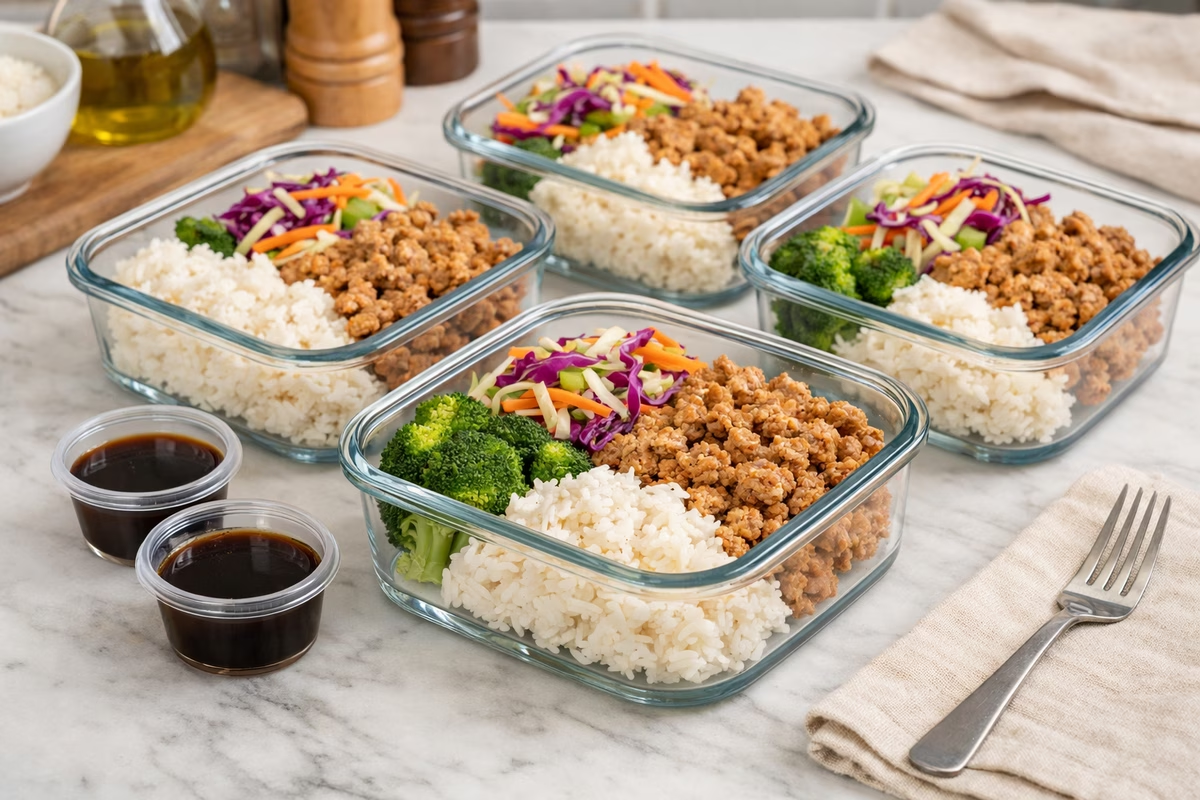
Here is a realistic lunch-prep plan:
Sunday prep
- 1.25 pounds ground turkey
- 4 cups cooked rice
- 2 bags broccoli
- 1 bag slaw
- 1 jar salsa
- 1 small container yogurt sauce
Monday
Turkey, rice, broccoli, salsa
Tuesday
Turkey, rice, broccoli, yogurt sauce, slaw
Wednesday
Turkey wrap with slaw and sauce
Thursday
Turkey bowl with fried egg and hot sauce
Same groceries. Different enough outcomes.
Common meal-prep mistakes
Mistake 1: cooking too much
If you dread your own leftovers, the batch is too large. Prep less or freeze part of it immediately.
Mistake 2: no fresh element
Every container of soft beige food tastes older than it is. Add something cold, crunchy, or acidic at serving time.
Mistake 3: under-seasoned meat
People often rely on a finishing sauce to do all the work. Good meal prep starts with seasoned protein.
Mistake 4: storing everything mixed together
This is convenient on day one and disappointing on day three. Keep some components separate if texture matters to you.
Mistake 5: no exit plan
Even good meal prep gets old. Keep a backup like eggs, tortillas, or canned tuna so the system stays flexible.
Freezer strategy
The freezer is what keeps meal prep useful instead of oppressive.
Things that freeze well:
- cooked ground meat
- rice
- beans
- chili-ish versions of boy kibble
Things that usually freeze worse:
- lettuce and slaw
- cucumber
- yogurt-based sauces
- crisp toppings
Freeze the base, then add the fresh parts later.
Final thought
The best meal-prep version of boy kibble is not the one with the most containers lined up on Sunday. It is the one that still tastes acceptable on Thursday and does not trap you in one exact flavor profile.
Prep the base. Finish with sauces and fresh things later. Keep the batch small enough to stay welcome.
If you want better ingredient choices before you prep, read What to Buy for Boy Kibble and Choosing Protein for Boy Kibble . If you want more flavor range from the same prep, continue with Sauces and Toppings That Save Boy Kibble from Sadness .
Make the bowl repeatable
A good boy kibble meal is practical food with a little care built in. For How to Meal Prep Boy Kibble Without Hating It by Wednesday, the goal is not a perfect recipe. It is a repeatable pattern: base, protein, vegetable, sauce or seasoning, texture, and enough planning that dinner does not become a negotiation with the fridge.
Start with what is already cooked or easy to cook. Rice, potatoes, noodles, beans, eggs, chicken, tofu, slaw, frozen vegetables, and leftovers can become a real meal when the bowl has contrast. Soft needs crisp, rich needs acid, plain needs sauce, and salty needs something fresh.
Then make the next bowl easier. Cook one extra base, wash one crunchy vegetable, keep one sauce ready, or portion leftovers before they vanish into the back of the refrigerator. Small prep beats ambitious meal plans that never happen.
Food safety still matters. Cool leftovers promptly, reheat appropriately, keep seafood and poultry handled carefully, and do not stretch storage beyond common sense.
Good prep should make simple eating feel cared for: fast, flexible, and satisfying without pretending every weeknight is a cooking show.
What to notice after you use this guide
After finishing this guide, choose one next action that can be observed. A guide becomes more valuable when it changes a real choice, not only when it adds more facts.
Name the context. Where are you, what are you trying to improve, and what would count as a good result? The answer keeps the advice grounded in daily life.
Change one variable first. A small controlled change teaches more than a dramatic reset because you can tell what mattered.
Keep one note. Write the date, the choice, the outcome, and the thing you would repeat. The note can be plain and still useful.
Look for tradeoffs. Better boy kibble decisions often involve cost, time, maintenance, comfort, fit, risk, or skill. Seeing the tradeoff makes the decision calmer.
If the result is unclear, wait before adding another fix. Some lessons need a second use, a different day, or a quieter comparison.
If the stakes are high, use qualified sources and professional guidance where appropriate. A guide can organize the question, but it should not pretend to replace expertise.
The goal is practical confidence. How to Meal Prep Boy Kibble Without Hating It by Wednesday should make the next step easier to choose and easier to repeat.