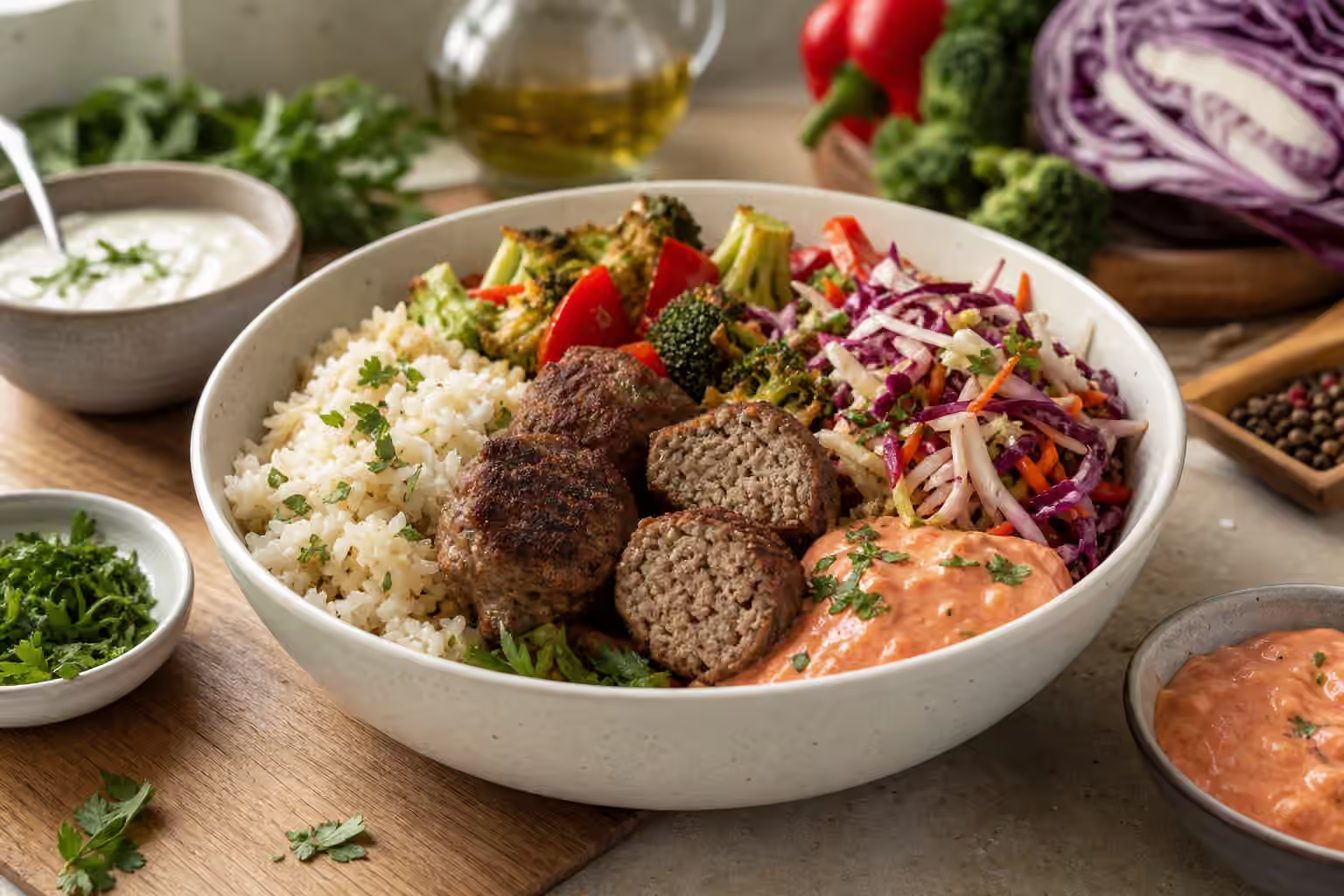
Boy kibble is supposed to be low-friction food, but the kitchen can push back. Ground meat splatters. Fish lingers. Curry paste perfumes the hallway. A hot pan smokes because oil, sauce, or bits of rice are burning on contact. In a house with a strong vent and an empty kitchen, that may be a small annoyance. In an apartment, dorm-style setup, or shared kitchen, it can decide whether you cook at all.
Low-odor boy kibble is not about hiding food or making every meal bland. It is about matching method, protein, seasoning, heat, ventilation, and cleanup to the space you actually have. Tiny-Kitchen Boy Kibble covers space and shared-fridge constraints. This guide focuses on smell, smoke, and the small choices that keep simple cooking from becoming a household event.
Smoke Usually Means Timing Went Wrong
Some cooking smell is normal. Smoke is different. Smoke often means the pan is too hot for the oil, wet food hit overheated fat, sugary sauce burned, spices scorched, or old residue on the pan is cooking again. A boy kibble skillet does not need steakhouse heat. It needs enough heat to cook and brown without turning the kitchen hazy.
Start with a clean pan. Dried sauce and stuck rice burn quickly. Preheat, but do not abandon the pan until it is ripping hot. Add oil that suits moderate cooking, then add the protein before the oil smokes. If the pan starts smoking, lower the heat, move the pan briefly if needed, and give the food a chance to cool the surface. Turning the fan on after smoke appears is less useful than starting airflow early.
Skillet Browning for Boy Kibble still matters. Low-odor does not mean no browning. It means browning with controlled heat and enough patience that moisture leaves without burning the pan. Food that browns steadily tastes better and smells less aggressive than food that scorches in spots while steaming everywhere else.
Choose Proteins by the Room They Will Enter
Protein choice changes the smell of the meal. Ground beef, pork, sausage, seafood, curry-seasoned chicken, and garlic-heavy tofu all have different footprints. That does not make them wrong. It means they may not be the best choice for a late-night shared kitchen or a lunch prep session before guests arrive.
Ground turkey, chicken thighs, tofu, beans, lentils, eggs, rotisserie chicken, and canned beans can be easier in tight spaces when handled thoughtfully. Seafood can still work, but Seafood Boy Kibble is best read with storage and shared-space judgment in mind. Canned fish may be better cold with rice, cucumber, cabbage, and sauce than heated in a small office microwave. Shrimp cooked quickly and eaten right away is different from reheated fish in a shared room.
Sausage and pork can be delicious, but their fat and seasoning linger. If the space is sensitive, use smaller amounts as flavoring rather than the whole batch, or choose a different protein for meal prep. Beef can also be intense if cooked hot and fatty. Draining carefully, adding acid, and cleaning the pan promptly help, but choosing leaner or milder proteins for certain contexts is often the easier solution.
Let Lids and Splatter Screens Help Without Steaming Everything
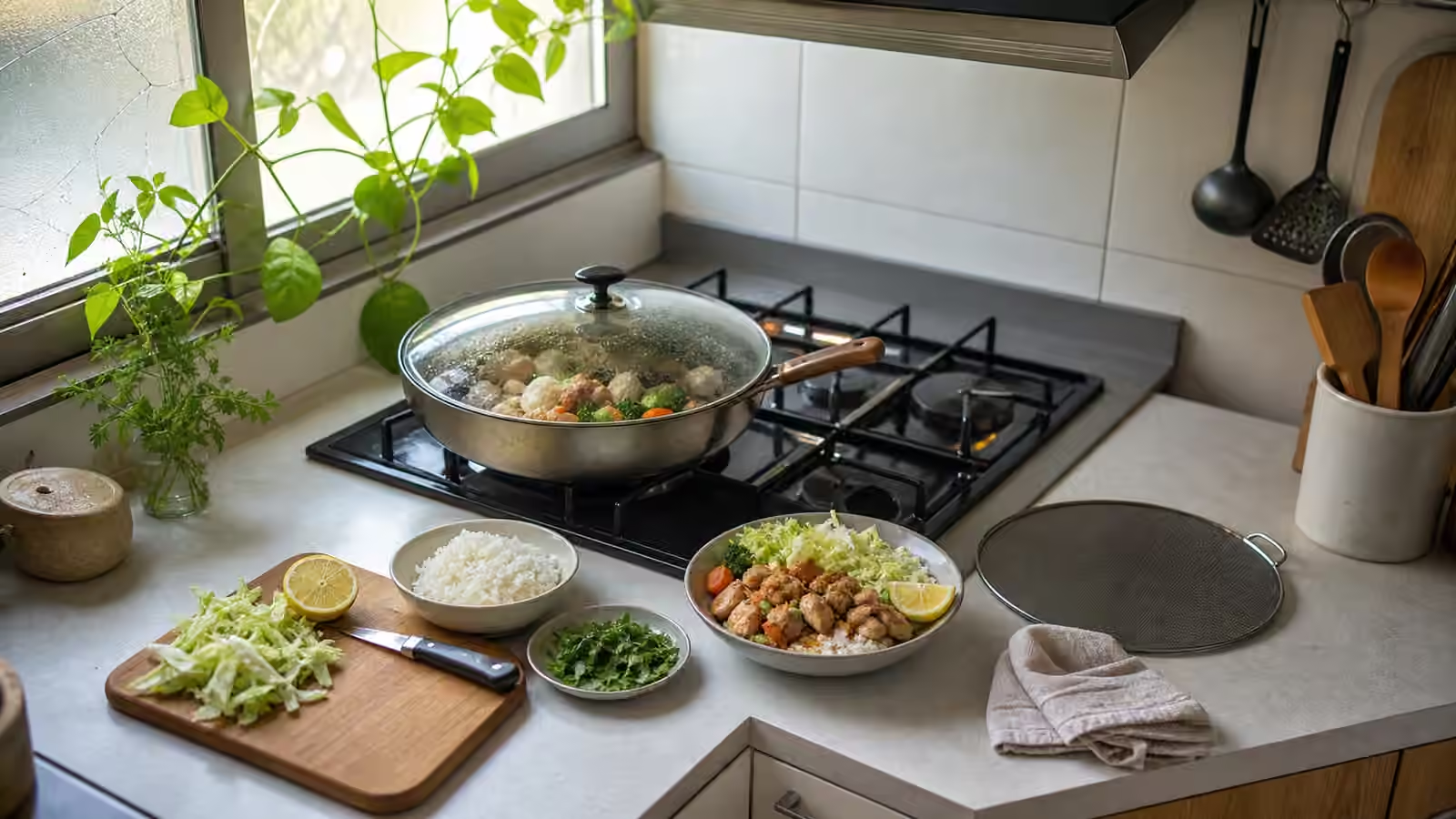
A lid can reduce splatter and smell, but it can also trap steam and soften the food. A splatter screen gives some protection while letting moisture escape. A tilted lid can calm a pan without fully sealing it. These are not fancy tools. They are ways to keep the kitchen cleaner while preserving enough browning to make the bowl satisfying.
Use a lid when ingredients are jumping, when vegetables need a short steam, or when reheating a rice-heavy mixture with a splash of water. Remove it when the food needs moisture to leave. If the lid stays on the whole time, the pan becomes a steamer. That may be fine for a microwave-style bowl, but it will not create the same flavor as a browned skillet base.
This balance matters with frozen vegetables. Covered heat can thaw them quickly, but uncovered time is often needed afterward so water cooks off. Otherwise the finished bowl smells less like cooked food and more like damp leftovers. Vegetables for Boy Kibble covers the same water problem from the ingredient side.
Season With Aroma in Mind
Garlic, onion, curry paste, fish sauce, chili oil, cumin, smoked spices, and vinegar can all be useful. They can also dominate a small kitchen. Low-odor cooking does not mean avoiding flavor; it means being deliberate about when strong aromas enter the pan.
Fresh garlic burns and smells harsh when added too early to a hot dry pan. Powdered garlic is less dramatic and often useful for weeknight bowls. Curry paste and tomato paste smell better when briefly cooked in fat, but they should not scorch. Vinegar, hot sauce, and citrus are often better at the end, where they brighten the bowl without filling the room for an hour. Soy sauce can burn if poured onto an overheated dry pan, so use it after the main ingredient has cooked and there is enough moisture to catch it.
Sauces and Toppings That Save Boy Kibble from Sadness is useful because many strong flavors can move from the pan to the finish. Hot sauce, lime, pickles, herbs, yogurt sauce, tahini, salsa, chili crisp, and sesame can land in the bowl after cooking. That keeps the cooked aroma quieter while preserving flavor where it matters: in the bite.
Clean the Smell Source, Not Just the Air
Airflow helps, but lingering smell often comes from surfaces. A greasy pan left on the stove, a cutting board with onion, a sauce spoon on the counter, a trash bag with meat packaging, or splatter near the burner can keep announcing dinner after the meal is over. Low-odor cooking includes a small reset before smells settle in.
Rinse or soak the pan while it is still easy to clean. Wipe visible splatter. Close or remove packaging. Put fresh toppings back cold. Take out strong-smelling trash when appropriate. This does not need to become a deep clean. It is the kitchen version of Sink-to-Fridge Boy Kibble : the workflow is part of keeping the meal repeatable.
Containers matter too. Strongly seasoned food stored uncovered or in loose containers can perfume a small fridge. Let hot food stop steaming aggressively, then cover it properly and refrigerate it with normal food-handling common sense. If a sauce is especially strong, keep it in its own small container instead of coating every grain of rice before storage.
Use No-Cook and Microwave Modes When They Fit the Space
Sometimes the best low-odor move is not cooking in the pan. No-Cook and Low-Cook Boy Kibble can make real bowls from rice, beans, tuna, tofu, slaw, cucumber, pickles, herbs, and sauce without filling the kitchen with skillet smell. Microwave Boy Kibble is useful when the appliance is the realistic heat source, but shared microwaves deserve the same smell judgment as shared stovetops.
A cold rice bowl with beans, cucumber, cabbage, tahini, lemon, and herbs may be better for a quiet apartment night than frying sausage. A rotisserie chicken bowl may be better than browning raw chicken when the kitchen is already busy. A pantry bowl with beans, salsa, rice, and slaw may be enough when cooking would create conflict. These are not compromises if they fit the room and still feed you well.
Keep the Kitchen Usable for the Next Meal
Low-odor boy kibble succeeds when the meal stays simple all the way through. Cook with controlled heat. Choose proteins that fit the room. Use lids and splatter screens without trapping every bit of moisture. Move some strong flavors to the finish. Clean the smell sources while they are small. Use no-cook or microwave modes when the space calls for them.
The result is not a silent meal. Food has aroma. The goal is to keep that aroma from becoming the reason you stop cooking. Boy kibble works because it can adapt to a real kitchen, not an imaginary one. In a shared space, the best bowl is not only the one that tastes good. It is the one that leaves the room ready for whoever needs it next, including you.