The first bowl is easy. It is hot, fresh, and you are still proud of yourself for cooking instead of letting dinner become a negotiation with a delivery app. The second bowl is where the system is tested. Yesterday’s rice has firmed up. The protein is colder and less charming. The vegetables have lost their crisp edges. The sauce that tasted perfect once now tastes like a reminder that you made too much.
That is where leftover boy kibble either becomes a useful kitchen habit or turns into punishment food.
The trick is not to pretend leftovers are the same meal again. They are not. The trick is to treat yesterday’s components as ingredients for a new bowl. The rice can become fried rice, crispy skillet rice, or a warm base under something brighter. The protein can be reheated gently, chopped smaller, sauced differently, or folded into eggs. The vegetables can become a cold contrast instead of a sad reheat. A new topping can change the entire mood in thirty seconds.
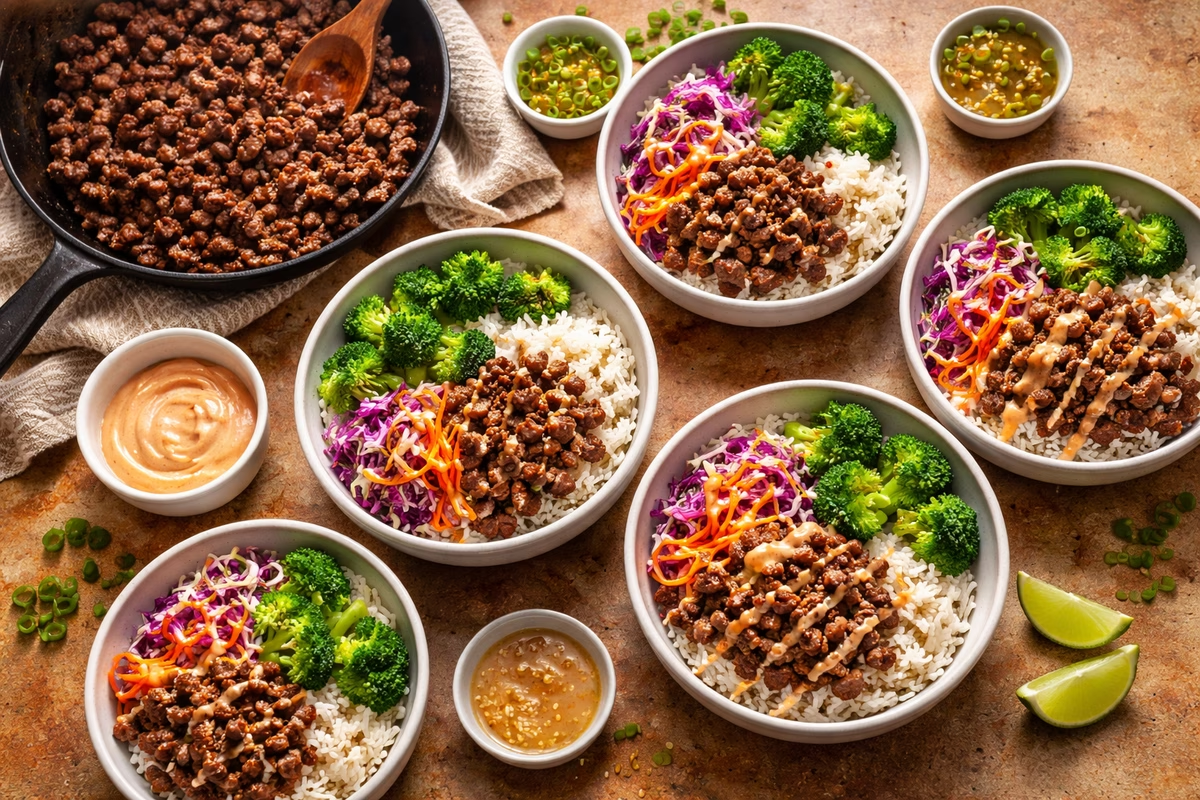
Leftovers need a plan before they cool
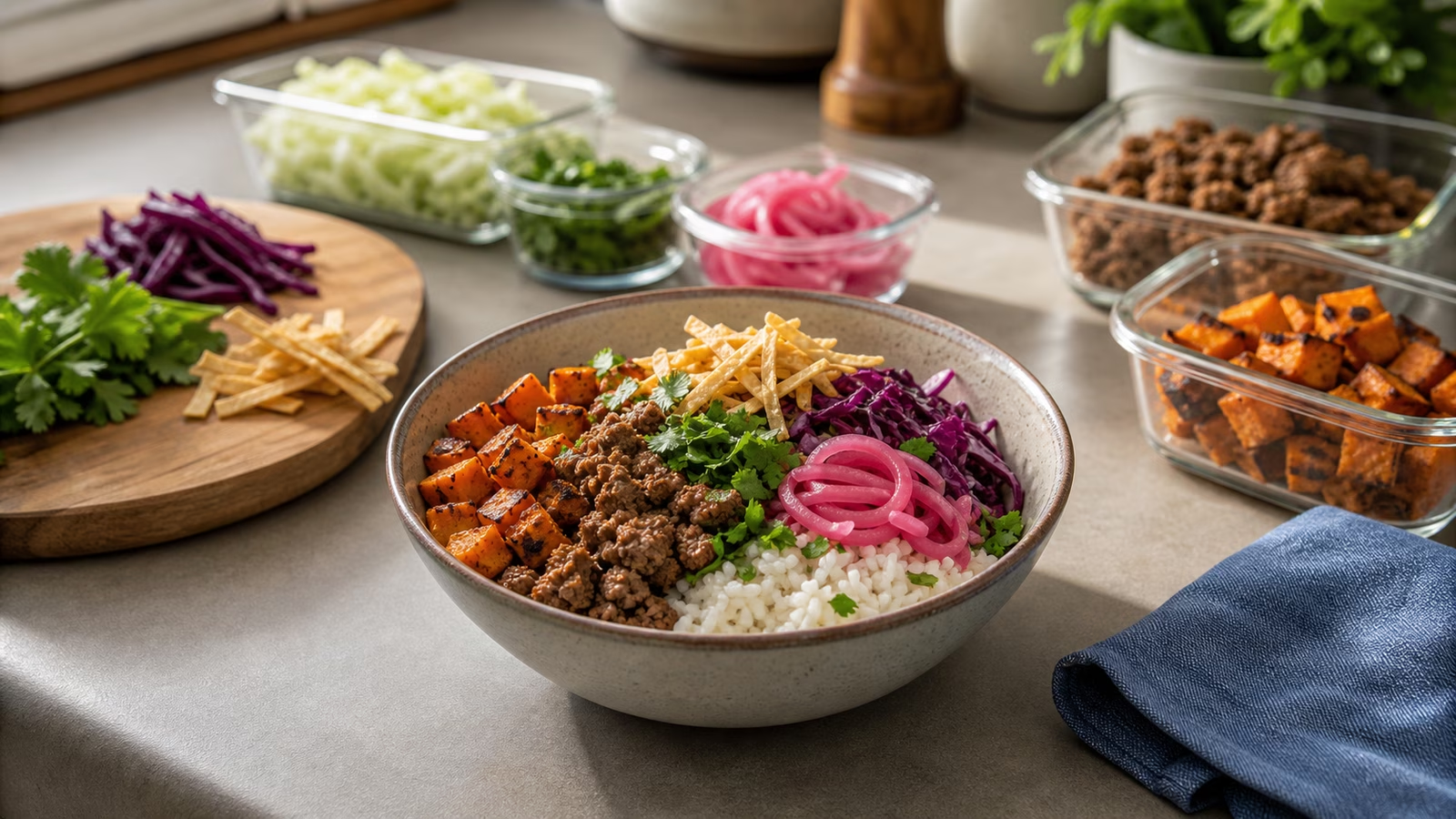
The next-day bowl starts when the first meal ends. If all the leftovers go into one giant container, tomorrow’s version will taste like one soft block of compromise. Rice, protein, vegetables, sauce, and crisp toppings age differently. They deserve different treatment.
Keep wet things away from crisp things. Keep sauce separate if you can. Let hot food cool safely and promptly before it goes into the refrigerator, without leaving it forgotten on the counter. Use shallow containers when a big pile would trap heat for too long. The goal is not restaurant-level precision. It is giving tomorrow’s dinner a chance.
How to Meal Prep Boy Kibble Without Hating It by Wednesday already makes this point for planned prep. Leftovers need the same thinking, just on a smaller scale. You are not only storing food. You are preserving options.
Reheating is not one move
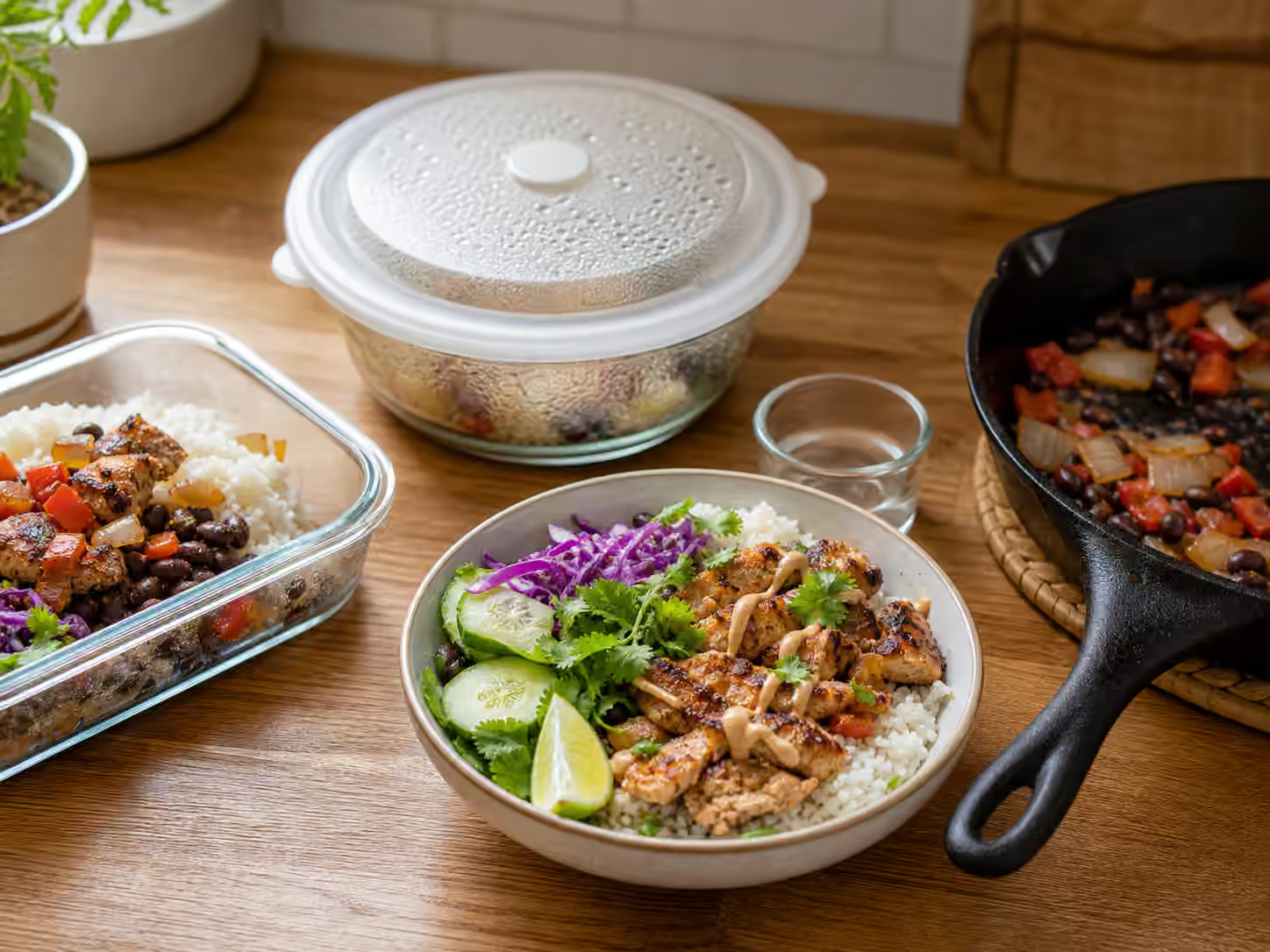
The microwave is useful, but it is not a personality. It does some jobs well and some jobs badly. Rice often needs a little moisture and a cover so it steams instead of drying out. Protein may need lower power or shorter bursts so it warms without becoming rubbery. Roasted vegetables may be better in a skillet or air fryer if you want edges again. Fresh slaw should usually stay cold.
A good leftover bowl often uses two temperatures. Warm rice and protein carry the meal. Cold crunch wakes it up. A room-temperature sauce ties it together. If you reheat everything until it is equally hot and equally soft, you remove the contrast that makes simple food feel like dinner.
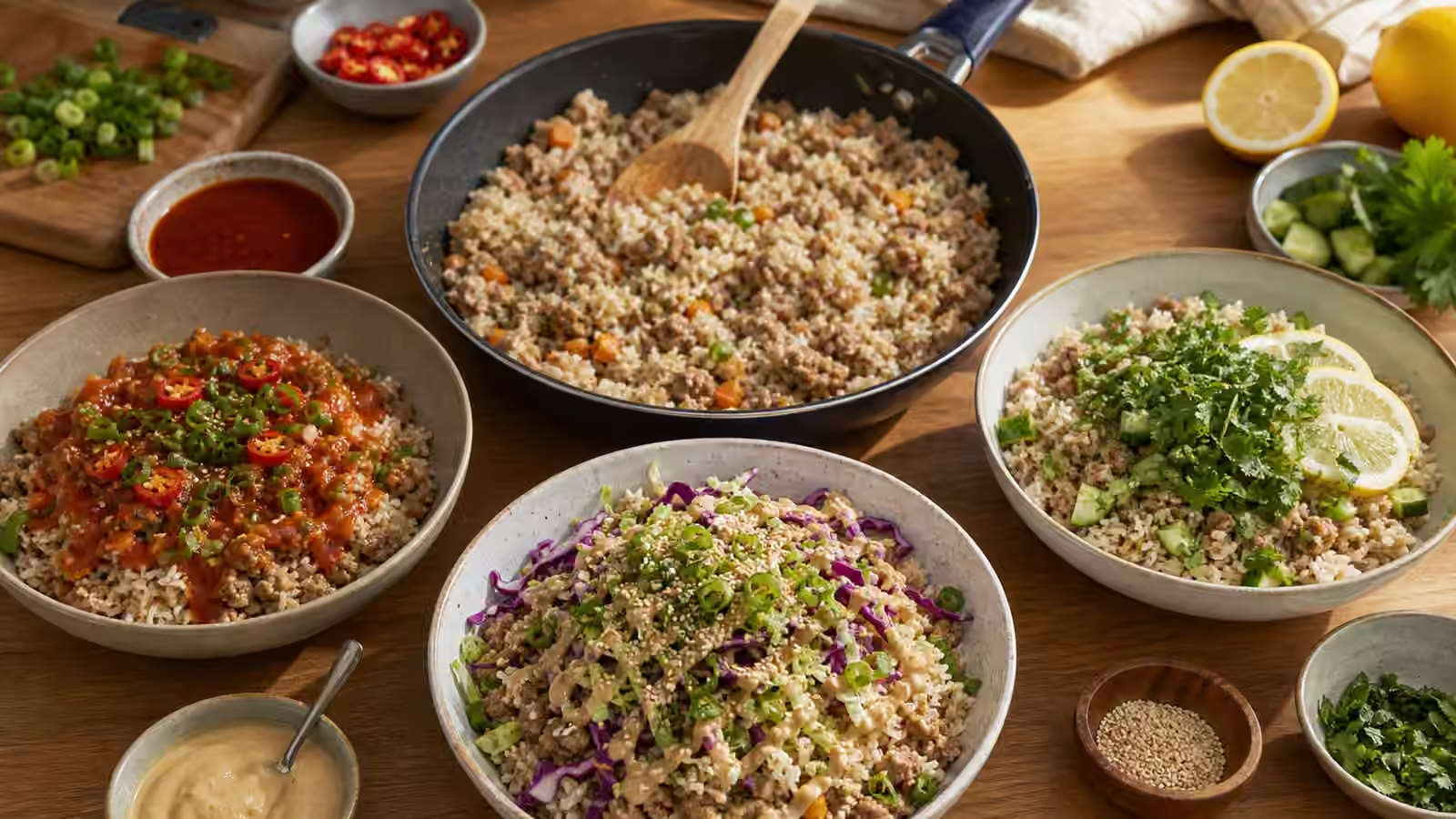
This is why one-pan leftovers can work well. A skillet can crisp the rice, wake the protein, and take a new seasoning quickly. Then the bowl can finish off heat with herbs, cabbage, pickles, lime, yogurt, hot sauce, or whatever fresh thing you have. One-Pan Boy Kibble is useful here because the same low-dish logic applies after the first batch.
Change the sauce before you blame the food
Leftovers often feel boring because the sauce repeats the same story. The base may be fine. Your mouth is just tired of the exact same signal. If yesterday was spicy and creamy, today can be bright and acidic. If yesterday was soy-heavy and salty, today can use lime, herbs, or a little sweetness. If yesterday was tomato-rich, today can become smoky, garlicky, or yogurt-cool.
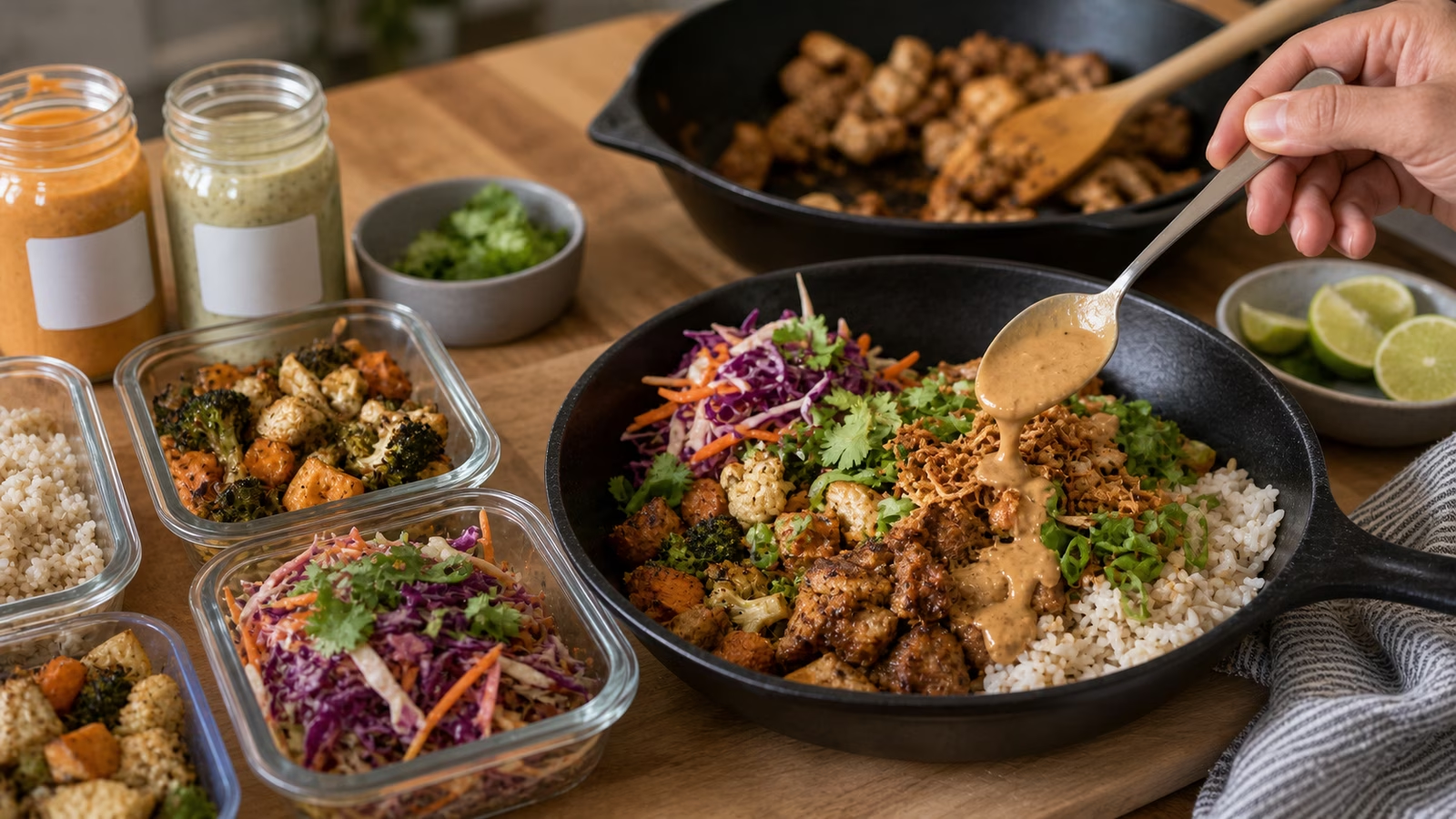
This does not require a sauce library. It requires a few contrasts. Fat carries flavor. Acid wakes up starch and protein. Heat adds attention. Herbs or scallions make old food feel less sealed in a container. Crunch changes the first bite. Sauces and Toppings That Save Boy Kibble from Sadness is basically the leftover survival manual hiding in plain sight.
The mistake is adding more of the same sauce because the bowl tastes dull. Sometimes the bowl does not need more sauce. It needs a different direction.
Texture is the difference between meal prep and sludge
Boy kibble gets a bad reputation when every component has the same texture. Soft rice, soft meat, soft vegetables, and a thick sauce can fill you up while making you resent the container. Leftovers exaggerate that problem because refrigeration and reheating tend to soften everything.
Build texture back on purpose. Crisp the rice at the bottom of the skillet. Keep slaw cold. Add sliced cucumber, cabbage, radish, pickled onions, toasted seeds, crushed tortilla chips, fried shallots, or even a handful of greens. The topping does not have to be fancy. It just has to interrupt the softness.
Vegetables matter here. Vegetables for Boy Kibble separates vegetables that reheat well from vegetables that are better fresh or quick-added. That distinction becomes more important on day two. A sturdy roasted vegetable may be good warm again. A delicate fresh vegetable may be better treated as a cold finish.
Not every leftover wants to be a bowl
The bowl is the home base, not the prison. Leftover boy kibble can become tacos, lettuce cups, a breakfast hash, soup, fried rice, stuffed potatoes, a wrap, or a quick skillet with eggs. This is not betrayal. It is how simple cooking stays alive.
Rice and protein can become breakfast with an egg. Beans and meat can go into a tortilla. Roasted vegetables can become a frittata filling. A dry protein can be chopped smaller and warmed in sauce. A too-wet mixture can become soup if the flavors make sense. A bowl that bored you cold from the fridge may be genuinely good once it has a new shape.
Breakfast Boy Kibble is useful because mornings are often where leftovers either save the day or become invisible. A small amount of rice, protein, and vegetables can make a strong breakfast if it is treated as a hash instead of a reheated lunch.
Know when to stop saving it
Frugality is good. Food safety is better. Leftovers should be cooled, stored, and reheated with basic care. If something smells wrong, looks wrong, was left out too long, or has been sitting around past a reasonable window, do not turn dinner into a dare. Simple meals are supposed to make life easier, not add a low-grade risk assessment to your week.
There is also a quality version of knowing when to stop. Some components do not deserve a third act. A little rice can be crisped. A little protein can be sauced. But if the entire container has become dry, sour, watery, or unpleasant, forcing it into another bowl may make you less likely to cook next time. The system should support future meals, not punish past decisions.
The better habit is cooking amounts you can actually use. Big batches feel efficient until they become a fridge full of obligation. Smaller, more flexible batches often work better. Cook a base. Keep a sauce or two. Hold back some fresh crunch. Change the form before boredom arrives.
Leftover boy kibble works when you stop asking tomorrow to repeat yesterday. Let the next bowl be related, not identical. Give it heat where it needs heat, cold where it needs cold, sauce with a new angle, and one crisp thing on top. That is usually enough to turn a container into dinner again.