Lean ground turkey and ground chicken are useful boy kibble proteins because they solve the problem many people are actually trying to solve. They are easy to cook, flexible across sauces, friendly to lunch meal prep, and less heavy than a week built entirely around beef. The trouble is that they are also easy to turn into dry crumbs. Cook them timidly, season them late, and pack them under plain rice for three days, and they start to taste like discipline instead of dinner.
That is not a failure of turkey or chicken. It is a method problem. Lean ground meat needs a little more intent than beef because it brings less fat and less built-in richness. It can still become a strong bowl anchor, but it needs browning, seasoning, moisture, and a finish that knows what the meat lacks.
The broader protein comparison in Choosing Protein for Boy Kibble already makes the basic distinction: richer proteins carry themselves, while leaner proteins need help from flavor and texture. This guide is the narrower version for the two lean ground meats people often buy with good intentions and then resent by Wednesday.
Treat Lean Ground Meat Like an Ingredient, Not a Compromise
The first mistake is cooking ground turkey or ground chicken as if it were defective beef. Beef can survive a certain amount of neglect because fat, browning, and familiarity cover a lot of sins. Turkey and chicken are quieter. They do not announce themselves as strongly in the pan, and they do not make plain rice taste rich by accident. That can be a weakness, but it is also why they fit so many bowls.
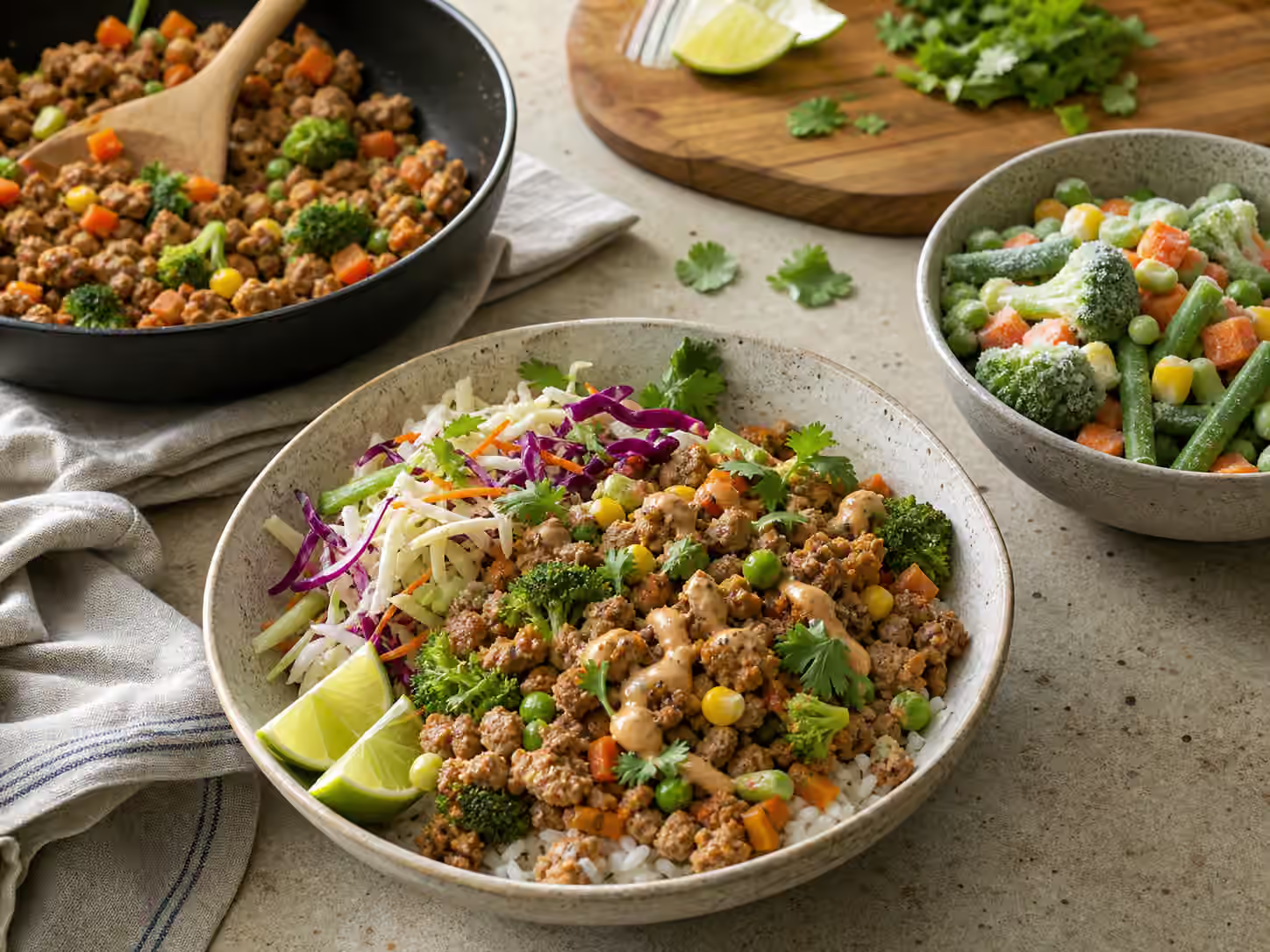
Ground turkey can lean taco-ish with chili powder, cumin, salsa, cabbage, and lime. It can lean soy with garlic, ginger, broccoli, cucumber, and chili crisp. It can move toward breakfast with potatoes, eggs, hot sauce, and green onion. Ground chicken often works best with stronger sauces, brighter finishes, and enough moisture to keep the texture from feeling chalky. Both proteins are blank enough to follow the bowl rather than dominate it.
That flexibility matters when the rest of the site talks about avoiding one exact meal on repeat. 7 Easy Boy Kibble Variations works better when the cooked base can turn in more than one direction. A heavily sauced beef batch may taste good on day one but lock the week into one mood. A turkey or chicken base seasoned with salt, garlic, pepper, and one clear flavor lane can become several meals without feeling random.
Browning Matters More When Fat Is Limited
Lean ground meat needs surface flavor because it does not have much richness to spare. If it goes into a cool crowded pan and gets stirred constantly, it releases water and steams into pale pieces. The result may be cooked, but it will not taste anchored. Sauce can help, but sauce poured over steamed meat is still trying to rescue the bowl from the top.
Start with a pan that is hot enough to sizzle, add a small amount of fat if the meat is very lean, and spread the meat out before breaking it down too finely. Let some of the surface stay in contact with the pan. The goal is not hard crust or restaurant drama. It is a little color, a little evaporation, and enough cooked flavor that the meat tastes like it had a real turn in the skillet.
This is the same principle behind Better Boy Kibble Texture . A bowl built from rice, lean meat, and cooked vegetables can become soft quickly. Browning gives the protein edges, aroma, and a reason to exist inside the bowl. It also makes leftovers less needy because the base already has depth before the sauce, slaw, or pickles arrive.
Ground chicken needs particular care here because it can be sticky and fine-textured. If it clumps, let it cook briefly before forcing it apart. If the pan fills with liquid, pause and let that liquid cook down before adding wet sauce. If you add sauce while the meat is still watery, you dilute the flavor and teach the whole batch to taste flat.
Season While the Meat Is Hot
Lean meat is rarely bland because it lacks enough bottles on top. It is bland because the seasoning never became part of the cooked base. Salt, garlic powder, onion powder, pepper, chili powder, curry powder, soy sauce, tomato paste, mustard, ginger, or a prepared seasoning blend all work when they match the bowl. What matters is timing and restraint.
Season early enough that the meat carries flavor, but do not bury it under every spice in the cabinet. A taco-style turkey bowl does not need soy sauce, mustard, oregano, curry powder, and teriyaki all competing. It needs a lane. A soy-ginger chicken bowl does not need salsa in the pan just because salsa is convenient. It needs salt, savory depth, and a finish that makes sense with the vegetables and base.
How to Season Boy Kibble Before the Sauce Goes On covers the larger habit, but lean ground meat makes the lesson obvious. Taste a spoonful before packing containers. If it tastes like plain protein with a scented coating, it needs more salt or more time in the pan. If it tastes harsh, it may need moisture or a softer finish later. If it tastes strong but one-dimensional, plan for acid, crunch, or herbs instead of more of the same spice.
One useful move is to season the meat enough for the first dinner but keep the finishing sauce separate. Turkey cooked with garlic, salt, pepper, and a little chili powder can go toward salsa and slaw at lunch, eggs and potatoes at dinner, or beans and hot sauce the next day. Chicken cooked with garlic, soy, and ginger can go toward rice, broccoli, cucumber, and sesame, but it can also become a wrap with cabbage and a creamy sauce. The base should have direction without becoming trapped.
Add Moisture Without Making the Bowl Wet
The most common lean-meat complaint is dryness. The answer is not always more sauce. Sometimes the answer is not overcooking the meat, not reheating it aggressively, and not expecting a very lean batch to behave like beef. Still, moisture does matter.
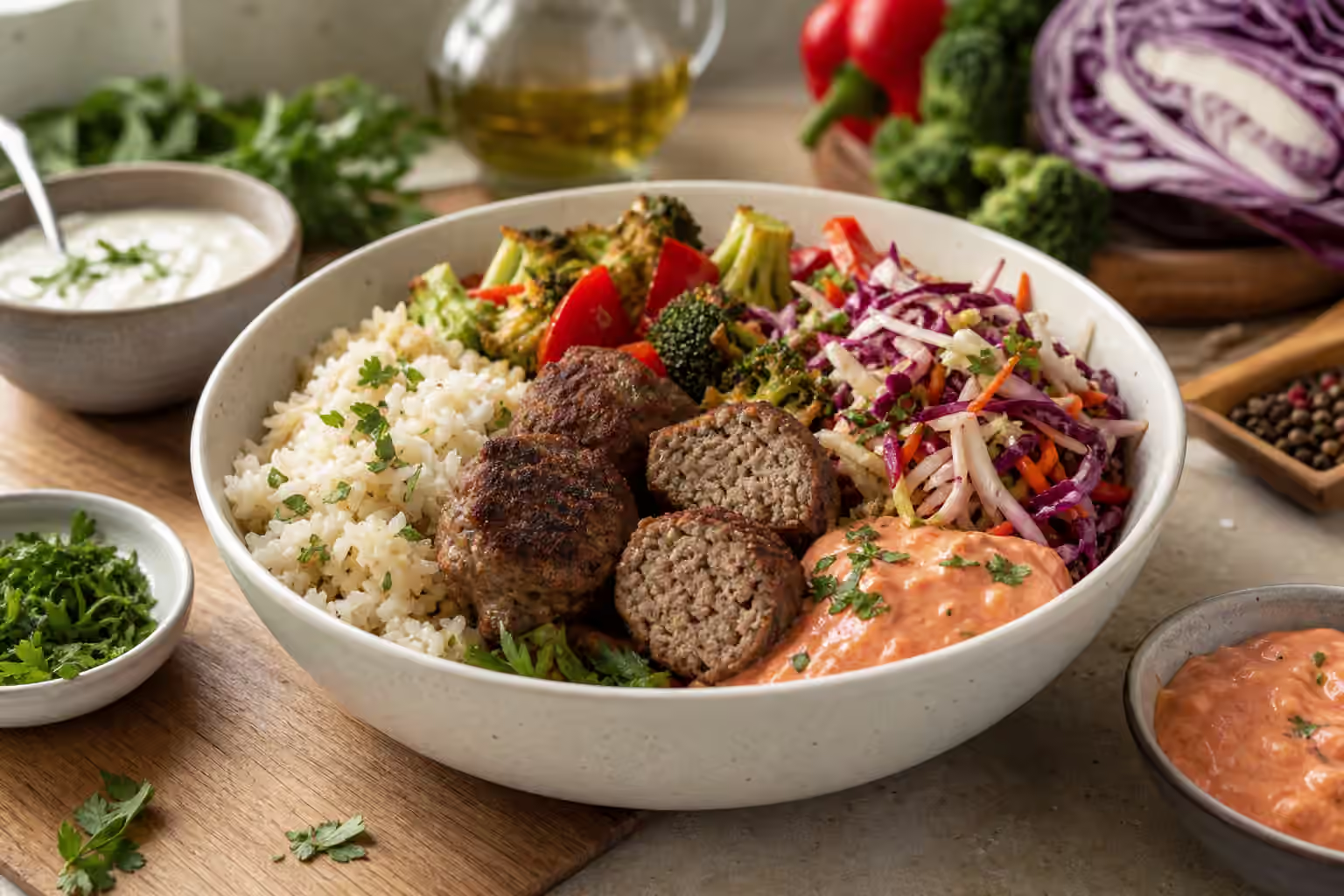
There are several quiet ways to add it. A spoonful of salsa can simmer into taco-style turkey. A splash of broth, water, or soy-based sauce can loosen browned bits in the pan. Tomato paste can give ground chicken body when it is cooked briefly with a little liquid. Yogurt sauce, tahini sauce, burger sauce, or a quick mayo-mustard finish can add richness after reheating. Beans can bring moisture and softness while stretching the meat. Vegetables can help too, but watery vegetables need enough heat that they do not leak into the rice later.
The distinction between moist and wet is important. Lean meat should not sit in a puddle unless the bowl is intentionally saucy. Thin sauce packed with rice can make lunch taste swollen and tired. A thicker sauce kept separate often works better. The cooked meat stays versatile, and the final bowl feels assembled instead of stored.
This is where Sauces and Toppings That Save Boy Kibble from Sadness becomes practical rather than decorative. Lean turkey often wants creaminess, acid, or heat. Lean chicken often wants a sauce with body and a crunchy vegetable finish. The sauce is not there to hide the protein. It is there to complete the job the lean meat started.
Pair Lean Meat With the Right Base
Rice is the obvious base, and it works well, but lean ground meat over plain rice can taste dry if nothing else has force. The rice needs seasoning contact, sauce, or a vegetable that changes the bite. Stirring a portion of rice briefly through the skillet can help because it picks up browned bits and seasoning. Keeping the rice separate can also help if the meat is saucy and the week depends on flexibility.
Potatoes make lean turkey or chicken feel more like dinner, especially with hot sauce, pickles, cabbage, eggs, or a yogurt finish. Beans make the bowl fuller and less dependent on a large meat portion. Noodles can work when the sauce is meant to coat everything. Greens or slaw can make a lean bowl feel fresher, but only if the protein is seasoned enough to carry a lighter base.
Boy Kibble Bases is worth using here because lean protein exposes weak base choices. If the base is too plain, the meat tastes drier. If the base is too heavy, the bowl feels like starch with crumbs. If the base is half rice and half cabbage, beans, or vegetables, the same amount of turkey can feel more complete without becoming a bigger pile of food.
Use Vegetables for Size, Freshness, and Forgiveness
Ground turkey and chicken appreciate vegetables that do real work. Frozen broccoli, peas, corn, peppers, spinach, cabbage, slaw, cucumber, pickles, and greens can all fit, but they do different jobs. Cooked vegetables add volume and make the batch feel more generous. Fresh vegetables add crunch and keep a lean bowl from feeling sterile. Pickled vegetables add acid, which is often exactly what a quiet protein needs.
A soy-leaning chicken bowl with broccoli, cucumber, green onion, and chili crisp feels deliberate. A taco-style turkey bowl with corn, cabbage, salsa, and lime feels easy without tasting empty. A burger-ish chicken or turkey bowl with potatoes, pickles, lettuce, and a creamy sauce can satisfy the comfort-food itch without needing beef. The vegetable is not a side apology. It is part of the structure.
Vegetables for Boy Kibble makes the broader point that vegetables should have a job. With lean ground meat, that job is often to add freshness and forgiveness. If the protein reheats a little tighter than you hoped, slaw, cucumber, pickles, herbs, or a bright sauce can make the bowl feel alive again. If the protein tastes too sharp or salty, broccoli, rice, beans, or potatoes can absorb and soften it.
Meal Prep in Components, Not Finished Piles
Lean ground turkey and chicken can meal prep well, but they punish the fully assembled container. Rice, meat, cooked vegetables, and sauce sealed together may be convenient, but it leaves no way to adjust texture later. By day three, the bowl may be safe and filling while still feeling like one soft thing.
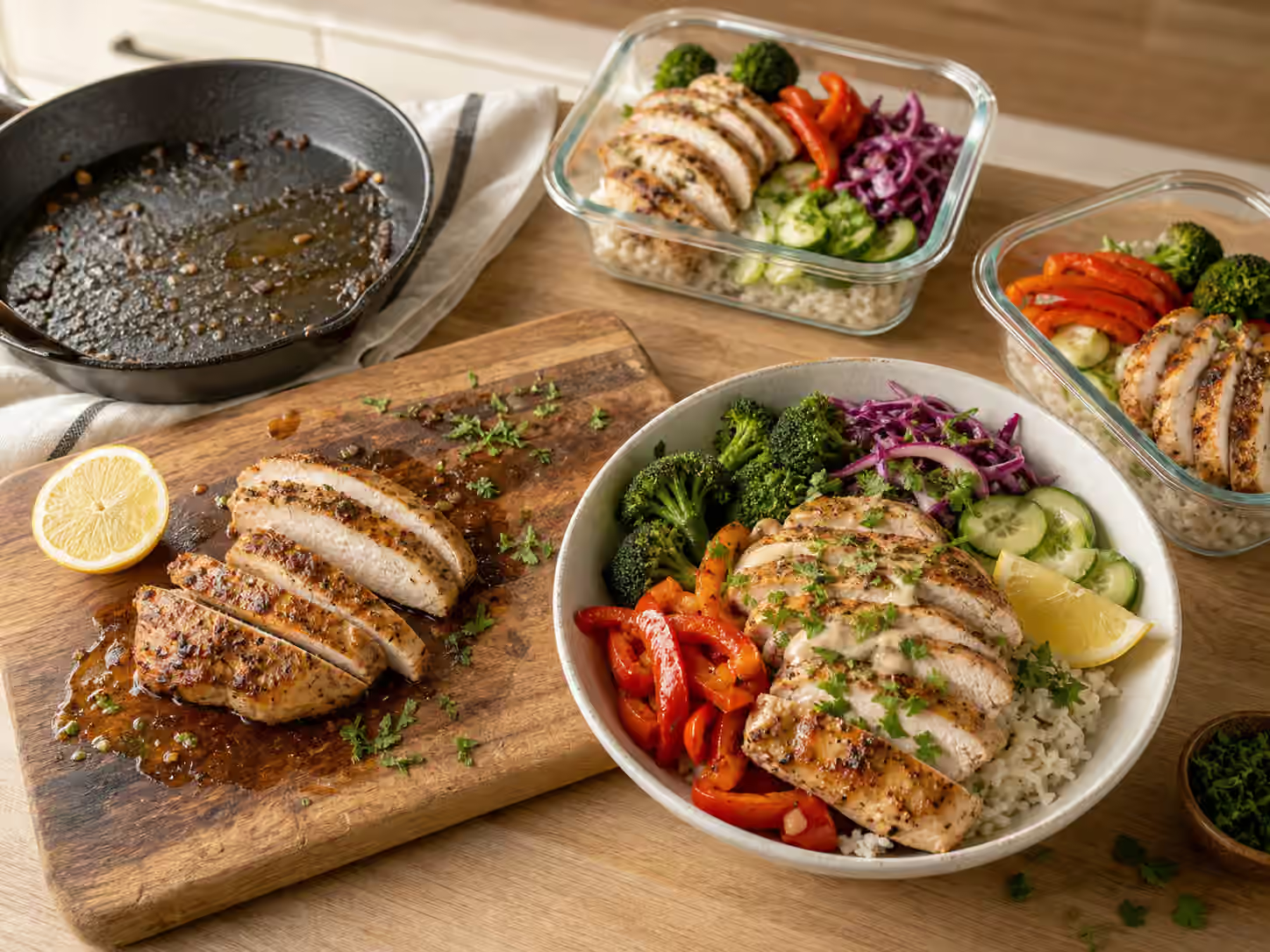
The component approach from How to Meal Prep Boy Kibble Without Hating It by Wednesday is better. Cook the lean meat with enough seasoning to stand up. Keep the base in a separate container if that suits your week. Store fresh vegetables, crunchy toppings, and finishing sauces separately when possible. Then rebuild the bowl around the meal you want that day.
For lunch, the turkey might go over rice with broccoli, slaw, salsa, and yogurt sauce. For dinner, the same turkey might go with potatoes, pickles, hot sauce, and an egg. Ground chicken might become a soy rice bowl one day and a cabbage-heavy wrap the next. The protein stays useful because it was not forced into one finished pile too early.
Reheating should also be gentler than the usual blast-until-steaming routine. Warm the sturdy parts, add a small splash of moisture if the rice or meat seems dry, and save cold crunch and creamy sauce for after. Lean ground meat does not improve when punished twice.
The Best Lean Bowl Still Feels Like Food
The point of ground turkey and ground chicken boy kibble is not to make a joyless lighter version of the real thing. It is to use a practical protein in a practical way. Brown it enough to taste cooked. Season it while it is hot. Give it moisture without flooding the base. Pair it with a starch or vegetable that fits the job. Finish with acid, creaminess, crunch, or herbs so the bowl has contrast.
That is a small amount of attention, not a complicated recipe. Lean ground meat asks for the things any simple bowl needs, just a little more clearly. When those pieces are in place, turkey and chicken stop tasting like a compromise and start behaving like what they are: flexible anchors for the kind of low-friction meals boy kibble is supposed to make easier.