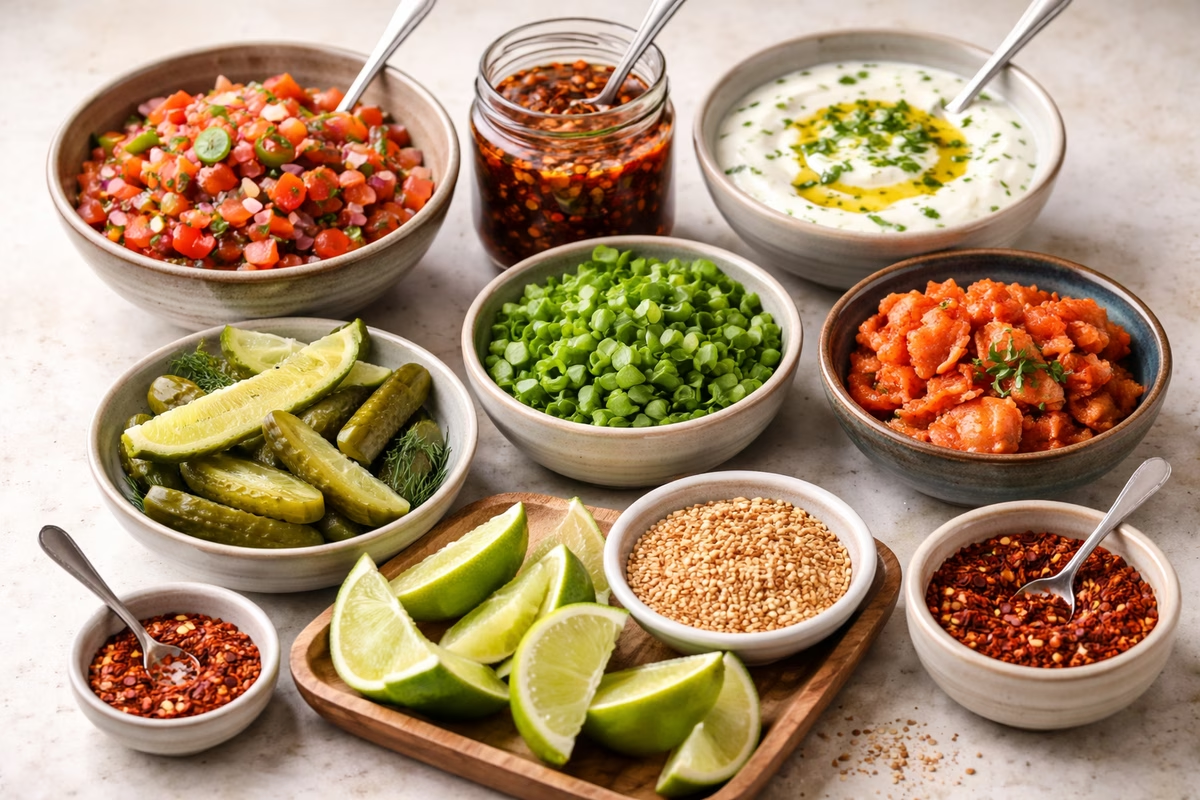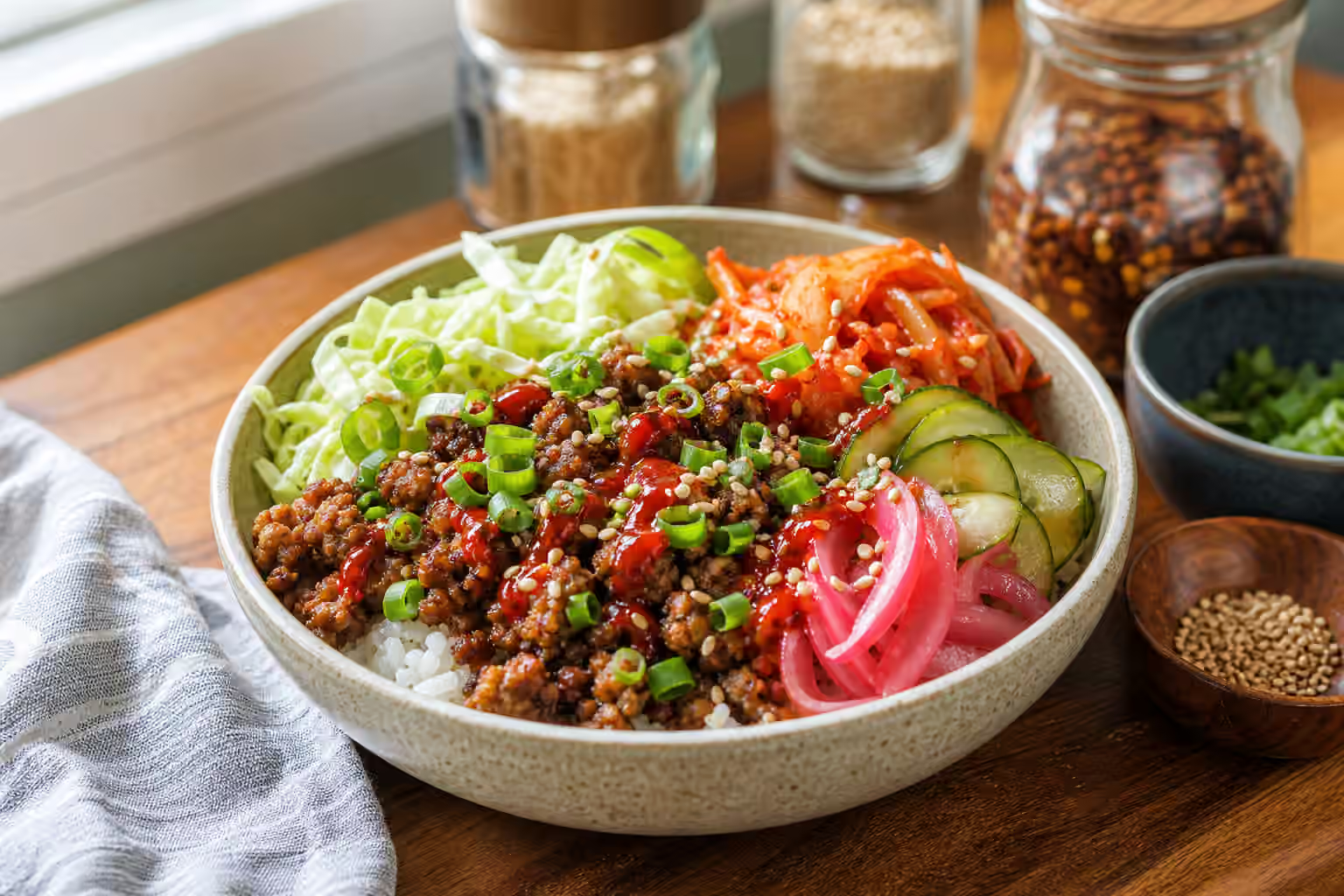
Kimchi and pickles are some of the fastest ways to make boy kibble taste less tired. They bring acid, salt, crunch, heat, funk, and cold contrast without asking for another pan. A reheated bowl of rice and protein can taste heavy even when it was cooked well. Add the right sharp finish and the same bowl wakes up. The trick is using these ingredients as part of the meal’s structure, not as random garnish.
The broader idea appears throughout the boy kibble shelf. Fresh Finish Kits for Boy Kibble explains why cold toppings matter, and Cabbage and Slaw Boy Kibble shows how sturdy crunch can carry leftovers. This guide focuses on the sharp side of that system: kimchi, cucumber pickles, pickled onions, sauerkraut, banana peppers, jalapenos, relish, briny vegetables, and the small amount of liquid that can turn sauce from flat to useful.
Acid Is a Finish, Not an Afterthought
Many boy kibble bowls fail because they are warm, soft, salty, and rich all the way through. The protein may be browned. The rice may be fine. The sauce may be pleasant. Still, the bowl becomes tiring because every bite lands in the same place. Acid changes that. It cuts through fat, brightens starch, makes lean protein seem less dull, and gives leftovers a fresh edge.
Pickles are the easiest acid because they are durable. A jar waits in the fridge and asks for no prep beyond chopping or spooning. Kimchi brings acid plus heat and fermented depth. Pickled onions add brightness and color. Sauerkraut can make a rich pork or potato bowl feel less heavy. Banana peppers and pickled jalapenos bring heat and sharpness at the same time. Relish can help burger-style bowls when used with restraint.
Better Boy Kibble Texture makes the texture case, but the flavor case is just as strong. Acid gives the bowl a stopping point. It keeps the sauce from tasting like a blanket. It tells the mouth that something changed.
Match the Pickle to the Flavor Lane
The best pickled finish matches the direction of the bowl. Kimchi belongs naturally with soy-ginger bowls, rice bowls with tofu, egg bowls, fried rice, cucumber, scallions, sesame, chili crisp, and cold noodles. Dill pickles belong with burger bowls, barbecue-style bowls, potatoes, sausage, pork, tuna, yogurt sauces, mustardy sauces, and creamy finishes. Pickled onions are flexible enough for taco bowls, Mediterranean-ish bowls, barbecue bowls, chicken bowls, bean bowls, and potato bowls. Sauerkraut likes pork, sausage, potatoes, mustard, cabbage, and richer proteins.
That does not mean the rules are strict. It means the pickle should help the bowl make sense. A soy-ginger tofu bowl with kimchi, cucumber, and sesame has a clear lane. A burger bowl with chopped dill pickle, lettuce, potatoes, and mustard sauce has a clear lane. A barbecue bowl with slaw and pickles has a clear lane. Trouble starts when the finish fights the seasoning. Kimchi on a pesto chicken bowl may work for someone, but it is not the easiest route to coherence.
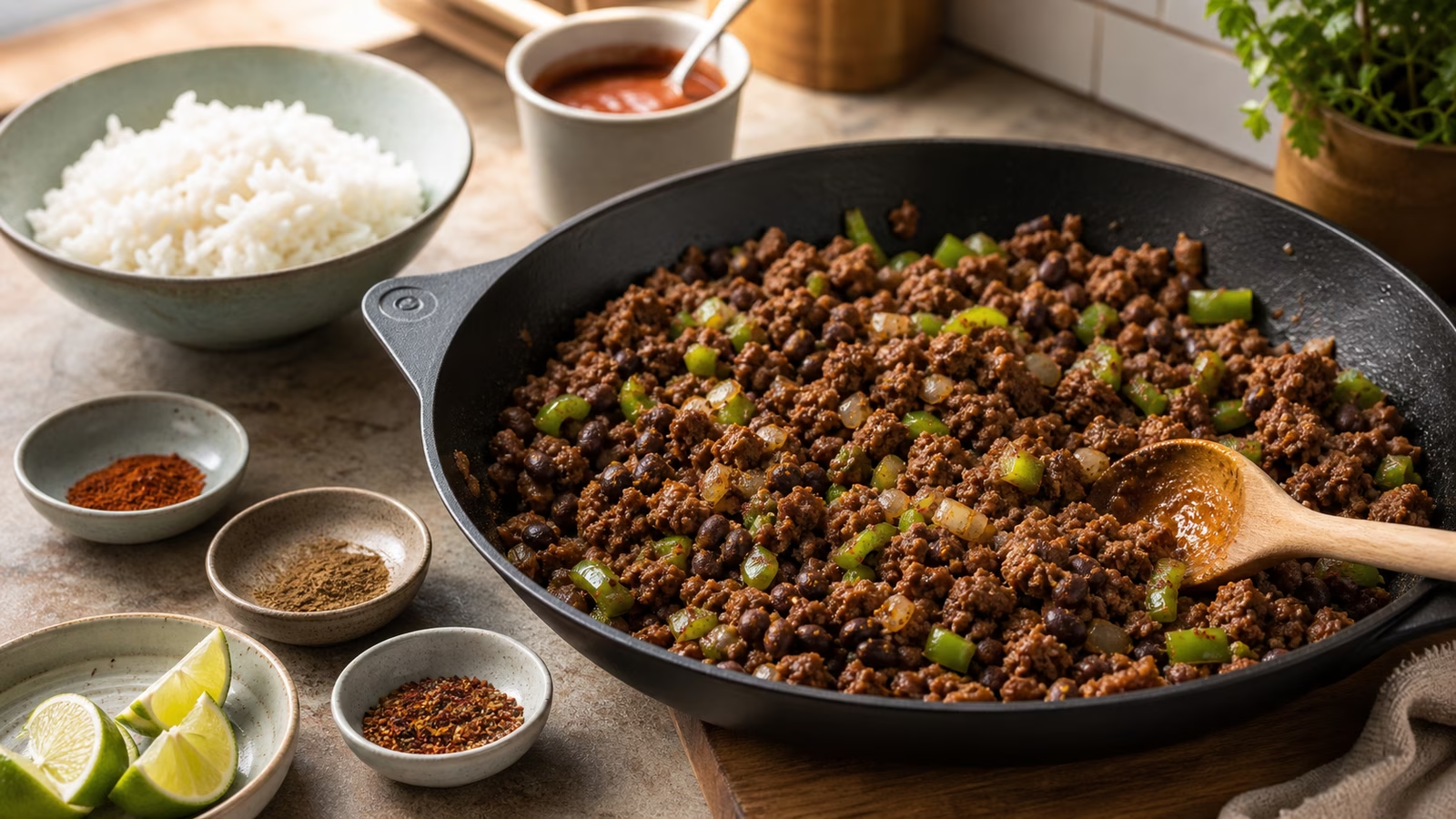
How to Season Boy Kibble Before the Sauce Goes On is useful because the finish should answer the cooked base. If the skillet used cumin and chili powder, lime, salsa, cabbage, and pickled jalapenos will probably help. If the skillet used soy and ginger, kimchi, cucumber, scallions, and sesame will probably help. The bowl gets easier when the hot part and cold part agree.
Use Brine Carefully
Pickle brine can be a useful sauce ingredient. A spoonful can loosen yogurt, sharpen mayo, wake up mustard, thin tahini, brighten salsa, or add snap to a cabbage slaw. Kimchi liquid can add heat and depth to rice, noodles, fried rice, or a quick sauce. The danger is volume. Brine is salty and wet. Too much can make rice soggy, sauce harsh, or the whole bowl taste like the jar.
Use brine as a seasoning, not a broth. Stir a small amount into sauce and taste. Add it to slaw when the cabbage needs help. Splash it over a hot bowl only when the base can absorb it without collapsing. Keep it away from crispy toppings and delicate greens until the final moment. A little liquid can connect the bowl. A lot can make every texture worse.
This matters for meal prep. If pickles or kimchi sit against rice all day, the rice absorbs their liquid and the finish loses its bite. For packed lunches, keep the sharp finish in its own corner or small container when possible. Packable Boy Kibble applies directly: wet, crisp, and hot parts need different treatment.
Balance Salt With Calm Ingredients
Pickled and fermented finishes can be salty. That is part of why they work, but it also means the rest of the bowl needs balance. Rice, potatoes, beans, tofu, chicken, eggs, cucumber, cabbage, lettuce, yogurt sauce, avocado, and plain vegetables can calm a sharp finish. Salty meat plus salty sauce plus salty pickles can become loud quickly. If the protein is sausage, pork, canned fish, or a heavily seasoned meatball, use the pickled finish more thoughtfully.
The easiest fix is to make the base and vegetables do more calming work. A small amount of kimchi over rice, tofu, cucumber, and cabbage can be lively. The same amount over salty fried rice with soy sauce and chili crisp may be too much unless the portion is smaller. Pickles on a burger bowl are essential, but the bowl still needs lettuce, potatoes, rice, cabbage, or a creamy sauce to keep the salt from becoming the only flavor.
Portioning Boy Kibble is useful here because the sharp finish is powerful in small amounts. You do not need half a jar. You need enough pieces that acid appears in repeated bites. Chopped pickles often work better than whole slices because the brightness spreads without requiring a huge portion.
Let Pickles Rescue Leftovers
Leftovers are where kimchi and pickles earn their space. A fresh bowl has heat, aroma, and novelty. A leftover bowl has storage. Rice firms up, protein dries slightly, and cooked vegetables lose some edge. A sharp cold finish can restore the sense that the meal was just assembled, even if the main batch came from the fridge.
Turkey and rice can become taco-ish with pickled jalapenos, cabbage, salsa, and lime. Beef and potatoes can become burger-ish with chopped pickles, lettuce, and mustard sauce. Tofu and rice can become sharper with kimchi, cucumber, scallions, and sesame. Chicken and chickpeas can become brighter with pickled onions, yogurt sauce, herbs, and lemon. Tuna and rice can become a real lunch with cucumber pickles, mustard, herbs, and cabbage.
Leftover Boy Kibble teaches the larger lesson: do not ask old food to taste new without adding something new. Pickles and kimchi are one of the lowest-effort ways to add that newness. They bring temperature contrast, texture, and aroma without restarting the cooking process.
Keep the Sharp Shelf Small
It is easy to overbuild this part of the kitchen. A fridge door full of pickled things can be fun, but it can also become clutter. A practical boy kibble setup needs a few reliable sharp finishes that match the bowls you actually eat. One dill pickle or relish option can support burger, tuna, barbecue, potato, and sausage bowls. One kimchi option can support soy, tofu, egg, rice, and noodle bowls. One pickled onion, pepper, or sauerkraut option can cover the lanes those first two miss.
The point is repeatability. Kimchi and pickles are valuable because they make the simple bowl easier to face again. They should not create a new decision problem. Keep the jars you use, chop or spoon them at the end, and let them do what they do best: cut richness, wake up starch, add crunch, and make a practical meal feel deliberate.