
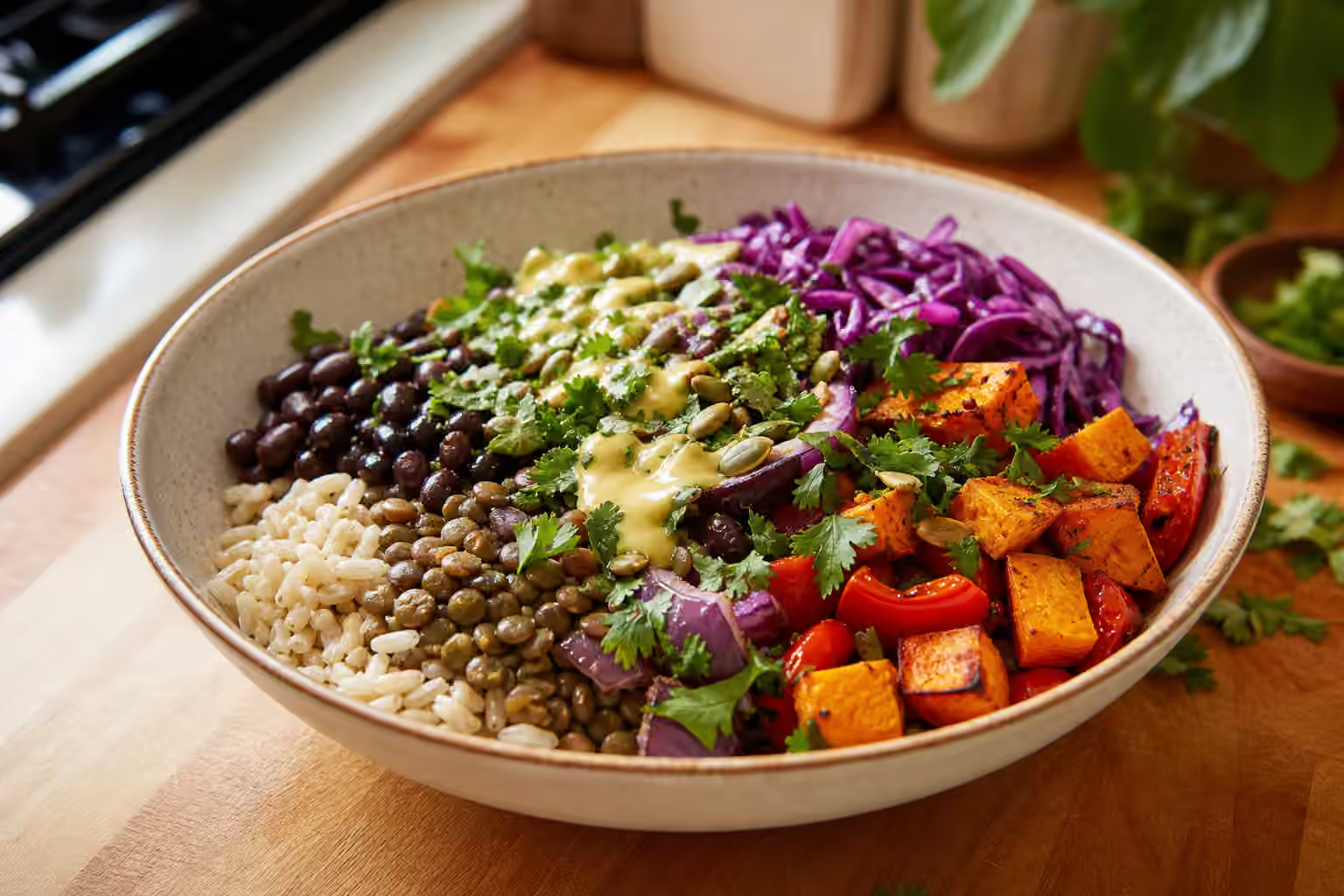
The easiest way to make boy kibble more filling is often not more meat. It is more fiber placed where the bowl can actually use it. Beans, lentils, vegetables, whole grains, seeds, potatoes with their skins, cabbage, peas, corn, and sturdy greens can make the same basic formula feel more complete without turning dinner into a nutrition project. The challenge is doing that while keeping the meal simple enough to repeat.
This guide stays practical. It does not promise health outcomes, prescribe targets, or pretend every person wants the same bowl. It is about making simple meals less hollow. How to Make Boy Kibble Healthier Without Making It Fancy introduces the broad idea, but fiber deserves a deeper, calmer treatment because it changes cost, texture, portioning, storage, and satisfaction at the same time.
Fiber Should Make the Bowl Better, Not Busier
A higher-fiber bowl fails when fiber is treated like an obligation sprinkled on top. A spoonful of plain beans beside dry rice does not automatically make dinner better. A pile of raw greens under bland protein may technically add plants, but it can also make the meal feel like two unrelated foods. The better habit is to let fiber-rich ingredients solve real bowl problems.
Beans can stretch meat and make a batch cheaper. Lentils can turn a saucy skillet into something spoonable and filling. Cabbage can add crunch that survives the fridge. Roasted vegetables can add volume and color. Peas and corn can make a rice bowl less beige. Seeds can add texture to a soft bowl. Potatoes can make a meal feel substantial without relying on more protein. When the ingredient has a job, it stops feeling like homework.
Portioning Boy Kibble is useful here because fiber changes the size of the bowl. A meal with rice, ground meat, beans, cabbage, and sauce may not need the same starch load as meat over rice alone. A bowl with lentils and vegetables may need a brighter finish rather than another scoop of base. The point is not to measure every bite. It is to notice when one ingredient can carry more of the work.
Beans and Lentils Are the Easiest Upgrade
Beans and lentils belong in boy kibble because they are cheap, durable, and flexible. They work with taco bowls, chili-style bowls, curry bowls, Mediterranean-ish bowls, barbecue bowls, breakfast bowls, and pantry bowls. They add texture and fullness, but they also need seasoning. Plain beans over rice can taste like a budget lecture. Beans warmed with salt, garlic, chili powder, salsa, tomato, curry spices, broth, or a little oil can taste like they were invited.
Canned beans are the fastest. Drain and rinse when that fits the bowl, then warm them with seasoning instead of dumping them cold into the container. Lentils can be cooked into a sauce or added to ground meat to make the batch stretch without looking thin. Chickpeas can be warmed, lightly mashed, roasted until firmer, or used cold with cucumber and yogurt sauce. Beans and Lentils for Boy Kibble covers those options in detail, and the fiber-focused version is simple: let legumes replace some emptier volume, not just sit beside it.
Meat and beans are often easier than an all-bean bowl for people changing their defaults. Ground turkey with black beans and cabbage can still feel familiar. Beef with pinto beans and salsa can become more balanced without losing comfort. Chicken with chickpeas, rice, cucumber, and lemon can feel brighter than chicken and rice alone. The upgrade does not have to be dramatic to matter.
Vegetables Need Texture Jobs
Vegetables add fiber, but their bigger weeknight value is texture. Broccoli, cabbage, peppers, carrots, greens, mushrooms, peas, corn, cauliflower, cucumber, slaw, pickles, and roasted vegetables all change how the bowl eats. A higher-fiber bowl becomes more pleasant when the vegetables are chosen for contrast rather than volume alone.
Cooked vegetables give body. Frozen broccoli, peas, peppers, spinach, corn, and mixed vegetables are easy defaults if they are cooked with enough heat to avoid watering down the bowl. Roasted vegetables can make a batch feel more deliberate. Mushrooms can deepen flavor. Cabbage can go raw or lightly cooked, which makes it one of the most flexible fiber ingredients on the shelf.
Fresh vegetables keep the bowl from becoming dense. A rice, bean, and meat bowl can feel heavy even when the ingredients are good. Cucumber, slaw, herbs, pickles, lime, or a crisp salad-kit element can bring the meal back. Better Boy Kibble Texture explains why this matters: softness piles up. A higher-fiber bowl with beans, rice, and cooked vegetables may need freshness even more than a lean meat bowl does.
Grains and Bases Change the Pace
The base can support fiber without becoming the whole story. Brown rice, farro, barley, bulgur, oats in breakfast bowls, potatoes with skins, beans, lentils, and greens can all shift the bowl away from the plain meat-and-white-rice default. That can be useful, but it should not make dinner slower than the habit can survive.
For many people, the best move is not replacing every base. It is mixing. White rice plus lentils may be more repeatable than a full switch to a grain you do not enjoy. Potatoes plus beans can make a taco-ish or barbecue bowl feel filling without needing a huge portion of meat. A small scoop of chewy grain mixed with rice can add bite without changing the whole kitchen routine. Batch Rice and Grains for Boy Kibble is useful because storage and reheating decide whether those bases remain pleasant after the first meal.
Do not let a fiber upgrade trap the bowl in one texture. Whole grains can be chewy, beans can be creamy, and vegetables can be soft. Add crunch or acid at the end. A high-fiber bowl that is only dense and virtuous will not become a reliable habit. A high-fiber bowl with beans, rice, cabbage, salsa, lime, and hot sauce has a much better chance.
Add Fiber Gradually Enough to Keep the Habit
The practical problem with higher-fiber eating is that people often change too much at once. A bowl that jumps from plain rice and meat to a giant container of beans, lentils, raw cabbage, seeds, and whole grains may be technically impressive and personally unpleasant. A better plan is to make the bowl sturdier one layer at a time.
Start with the ingredient that fits your existing meals. If taco bowls are common, add black beans, cabbage, corn, or salsa. If curry bowls are common, add lentils, chickpeas, spinach, peas, or cauliflower. If breakfast bowls are common, add beans, potatoes with skins, greens, oats, or fruit on the side. If soy-ginger bowls are common, add edamame, broccoli, cabbage, cucumber, or sesame seeds. The familiar lane makes the new ingredient less dramatic.
This is not about being cautious for its own sake. It is about preserving repeatability. Boy kibble works because the barrier is low. A fiber plan that makes cooking feel unfamiliar every night will not last. A small bean habit, a cabbage habit, a frozen vegetable habit, and a better base habit can quietly change the whole shelf of meals.
Keep Sauces Sharp Enough
Higher-fiber bowls often need stronger finishes because beans, grains, and vegetables can mute flavor. Salt, acid, heat, creaminess, and crunch all matter. Salsa, lime, lemon, vinegar, yogurt sauce, tahini, hot sauce, pickles, chili crisp, mustard, herbs, and toasted seeds can keep the bowl from tasting flat. The sauce should make the fiber-rich ingredients feel integrated rather than hidden.
Sauces and Toppings That Save Boy Kibble from Sadness is especially relevant because the failure mode is not always blandness. Sometimes the bowl is too heavy. A rice, bean, lentil, and potato bowl may need less sauce and more sharpness. Sometimes the bowl is too dry. A whole-grain bowl may need moisture with body. Sometimes the bowl is too soft. Seeds, cabbage, chips, cucumber, or pickles may be the real fix.
The best high-fiber boy kibble does not announce itself as a special project. It just feels more complete. The rice is not carrying the whole meal. The protein is not doing all the work. The vegetables are not decorative. The beans or lentils are seasoned. The finish is bright enough to keep the bowl moving. That is a practical upgrade, and practical upgrades are the ones most likely to survive a normal week.


