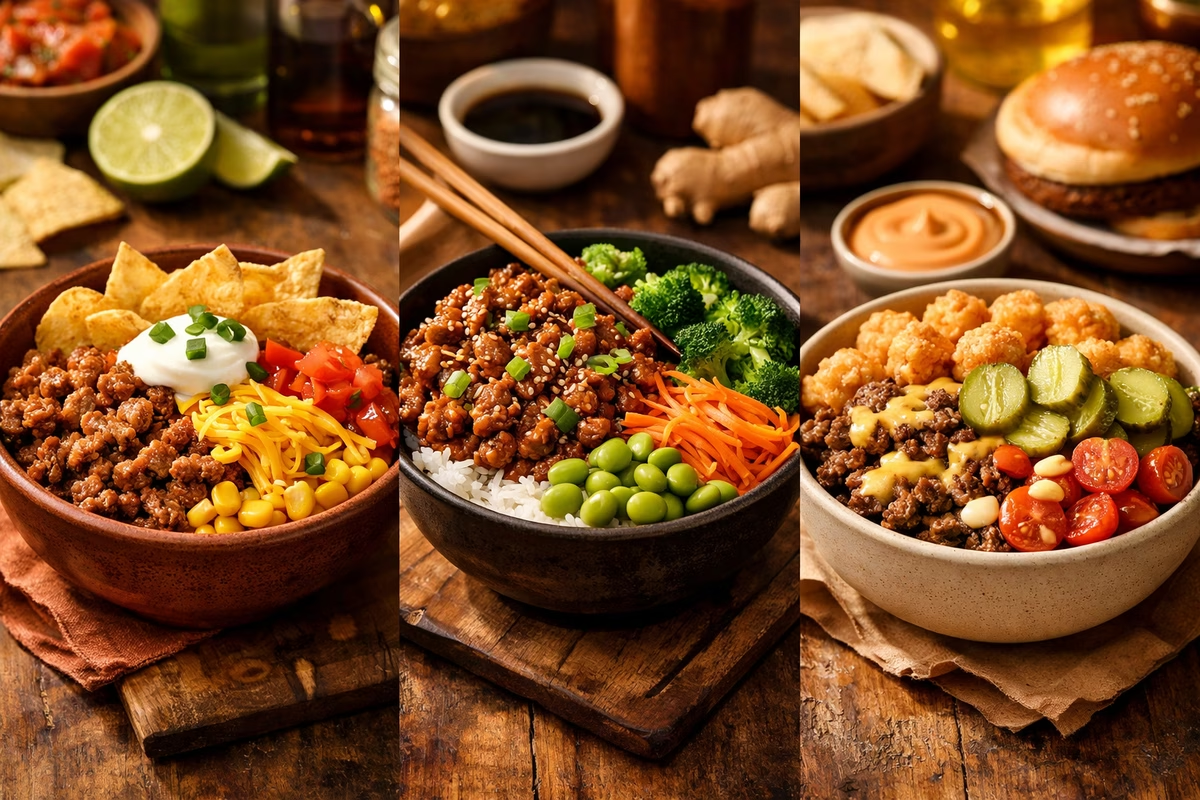
The smartest way to improve boy kibble is not to replace it with a perfect diet spreadsheet. It is to keep the bowl and change the defaults.
Nutrition guidance around simple meals keeps pointing in the same direction: eat more plants, vary your proteins, and do not let every meal become the exact same beige loop. You can do all of that without giving up the main benefit of boy kibble, which is ease.
What the meme gets right
The meme gets several things right.
- Protein-heavy meals can be satisfying.
- Repeatable meals are easier to sustain than ambitious recipes.
- Frozen vegetables and pantry starches are realistic for busy people.
- Low-friction cooking helps people eat at home more often.
Those are not small wins. A decent bowl you make reliably is usually better than a beautiful plan you do not follow.
What the meme gets wrong
The weak version of boy kibble has the same three problems every time:
- not enough fiber
- not enough plant variety
- too much sameness in texture and flavor
That is why some people feel good on it for a week and then start to hate it. The answer is not to abandon simple food. The answer is to build better defaults into the same system.
The one-rule upgrade
If you eat bowls like this often, use one simple rule:
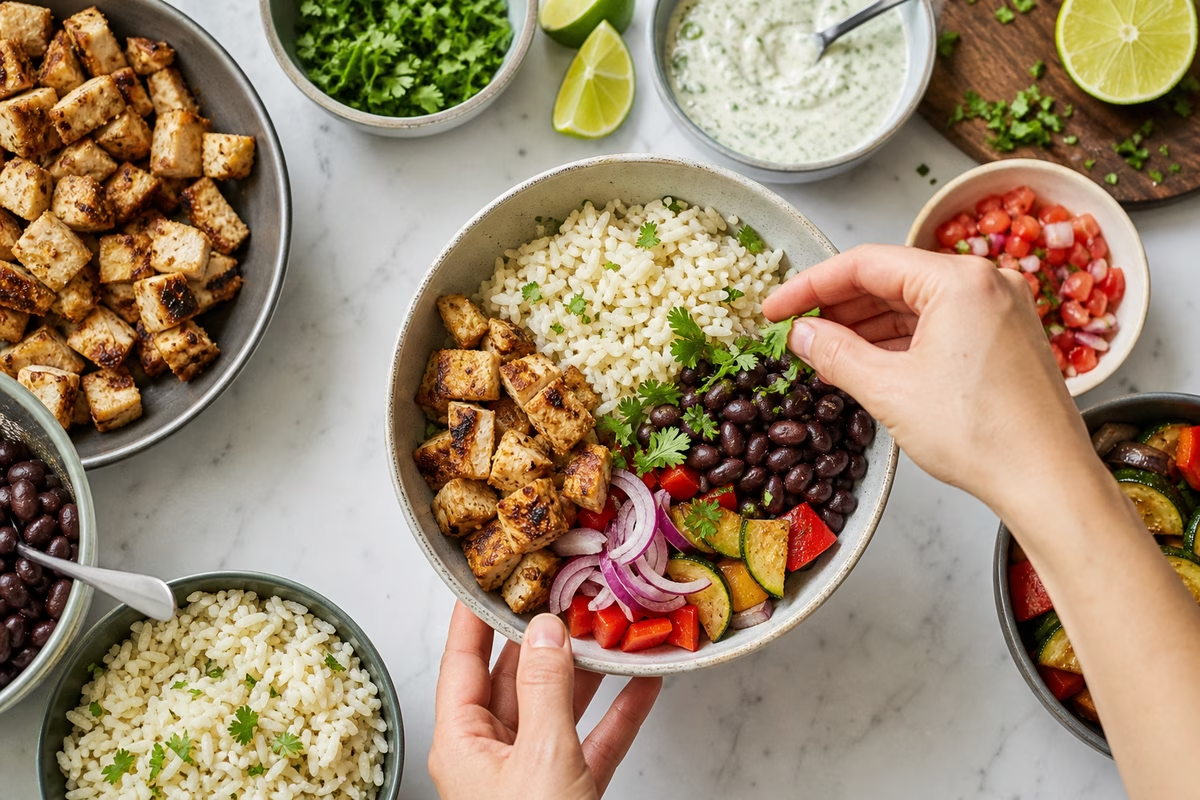
Every bowl needs a protein, a starch, and at least one obvious plant.
That one plant can be frozen broccoli, peas, spinach, kimchi, salsa, shredded cabbage, cucumber, carrots, or a piece of fruit on the side. It does not need to be impressive. It just needs to exist.
A better visual balance
You do not need to weigh every ingredient, but a visual guide helps:
- about one-third of the bowl from protein
- about one-third from rice, potatoes, or another starch
- about one-third from vegetables or beans
- flavor from sauce, herbs, or toppings
That is not a law. It is simply a fast check that prevents the classic “mostly meat plus some rice” problem.
The fastest health upgrades
1. Add fiber first
Fiber is the thing plain meat-and-rice bowls usually miss.
Easy fixes:
- frozen mixed vegetables
- canned beans
- brown rice
- potatoes with the skin on
- bagged slaw
- fruit on the side
You do not need all of them. Start with one.
Beans deserve special mention because they do two jobs at once: they add fiber and they stretch the protein. If your bowl feels expensive or heavy, beans are often the cleanest fix.
2. Rotate the protein
If every bowl is beef, the meal gets heavy fast. Rotate between:
- lean ground beef
- ground turkey
- ground chicken
- tofu
- black beans or pinto beans
- rotisserie chicken
Rotation keeps the meal cheaper, lighter, and less monotonous.
It also helps with reheating quality. Turkey and chicken can feel cleaner in lunch bowls. Beef often tastes better in taco, burger, or chili-style bowls. Tofu and beans work especially well when sauce is doing most of the flavor work.
For a deeper comparison, read Choosing Protein for Boy Kibble .
3. Let sauce do the work
A dry bowl is the fastest route to boredom. Keep two or three no-effort sauces around:
- salsa
- soy sauce plus sriracha
- plain yogurt with lemon and salt
- bottled teriyaki
- pesto loosened with a little water or oil
If the bowl tastes good, you are more likely to keep cooking at home.
4. Keep one fresh thing around
Healthy eating is not just about nutrients. It is also about whether the bowl feels alive enough to eat again tomorrow.
Fresh low-effort additions include:
- slaw mix
- cucumber
- green onion
- cilantro
- cherry tomatoes
- kimchi
- pickles
- lime
One bright or crunchy ingredient keeps meal prep from tasting stale on day two.
A better bowl template
Here is a stronger everyday version:
- 1 part protein
- 1 part rice or potatoes
- 1 part vegetables
- a spoon of sauce
- optional extra: beans, avocado, egg, or fruit on the side
That is not a strict nutrition target. It is a practical visual check so you do not accidentally build the same underpowered bowl every day.
Five healthier bowl templates that still feel easy
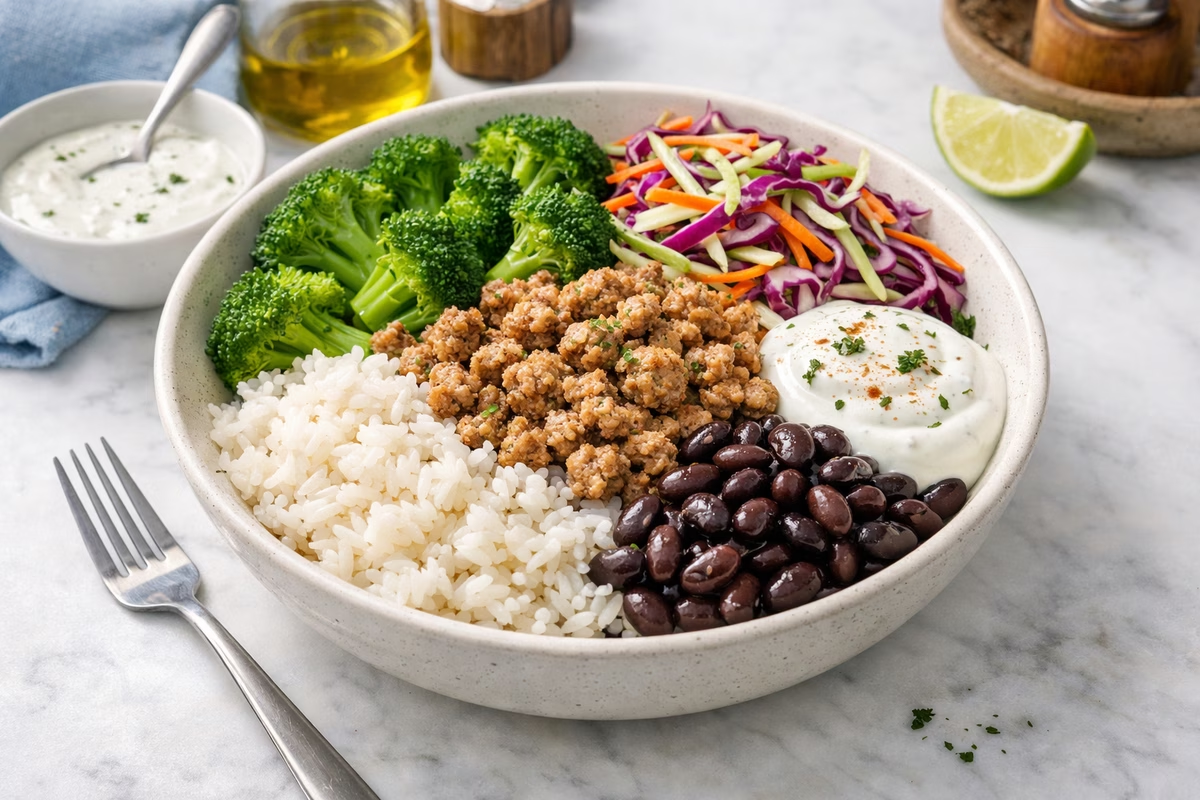
1. The everyday lunch bowl
- turkey or chicken
- rice
- frozen broccoli
- salsa or yogurt sauce
- slaw on top
This is the safest default for people who want a solid meal-prep lunch that does not feel too heavy.
2. The high-satiety bowl
- beef or beans
- potatoes or rice
- vegetables
- egg on top
- hot sauce or salsa
Use this when the standard bowl leaves you hungry an hour later.
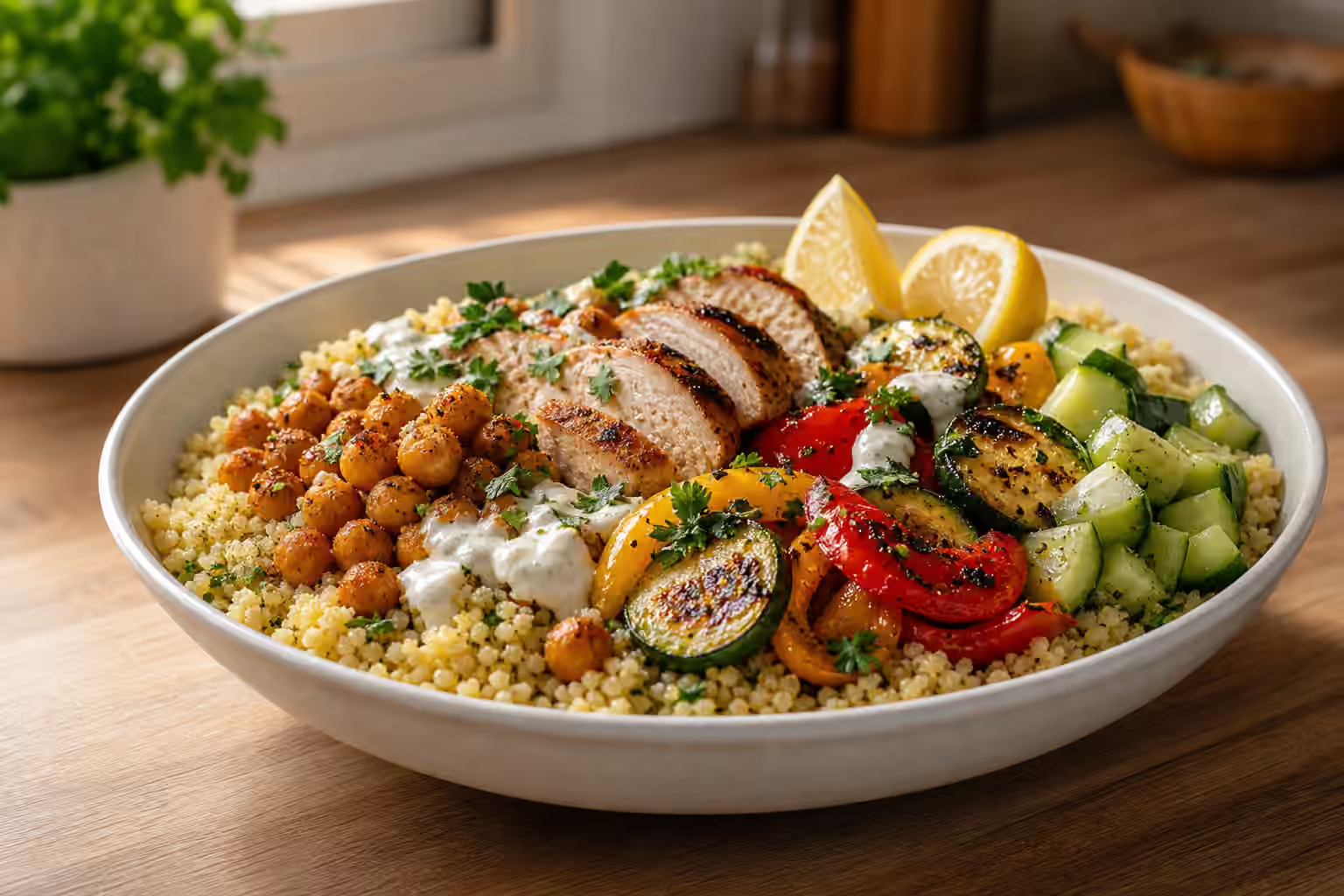
3. The lighter bowl
- chicken or tofu
- rice
- cucumber, greens, or slaw
- a bright sauce
This version works well in warmer weather or for people who do not want every bowl to feel dense.
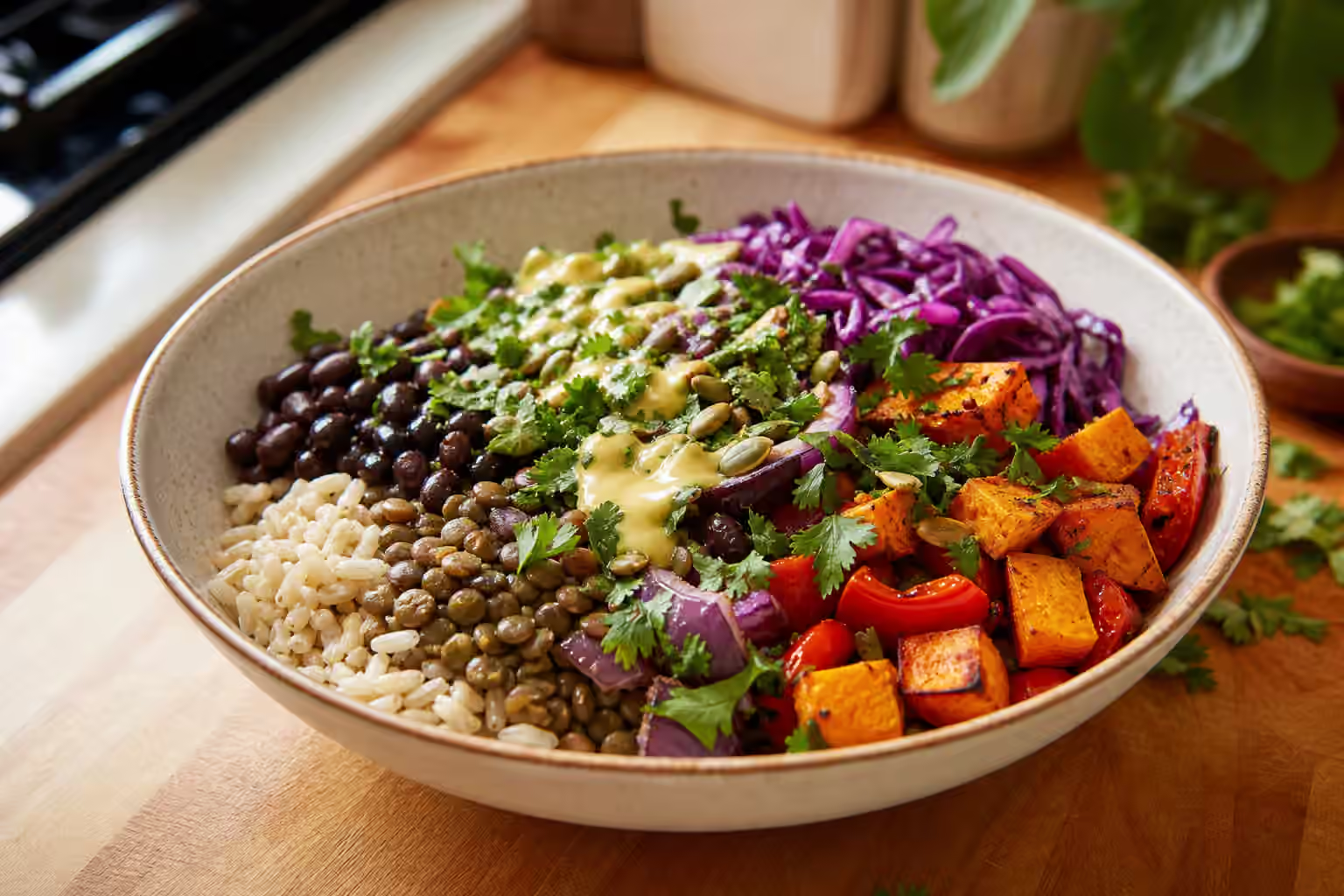
4. The fiber-first bowl
- beans plus a smaller amount of meat
- brown rice or potatoes
- corn, peppers, greens, or slaw
- salsa
This is an easy way to keep the bowl cheap and more balanced without making it vegetarian unless you want it to be.
5. The convenience bowl
- rotisserie chicken or pre-cooked protein
- microwavable rice
- frozen vegetables
- bottled sauce
This is still a valid home-cooked meal. Convenience ingredients are not cheating if they keep you from ordering out.
Four easy upgrade paths
| If your bowl is… | Change this | Result |
|---|---|---|
| dry and boring | add salsa, yogurt sauce, or soy sauce | more flavor, easier to eat repeatedly |
| too heavy | use turkey or chicken, add cucumber or slaw | lighter texture, fresher finish |
| not filling enough | add beans, potatoes, or an egg | better staying power |
| all meat and rice | add frozen vegetables or fruit on the side | more fiber, color, and variety |
Healthier grocery defaults
If you shop for bowls often, make these your automatic picks when possible:
- two proteins instead of one
- one fresh vegetable and one frozen vegetable
- one fast starch and one slower starch
- one creamy sauce and one bright sauce
- eggs for backup
- beans for stretch
That creates a small amount of variety without turning shopping into a chore.
Micronutrients without getting weird about it
The best micronutrient strategy is still boring food: vegetables, beans, fruit, dairy or fortified alternatives, varied proteins, and some rotation across the week.
If your diet is clearly narrow for stretches of time, a basic multivitamin/mineral supplement can make sense as a gap-filler. It should not be doing the job of vegetables, fruit, or a more varied grocery list. And if you think you need a targeted supplement like iron, that is the point to talk to a clinician instead of free-styling it from influencer content.
How often to meal prep it
Simple bowls are great for meal prep, but they are best in 3- to 4-day stretches, not endless full-week punishment. Cook a batch, refrigerate it, finish it, then rotate to a slightly different version.
That approach stays easier to manage and usually tastes better too.
Reheating and storage
For cooked meal-prep bowls:
- refrigerate promptly
- aim to finish them within 3 to 4 days
- reheat thoroughly before eating
If you know you will not finish the batch, freeze part of it right away instead of hoping for discipline later.
Signs your “healthy” bowl is still not working
Sometimes the bowl looks better on paper but still fails in real life.
Watch for these signals:
- you are hungry again very quickly
- the bowl tastes so dull that you keep grazing afterward
- you are skipping the vegetables because they make prep annoying
- every lunch tastes identical by day three
- the bowl feels so restrictive that you stop cooking it
Those are design problems, not moral problems. Fix the system. Add more starch if you are hungry. Add more flavor if the bowl is joyless. Swap fresh vegetables for frozen if prep is the blocker.
Healthier does not mean complicated
The best version of boy kibble is still fast, still cheap, and still a little repetitive. That is fine. The goal is not culinary enlightenment. The goal is a simple meal you can trust on a busy day.
If you want more flavor without more effort, go next to 7 Easy Boy Kibble Variations and Sauces and Toppings That Save Boy Kibble from Sadness . If you want help choosing better ingredients from the start, read What to Buy for Boy Kibble and Choosing Protein for Boy Kibble .
Make the bowl repeatable
A good boy kibble meal is practical food with a little care built in. For How to Make Boy Kibble Healthier Without Making It Fancy, the goal is not a perfect recipe. It is a repeatable pattern: base, protein, vegetable, sauce or seasoning, texture, and enough planning that dinner does not become a negotiation with the fridge.
Start with what is already cooked or easy to cook. Rice, potatoes, noodles, beans, eggs, chicken, tofu, slaw, frozen vegetables, and leftovers can become a real meal when the bowl has contrast. Soft needs crisp, rich needs acid, plain needs sauce, and salty needs something fresh.
Then make the next bowl easier. Cook one extra base, wash one crunchy vegetable, keep one sauce ready, or portion leftovers before they vanish into the back of the refrigerator. Small prep beats ambitious meal plans that never happen.
Food safety still matters. Cool leftovers promptly, reheat appropriately, keep seafood and poultry handled carefully, and do not stretch storage beyond common sense.
A healthier bowl should make simple eating feel cared for: fast, flexible, and satisfying without pretending every weeknight is a cooking show.
What to notice after you use this guide
Once you have finished this guide, choose one next action that can be observed. A guide becomes more valuable when it changes a real choice, not only when it adds more facts.
Name the context. Where are you, what are you trying to improve, and what would count as a good result? The answer keeps the advice grounded in daily life.
Change one variable first. A small controlled change teaches more than a dramatic reset because you can tell what mattered.
Keep one note. Write the date, the choice, the outcome, and the thing you would repeat. The note can be plain and still useful.
Look for tradeoffs. Better boy kibble decisions often involve cost, time, maintenance, comfort, fit, risk, or skill. Seeing the tradeoff makes the decision calmer.
If the result is unclear, wait before adding another fix. Some lessons need a second use, a different day, or a quieter comparison.
If the stakes are high, use qualified sources and professional guidance where appropriate. A guide can organize the question, but it should not pretend to replace expertise.
The goal is practical confidence. How to Make Boy Kibble Healthier Without Making It Fancy should make the next step easier to choose and easier to repeat.