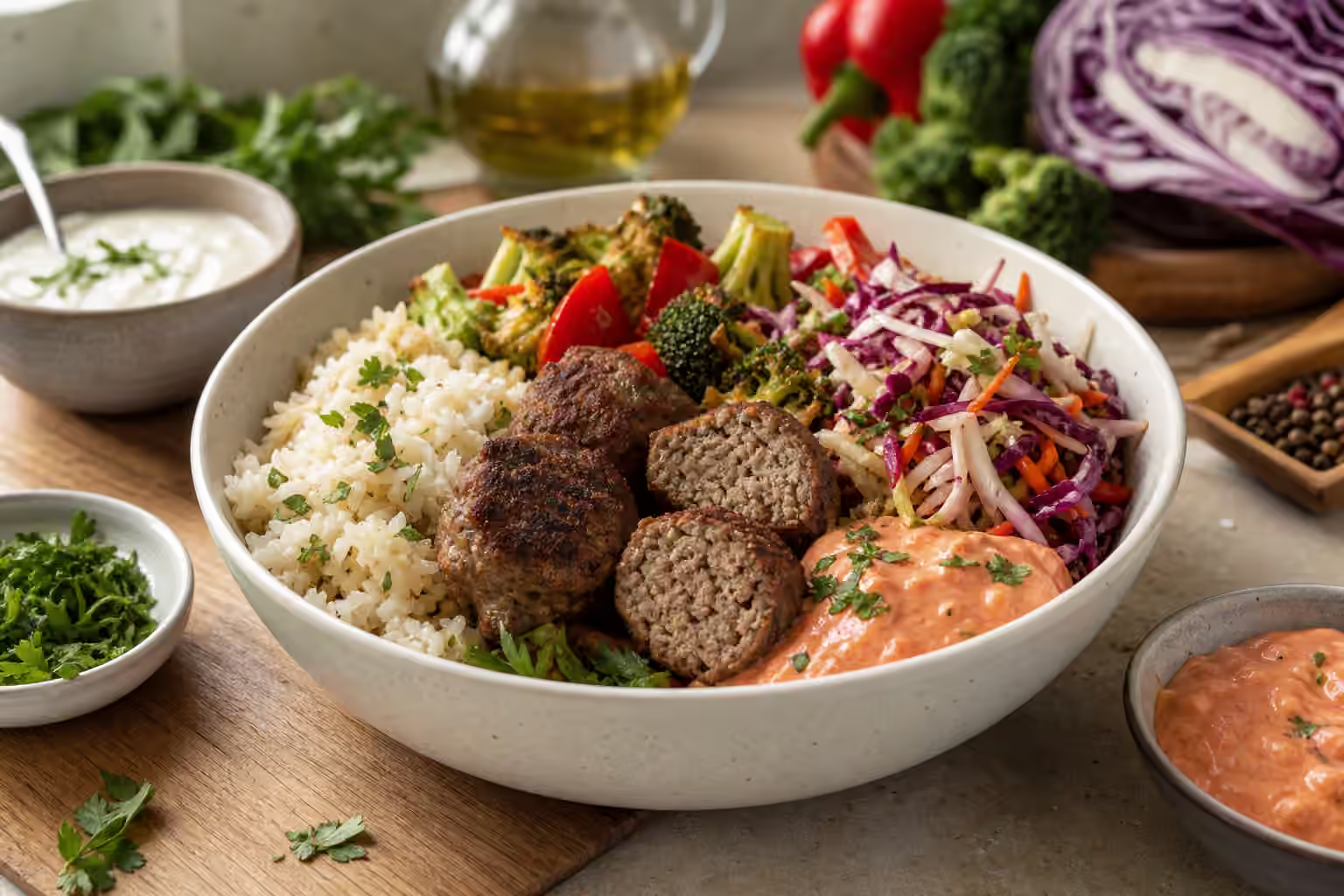
Ground beef is the original boy kibble anchor for a reason. It browns quickly, tastes familiar, works with rice, potatoes, tortillas, beans, eggs, and noodles, and can make a cheap bowl feel more like dinner than a pile of responsible ingredients. It is also the protein most likely to make the whole system feel heavy if it becomes the only move. A bowl of beef and rice can be satisfying on Monday and dull by Wednesday when the fat has settled, the rice has gone firm, and every bite asks for another squeeze of sauce.
That is not an argument against beef. It is an argument for treating beef like the strong ingredient it is. Ground beef brings richness, browned flavor, and enough personality to carry simple meals, but it needs contrast. It needs a base that fits the week, vegetables that do more than decorate the bowl, and a finish that cuts through the richness instead of piling more weight on top.
Choosing Protein for Boy Kibble already puts beef in context beside turkey, chicken, tofu, beans, eggs, and seafood. This guide stays narrower. It is about making the classic beef version better without turning it into a recipe project.
Brown It Like It Matters
Ground beef can taste flat when it is technically cooked but never really browned. That usually happens when the pan is crowded, the heat is timid, or the meat is stirred so constantly that it steams in its own moisture. The result is gray, loose, and strangely dependent on sauce. The bowl may still be edible, but it has missed the main advantage beef was supposed to bring.
Better browning starts with giving the meat contact with the pan. Spread it out, let it sit for a short stretch, then break it into pieces as it cooks. If liquid gathers in the skillet, give it time to cook off before deciding the beef is finished. Browning is not about making every crumb crisp. It is about creating enough cooked edges and aroma that the beef tastes like the center of a meal before rice, sauce, or toppings arrive.
This is the beef version of the seasoning habit from How to Season Boy Kibble Before the Sauce Goes On . Salt and spice need a cooked surface to land on. A spoonful of chili powder, garlic, mustard, soy sauce, tomato paste, or pepper does more work when the beef has browned instead of boiled. Sauce can finish that flavor, but it should not have to invent it from nothing.
Manage Fat Without Making the Bowl Dry
Ground beef comes with built-in richness, and that is part of the appeal. The trick is deciding how much of that richness belongs in the bowl. If all the rendered fat stays in the pan and then gets packed with rice, the leftovers can feel greasy and heavy. If every bit is drained away and the beef is cooked hard, the meal can swing the other direction and become dry.
The useful middle depends on the beef, the base, and the finish. A richer beef batch over potatoes may need more draining than a leaner batch stirred through rice and beans. A burger-style bowl with pickles and a creamy sauce may already have enough richness from the finish. A taco-ish bowl with black beans, cabbage, salsa, and lime can handle some beef fat because the acid and crunch keep the meal moving.
Draining is not a moral event. It is a texture decision. Tip off excess fat when the skillet looks oily enough that the rice would be coated before the sauce even appears. Leave enough behind to carry seasoning and keep the beef pleasant. If the pan has browned bits, a small splash of water, broth, tomato, salsa, or soy-leaning sauce can loosen them and pull that flavor back into the meat without turning the batch soupy.
Choose a Lane Before the Sauce Shelf Gets Involved
Beef is flexible enough to go in several directions, which is useful until the bowl becomes confused. A little taco seasoning, a little soy sauce, a little burger sauce, a little curry powder, and a random hot sauce do not create depth. They create noise. The bowl gets better when the beef knows what kind of meal it is becoming.
A taco-ish lane might use garlic, chili powder, cumin, black beans, rice, corn, cabbage, salsa, and lime. A burger lane might use salt, pepper, onion powder, potatoes or rice, pickles, shredded lettuce, mustard, and a modest creamy sauce. A soy-garlic lane might use rice or noodles, broccoli, cucumber, scallions, ginger, sesame, and chili crisp. A tomato lane might push the beef toward short pasta, beans, spinach, peppers, and a sharper cheese or yogurt finish.
The lane does not need to be authentic to anything. It only needs to be coherent enough that the next decision is easier. If you know the beef is going burger-ish, pickles and lettuce make sense. If it is going soy-garlic, cucumber and scallions make sense. This is where the broader flavor logic in Sauces and Toppings That Save Boy Kibble from Sadness becomes practical. The sauce is chosen because it fits the meal, not because the bottle is open.
Let the Base Absorb Strength, Not Weight
Rice is the default beef base because it catches fat, sauce, and browned crumbs well. It also makes beef stretch farther. The danger is letting rice become the entire counterweight. Beef over a large pile of plain rice can taste satisfying for a few bites and then become monotonous. If the rice is doing all the balancing, the bowl usually needs beans, vegetables, acid, or a sharper finish.
Potatoes make beef feel like comfort food, especially with pickles, greens, hot sauce, or a burger-style sauce. Noodles can work when the beef has a strong coating sauce, but they need moisture and texture so the meal does not become dense. Beans can be a base, a stretch, and a texture change at the same time. Tortillas can turn a small amount of beef into a wrap or quesadilla when another bowl sounds repetitive.
Boy Kibble Bases is useful here because beef exposes the personality of the base. Rice keeps the classic bowl clean and simple. Potatoes make it heartier. Beans make it cheaper and fuller. Greens lighten it only when the beef is seasoned enough to carry them. Tortillas change the format before boredom gets a vote.
Use Vegetables That Cut Through
The best vegetables for beef are often the ones that interrupt it. Cooked broccoli, peppers, corn, spinach, mushrooms, and onions can all belong in the hot part of the bowl, but raw or cold vegetables usually do the more important job. Cabbage, slaw, pickles, cucumber, lettuce, scallions, herbs, radish, and a squeeze of lime or lemon can make a rich bowl feel deliberate instead of blunt.
This is why a beef bowl with rice, slaw, pickles, and sauce often feels better than a beef bowl with rice and more beef. The vegetables are not only there to make the meal look balanced. They change the bite. They bring water, crunch, acid, and temperature contrast. Those qualities matter most when the protein is rich.
The vegetable guide, Vegetables for Boy Kibble , frames this as giving the plant part a job. With beef, that job is usually freshness, relief, or direction. Broccoli can make a soy-garlic bowl feel complete. Cabbage can make taco beef feel cleaner. Pickles can make burger beef feel sharper. Cucumber can make a reheated beef lunch feel less like a reheated beef lunch.
Portion the Beef Around the Whole Bowl
A satisfying beef bowl does not always need a large amount of beef. Because ground beef brings fat and browned flavor, a smaller portion can carry rice, beans, potatoes, vegetables, or noodles if the rest of the bowl is built well. A bowl overloaded with beef can taste impressive at first and tiring halfway through. A bowl with beef, beans, slaw, sauce, and a reasonable base often eats better.
This is the central lesson from Portioning Boy Kibble . Protein matters, but ratio matters more. If the bowl is mostly rice with a thin dusting of beef, it feels skimpy. If it is mostly beef with a token vegetable, it feels heavy. The useful middle is a bowl where the beef leads without flattening everything else.
Beans are the easiest way to make that middle work. Black beans with taco beef, lentils with tomato beef, chickpeas with a spiced beef bowl, or pinto beans with rice and salsa can make the meat feel more generous without turning dinner into a meat pile. The result is often better for leftovers too, because beans hold moisture and give the bowl another texture.
Meal Prep Beef as a Component
Beef meal prep gets worse when every container is fully finished too early. Rice, beef, watery salsa, lettuce, and sauce sealed together for days will not improve in the fridge. The sturdy parts should be cooked and seasoned. The fragile parts should wait. That may sound like extra work, but it usually means doing less up front and giving yourself more control later.
Cook the beef with a clear lane and enough seasoning that it tastes good on its own. Store it with rice or beans if that matches the week, or keep it separate if you want several exits. Add slaw, pickles, cucumber, herbs, lettuce, crunchy toppings, or creamy sauce after reheating. If the beef seems tight when reheated, a small splash of water or sauce can loosen it before the cold finish goes on.
This component habit overlaps with How to Meal Prep Boy Kibble Without Hating It by Wednesday and Better Boy Kibble Texture . The more the bowl depends on contrast, the later that contrast should arrive. Beef can handle storage. Lettuce cannot. Pickles can wait. Slaw can wait. Crunch should almost always wait.
Give Leftovers a New Shape
Ground beef leftovers are useful because they change format easily. Yesterday’s beef and rice can become a burger bowl with pickles and lettuce, a taco bowl with beans and cabbage, a noodle bowl with broccoli and chili crisp, a potato bowl with hot sauce and greens, or a tortilla meal when the idea of another spoonful of rice feels tired.
The point is not to disguise old food. It is to give it a new job. Beef is strong enough to survive that. A small amount of leftover beef can season beans. It can crisp at the edge of a skillet. It can sit inside a quesadilla. It can turn a microwave potato into dinner. It can make frozen vegetables and rice feel less like a backup plan.
Leftover Boy Kibble covers the larger method, but beef benefits from one specific rule: add brightness before adding more richness. If the leftovers taste dull, reach for acid, crunch, and freshness first. More cheese or more creamy sauce may help sometimes, but pickles, lime, cabbage, cucumber, salsa, hot sauce, or herbs often fix the real problem with less weight.
Let Beef Be the Rich Weeknight Option
Ground beef does not need to be the only boy kibble protein to be valuable. It may work best as the rich option in a rotation that also includes lean turkey, chicken, tofu, beans, eggs, seafood, or pantry proteins. Used that way, beef keeps its appeal. It becomes the anchor for bowls that should feel comforting, fast, and direct, not the default that quietly makes every lunch feel the same.
The classic version still works: browned beef, rice, one plant, one sauce, one fresh finish. The improvement is in the balance. Brown the beef properly. Keep enough fat for flavor but not so much that the bowl slumps. Choose a lane. Let the base absorb flavor without becoming a heavy cushion. Use vegetables for contrast. Save delicate finishes for the end. When the leftovers arrive, change the shape before deciding you are tired of the food.
That is enough to keep ground beef in the boy kibble system where it belongs: familiar, useful, satisfying, and less blunt than the meme version suggests.