Gluten-free boy kibble is not a separate cuisine. It is the same practical bowl system with more attention paid to bases, sauces, shortcuts, and shared-kitchen habits. Rice, potatoes, beans, corn tortillas, vegetables, eggs, many proteins, and plenty of sauces can fit naturally. The hard part is not usually finding something to eat. The hard part is keeping the meal easy while avoiding the hidden wheat that sneaks into convenience foods, breaded proteins, noodles, seasoning blends, and sauces.
This guide is not medical advice and it cannot replace the level of care someone needs for a diagnosed condition or severe sensitivity. It is a kitchen guide for building the bowl more deliberately. Dairy-Free Boy Kibble uses the same basic idea: replace the job, not the joy. A gluten-free bowl should not feel like a lesser version of pasta, wraps, or breaded food. It should be built around bases and finishes that already work well.
Start With Bases That Do Not Need Apology
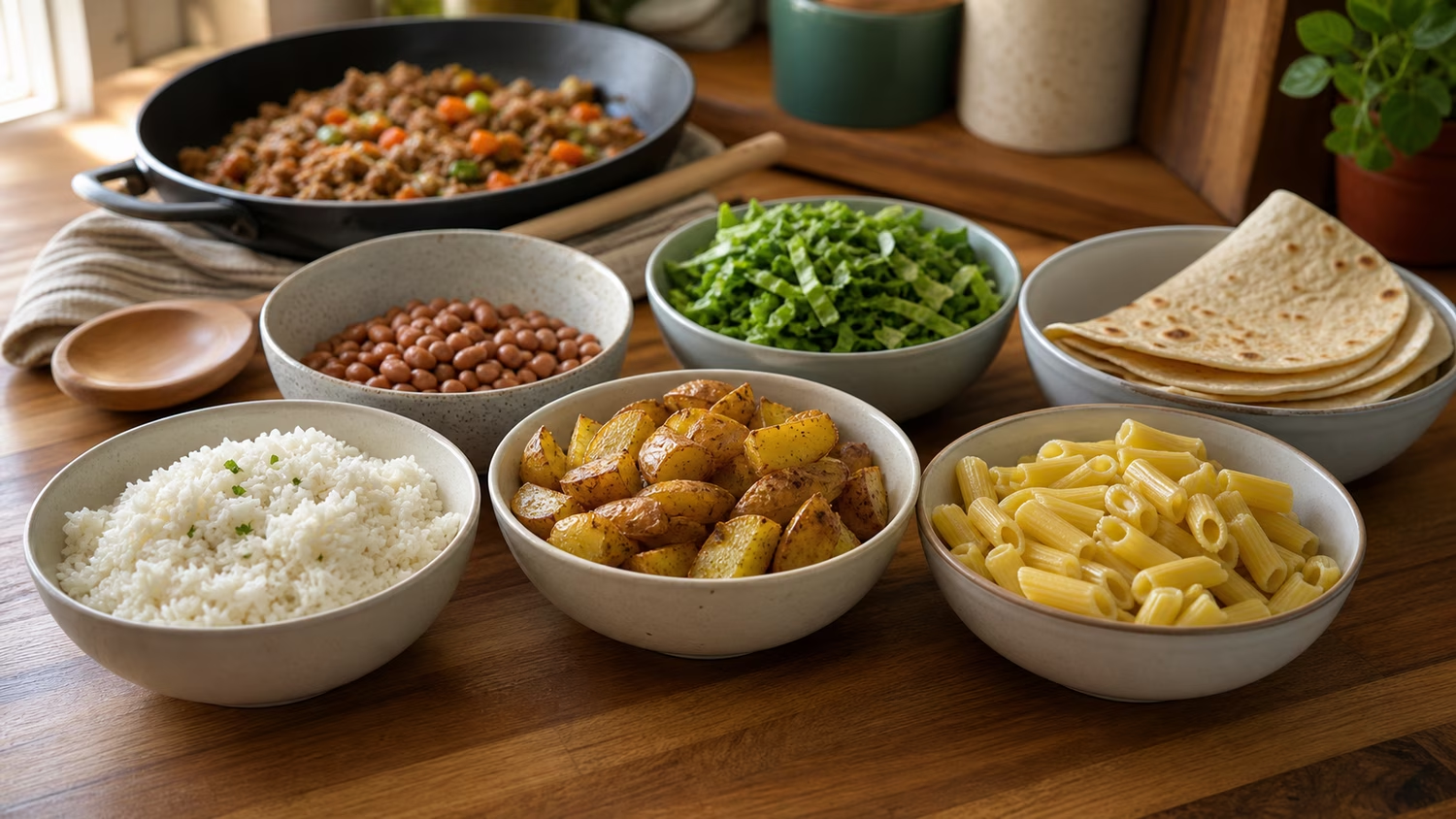
Rice is the obvious anchor because it is cheap, neutral, and already central to boy kibble. A rice bowl with seasoned protein, vegetables, sauce, and a crisp finish does not feel like a substitution. It feels like the default version of the meal. White rice, brown rice, jasmine rice, basmati rice, and sticky rice can all work depending on the bowl. The useful habit is to cook and cool it well so it reheats cleanly rather than becoming dry or gummy.
Potatoes are just as important. Roasted potatoes, skillet potatoes, microwave potatoes, and sweet potatoes can make gluten-free bowls feel hearty without needing bread, pasta, or wraps. Potato Boy Kibble covers the texture details, and those details matter here because potatoes can either be a sturdy base or a soft brick. Salt them early, give them a finish, and do not bury them under thin sauce.
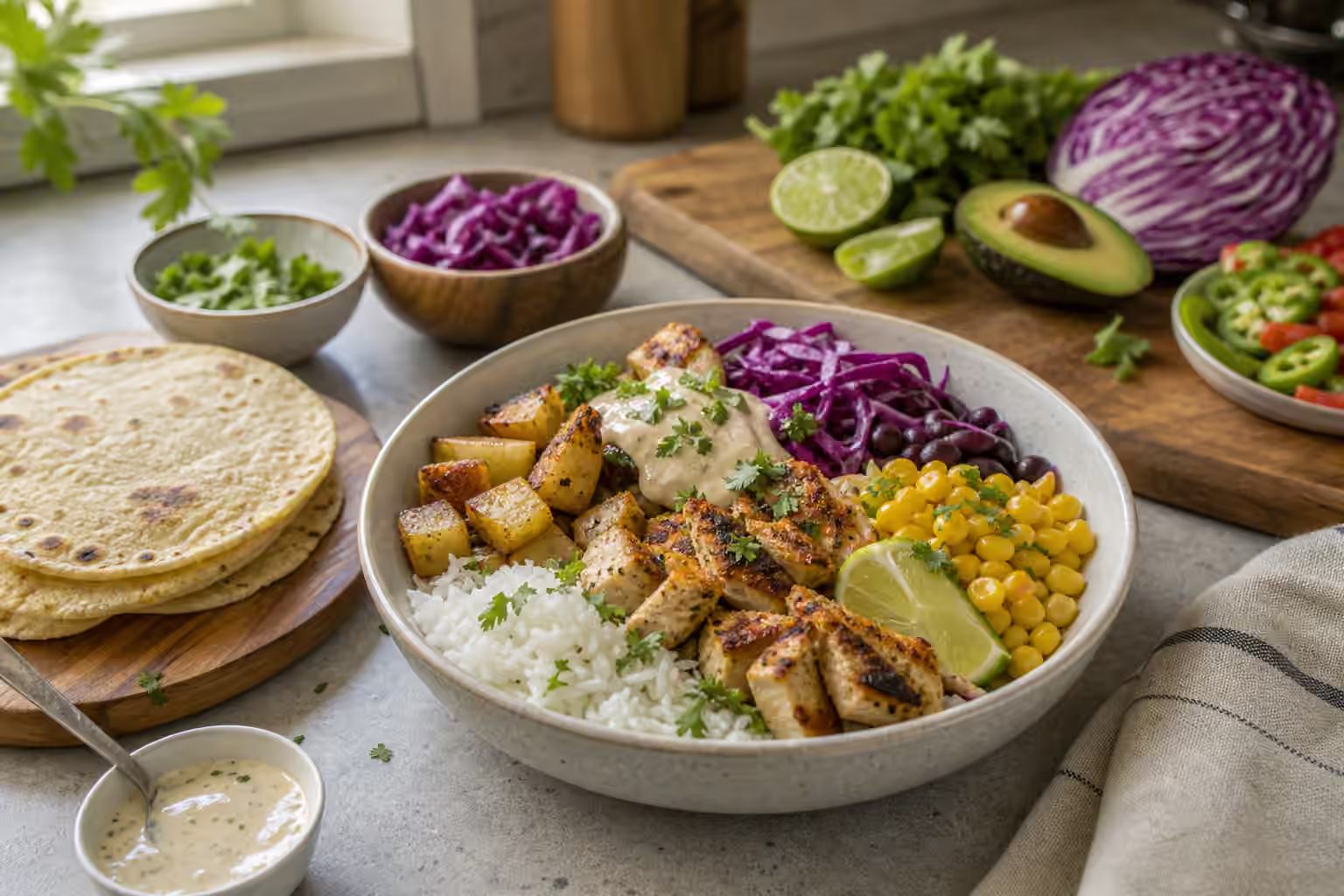
Corn tortillas and tortilla chips can bring the fold, crunch, and comfort that wheat wraps sometimes provide. A corn tortilla bowl with rice, beans, turkey, salsa, cabbage, and lime can become a plate, a taco-ish bowl, or a few small folded bites. Beans and lentils can also carry more of the base role when the bowl needs substance. Greens work when the protein and sauce are strong enough to keep the meal from feeling like a salad pretending to be dinner.
Watch the Convenience Pieces
The ingredients that make boy kibble easy are also the places where gluten can hide. Breaded chicken, meatballs, sausages, prepared sauces, soy sauce, spice blends, frozen meals, salad kit crunch packets, imitation meats, and some prepared grocery proteins may not fit. The answer is not to panic. The answer is to stop assuming every shortcut is neutral and to use shortcuts you can understand.
Prepared grocery boy kibble can still work. Rotisserie-style chicken, microwave rice, steam-bag vegetables, canned beans, eggs, tuna, potatoes, slaw, salsa, yogurt sauce, hot sauce, and simple dressings can all be useful when they fit your needs. The trick is to read labels and choose components that do not require detective work every night. Prepared-Grocery Boy Kibble is helpful, but the gluten-free version asks one extra question: does this shortcut stay simple once the label is part of the work?
Sauces deserve special attention. Soy sauce is common in boy kibble because it brings salt and depth, but many standard versions contain wheat. Tamari-style sauces or clearly labeled alternatives may be the better pantry default for people avoiding gluten. Barbecue sauces, salad dressings, bottled marinades, and seasoning packets also vary. Keep one or two trusted sauces around so every dinner does not become a label-reading session when you are already hungry.
Build Flavor Before the Sauce
A gluten-free bowl gets easier when the cooked parts taste good before sauce. That is true for all boy kibble, but it matters more when some convenience sauces, breaded textures, and noodle options are off the table. Season the protein in the pan. Salt the rice or potatoes enough that they are not just filler. Cook vegetables until they taste intentional. Then use the sauce as a finish rather than the whole rescue plan.
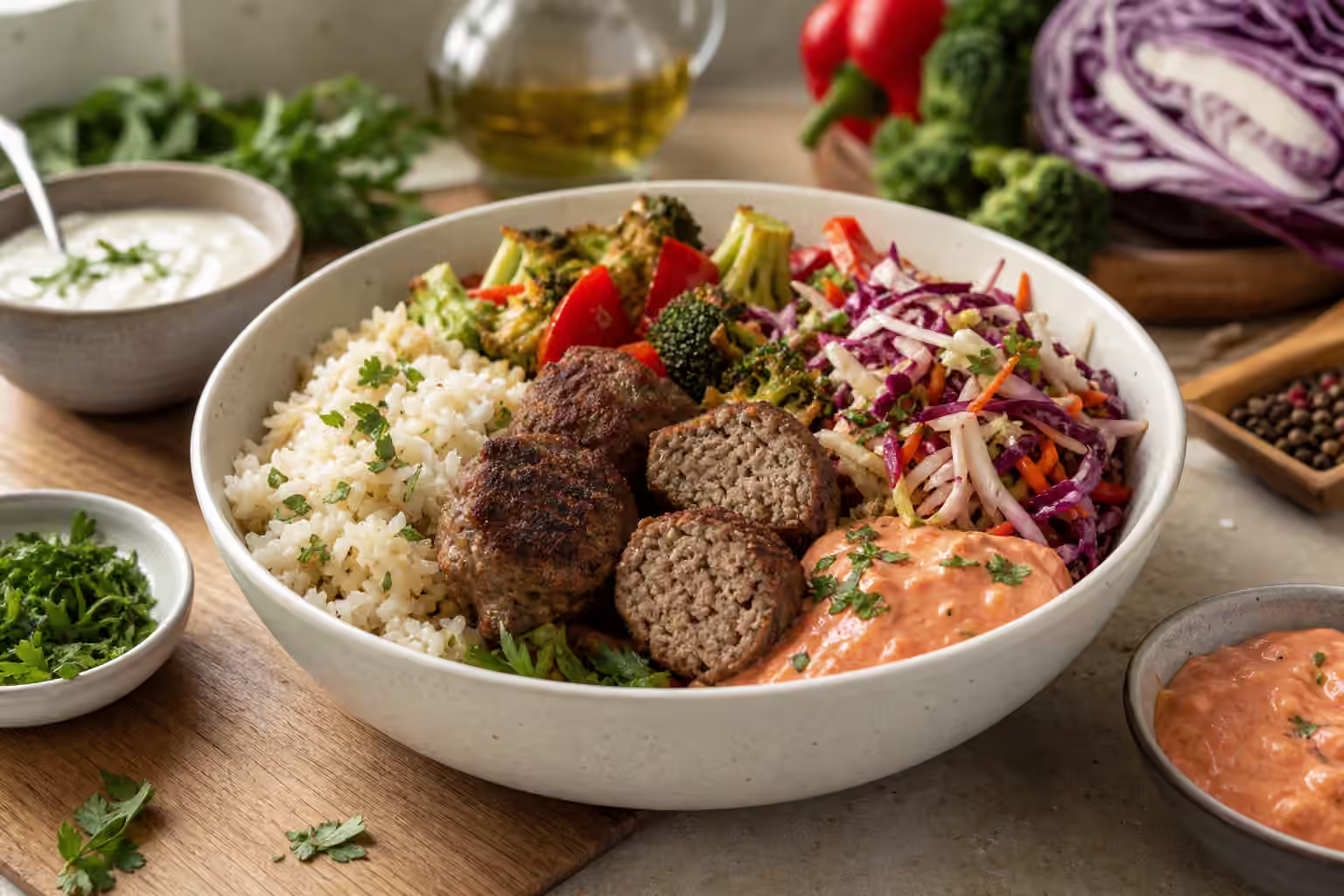
How to Season Boy Kibble Before the Sauce Goes On gives the larger method. In a gluten-free bowl, the practical lanes are still familiar. Taco-ish turkey can use rice, beans, corn, cabbage, salsa, and lime. Burger-ish beef can use potatoes, pickles, lettuce, onions, and a mustardy sauce. Soy-ginger bowls can use rice, broccoli, cucumber, scallions, sesame, and a gluten-free soy-style sauce. Mediterranean-ish chicken can use rice or potatoes, cucumber, herbs, lemon, chickpeas, and yogurt sauce.
The goal is not to recreate a missing wheat-based meal. The goal is to make the available bowl coherent. If the base is rice, let the protein and finish carry the direction. If the base is potatoes, add enough acid and crunch. If the base is corn tortillas or chips, keep wet ingredients under control. If the base is beans, season them so they do not feel like a compromise.
Use Vegetables for Structure
Vegetables can make gluten-free boy kibble feel more complete because they bring texture that might otherwise come from bread, noodles, or crispy coatings. Cabbage, slaw, cucumber, lettuce, carrots, peppers, roasted broccoli, corn, greens, pickles, and herbs all help the bowl feel built instead of restricted. A rice and chicken bowl with no fresh finish can feel plain. Add cabbage, lime, salsa, and a little sauce, and it becomes a meal with direction.
This is where Fresh Finish Kits for Boy Kibble becomes especially useful. Keep one cold crunch, one sharp finish, and one sauce that fits your pantry rules. That small kit can make rice and potatoes feel varied without relying on wheat-based wraps, noodles, or breadcrumbs. The finish is not decoration. It is the part that keeps the bowl from feeling like a list of exclusions.
Vegetables also help with packed lunches. A gluten-free lunch bowl should not depend entirely on reheated rice and protein. Cold slaw, cucumber, pickles, herbs, salsa, or a small crunchy topping can bring the meal back after storage. Just keep wet and crisp pieces separate when they need protection.
Keep Shared Kitchens Practical
If gluten-free cooking is happening in a shared kitchen, the food plan has to include the room. Crumbs, cutting boards, toasters, pans, sauce bottles, and shared utensils can matter depending on the reason for avoiding gluten. The specific level of separation depends on the person and household, so the evergreen rule is to make the routine clear before cooking starts.
For boy kibble, that often means keeping the base and protein simple, using clean tools, and avoiding ambiguous shared condiments when the stakes are high. Rice, potatoes, beans, eggs, and vegetables are easier to control than a complicated prepared meal with many unknowns. A small set of trusted sauces can reduce friction. So can cooking a compact batch before the busiest kitchen hour, which overlaps with the advice in Tiny-Kitchen Boy Kibble .
The point is not to make the kitchen tense. It is to reduce uncertainty. A bowl system is supposed to make dinner easier. Clear routines, clear labels, and simple components help the gluten-free version stay repeatable instead of becoming a nightly negotiation.
Let the Bowl Be Its Own Thing
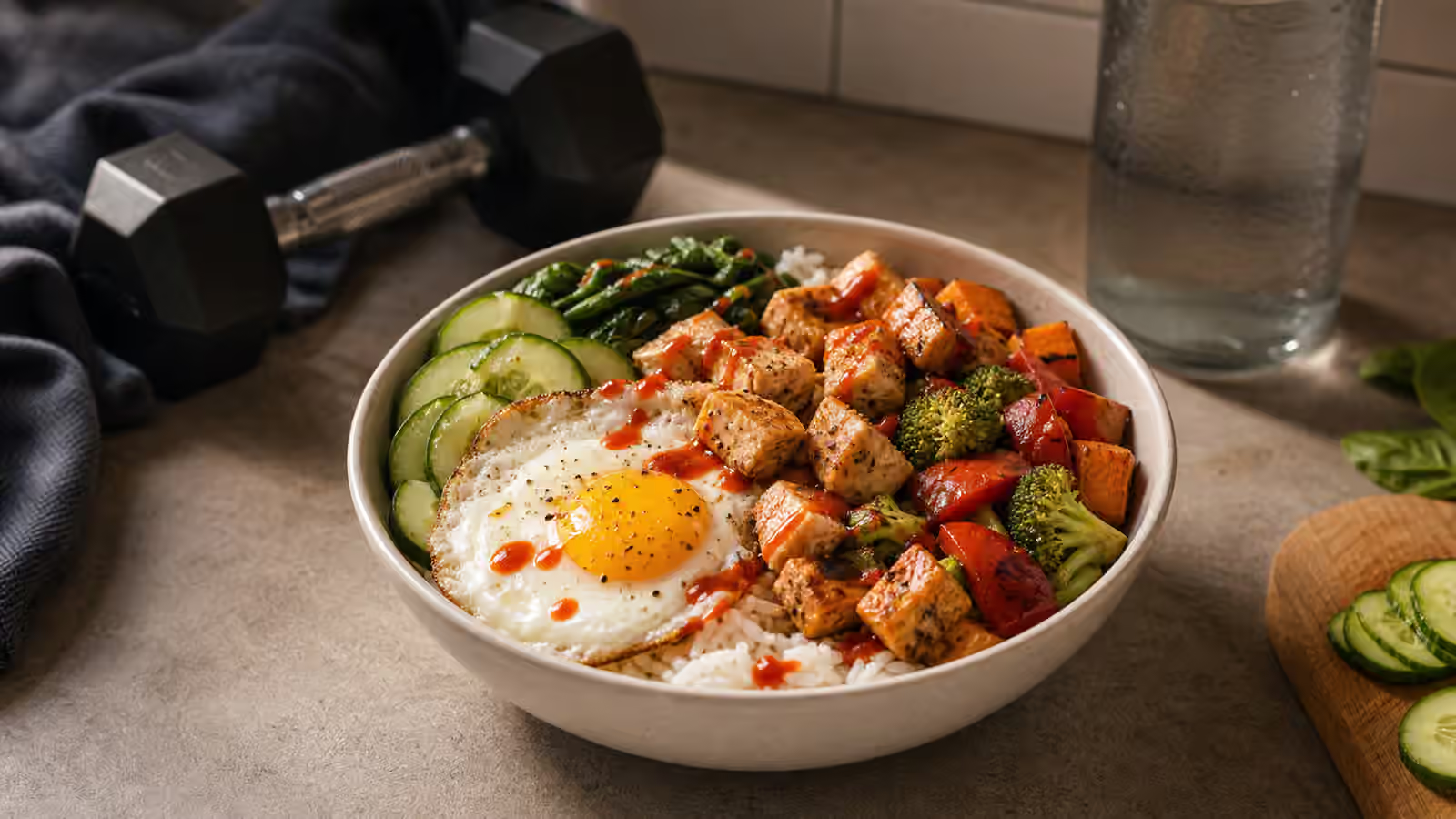
The strongest gluten-free boy kibble bowls do not feel like wheat was removed at the last second. They feel like rice bowls, potato bowls, bean bowls, corn-tortilla bowls, egg bowls, chicken bowls, tofu bowls, seafood bowls, or vegetable-heavy bowls that were built on purpose. That difference matters. Restriction-first cooking often produces sad substitutions. Job-first cooking produces better defaults.
Start with a base that already works. Season the protein. Choose a sauce you trust. Add vegetables that bring crunch, color, water, or sharpness. Store the fresh finish separately when needed. Keep a few pantry and freezer backups so convenience does not depend on risky shortcuts. Gluten-free boy kibble can stay simple because the core formula was never dependent on wheat in the first place. It just needs enough care around the edges to keep the easy parts easy.