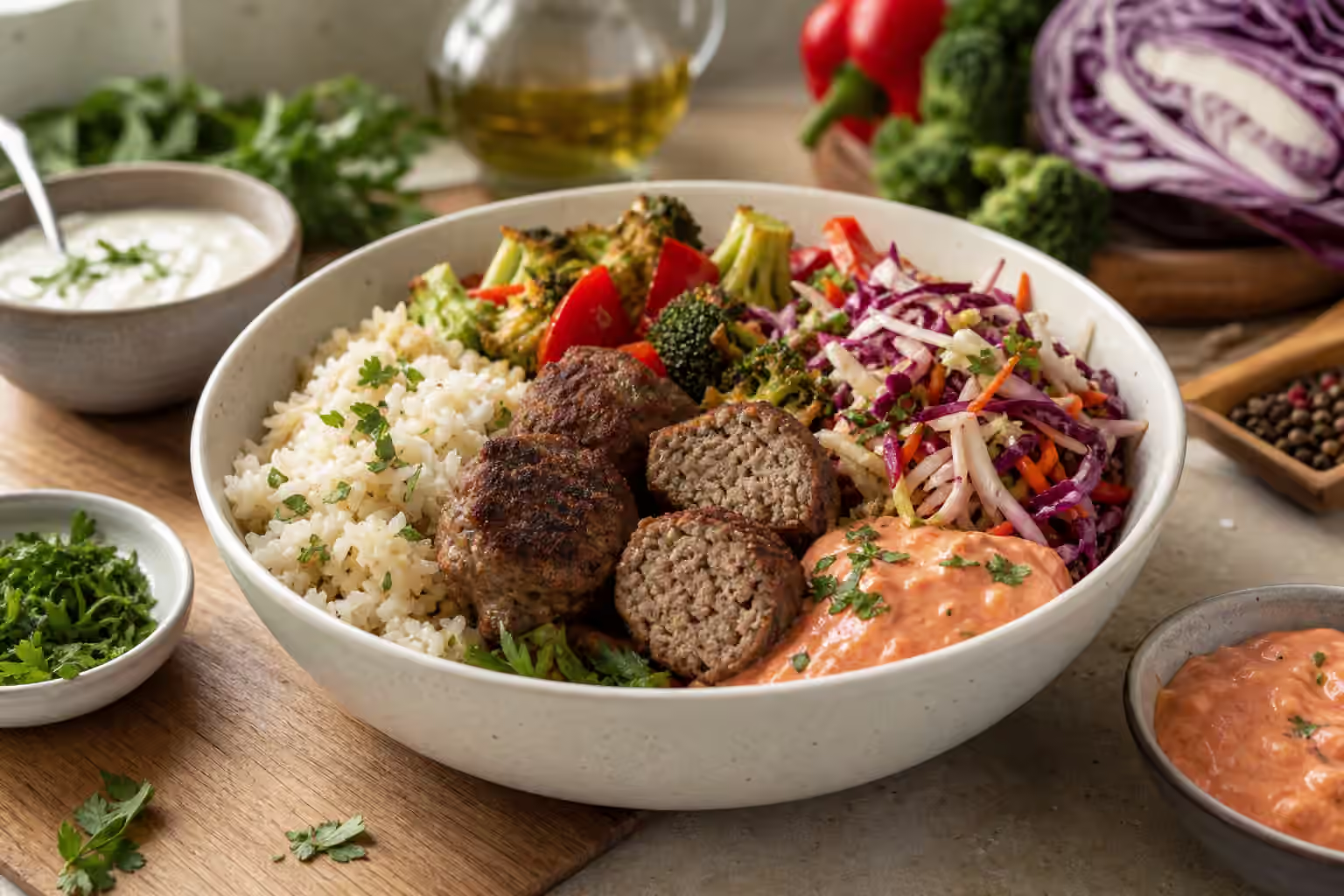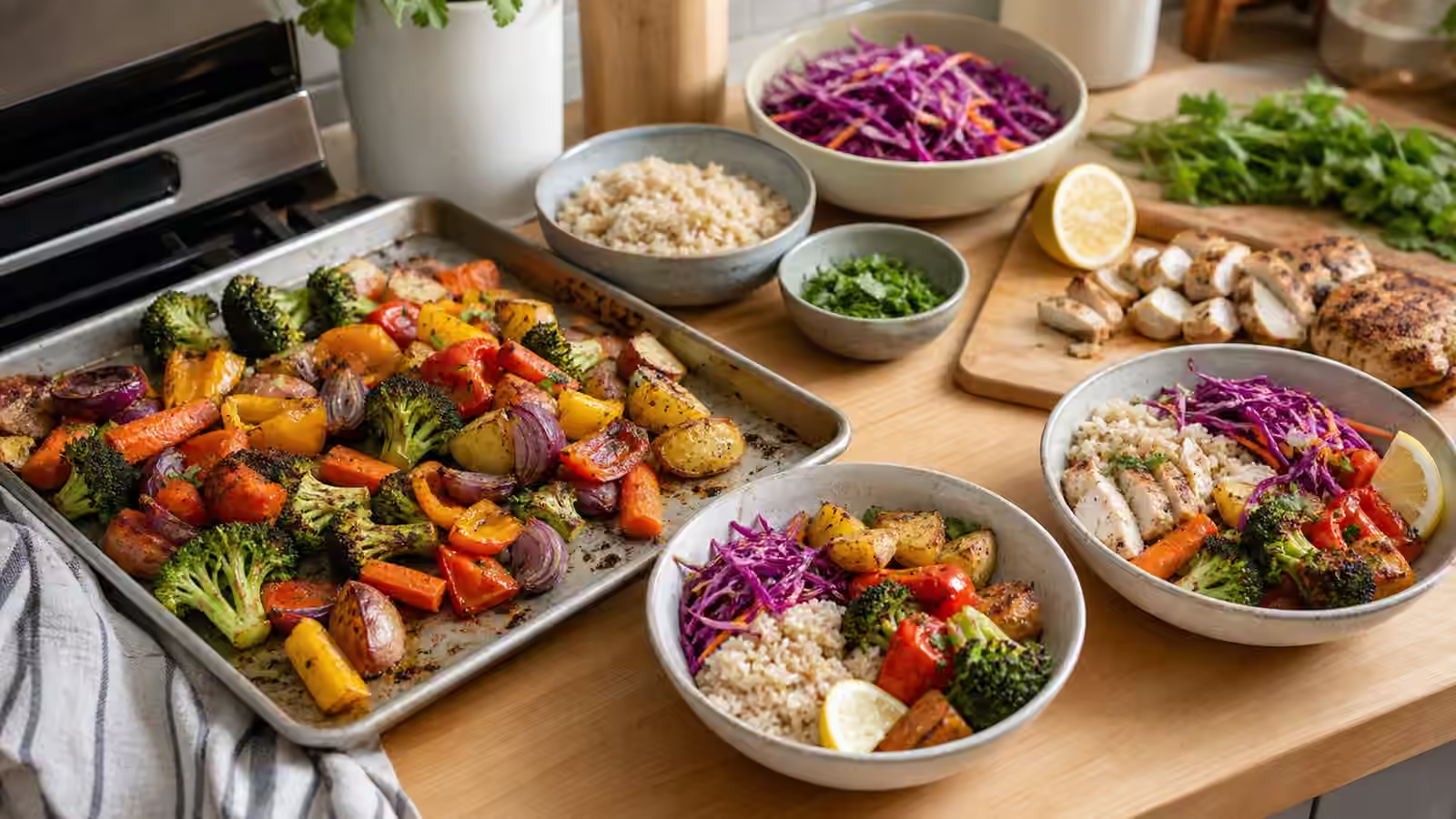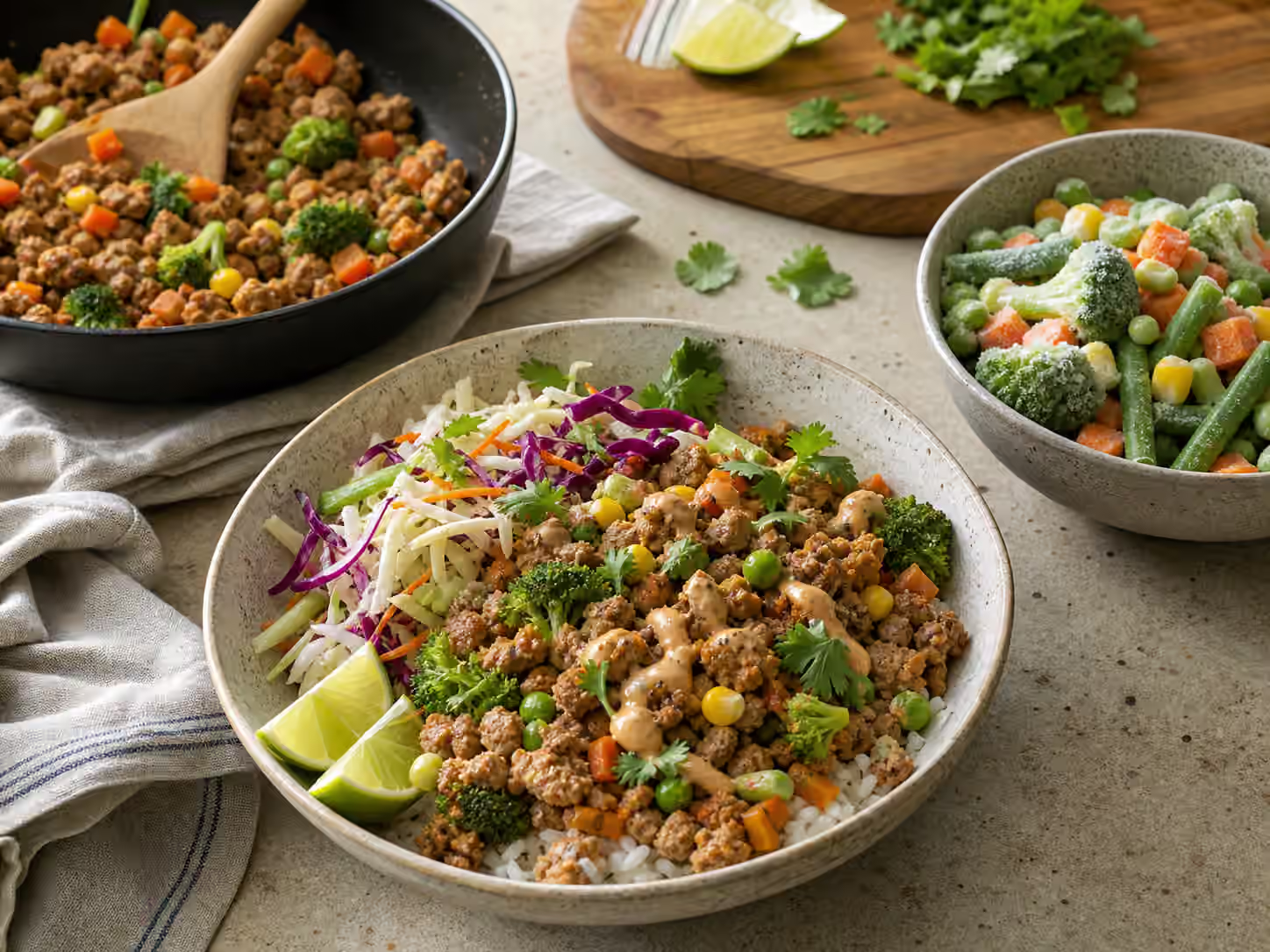
Frozen vegetables are one of the easiest ways to make boy kibble less beige, but they are also one of the easiest ways to make it watery. The difference is rarely the vegetable itself. It is the way the vegetable is heated, seasoned, and placed in the bowl. A handful of frozen broccoli can taste like a real dinner component or like thawed packing material depending on whether its water has somewhere to go.
That is why frozen vegetables deserve a specific guide instead of being treated as a lesser version of fresh produce. Vegetables for Boy Kibble explains the broader role of plants in the bowl, and Roasted Vegetable Boy Kibble covers batch color from the oven. This guide focuses on the freezer bag: the peas, broccoli, corn, spinach, green beans, peppers, cauliflower, and mixed vegetables that make weeknight bowls possible when shopping did not go perfectly.
Treat Frozen Vegetables as Water Management
Frozen vegetables bring their own moisture into the pan. That is useful when you want steam, and frustrating when you want browning. The mistake is adding them to a pan as if they were dry chopped vegetables. They hit the heat, release water, cool the pan, and force the protein or rice to simmer in a shallow puddle. The finished bowl may be safe and filling, but the texture feels flat.
The better habit is to decide what job the water is doing. If the bowl needs a quick vegetable layer and the protein is already cooked, steam is fine. A covered pan with frozen broccoli, a splash of water, and a few minutes of heat can get dinner moving. If the bowl needs flavor from browning, the water has to leave before seasoning and sauce do their best work. That usually means cooking the frozen vegetables first, uncovered for part of the time, until the pan stops looking wet.
This is especially important with small mixed vegetables. Peas, carrots, corn, and green beans can go from frozen to pleasant quickly, but they also leak moisture into rice if they are dumped straight into a storage container. Let them steam off, season them while hot, and then decide whether they belong beside the base or mixed through it.
Match the Method to the Vegetable
Not every freezer vegetable wants the same treatment. Broccoli, cauliflower, green beans, and peppers can handle a skillet or sheet pan because they have enough structure to recover after thawing. Peas and corn are sweeter and more delicate, so they often do better as late additions. Spinach is almost all moisture once it thaws, which makes it useful in saucy bowls and frustrating in crisp ones. Frozen chopped onions and peppers can help a skillet base, but they need time for their water to cook off before the protein is expected to brown.
The microwave can be useful when the vegetable is not supposed to brown. Steam the vegetables separately, drain any obvious water, then fold them into the bowl with sauce, rice, and protein. This keeps the base from being punished by the thawing process. Microwave Boy Kibble uses the same logic: heat the sturdy parts in the order they need, then finish with contrast instead of asking one container to do everything at once.
The skillet is better when the vegetable needs to taste cooked rather than merely warmed. Let frozen broccoli or green beans sit long enough to thaw and release steam, then give them a little oil, salt, pepper, garlic powder, chili flakes, or whatever seasoning fits the bowl. Do not drown them in sauce before they taste like vegetables. Sauce should finish the work, not hide the fact that the pan never got a chance.
Keep Frozen Vegetables From Flattening the Protein
The classic boy kibble move is to brown meat, add vegetables, add sauce, and serve over rice. That can work, but frozen vegetables change the timing. If you add a large frozen vegetable load to browned ground turkey or beef, the pan temperature drops and the browned bits soften. The meat is no longer browning. It is reheating in vegetable water.
One solution is to cook the protein first, move it to one side or out of the pan, and give the vegetables their own moment. Another is to cook the frozen vegetables first until most of the water leaves, then add protein and seasoning. A third is to accept that the vegetable will be a softer layer and build texture elsewhere with cabbage, pickles, seeds, herbs, or a crisp finish. Better Boy Kibble Texture matters here because frozen vegetables can cover the color problem while leaving the texture problem unsolved.
This is not about making frozen vegetables precious. It is about not letting them erase the work you already did. If the protein has browned, protect that flavor. If the vegetables are watery, let them dry down. If the bowl is going to be soft no matter what, make sure the finish brings crunch and acid.
Season While They Are Hot
Frozen vegetables often taste bland because they are treated as a health obligation rather than an ingredient. They need seasoning, but they also need timing. Salt, spice, lemon, vinegar, soy sauce, chili oil, yogurt sauce, salsa, or tahini can all help, but not all of them belong in the pan at the beginning.
Dry seasoning is useful once the surface moisture has started to leave. Garlic powder, onion powder, paprika, cumin, black pepper, chili flakes, curry powder, and dried herbs can cling to hot vegetables and make them feel connected to the bowl. Wet sauce is better after the vegetable has stopped flooding the pan. Acid is often best at the end, where it brightens the food without making the pan wetter than it needs to be.
This is one reason frozen vegetables pair well with strong but simple bowl identities. Taco-style bowls can take corn, peppers, and peas with seasoned beef or beans. Soy-ginger bowls can take broccoli, green beans, or edamame with tofu or chicken. Tomato-chili bowls can hide spinach or mixed vegetables because the sauce already wants softness. The freezer vegetable should support the direction, not sit on top like an apology.
Store Them With Texture in Mind
Frozen vegetables can be part of meal prep, but they do not all improve after storage. Peas and corn usually hold well. Broccoli can become strong-smelling if trapped too long in a sealed container with wet rice. Spinach disappears into saucy food, which can be useful. Green beans and peppers soften but still add color. The question is not whether they are good or bad for leftovers. The question is what texture you expect tomorrow.
If the bowl is being packed for lunch, keep watery vegetables away from cold slaw, cucumber, and crisp toppings. If the vegetables are going into the same container as rice, make sure they are not still shedding steam. If you want the bowl to feel fresh later, add something cold after reheating. Fresh Finish Kits for Boy Kibble is the natural partner for freezer vegetables because the freezer solves availability while the finish solves freshness.
Freezer vegetables also make good rescue ingredients. A small amount can stretch leftover rice. A larger amount can turn a meat-heavy bowl into something less heavy. A handful of peas and corn can make fried rice feel intentional. Broccoli can give a chicken breast bowl enough volume to avoid becoming plain rice and protein. The bag in the freezer is not a compromise if it helps the bowl become dinner.
Let the Freezer Be a Backup Plan, Not a Dumping Ground
The best frozen vegetable bowls do not taste like the cook gave up. They taste like someone knew which shortcut they were taking. Cook off water when texture matters. Steam separately when speed matters. Season while hot. Keep sauce from turning the pan into soup. Add cold crunch or acid where the freezer cannot help.
That is the useful lane for frozen vegetables in boy kibble. They make the system more resilient. They cover the nights when the fresh broccoli went bad, the salad drawer is empty, or the grocery run slipped. They also keep simple bowls colorful without adding another chopping session. When handled with a little respect, the freezer bag stops being emergency produce and becomes one of the quiet tools that keeps the whole bowl habit alive.