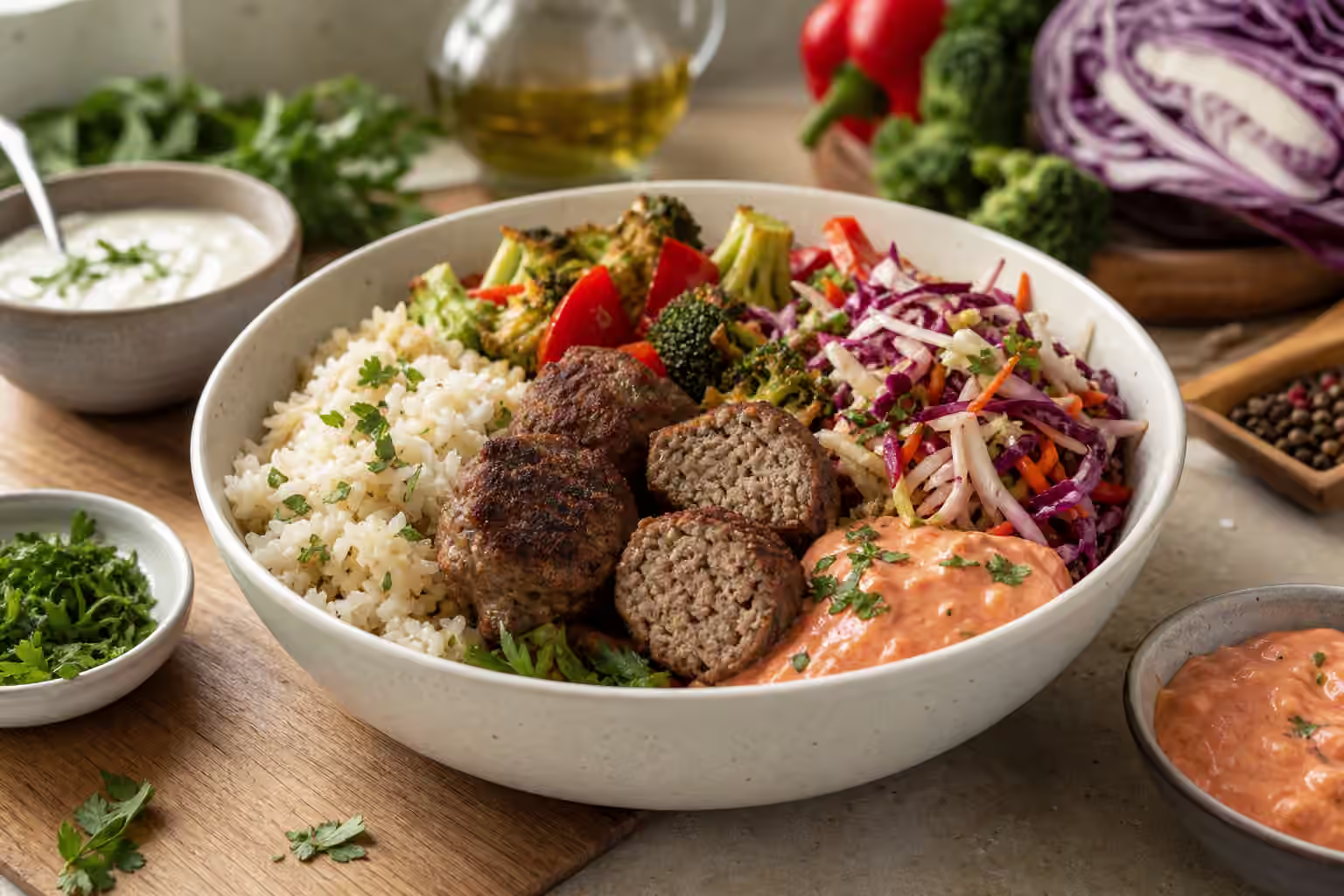
Fried rice may be the most honest upgrade for a boy kibble system that has started to feel tired. It takes the same practical parts the site keeps returning to: rice, protein, vegetables, sauce, and a finish, then gives them heat, movement, and a second chance. Cold rice that felt dry in a container becomes useful. Yesterday’s turkey, beef, tofu, beans, shrimp, or chicken stops tasting like a repeat. An egg turns from backup protein into a binder, a soft contrast, or a quick sign that the bowl was cooked on purpose.
This is not restaurant fried rice, and it does not need to be. The goal is a weeknight skillet meal that makes leftovers feel less like storage. If Leftover Boy Kibble is about remixing components broadly, fried rice is the narrow, dependable version: cold rice, hot pan, enough fat, a cooked protein, a vegetable that can handle heat, and a finish that keeps the bowl from becoming salty beige.
Cold Rice Is the Point
Fresh rice can make good fried rice, but it asks for more care because it is still moist and tender. Cold rice has already firmed up. The grains separate more easily, the surface can pick up fat and seasoning, and the pan has a better chance of making the meal taste fried instead of steamed. This is why the quiet work from Rice Cooker Boy Kibble pays off later. A plain batch of rice can support dinner, lunch, and then a fried rice recovery meal before it ever feels like the same thing again.
Dry rice is not a flaw if you know what it is for. It becomes a flaw when it is microwaved badly or buried under sauce and expected to taste fresh. In a skillet, dry rice can absorb a little fat, a little soy sauce or hot sauce, the browned bits from protein, and the moisture from vegetables. The meal becomes more coherent because the rice is not just waiting under the toppings. It is part of the cooking.
The only real warning is clumping. If the rice has become a hard brick, break it apart before it hits the pan. Large cold clumps tend to stay cold inside while the outside overcooks. A few firm pieces are fine. A frozen block of rice needs gentle thawing or a covered warm-up before the actual frying begins. The pan should be doing flavor work, not archaeology.
The Order Matters More Than the Recipe
Good fried rice boy kibble has a sequence. The sequence is not fancy, but it keeps the meal from turning wet. Start with the ingredient that needs the most direct heat. If the protein is raw, cook it first and give it a chance to brown. If the protein is already cooked, warm it enough to wake up the surface and let any extra moisture cook off. If the vegetable is frozen, give it time to steam and then dry in the pan before the rice arrives.
Rice should not be added while the pan is crowded and watery. That is how fried rice becomes a soft rice hash. Wait until the protein and vegetables have stopped leaking obvious liquid, then add the rice and spread it out. Let some grains touch the hot pan. Stir, then pause. Constant stirring feels productive, but it can prevent browning and keep everything moving before heat has done anything useful.
Eggs can enter several ways. Scrambling them first and setting them aside gives cleaner pieces. Pushing the rice to one side and scrambling the egg in the open part of the skillet saves dishes. Pouring beaten egg through the rice makes softer, more coated grains. None of these is morally superior. The right choice depends on whether you want visible egg pieces, a richer rice texture, or the fewest dishes after dinner.
This is the same practical discipline behind How to Season Boy Kibble Before the Sauce Goes On . Heat, salt, and order create the base. Sauce finishes it. If sauce arrives before excess moisture leaves, the bowl can taste salty without tasting cooked.
Use Protein That Can Survive a Second Heat
Fried rice is forgiving, but it is not magic. Some proteins love a second trip through the pan. Ground beef, ground turkey, ground chicken, tofu cubes, chopped rotisserie chicken, shrimp, beans, lentils, and bits of leftover pork or sausage can all work if they are treated according to their weakness. Lean meat needs moisture and sauce. Rich meat needs acid and crunch. Tofu needs surface heat. Beans need seasoning and enough time to stop tasting canned or cold.
The protein does not have to dominate the bowl. In fact, fried rice often works better when the rice, egg, and vegetables share the work. A small amount of leftover meat can stretch across a larger meal if peas, cabbage, egg, and cucumber are part of the plan. That is useful when the end of a batch does not look like enough for dinner but still has plenty of flavor.
The safest habit is to treat leftovers with ordinary care. Use food that has been cooled and stored properly, reheat it thoroughly, and do not ask a skillet to redeem questionable storage. Fried rice is a good leftover strategy, not a reason to gamble on food that should have been thrown out.
Vegetables Keep the Bowl Awake
Fried rice needs vegetables for more than color. Peas bring sweetness and survive heat. Cabbage softens but still keeps some bite. Carrots, corn, peppers, broccoli, spinach, scallions, and frozen mixed vegetables can all work when they are not expected to behave the same way. The question is what the bowl needs. If the rice and protein are heavy, use a fresh finish such as cucumber, cabbage, pickles, herbs, or green onion. If the protein is lean, use vegetables that add moisture and body. If the sauce is salty, use something crisp and cool to keep the bowl from feeling blunt.
The vegetable logic from Vegetables for Boy Kibble applies even more strongly here because fried rice is dense by nature. A bowl of rice, egg, meat, and sauce can become heavy quickly. Cucumber on the side is not decoration. Scallions are not just green confetti. Slaw, pickles, herbs, or raw cabbage can change how the whole bowl eats.
Frozen vegetables are especially useful, but they need patience. If they go straight from freezer to rice, they release water into the skillet and dull the pan flavor. Let them heat, steam, and dry a little before the rice joins. Once they stop cooling the pan down, they become part of the meal instead of a wet interruption.
Sauce Should Focus the Pan, Not Flood It
Fried rice boy kibble usually needs less sauce than a plain rice bowl because the sauce is being distributed through the pan. Soy sauce, chili crisp, hot sauce, sesame oil, salsa, curry paste loosened with a splash of water, or a quick yogurt sauce after cooking can all work, but they should have a job. A little salty sauce in the pan can season the rice. A brighter sauce at the end can wake up the bowl. A creamy sauce can soften lean protein. Too much sauce too early makes the rice heavy and sticky.
This is where Sauces and Toppings That Save Boy Kibble from Sadness becomes the companion guide. Fried rice does not need seven toppings, but it benefits from one clear finish. Chili oil gives heat and shine. Lime gives acid. Yogurt sauce cools a spicy pan. Pickles pull rich meat back into balance. Sesame seeds or crushed peanuts add texture if the bowl has become soft.
The useful test is to taste the rice before the final topping. If it is bland, season the pan. If it is heavy, finish with acid or crunch. If it is dry, use a sauce with body or add a small splash of water while reheating. If it is already salty, do not punish it with more soy sauce just because the bottle is nearby.
Fried Rice Is a Recovery Meal, Not a Compromise
The best fried rice boy kibble happens when the system leaves room for it. Cook a little extra rice. Keep a vegetable that can go hot and a vegetable that can finish cold. Do not drown every protein batch in a sauce that gives it only one future. Store leftovers dry enough that they can hit a pan again. Those habits make fried rice feel like a planned option rather than an emergency disguise.
It also helps with boredom. A person can eat turkey and rice on Monday, pack the same base with slaw and yogurt sauce on Tuesday, then turn the last rice and turkey into fried rice with egg, peas, cabbage, and chili oil on Wednesday. The ingredients are related, but the meals do not feel identical. That is the practical heart of boy kibble: small changes that keep cooking possible.
Fried rice is not a side quest away from the formula. It is one of the formula’s best exits. Cold rice stops being a problem. Leftovers stop feeling stale. The skillet gives the bowl a new texture, the egg gives it shape, and the fresh finish keeps the meal from collapsing into soft salt. For a low-effort kitchen, that is a serious win.