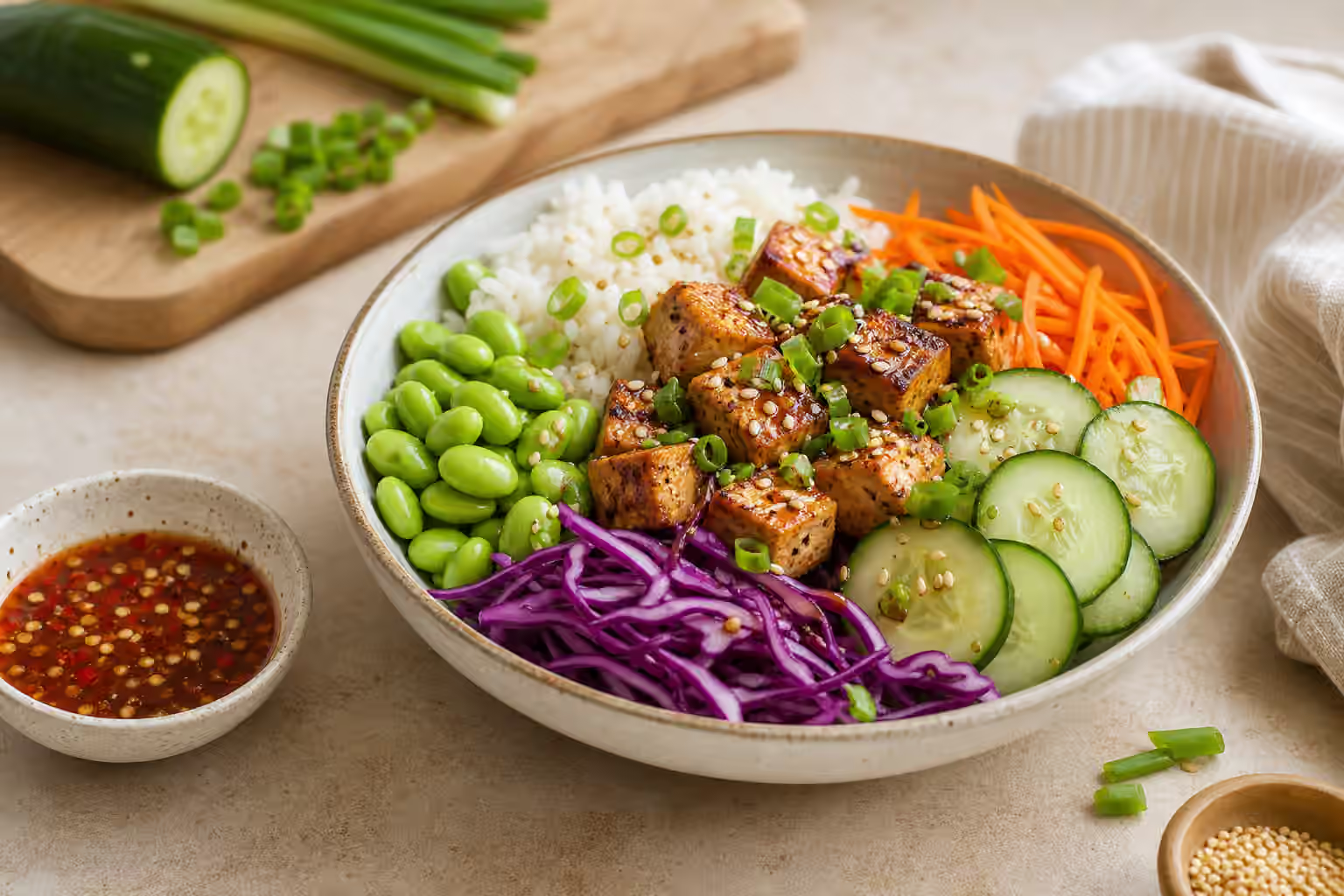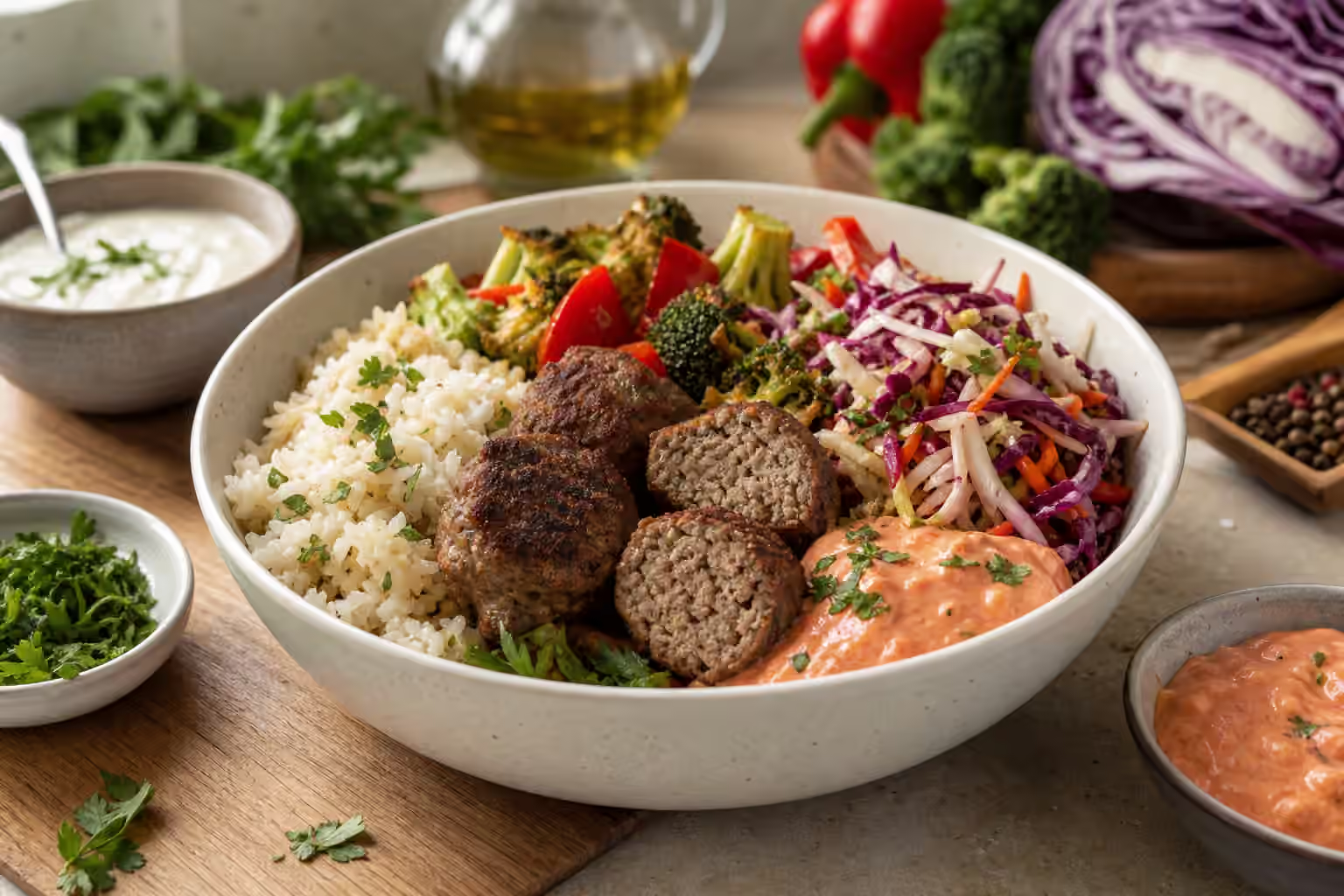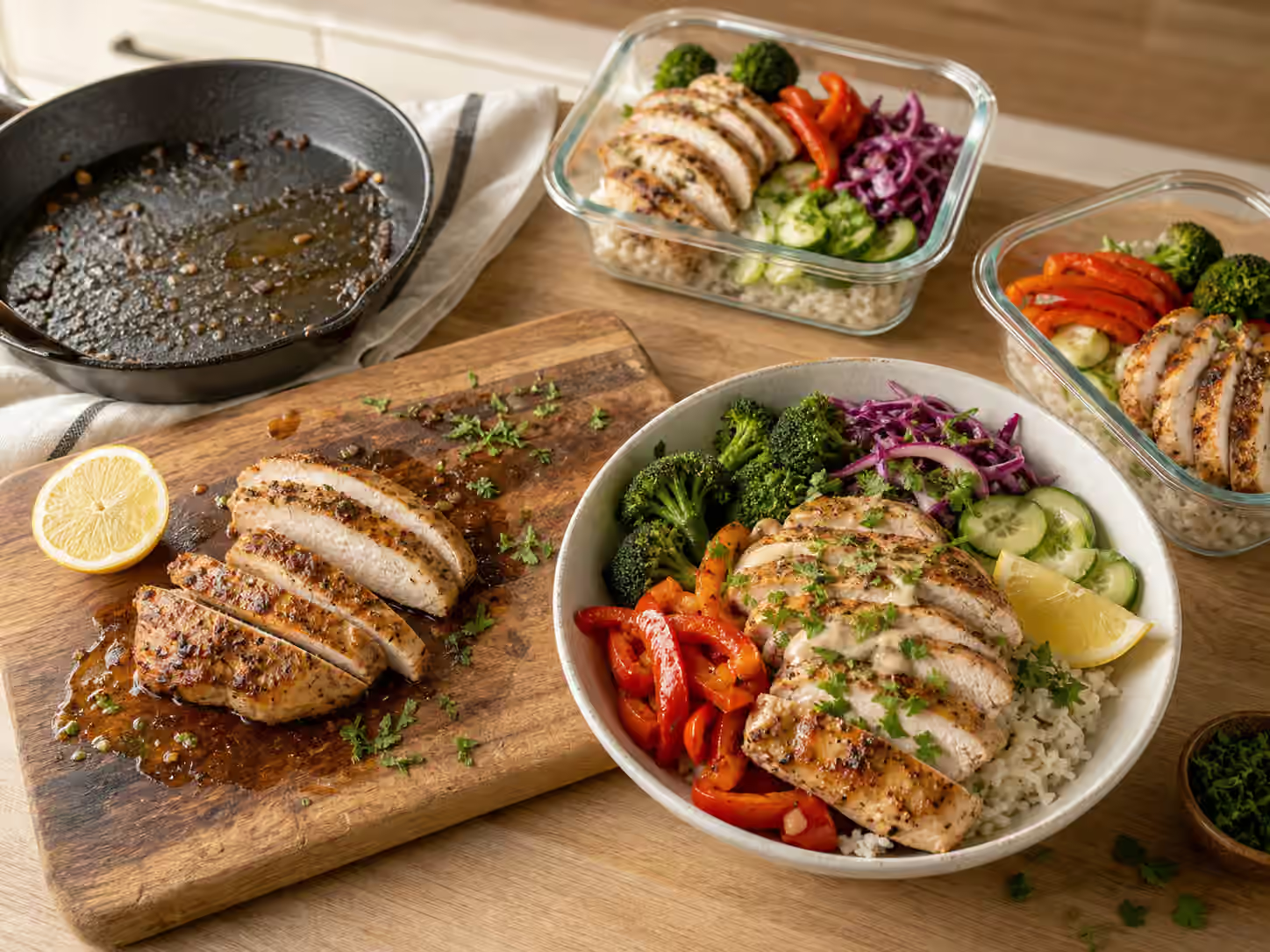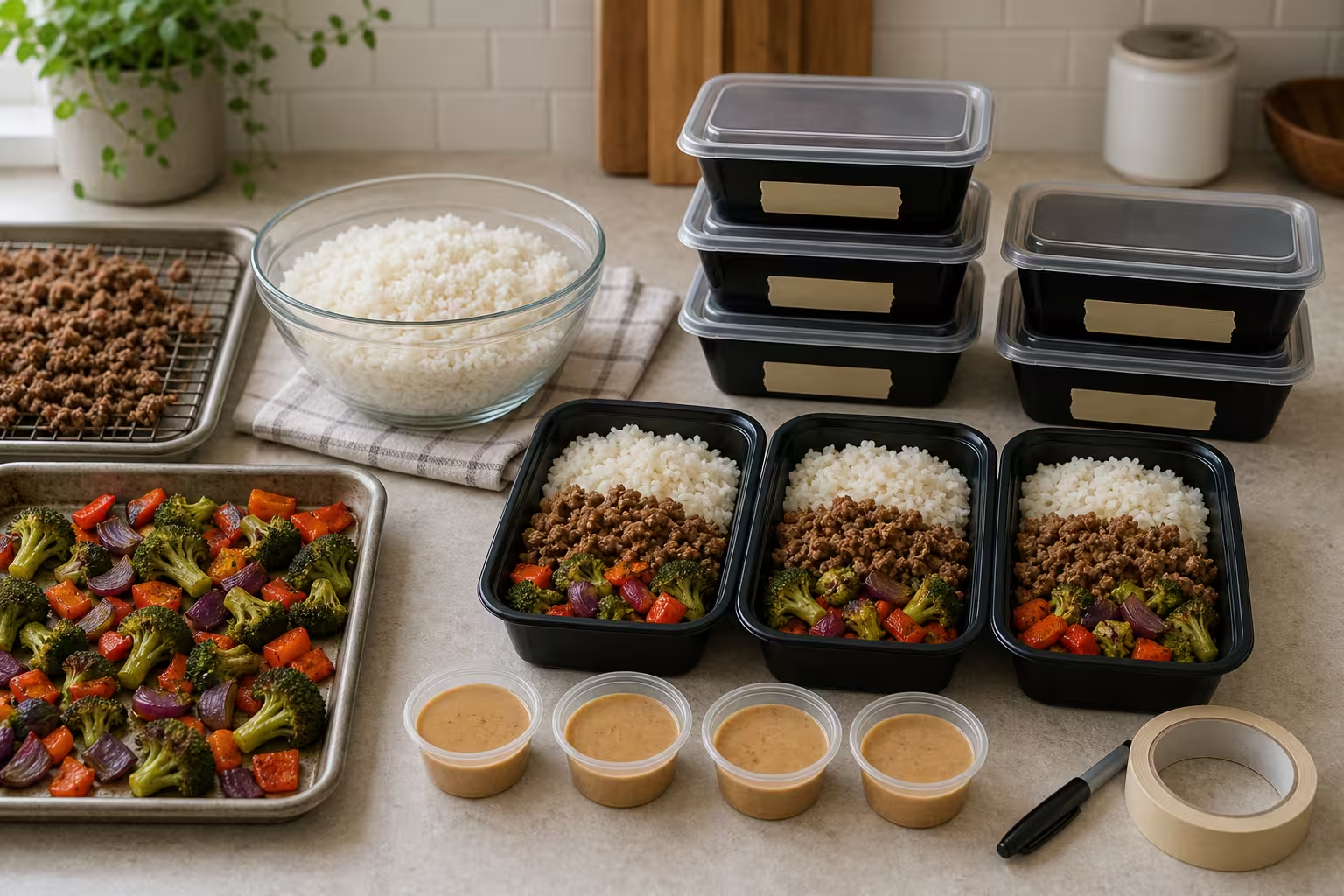
Freezer boy kibble sounds like the easiest version of an already easy meal: cook a lot of rice, cook a lot of protein, add vegetables, pack containers, and future you gets dinner. The idea is solid. The execution is where people get disappointed. Rice turns dry or hard. Vegetables weep into the container. Meat tastes like reheated cafeteria filling. Sauce separates or soaks into everything. By Wednesday, the freezer meal technically works, but nobody is excited to eat it.
The fix is not making the bowls fancy. The fix is understanding what survives freezing and what should wait until serving. A freezer bowl needs a base that reheats evenly, protein that stays juicy enough, vegetables that do not collapse into water, and flavor that wakes up after thawing. It also needs safe cooling, sensible portions, and a realistic path from freezer to microwave, skillet, or lunch bag.
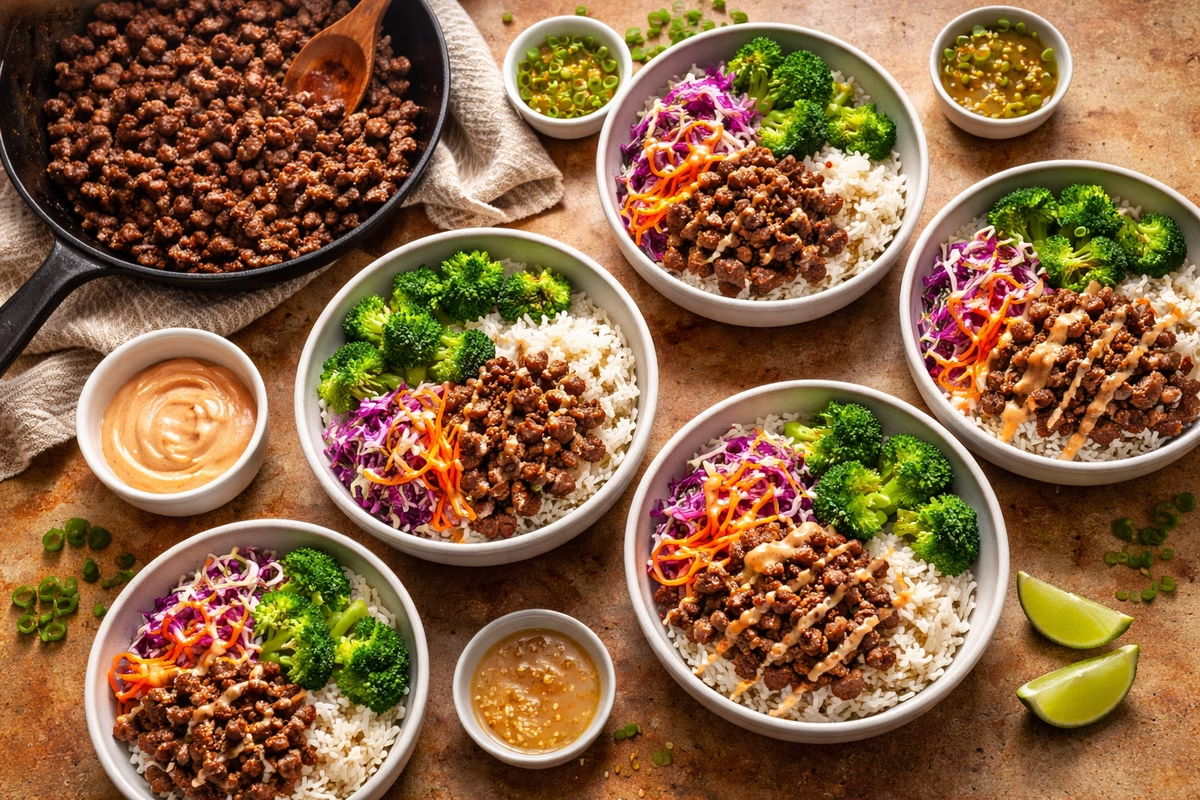
Freeze components, not hope
The first rule is to stop treating the bowl as one single object. A fresh bowl can be assembled casually because everything is ready to eat right now. A freezer bowl has to survive cooling, freezing, storage, thawing, and reheating. Each step changes texture. Rice loses moisture. Meat firms. Vegetables release water. Sauce can become too strong or too dull.
That does not mean you need separate containers for everything. It means you should decide which parts belong together. Rice and cooked ground meat usually freeze well in the same container if they are cooled properly and not packed into a brick. Roasted vegetables can work if they are sturdy and not overcooked. Watery vegetables are better added fresh. Creamy sauces, crunchy toppings, herbs, lettuce, cucumber, avocado, and anything meant to taste bright should usually stay out of the freezer and join later.
Think of the frozen container as the dependable core, not the whole meal. Future you can add hot sauce, yogurt, scallions, pickles, shredded cabbage, a fried egg, lime, sesame oil, salsa, or whatever makes the bowl feel alive. The freezer does the heavy lifting. The last minute does the rescue work.
Cook a little less than done
Freezer meals get cooked twice: once on prep day and once when reheated. If the rice is already dry, the meat is already overbrowned, and the vegetables are already soft, reheating will not improve them. It will finish the damage.
Rice should be cooked properly but not left steaming in a sealed mound. Spread it out so it cools and releases excess steam before packing. This matters because trapped steam becomes condensation, and condensation becomes icy water that changes the texture later. Ground meat should be browned enough for flavor, but not cooked into hard pebbles. A little moisture in the pan is not failure. It is insurance. Vegetables should be roasted or sauteed until flavorful but still structured. Broccoli, peppers, carrots, onions, corn, peas, kale, cabbage, and green beans can all work, but they need different handling. The softer the vegetable, the more likely it is to suffer in the freezer.
If you want a reliable first version, use rice, ground beef or turkey, roasted peppers and onions, and a sauce added after reheating. That combination is boring in the useful sense. It tells you how your containers, freezer, and reheating method behave before you start experimenting with more delicate ingredients.
Cool fast and pack shallow
Food safety is not the exciting part of meal prep, but it is the part that lets the habit continue without drama. Big hot batches should not sit on the counter for hours in deep containers. They need to cool in a reasonable time before freezing. Shallow pans, spread-out rice, and separated components help heat leave faster. Once food stops steaming aggressively, pack it into portions and move it toward the refrigerator or freezer instead of letting it linger.
Do not pack boiling hot food into sealed plastic containers and stack them in the freezer like bricks. The centers cool slowly, the freezer warms up around them, and ice forms unevenly. Give the food a short cooling path first. If you are prepping a large amount, use sheet pans or wide bowls while the components come down from hot to warm. Then portion. Then chill or freeze.
Portion size matters too. A huge container is tempting because it feels efficient, but it is harder to cool, harder to reheat evenly, and easier to ignore. Individual meal portions are more useful for lunch and weeknight dinner. If you are feeding multiple people, freeze family-size portions only when you know the whole container will be reheated together.
Keep sauce strategic
Sauce is the difference between “I have food” and “I want this.” It is also one of the easiest ways to ruin freezer texture. Thin sauces can soak into rice and disappear. Creamy sauces can split. Very salty sauces can become harsh after storage. Fresh acidic sauces can taste dull once frozen and reheated.
For freezer bowls, use two sauce moments. The first is a small amount of seasoning during cooking. This might be soy sauce, tomato paste, spices, garlic, ginger, chile, taco seasoning, curry paste, or bouillon. The goal is to make the protein and vegetables taste intentional before freezing. The second is a finishing sauce after reheating. That sauce can be brighter, fresher, creamier, or spicier because it does not have to survive the freezer.
This is why small sauce cups or a known fridge sauce matter. A frozen rice and beef base can become a burrito bowl with salsa and yogurt, a teriyaki-ish bowl with soy, sesame, and scallions, a rice plate with hot sauce and pickles, or a curry bowl with warmed sauce added separately. Same freezer core, different dinner.
Reheat like you are restoring moisture
Most bad freezer bowls are reheated as if the microwave is a magic box. The container goes in frozen, gets blasted, and comes out with lava edges and a cold center. Better reheating is slower and more intentional.
If the bowl is frozen solid, a short defrost or lower-power phase helps. Add a small splash of water before reheating rice-heavy bowls, especially if they look dry. Cover loosely so steam can help without trapping pressure. Pause and stir when possible. Let the heat even out for a minute before judging texture. If using a skillet, add a little water or broth, cover briefly, then uncover to drive off excess moisture. The skillet method takes more effort, but it can bring back better texture and browning.
Do not add delicate finishing items until the base is hot. Fresh cabbage, herbs, pickles, lime, yogurt, crunchy onions, nuts, and hot sauce should land at the end. A freezer bowl becomes much more convincing when one or two fresh things enter after reheating.
Label for decisions, not archives
A label does not need a paragraph. It needs enough information to prevent freezer archaeology. Write the main contents and date. If the bowl has a strong seasoning direction, note that too. “Beef rice peppers, taco-ish, May 10” is enough. Blank mystery containers are how freezer meal prep turns into guilt.
Use the oldest meals first. Freezing extends usefulness, but it does not make food immortal. Aroma fades, freezer burn creeps in, and the meal stops feeling like a gift. A small freezer rotation beats a heroic batch that sits for months. If you are new to freezer boy kibble, make four portions, not fourteen. Eat them over two weeks. Learn what worked. Then scale.
The best freezer bowl is not the most optimized one. It is the one that reheats safely, tastes like an actual meal, and leaves enough room for a fresh finish. Cook the core carefully, cool it properly, freeze it in useful portions, and let sauce and texture come back at serving. That is how freezer boy kibble stops being emergency food and becomes a quiet backup plan you are glad to have.