Edamame is one of the most useful boy kibble ingredients that does not usually get treated as a main character. It sits quietly in the freezer, cooks quickly, brings protein and chew, and makes a bowl greener without asking for chopping, roasting, or much planning. The risk is that it gets tossed into rice like an afterthought and ends up tasting like warm peas with better branding.
The better approach is to give edamame a clear job. It can be the main plant protein in a light bowl. It can stretch tofu, chicken, eggs, seafood, or ground turkey. It can add bite to cold lunches. It can make a noodle bowl feel less empty. It can also rescue a low-cook dinner when the base is ready but the protein plan has collapsed. Beans and Lentils for Boy Kibble covers the larger legume lane. Edamame deserves its own treatment because it behaves more like a freezer vegetable and a protein at the same time.
Treat Edamame as Protein Support, Not Decoration
Shelled edamame has enough substance to change a bowl. A handful scattered on top adds color, but a real portion folded into rice, noodles, slaw, or tofu changes how the meal eats. It gives small bursts of chew, mild sweetness, and a clean green flavor that works especially well with soy, sesame, lime, chili, ginger, garlic, miso-style sauces, yogurt sauces, and peanut-lime finishes.
That does not mean edamame has to carry every bowl alone. It often works best as protein support. A tofu bowl with edamame feels fuller and more varied than tofu alone. A chicken bowl with edamame can use less chicken without feeling thin. A cold rice bowl with tuna, cucumber, and edamame has enough structure to be lunch. A fried egg over rice and edamame can become dinner faster than another trip to the store.
This is the same job-based thinking behind Choosing Protein for Boy Kibble . Different proteins solve different problems. Edamame solves the problem of a bowl that needs more substance but does not need another heavy meat. It also solves the practical problem of a freezer ingredient that can wait until the exact night you need it.
Cook It Just Enough
Edamame is usually sold already blanched or partially cooked, which means it needs heating more than cooking. Boiling, steaming, microwaving, or a quick skillet warm-up can all work. The mistake is treating it like raw beans that need a long simmer. Overcooked edamame loses its snap and starts to feel dull, especially when it will be packed for lunch or reheated again.
For hot bowls, heat the edamame separately or add it near the end of the pan work. If it goes into a skillet with frozen vegetables, give the watery vegetables time to release moisture first, then add edamame so it warms without turning soft. If it goes into rice, loosen the rice and let the edamame warm through with a small splash of water or sauce. If it goes into noodles, toss it after the noodles are drained so the residual heat does part of the work.
Frozen Vegetable Boy Kibble makes an important point that applies here: the freezer is convenient, but water management still matters. Edamame is not as watery as many frozen vegetables, but it can still cool the pan and dilute sauce if dumped in carelessly. Give it heat, salt, and a reason to be there.
Pair It With Bases That Let It Show Up
Rice is the easiest base for edamame because the grain gives each bean somewhere to land. Short-grain rice makes the bowl softer and more cohesive. Long-grain rice keeps the edamame more distinct. Brown rice, farro, barley, or bulgur can work when the bowl needs more chew, though the grain should not be so dense that the edamame disappears. Noodles are excellent when the sauce is meant to coat everything, especially peanut-lime, soy-ginger, sesame, chili crisp, or a light vinaigrette.
Potatoes can work, but the bowl needs direction. Edamame over plain potatoes can feel confused. Edamame with roasted potatoes, chicken, cabbage, herbs, and a sharp yogurt or tahini sauce can make sense. Greens and slaw are useful when the edamame is part of a cold or room-temperature lunch, because the mild beans need acidity and crunch to keep the bowl from feeling flat.
Boy Kibble Bases is helpful because edamame exposes a base that is doing nothing. If the base is bland and the sauce is thin, edamame will not save the meal. If the base is warm, seasoned, and paired with a clear finish, edamame gives the bowl a clean extra bite.
Use Flavor Lanes That Like Green Bite
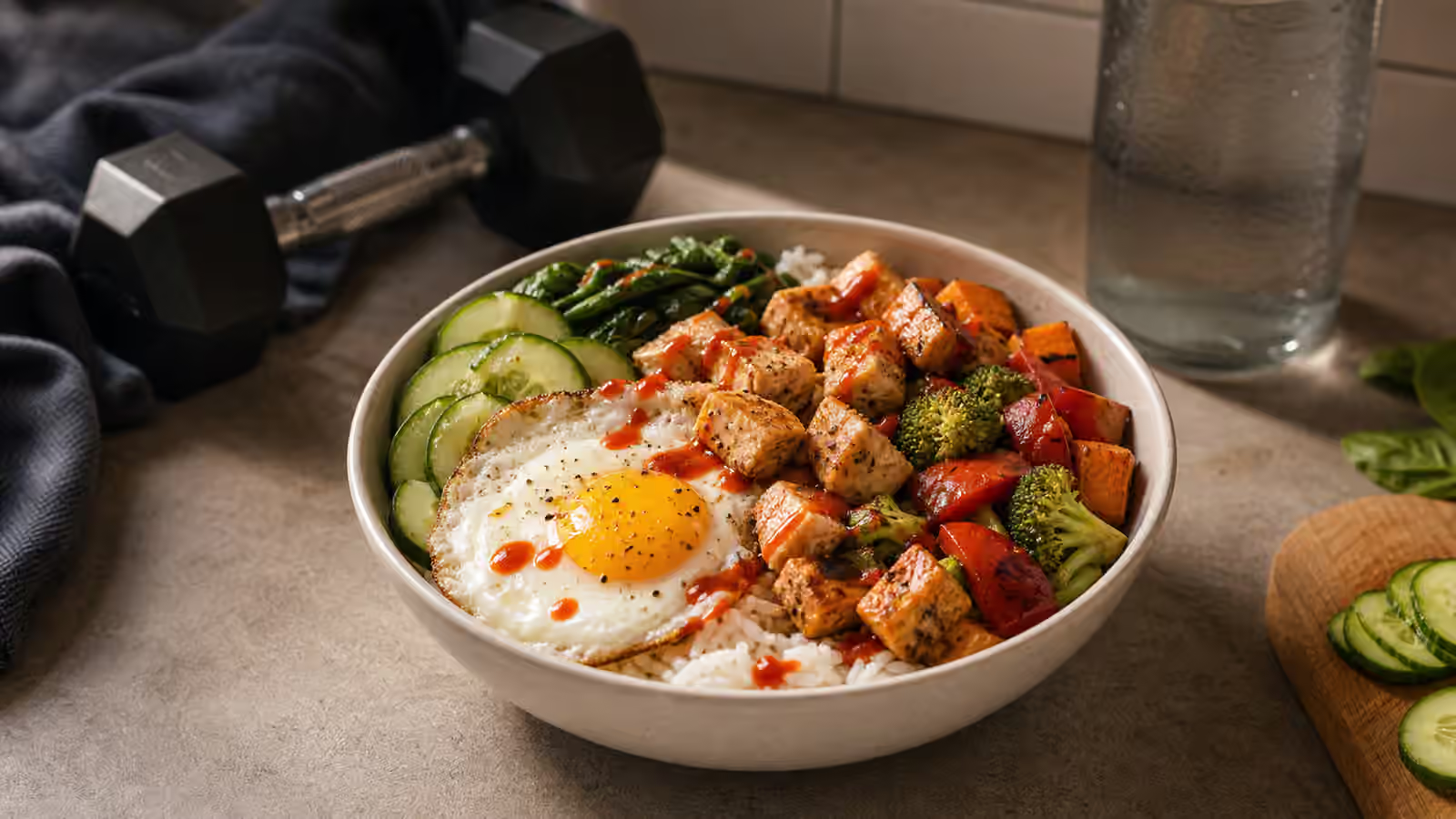
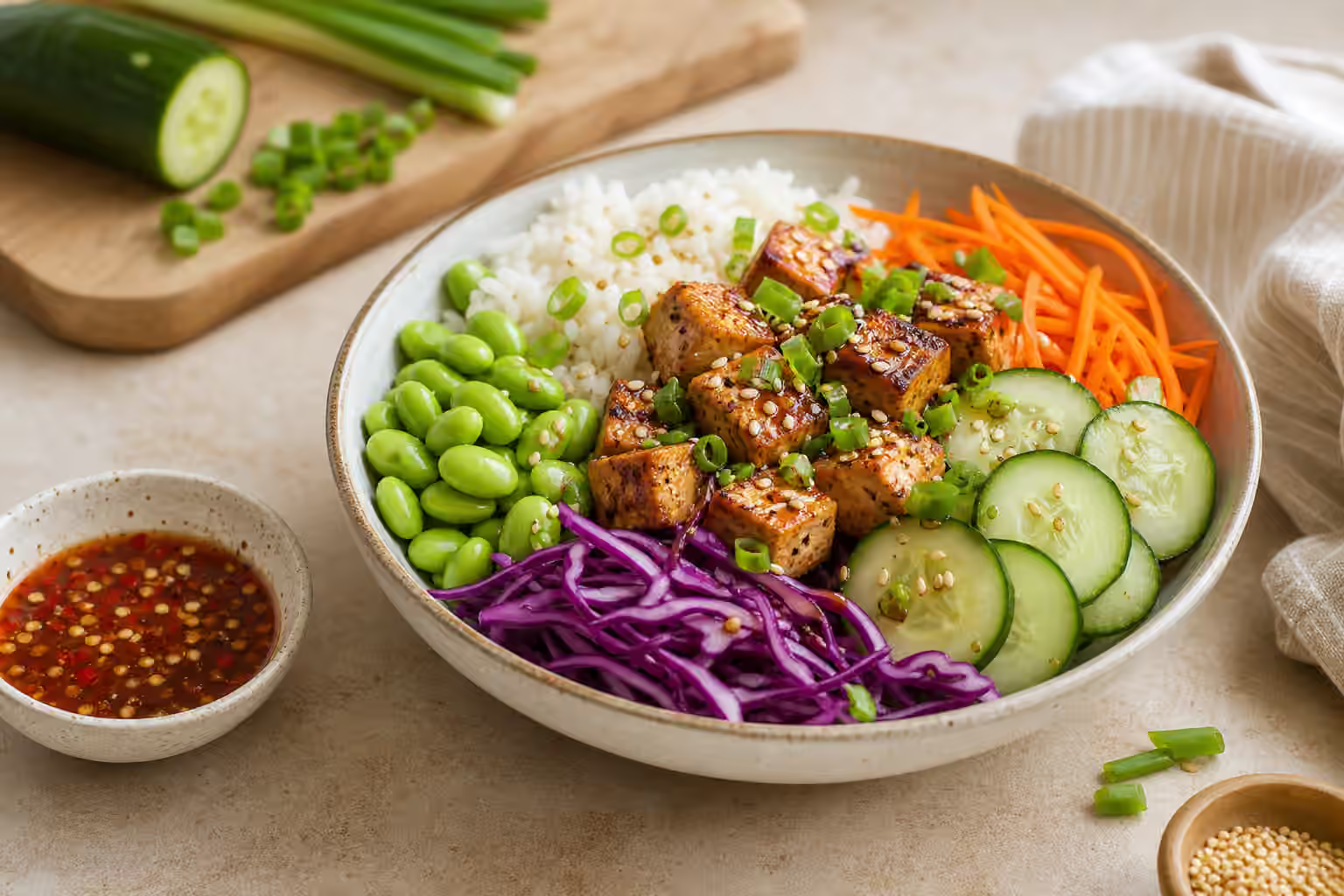
Edamame fits best in bowls with brightness, salt, and some contrast. A soy-ginger lane can use rice, tofu or chicken, broccoli, cabbage, cucumber, scallions, sesame, edamame, and chili crisp. A peanut-lime lane can use noodles or rice, slaw, carrots, herbs, edamame, tofu or chicken, and a sauce with enough lime to stay lively. A tuna or salmon lane can use rice, cucumber, edamame, pickles, yogurt or mustard sauce, and herbs. A breakfast-ish lane can use rice, edamame, a fried egg, greens, scallions, hot sauce, and sesame.
The common thread is that edamame likes a sauce with definition. Plain oil and salt can work if the rest of the bowl is strong, but most edamame bowls improve with soy sauce, vinegar, citrus, chili, yogurt, tahini, peanut sauce, salsa, or another finish that gives the mild beans a place to go. Sauces and Toppings That Save Boy Kibble from Sadness is useful here because edamame rarely needs complexity. It needs the right final pressure: salt, acid, heat, creaminess, or crunch.
It also likes cold vegetables. Cucumber, cabbage, carrots, radishes, scallions, herbs, and pickled vegetables all help. A bowl of rice, tofu, and edamame can be nutritious and still boring if every bite is soft and mild. Add cucumber, chili oil, sesame, and lime, and the same bowl starts to feel intentional.
Make Cold Lunches Easier
Edamame is especially good in cold boy kibble because it does not depend on reheated fat or fresh browning to be pleasant. Warm ground meat can become dull when eaten cold. Overheated shrimp can become rubbery. Edamame stays clean and sturdy. That makes it useful for offices, school lunches, hot days, and situations where the microwave is not available or not worth fighting for.
A cold edamame bowl still needs structure. The base should be loose enough to eat without steam. Rice may need a little sauce or dressing so it does not feel dry. Noodles may need enough oil or sauce to avoid clumping. Slaw should be crisp. Sauce should be strong enough to carry a cold meal, because cold food has less aroma helping it. Cold Boy Kibble covers that logic in detail, and edamame is one of the easier proteins to fit into it.
Keep watery pieces in check. Cucumber is excellent, but it can leak if salted too early. Sauce can soak rice if added hours ahead. Crunchy toppings should stay dry. Edamame is sturdy, but it still eats better when the bowl is assembled with the same care as any packed lunch.
Do Not Let the Freezer Make the Bowl Lazy
The danger of edamame is that it is so convenient it becomes the only thoughtful part of the meal. A bag of edamame, a pouch of rice, and a random sauce can feed you, but the bowl may feel unfinished. Add one cooked or crisp vegetable, choose a compatible sauce lane, and include a fresh finish if the base is hot and soft. Those moves are small, but they keep the meal from tasting like ingredients that met five minutes ago.
Edamame belongs in the boy kibble pantry because it makes better defaults easy. It waits in the freezer, heats fast, and works across plant-based bowls, chicken bowls, seafood bowls, noodle bowls, cold lunches, and emergency dinners. Use it when a bowl needs more substance, more green bite, or a protein backup that does not require thawing meat. Let it be practical, but do not make it lonely. Rice, sauce, crunch, and a clear flavor lane are what turn freezer beans into dinner.