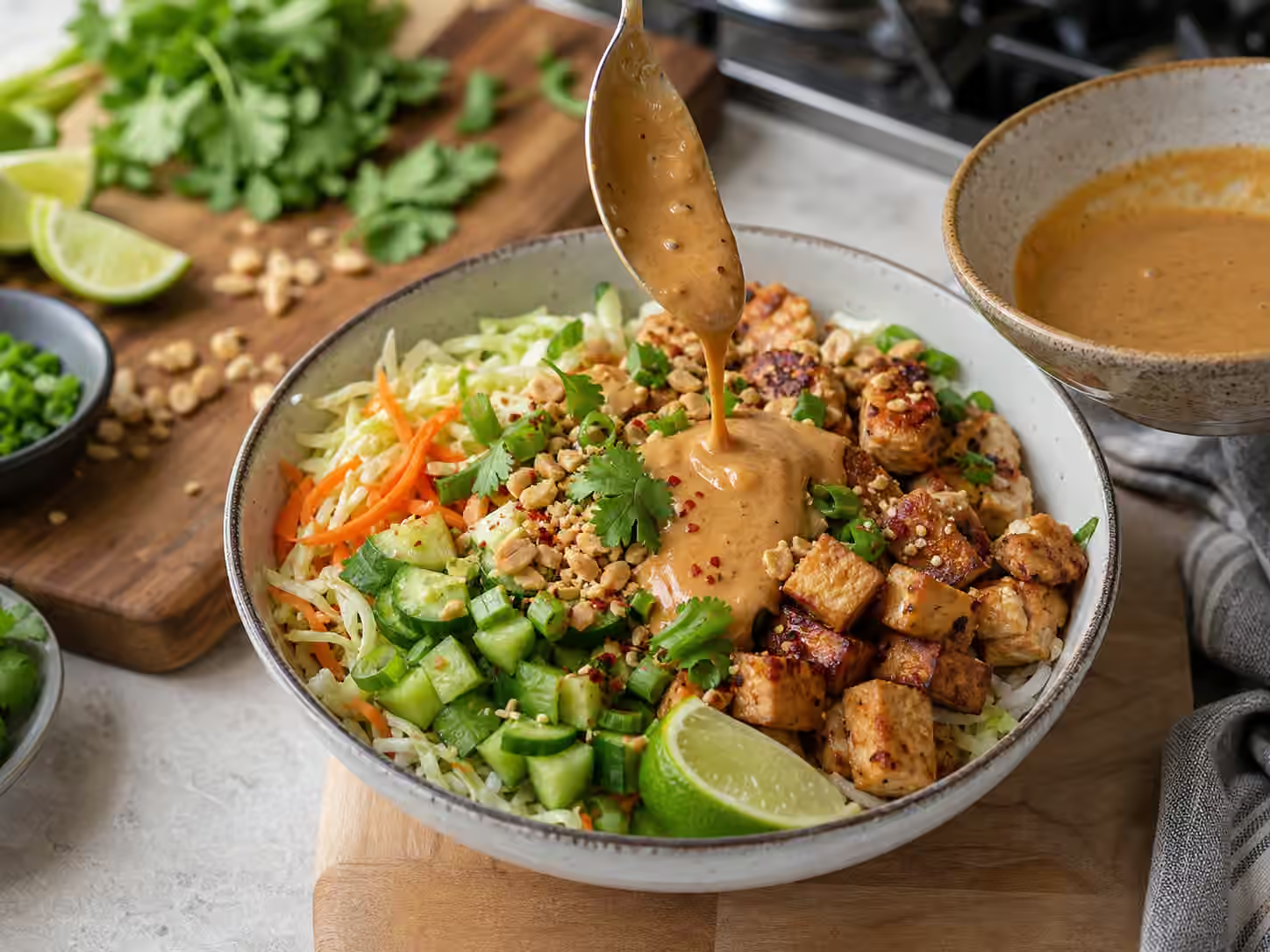
Dairy does a lot of quiet work in boy kibble. Yogurt sauce cools spicy bowls. Cheese makes lean protein feel richer. Sour cream, cottage cheese, feta, and creamy dressings can cover dry rice, soften heat, and make leftovers feel less severe. That is why removing dairy can make a simple bowl feel thinner if nothing else changes.
A dairy-free bowl does not need to be austere. It just needs other tools for creaminess, fat, acid, salt, and contrast. Cheese and Yogurt in Boy Kibble covers the dairy lane. This guide is for the bowl that still needs body and satisfaction without leaning on cheese or yogurt as the rescue move.
Replace the Job, Not the Ingredient
The common mistake is looking for a one-to-one dairy substitute before asking what the dairy was doing. Sometimes yogurt was adding tang. Sometimes cheese was adding salt. Sometimes sour cream was cooling heat. Sometimes cottage cheese was adding protein and moisture. Sometimes the bowl was simply dry, and dairy happened to be the easiest wet thing nearby.
Once the job is clear, the options widen. Lemon, lime, vinegar, pickles, salsa, hot sauce, tahini, avocado, hummus, nut or seed sauces, olive oil, sesame oil, beans, broth, tomato, and crunchy vegetables can all replace part of what dairy was doing. They do not taste identical, and they should not have to. The goal is a bowl that eats well on its own terms.
This is the same logic behind Sauces and Toppings That Save Boy Kibble from Sadness . A sauce or topping should solve a specific problem. If the bowl is heavy, use acid and crunch. If it is dry, use a sauce with body. If it is flat, season the protein and add brightness. If it is too spicy, cool it with cucumber, avocado, tahini, or a mild bean-based sauce rather than simply removing all heat.
Build Creaminess From Seeds, Beans, and Starch
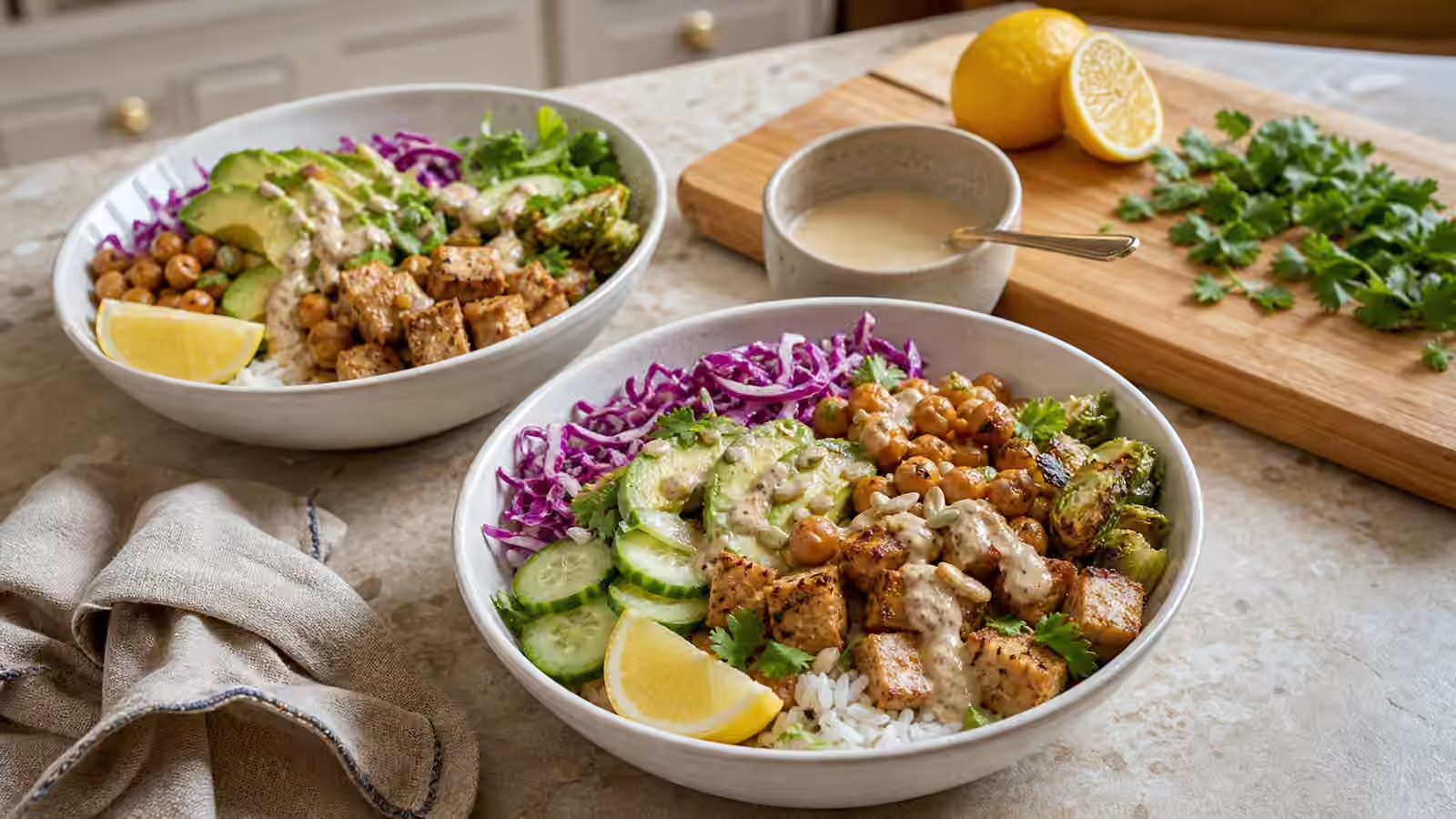
Tahini is one of the most useful dairy-free boy kibble tools because it turns pantry ingredients into a sauce with body. Mixed with lemon, water, salt, garlic, and a little heat if desired, it can coat rice, tofu, chicken, beans, roasted vegetables, or potatoes. It can be thick for a spooned finish or loose enough to drizzle. It brings richness without making the bowl taste like a replacement product.
Hummus can do similar work, especially with chicken, chickpeas, roasted vegetables, cucumber, cabbage, herbs, and rice. It may need thinning with lemon or water so it coats instead of sitting in one dense scoop. Mashed beans can also become part of the sauce. Pinto beans, black beans, chickpeas, or lentils cooked with a little liquid can make a bowl feel creamy while also stretching protein.
Starchy bases help too. Potatoes, short-grain rice, saucy beans, and noodles can create body when the bowl is not overloaded with dry ingredients. Boy Kibble Bases is useful here because the base decides how much sauce the meal needs. A dry rice bowl asks for more help than potatoes with a little pan juice or beans with their own moisture.
Fat Needs Acid Beside It
Dairy-free bowls often use avocado, tahini, olive oil, sesame oil, nuts, seeds, or richer proteins for satisfaction. Those ingredients help, but they can make the bowl feel heavy if acid is missing. Lemon, lime, vinegar, pickles, salsa, hot sauce, kimchi-style vegetables, mustard, and tomato all keep richness from becoming dull.
This is especially important with avocado. Avocado can make a bowl feel complete quickly, but it can also flatten flavor if it is treated as the whole finish. It needs salt, acid, and something crisp nearby. A rice bowl with tofu, avocado, cucumber, cabbage, lemon, and sesame has lift. The same bowl with only avocado and mild sauce can taste soft in every direction.
Tahini has the same issue. It is useful because it is rich and bitter, but it needs enough lemon or vinegar to wake up. Sesame oil is powerful and should be used with restraint. Nuts and seeds add crunch, but they do not replace fresh vegetables. Dairy-free does not mean every answer should be fat. It means fat has to be balanced with brightness.
Choose Proteins That Do Not Need a Blanket
Some proteins rely on dairy because they were under-seasoned or overcooked. Dry chicken hidden under yogurt sauce is still dry chicken. Lean turkey buried under cheese is still asking the cheese to do the cooking’s work. A dairy-free bowl gets easier when the protein is cooked and seasoned well before the finish.
Tofu is a natural fit when it is browned properly. Tofu Boy Kibble explains how surface texture, sauce timing, and crunch keep it from becoming anonymous. Beans and lentils also work well because they bring moisture and body. Beans and Lentils for Boy Kibble is especially useful for dairy-free bowls because legumes can be both protein and texture support.
Chicken thighs, ground beef, pork, seafood, and eggs can all work without dairy too, but they need the right finish. Chicken likes lemon, herbs, tahini, salsa, or broth. Beef likes pickles, mustard, tomato, hot sauce, cabbage, or avocado. Pork needs acid and crunch because it can be salty and rich. Seafood likes citrus, cucumber, herbs, and short storage. Eggs can carry hot sauce, salsa, avocado, or soy-leaning sauces without needing cheese every time.
Keep Crunch in the System
Creaminess gets most of the attention, but crunch may be more important. Dairy-free bowls can become soft if they rely on rice, beans, tofu, avocado, and sauce. Cabbage, slaw, cucumber, pickles, radishes, scallions, toasted seeds, crushed tortilla chips, roasted chickpeas, or crisp lettuce can make the bowl feel complete.
The crunch should usually arrive late. If cabbage sits under hot rice and sauce for hours, it loses some of the reason it was there. If seeds are packed into wet sauce, they soften. If cucumber is reheated, it becomes strange. Better Boy Kibble Texture applies strongly here: the bowl needs contrast at serving, not only good intentions during prep.
This is also where dairy-free meal prep becomes easier than it first appears. Store the hot base separately from the cold finish. Keep sauce in a small container or jar. Add crunchy pieces after reheating. The bowl does not need six toppings. It needs one or two that answer the texture problem.
Dairy-Free Flavor Lanes That Actually Repeat
A dairy-free system works best when it has a few dependable directions. A lemon-tahini lane can use rice, chicken or tofu, chickpeas, roasted vegetables, cucumber, cabbage, herbs, and seeds. A salsa-avocado lane can use rice, beef, turkey, beans, corn, cabbage, lime, and hot sauce. A soy-sesame lane can use tofu, chicken, rice, broccoli, cucumber, scallions, sesame, and chili crisp. A tomato-bean lane can use rice or potatoes, ground meat or lentils, tomato sauce, peppers, greens, and pickled onions.
These are not formal recipes. They are defaults that prevent the fridge from becoming random. The bowl succeeds when the protein, base, sauce, vegetable, and finish all seem to know each other. If tahini is the sauce, lemon, herbs, cucumber, chickpeas, roasted vegetables, and chicken make sense. If salsa is the sauce, cabbage, beans, corn, lime, and avocado make sense. That kind of agreement matters more than whether the bowl uses a perfect substitute for cheese.
Make the Bowl Satisfying Enough to Keep
Dairy-free boy kibble should not feel like the lesser version of a dairy bowl. It should feel like a bowl built around different strengths. It can be sharper, fresher, nuttier, brighter, or more pantry-friendly. It can lean on beans, tofu, tahini, avocado, tomato, citrus, vegetables, and crisp finishes in ways that make dairy unnecessary rather than absent.
The practical test is simple. If the bowl tastes dry, add moisture with body. If it tastes heavy, add acid and crunch. If it tastes thin, season the protein and consider beans, potatoes, or a richer sauce. If it tastes flat, stop looking for cheese and ask which job is missing.
That question keeps the system flexible. Boy kibble is useful because it can adapt to the way a person actually eats. Dairy-free bowls belong in that system when they are treated as real bowls, not as restricted versions of something else.