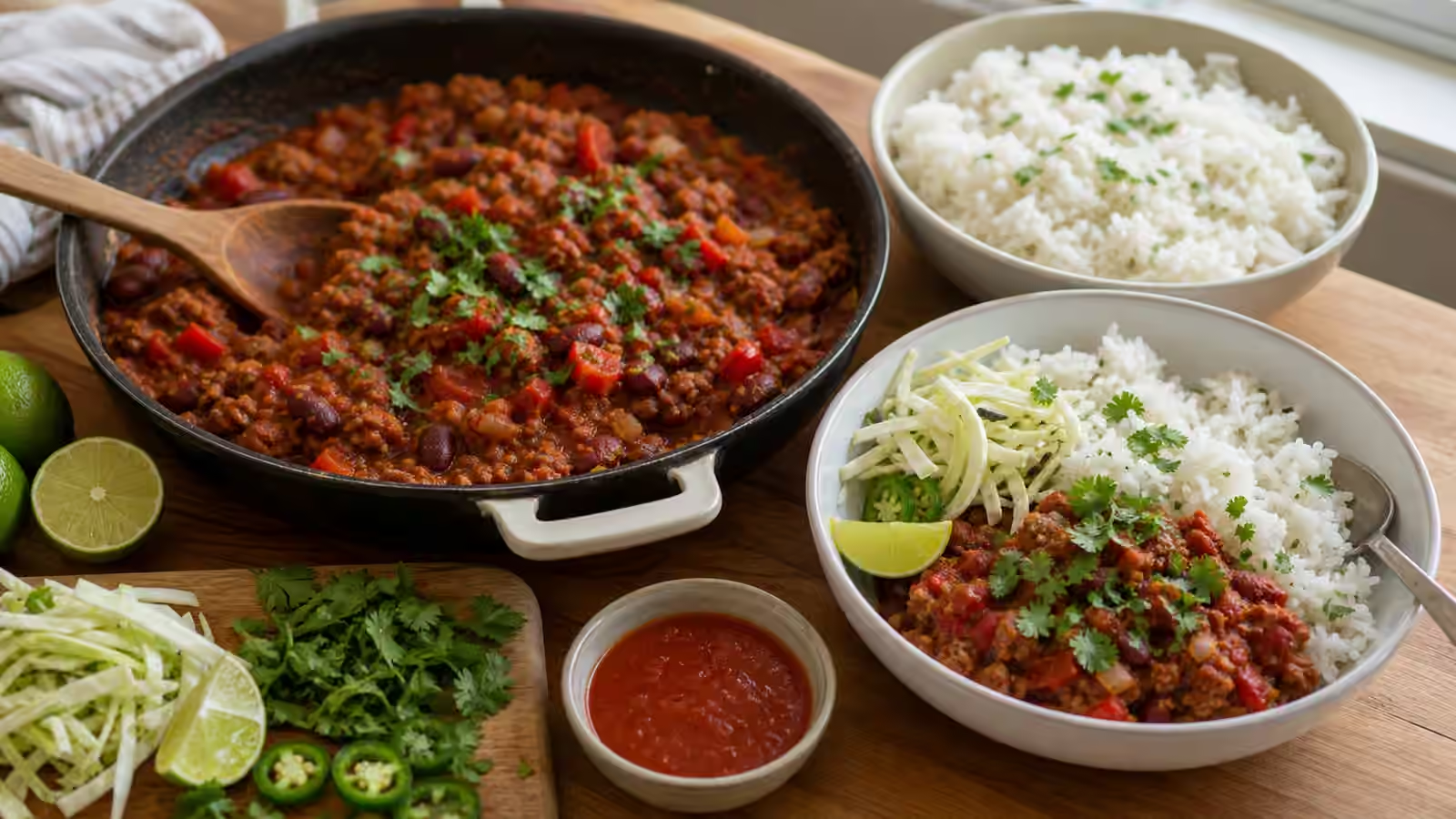
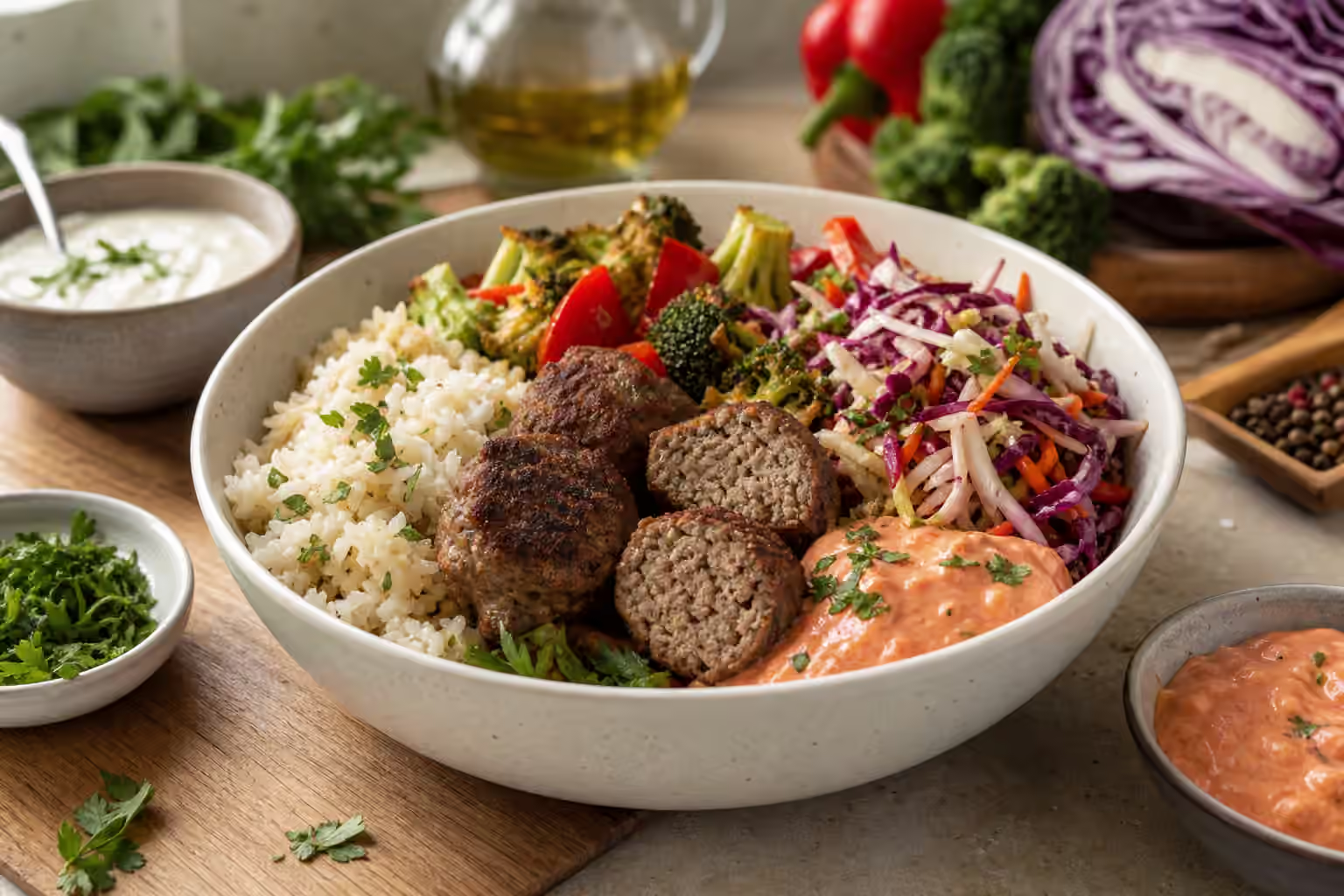
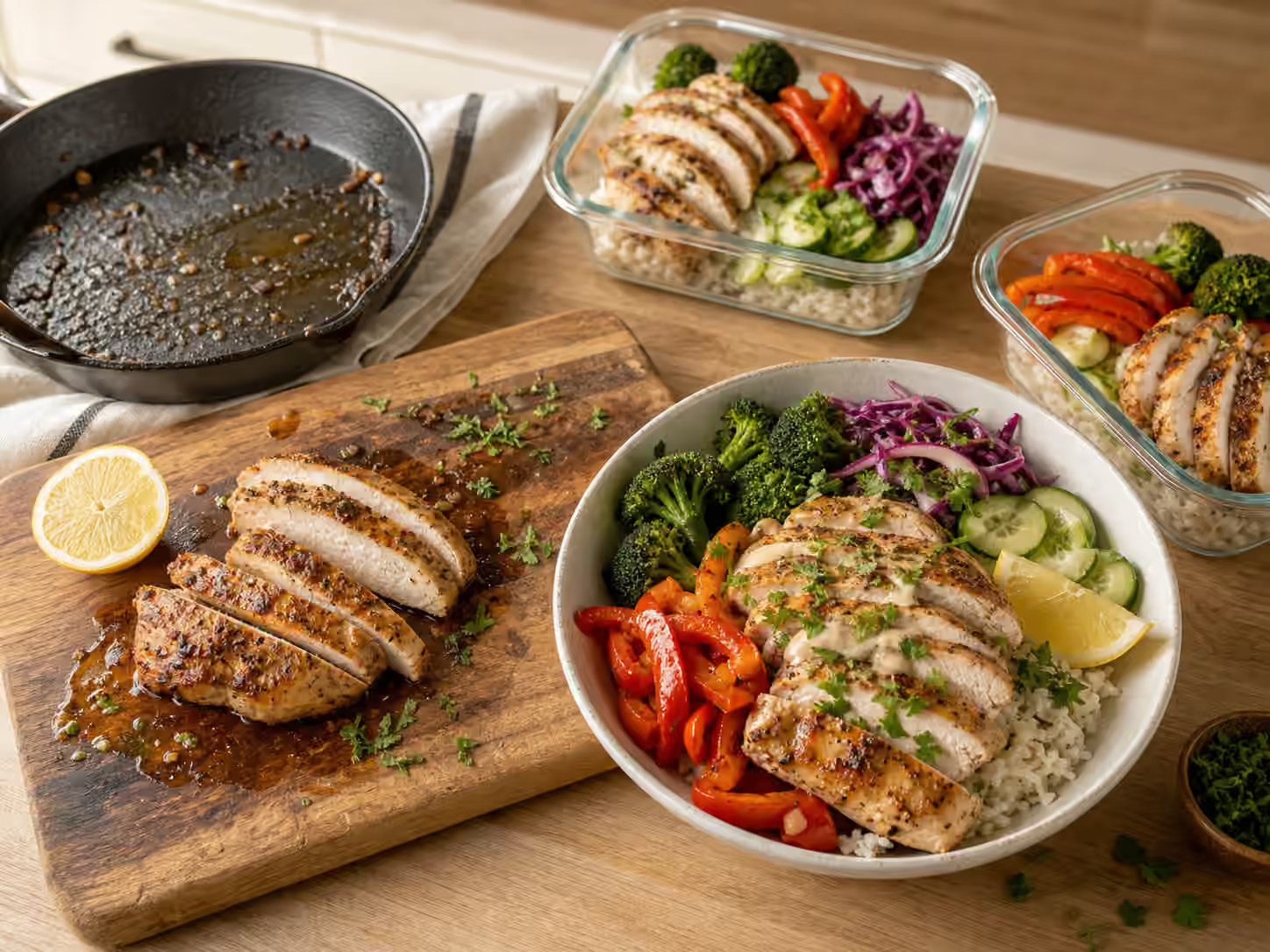
Curry boy kibble is useful when the usual meat, rice, and sauce routine needs warmth and depth without becoming a complicated cooking project. It can be built with ground turkey, chicken thighs, lentils, chickpeas, tofu, potatoes, rice, spinach, peas, carrots, yogurt, and a small amount of curry powder, paste, or spice blend. The result should be a practical bowl, not a vague stew that swallowed the contents of the fridge.
This lane fills a gap between Brothy Boy Kibble and Beans and Lentils for Boy Kibble . It can be saucier than a dry rice bowl, but it still needs structure. There is a base, a protein or legume, a vegetable, a warm spice direction, and a finish that keeps the bowl from tasting flat. The best curry-style version is simple enough for a weeknight and controlled enough that leftovers still feel like food with shape.
Bloom the Spice Instead of Dusting the Bowl
Curry powder or paste tastes better when it meets heat and fat early. If it is sprinkled over finished rice like decoration, the bowl can taste dusty, bitter, or uneven. Cook the protein or vegetables first, add a little oil if the pan is dry, then let the spice warm briefly before adding liquid. The aroma should open up before the mixture becomes saucy.
Ground turkey and chicken benefit from this especially. They are lean enough that a curry lane gives them identity, but they need seasoning while hot. Brown the meat, salt it, add garlic or ginger if you are using them, then add curry powder or paste and let it coat the crumbles. A splash of broth, water, tomato, coconut milk, or yogurt later can turn that seasoned base into a sauce. If the spice goes in only at the end, the bowl will taste like plain turkey wearing a curry label.
The same idea applies to tofu, chickpeas, lentils, and vegetables. Let them spend time with the seasoning. How to Season Boy Kibble Before the Sauce Goes On is the larger principle. Curry bowls reward it because the flavor needs to be built, not poured.
Use Legumes for Body
Chickpeas, lentils, and white beans fit curry-style bowls because they hold sauce and make the meal feel steady. Chickpeas bring chew and can handle stronger spice. Red lentils soften into a thick base that can carry rice, greens, yogurt, and hot sauce. Brown or green lentils keep more shape and make a bowl feel less like porridge. White beans are not traditional in every curry lane, but they can work when the sauce is gentle and the finish is bright.
Legumes also help with budget and leftovers. A smaller amount of chicken or turkey can carry more servings when chickpeas or lentils are seasoned with it. The bowl feels fuller without needing a huge meat portion. That matters if the goal is a repeatable dinner system rather than one heroic batch that becomes unpleasant by day three.
The risk is softness. Rice, lentils, cooked greens, and sauce can become one texture. The fix is to keep a fresh or crisp finish ready. Cabbage, cucumber, herbs, lime, pickled onions, toasted seeds, or even a few crushed chips can make the bowl feel awake. Legumes make the curry bowl durable. The finish makes it pleasant.
Pick Vegetables That Like Sauce
Curry-style boy kibble is friendly to vegetables that can sit in a pan without falling apart immediately. Spinach, peas, carrots, cauliflower, broccoli, cabbage, peppers, potatoes, and frozen mixed vegetables can all work. The practical question is how much water they release and how long they need.
Frozen vegetables are useful, but they should not be added so late that they cool the sauce and leak into the rice. Give them enough time to heat through and lose excess water. Spinach collapses quickly, which is useful when you need color and greens without chopping. Carrots and cauliflower need more time or smaller pieces. Cabbage can be cooked into the base or held back as a crisp finish. Potatoes can make the bowl feel substantial, but they need enough salt and acid so the meal does not become heavy.
Vegetables for Boy Kibble is helpful because curry bowls can hide vegetable mistakes under sauce. The bowl may look complete, but if the vegetables are watery or unseasoned, the rice will tell you.
Control the Sauce
A curry bowl needs moisture, but too much sauce can erase the boy kibble structure. Rice should be coated or supported, not drowned. Protein and legumes should remain distinct enough that the bowl has bites. If everything becomes a thick paste, the meal may still be edible, but it will be harder to repeat.
Use liquid slowly. A splash of broth or water can loosen spices. Tomato can add acidity and body. Coconut milk can add richness, but it can also make a bowl feel heavy if there is no lime, yogurt, herbs, or crisp vegetable at the end. Yogurt can cool heat and add tang, but it is often better as a finish or stirred in off heat so it does not split. A jarred sauce can be useful, but it should be treated as an ingredient rather than the entire meal.
The goal is a base that tastes good before it reaches the bowl. Taste the curry mixture while it is hot. If it is bland, it may need salt. If it is harsh, it may need more cooking or a little fat. If it is heavy, it needs acid or fresh contrast. If it is thin, simmer it a little longer before packing it over rice.
Rice Is the Default, Potatoes Are the Comfort Move
Rice is the easiest base because it absorbs sauce and makes the bowl feel complete. White rice keeps the meal simple. Brown rice can work when you want more chew. Frozen or leftover rice is especially useful because curry sauce can revive it without much effort.
Potatoes make curry boy kibble feel more like a warm plate than a rice bowl. Roasted potatoes hold their edges and can sit beside saucy turkey, chickpeas, or tofu. Boiled or microwave potatoes can work, but they need seasoning and a finish. If potatoes and legumes are both soft, add cabbage, cucumber, herbs, or pickles to restore contrast.
Noodles can work, but they are more delicate with curry-style sauces. They can become dense in the fridge if too much sauce is packed with them. Rice is usually safer for meal prep. Boy Kibble Bases can help decide when the base should change rather than forcing every curry lane over rice.
Make Leftovers Better on Purpose
Curry-style leftovers often taste deeper the next day, but that does not mean they automatically eat better. Sauce thickens. Rice firms up. Greens soften. The bowl may need water, broth, yogurt, lime, herbs, or crunch before it feels right again.
Reheat gently with a small splash of liquid when needed. Add yogurt, lime, herbs, cucumber, or cabbage after heating. If the batch has become too thick, loosen it before adding rice so the base does not clump. If the spice has gone dull, acid and fresh herbs will usually help more than another spoon of curry powder.
This is where Leftover Boy Kibble matters. The second bowl should not be a reheated copy of the first. It can become brothy, go over potatoes, get a fried egg, or lean into chickpeas and greens with a cooler finish.
Curry boy kibble belongs in the rotation because it gives simple ingredients a warmer, deeper lane without requiring precision. Bloom the spice, use legumes for body, choose vegetables that can handle sauce, control the moisture, and finish with something bright or crisp. Done that way, the bowl feels like a practical weeknight meal with a clear direction, not a random pile of leftovers made yellow.