Cold boy kibble is not just hot leftovers that failed to find a microwave. It has to be built differently from the beginning. A hot rice bowl can rely on steam, fat, and warmth to make simple ingredients feel complete. A cold lunch has no such help. The rice firms up. The protein tastes quieter. Aromas stay muted. Sauces feel sharper or heavier. Vegetables either save the bowl with crunch or ruin it by leaking water into everything.
That sounds like a problem, but it is also the opportunity. A cold bowl can be clean, filling, bright, and easy to pack if it is designed like a cold meal instead of a disappointed hot one. The same boy kibble formula still applies: protein, starch or base, plant, sauce, and finish. The difference is that acid, texture, moisture, and storage matter more because heat is not there to cover mistakes.
Stop Treating Cold Food Like Failed Hot Food
The first cold-bowl rule is mental. If the meal is supposed to be cold, it should taste intentional cold. That means choosing ingredients that keep their texture, seasoning the protein enough that it has flavor without steam, using a sauce that coats rather than floods, and adding crisp vegetables at the right time.
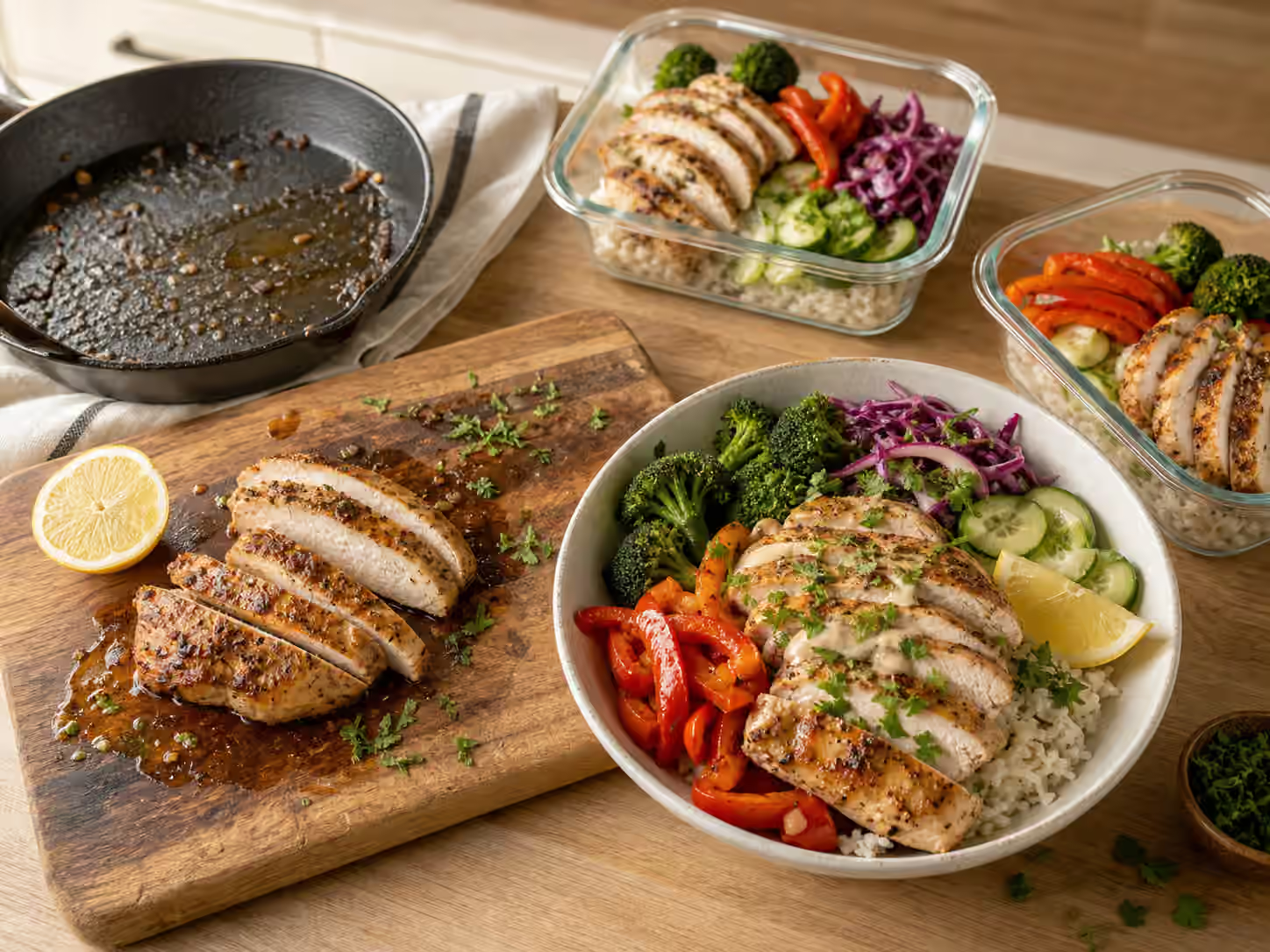
A container of plain rice, dry chicken, and microwaved broccoli eaten cold is rarely satisfying. The same container becomes much better when the rice is lightly dressed, the chicken is seasoned, the broccoli is replaced or supported by cabbage and cucumber, and the sauce brings acid, salt, and creaminess. Cold food needs a little more contrast because it gives you less aroma and warmth.
This is why cold boy kibble belongs next to Packable Boy Kibble rather than under ordinary reheating advice. Packing protects the meal. Cold-bowl design makes the meal worth protecting.
Choose a Base That Can Handle the Fridge
Cold rice can work, but it needs help. Short-grain rice can become firm and pleasant if dressed lightly. Jasmine or long-grain rice can feel dry if it is packed plain. Leftover rice should be cooled and stored properly, then loosened with a little sauce, oil, yogurt dressing, salsa, or vinaigrette depending on the bowl. The dressing should moisten the grains without turning them soggy.
Noodles can be even easier cold because they are already comfortable in salad territory. A small amount of sesame oil, soy-lime dressing, peanut sauce, yogurt sauce, or chili crisp can make cold noodles feel deliberate. Potatoes can work if they are treated like a potato salad base, with enough salt, acid, and creamy or mustardy dressing. Beans and chickpeas are excellent because they stay pleasant cold and bring enough body that the bowl does not feel like a pile of chilled starch.
The base does not need to be large. Cold bowls often eat better when the starch shares the space with beans, cabbage, cucumbers, carrots, greens, or pickles. Boy Kibble Bases explains how much the base changes the whole meal, and cold bowls make that obvious. A base that is fine hot may not be the right base cold.
Pick Proteins That Do Not Need Heat to Make Sense
Some proteins are friendlier cold than others. Shredded or chopped chicken can work well if it is not overcooked and has a sauce or dressing nearby. Canned tuna or salmon can be excellent when paired with cucumber, rice, beans, herbs, and a bright sauce, though it may be better saved for places where strong smells will not bother anyone. Chickpeas, lentils, black beans, tofu, hard-boiled eggs, and leftover rotisserie chicken all fit the cold-bowl lane because they can taste complete without browning at lunch.
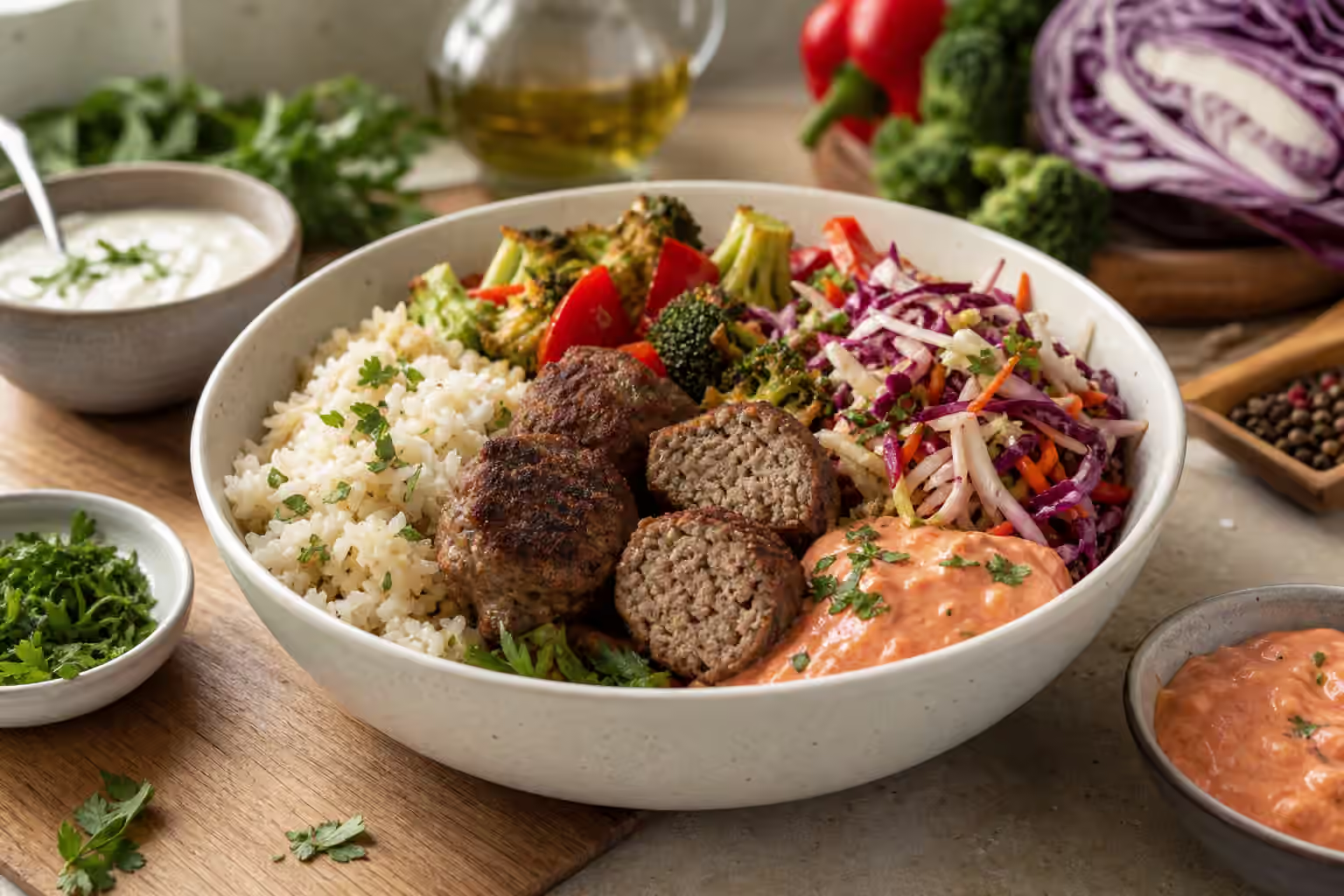
Ground meat is trickier cold. Beef fat can firm up unpleasantly if the mixture is greasy, and lean turkey can taste dry if it was cooked hard. That does not mean ground meat is impossible. It means the cooked protein should be well seasoned, not too fatty, and paired with a sauce that restores moisture. A taco-ish ground turkey bowl with rice, beans, cabbage, salsa, lime, and yogurt can work cold. A plain ground beef and rice bowl from the fridge usually asks for heat.
Tofu deserves special mention because cold tofu can be useful when it is treated honestly. Firm tofu that has been pressed, browned, or seasoned can sit well with rice, noodles, cucumber, cabbage, sesame, soy, and chili. Plain cold tofu can taste anonymous unless the sauce is doing real work. Tofu Boy Kibble covers the browning and seasoning side if you want the plant-based version to feel cooked even when lunch is cold.
Vegetables Do the Heavy Lifting
Cold boy kibble needs vegetables for more than health. It needs them for water, crunch, freshness, and temperature logic. Cabbage, slaw, cucumber, carrots, radishes, snap peas, romaine, spinach, herbs, pickles, kimchi, corn, and cherry tomatoes can all work. The best choices either stay crisp or taste good after being dressed.
Cabbage is one of the safest defaults because it survives the fridge and gives structure. Cucumbers bring coolness, but they can leak water if salted too early or trapped against rice all morning. Carrots bring sweetness and crunch. Pickles, kimchi, and sauerkraut bring acid that wakes up cold protein. Herbs do more in a cold bowl than people expect because they replace some of the aroma that heat would normally provide.
Cooked vegetables can work, but choose carefully. Roasted peppers, corn, broccoli, green beans, carrots, and potatoes can be good cold if they are seasoned and not waterlogged. A heap of steamed frozen vegetables eaten cold can feel flat unless the sauce is strong. The guide to Vegetables for Boy Kibble is useful here because cold bowls expose every weak vegetable choice quickly.
Sauce Has to Coat, Not Rescue
A cold bowl usually wants a sauce that can cling. Yogurt sauce, tahini sauce, salsa, vinaigrette, soy-lime dressing, peanut sauce, mustard-yogurt, hummus thinned with lemon, chili crisp loosened with a little oil, or a creamy herb sauce can all work. Watery sauces are more dangerous cold because they sink into the base and leave everything wet instead of seasoned.
The sauce should answer the bowl’s problem. If the protein is lean, it may need creaminess or oil. If the base is dull, it may need acid and salt. If the vegetables are sweet, heat or tang can keep the bowl from feeling flat. If the bowl is heavy with beans or potatoes, pickles, lemon, lime, mustard, salsa, or hot sauce can make it feel less dense.
This is the same finishing logic from Sauces and Toppings That Save Boy Kibble from Sadness , but the balance changes when the bowl is cold. A hot bowl can handle a finishing drizzle. A cold bowl often needs some sauce mixed through the base and a little more saved for the top. That way the rice or noodles are not dry, but the fresh vegetables still taste fresh.
Pack the Bowl in Layers That Protect Texture
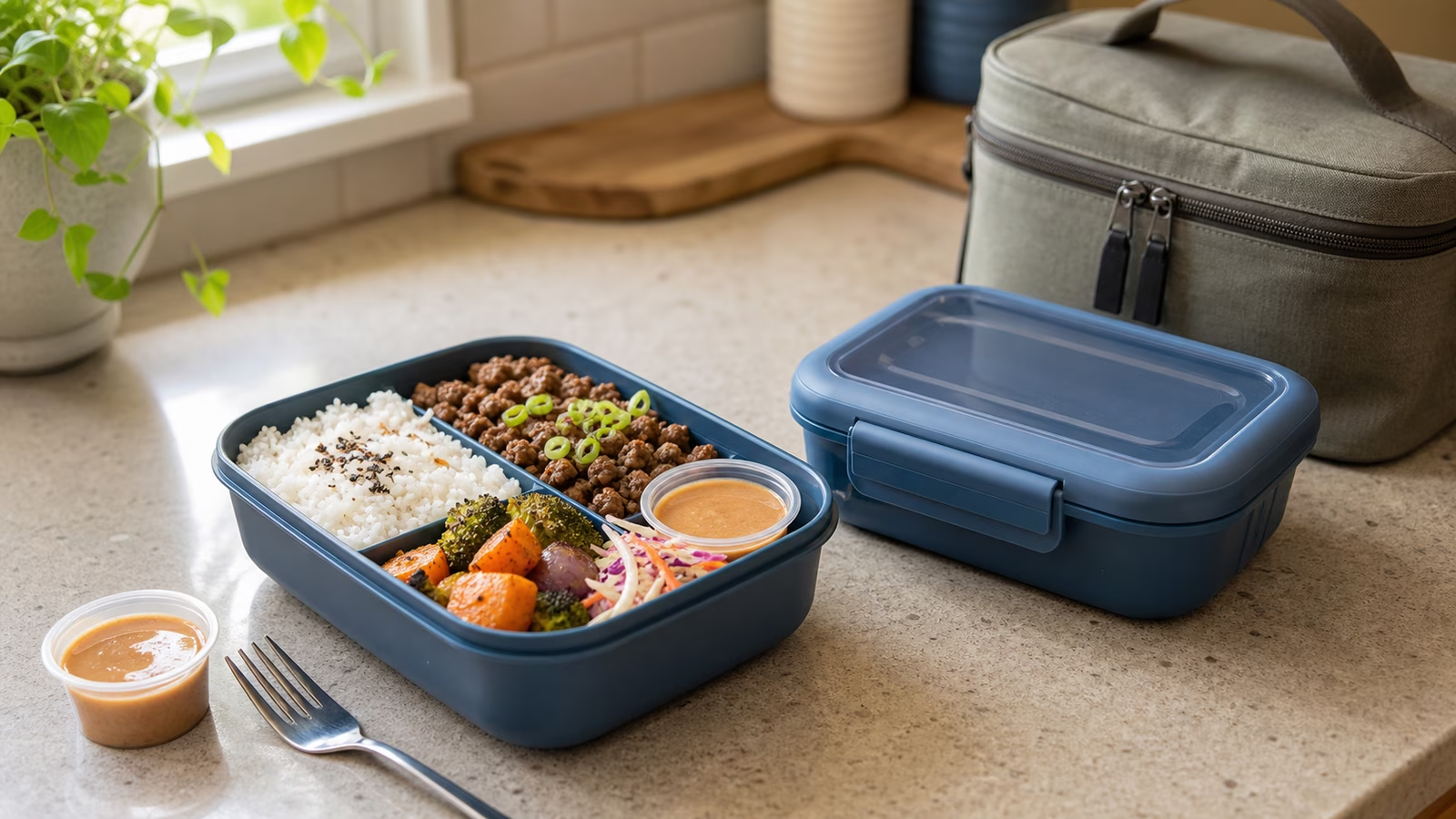
Cold bowls are easier than hot packed lunches because you do not have to remove half the container before reheating, but they still need structure. The base and protein can usually sit together if they are dressed lightly. Wet pickles, salsa, and cucumbers should be placed so they do not soak the entire container. Crunchy toppings should stay dry until eating. Creamy sauce can ride in a small cup if the bowl would get soggy during travel.
If the lunch will be carried for hours, use a cold pack or a reliable refrigerator rather than treating the bag like a magic preservation zone. Normal food safety matters even when the meal feels casual. Cooked rice, chicken, dairy sauces, eggs, fish, tofu, and leftovers should be cooled, stored, transported, and eaten with ordinary care. The safe habit is to keep the food cold until lunch, not to rely on toughness or luck.
The container should leave room to stir. A cold bowl often tastes better after the sauce is folded through at the last minute. If the container is packed to the lid, you cannot mix without spilling, and the top bites will taste different from the bottom. Headroom is not wasted space. It is part of the design.
Build Around a Clear Flavor Direction
Cold bowl flavors should be clear. A soy-lime bowl can use rice or noodles, chicken or tofu, cucumber, cabbage, green onion, sesame, and chili crisp. A taco-ish bowl can use rice, turkey or beans, cabbage, salsa, pickles, lime, and yogurt. A Mediterranean-ish bowl can use chickpeas, chicken, cucumber, tomato, herbs, rice or potatoes, lemon, and yogurt sauce. A tuna bowl can use rice, beans, cucumber, pickles, herbs, and a mustardy or spicy sauce.
The point is not to memorize templates. The point is to avoid miscellaneous cold leftovers. Cold meals have less forgiveness for confusion. If one bite tastes like salsa, the next like plain rice, and the next like dry chicken, the bowl feels accidental. If the base, protein, vegetables, and sauce all agree, the meal feels calm and deliberate.
No-Cook and Low-Cook Boy Kibble is the closest companion when you want the same low-friction logic without much heating. Cold boy kibble can use cooked leftovers, no-cook proteins, or both. What matters is that the final bowl is built for how it will actually be eaten.
Cold Lunch Should Still Feel Like Lunch
The strongest cold boy kibble bowls do not apologize for being cold. They use sturdy bases, proteins that stay pleasant, vegetables with crunch, sauces with enough acid and body, and packing habits that protect the finish. They are especially useful for offices with crowded microwaves, classrooms, hot days, shared kitchens, commutes, and lunches where reheating would create more friction than it solves.
This style will not replace every hot bowl. It should not. Some meals need a skillet, a rice cooker, or a microwave. But a good cold-bowl lane makes the whole boy kibble system more resilient. You are no longer dependent on a reheating setup. You can pack lunch without hoping the break room cooperates. You can eat something filling in warm weather without forcing a heavy hot meal.
Build it as a cold meal from the start. Dress the base lightly. Season the protein. Let cabbage, cucumber, pickles, herbs, and sauce do real work. Keep it cold until lunch. Leave room to stir. Then the bowl stops feeling like leftovers and starts feeling like a practical meal with its own logic.