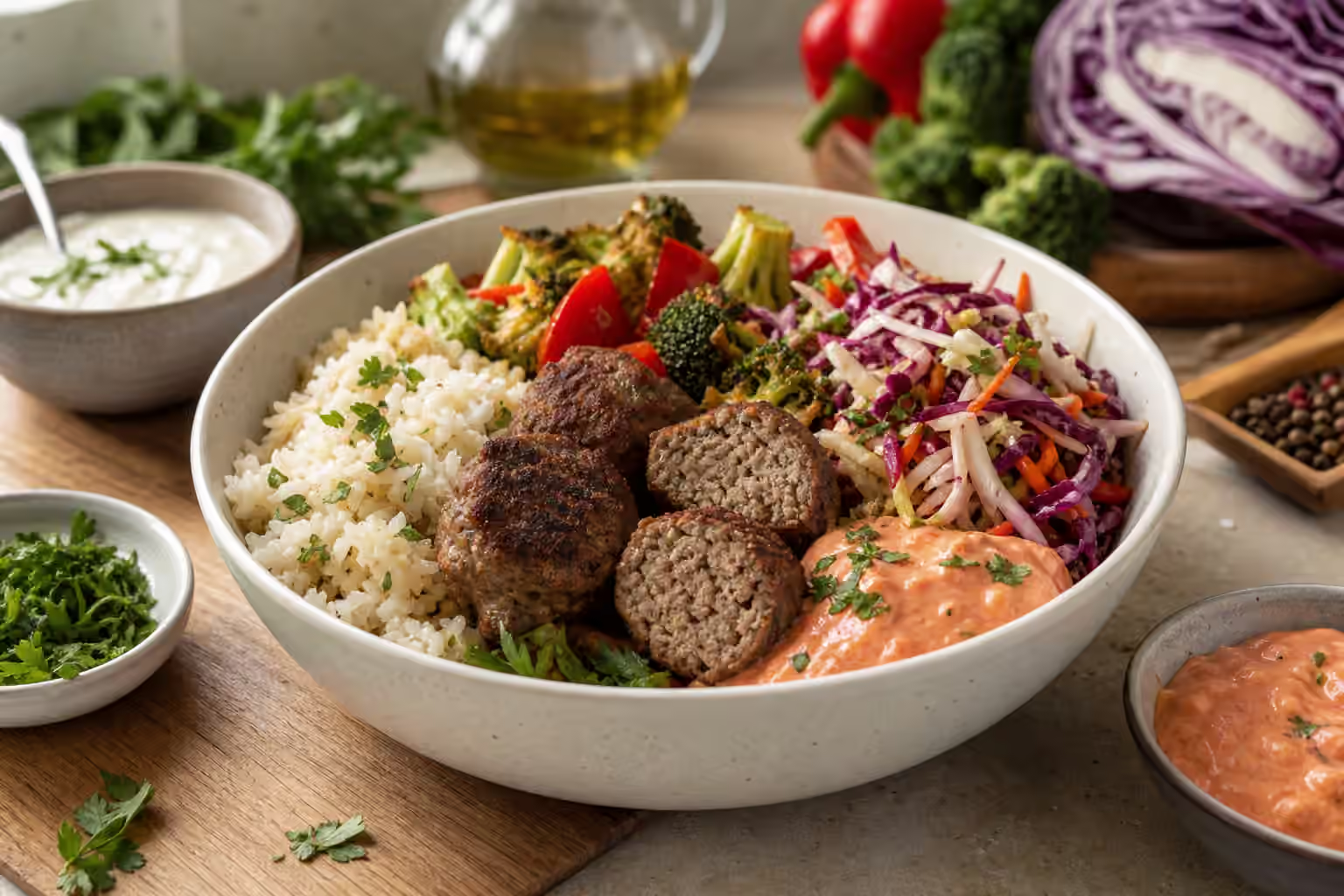
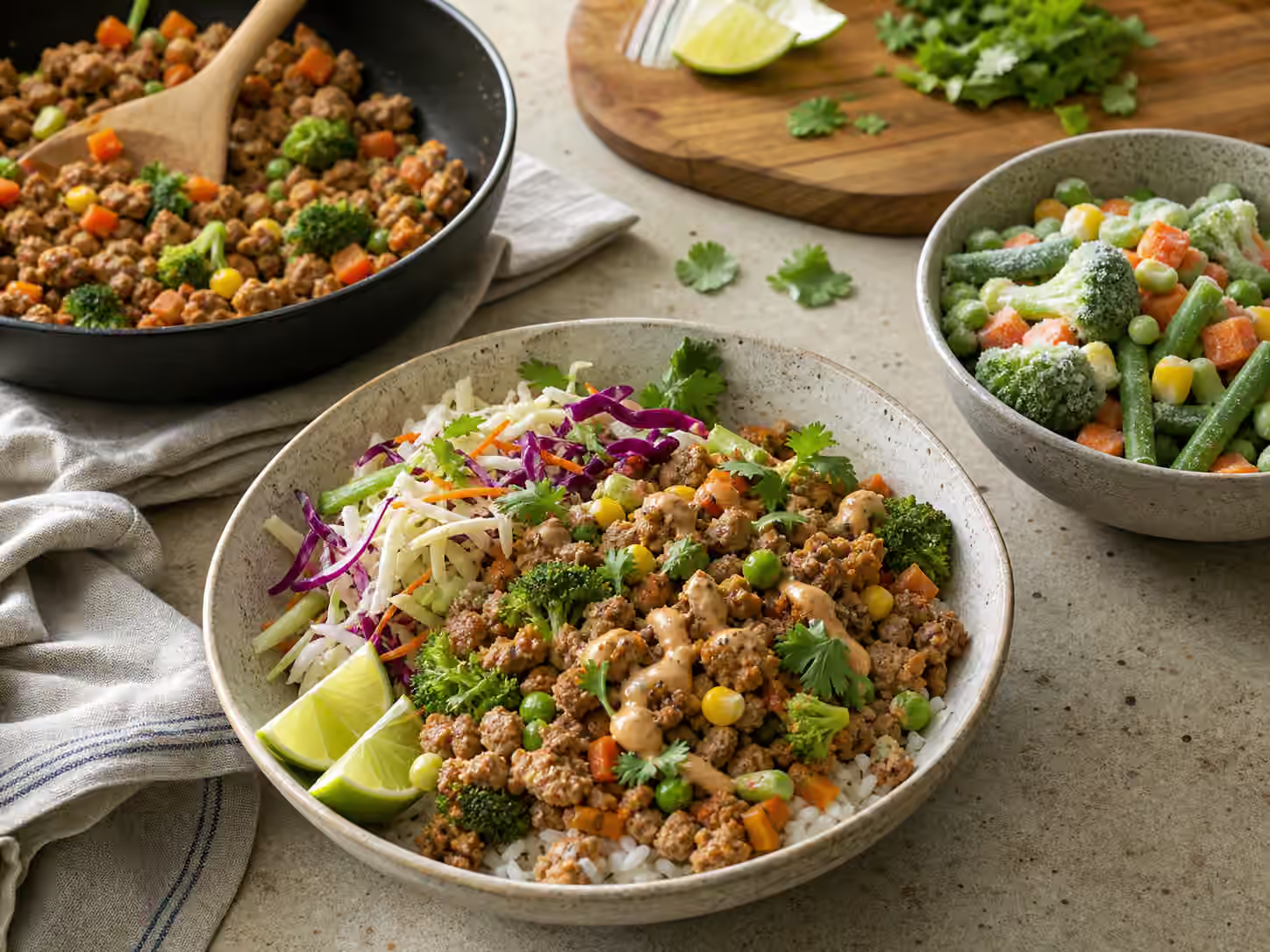
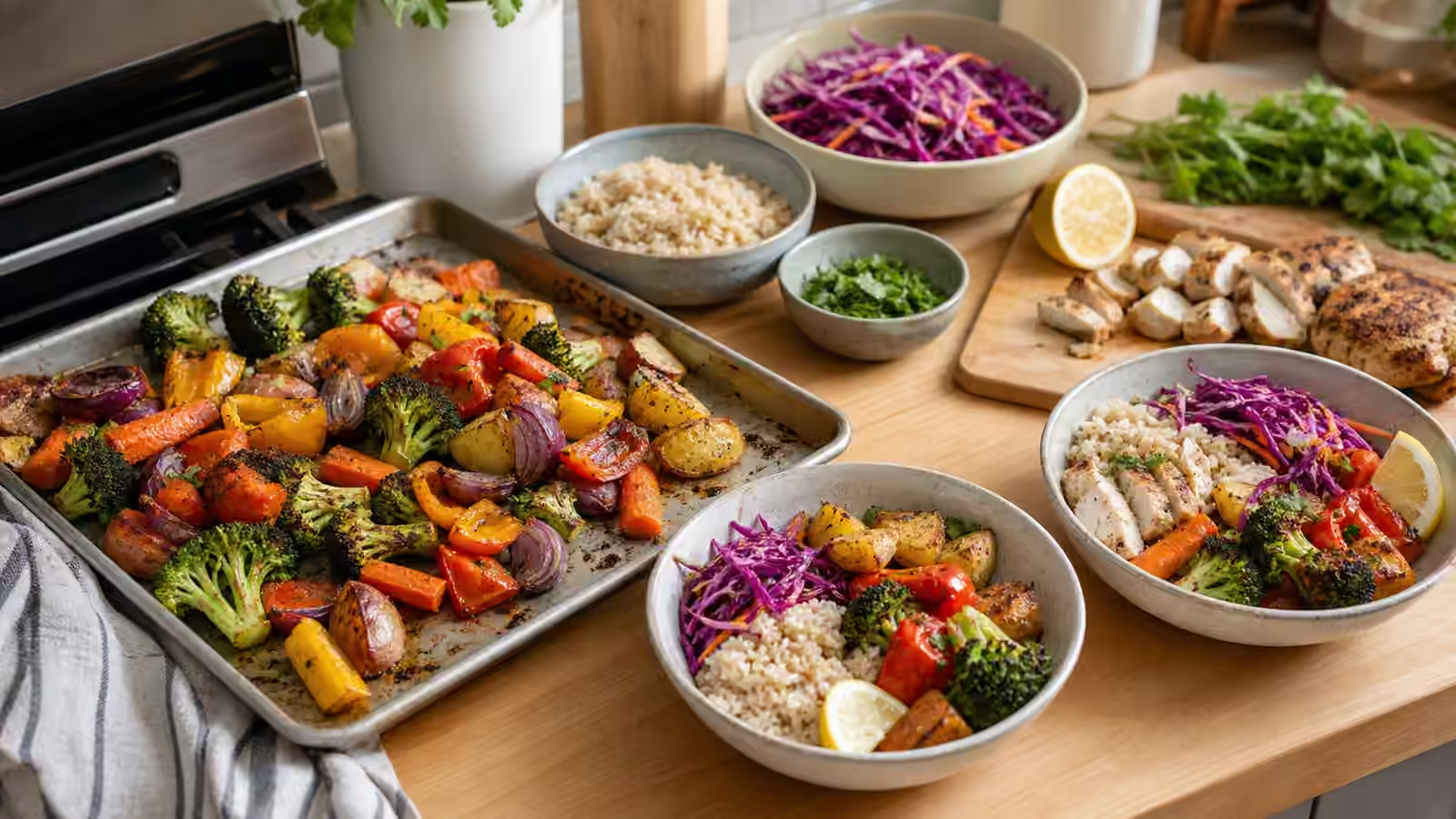
Chicken thighs fill a useful gap in boy kibble. Ground chicken is fast and flexible, and Rotisserie Chicken Boy Kibble is the convenience move, but thighs offer something different: a batch protein that can stay juicy, brown well, handle strong seasoning, and still feel like dinner after reheating.
They also forgive real life. A chicken breast can go dry quickly if the timing is off. Ground chicken can taste quiet unless the pan and seasoning do serious work. Thighs have more margin. They can be roasted on a sheet pan, browned in a skillet, cooked in an air fryer, or simmered until shreddable. That makes them a strong fit for the same low-friction system behind Boy Kibble Quickstart : protein, base, plant, sauce, repeat.
The point is not to make chicken thighs fancy. The point is to cook them in a way that gives several bowls a clear anchor without turning the rest of the week into reheated poultry fatigue.
Why Thighs Work So Well
Chicken thighs bring enough richness to make simple bowls feel complete, but not so much that they dominate every bite. They pair easily with rice, potatoes, noodles, tortillas, beans, cabbage, broccoli, cucumbers, yogurt sauce, salsa, soy sauce, chili crisp, curry-ish sauces, and bright herbs. That flexibility matters because boy kibble depends on repetition. A protein that only tastes good in one format becomes a problem by the third container.
The texture is the bigger advantage. Thigh meat reheats with more kindness than very lean chicken. It can be sliced, chopped, shredded, or pulled into uneven pieces that catch sauce. Those edges matter. A bowl with flat slices of dry chicken can feel like meal prep in the worst sense. A bowl with browned, irregular pieces of thigh meat feels more like food that was cooked for eating, not just for storage.
This does not mean thighs are automatically better than every other protein. Ground Turkey and Chicken Boy Kibble is still the cleaner skillet move when speed and crumbles matter. Thighs are better when you want a batch anchor with more chew, more browning, and a stronger sense of dinner.
Choose the Cut Around the Week
Boneless thighs are easiest for bowls because they cook quickly and slice cleanly. They are the weeknight choice when you want protein ready without a carving project. They also take marinades, spice rubs, and pan sauces well because there is plenty of surface area for seasoning.
Bone-in thighs ask for more time, but they can give you better browned skin, deeper pan juices, and meat that pulls apart easily after roasting or simmering. They make sense when the cooking window is longer and the leftovers are part of the plan. If the skin stays crisp for the first dinner, enjoy it there. Do not expect it to remain crisp in a sealed container. For meal prep, treat the skin as a first-night bonus or chop it into the bowl only when the texture still makes sense.
Skinless thighs are easier when the goal is flexible leftovers. They take sauce without bringing as much rendered fat to the container, and they fit bowls that need to feel lighter. Skin-on thighs are better when the first meal matters as much as the leftovers. Neither choice is morally superior. The right cut is the one that matches the week, the cooking method, and the way you actually eat leftovers.
Brown First When You Can
Chicken thighs reward browning. A few browned edges make the meat taste seasoned before sauce arrives, which is exactly the lesson from How to Season Boy Kibble Before the Sauce Goes On . Salt, spices, and heat should become part of the chicken, not a decoration poured over plain meat later.
In a skillet, give the pieces enough room to make contact with the pan. If everything is crowded, the chicken steams. It will still cook, but the flavor will be quieter. In the oven, a sheet pan gives thighs and vegetables a chance to brown together, especially when the pieces are not piled on top of each other. One-Pan Boy Kibble covers that rhythm: let the pan do a real job, then finish the bowl with fresh contrast.
The air fryer can work when you want browned edges without heating a full oven. It is best for smaller pieces or boneless thighs that can cook evenly. The pressure cooker is better when you want shreddable chicken for several bowls, though it will not give the same browned surface unless you sear first or use the cooked meat in a hot pan afterward. Pressure-Cooker Boy Kibble is useful when attention is the scarce ingredient, while thighs are useful because they can survive that kind of cooking without becoming bland strings.
Pick a Flavor Lane Early
Chicken thighs can handle stronger flavor than many people give them. A taco-ish lane can use chili powder, cumin, garlic, salsa, lime, cabbage, and rice. A soy-ginger lane can use soy sauce, garlic, ginger, broccoli, cucumber, green onion, and chili crisp. A yogurt-herb lane can use garlic, lemon, oregano, cucumber, slaw, potatoes, and a cool sauce. A curry-ish lane can use curry powder or paste, rice, chickpeas, spinach, and a bright finish.
Those lanes are not recipes. They are guardrails. The mistake is cooking a large batch of neutral chicken and expecting every future bowl to become interesting at the sauce stage. Neutral chicken can be useful, but completely plain chicken asks too much of the toppings. A better batch has a flexible direction. Garlic, salt, pepper, and a little acid can go many places. Soy, ginger, and garlic point more clearly toward rice, greens, cucumber, and sesame. Chili powder and cumin point toward beans, corn, slaw, salsa, and lime.
The goal is to leave enough room for variation without making the chicken anonymous. If the batch tastes good by itself, the bowl will need less rescue. If the chicken tastes like nothing, every lunch becomes a condiment test.
Match the Base to the Richness
Rice is the easy default because it catches chicken juices and makes the bowl clean and repeatable. It works especially well when the chicken has a strong sauce or pan drippings. The danger is making the whole bowl soft. Rice, thigh meat, and cooked vegetables can become gentle on gentle unless something crisp or acidic arrives at the end.
Potatoes make chicken thighs feel like a full dinner, especially with roasted vegetables, pickles, yogurt sauce, hot sauce, or herbs. Tortillas are useful when the chicken is chopped small enough for wraps or quesadillas. Noodles can work when the sauce has enough moisture to coat them. Beans and lentils make the batch stretch and give the bowl more staying power, especially when the chicken portion is smaller.
Boy Kibble Bases is worth reading before locking yourself into rice every time. Thighs are flexible enough that the base can change the whole meal. Chicken over rice with broccoli and soy sauce is one dinner. Chicken over potatoes with cabbage and yogurt sauce is another. Chicken with beans, slaw, and salsa is a third without cooking a new protein.
Keep Freshness Separate
Chicken thighs can hold up in the fridge, but the bowl around them still needs planning. Store the cooked chicken as an anchor when possible, not as a fully finished bowl drowned in sauce and trapped with fragile toppings. Rice, beans, roasted vegetables, and potatoes can be packed with the chicken when that makes the week easier. Slaw, cucumber, herbs, pickles, lime, yogurt sauce, and crunchy toppings are usually better added later.
This is the same logic behind How to Meal Prep Boy Kibble Without Hating It by Wednesday . Cook the sturdy parts. Keep the parts that provide freshness and contrast alive until serving. A reheated chicken thigh bowl with cold cabbage, lime, and sauce can taste intentional. The same bowl with cabbage that has steamed in the container for two days may taste tired before you start eating.
Cooling and reheating still deserve common sense. Cook poultry thoroughly, use a thermometer when guessing would be risky, cool leftovers promptly, and reheat portions until they are hot all the way through. The practical kitchen rule is not complicated: make the chicken safe first, then make the bowl pleasant enough that the safe food actually gets eaten.
Use Leftovers Before They Lose Their Shape
Chicken thigh leftovers are generous, but they are not immortal. The first day can be a straightforward bowl with rice, roasted vegetables, and sauce. The second day might want a format change. Chopped chicken can become a tortilla bowl, quesadilla filling, fried rice, brothy rice, noodles, or a potato bowl with pickles and yogurt sauce. By the last portion, the best move is often to chop the chicken smaller and let it become part of a skillet or saucier bowl rather than presenting it as the same centerpiece again.
This is where Leftover Boy Kibble helps. The leftover problem is rarely that the food is unusable. It is that the format has stopped doing enough work. Chicken thighs give you a better starting point than very dry chicken, but they still need texture, acid, and a reason to feel different.
When thighs are cooked with enough seasoning, stored with a little care, and paired with bases that match their richness, they become one of the most useful boy kibble proteins. They are not as instant as ground meat and not as effortless as buying a cooked bird, but they reward the extra step with juicier leftovers and stronger bowls. That is the trade worth making when you want simple meals to feel like dinner for more than one night.