Chicken breast is popular in boy kibble because it is lean, familiar, and easy to portion. It is also one of the fastest ways to make a bowl feel dutiful instead of satisfying. A dry slab of chicken over rice can make every other part of the bowl work harder. Sauce gets used as emergency moisture. Vegetables become decoration. The meal is technically complete, but it does not eat like dinner.
The fix is not to pretend chicken breast is chicken thigh. Chicken Thigh Boy Kibble has more built-in forgiveness because dark meat carries more fat and stays juicier through storage. Chicken breast needs a little more discipline: better seasoning before cooking, enough heat to taste cooked, enough rest to stay juicy, and a storage plan that does not turn lean protein into cold chalk.
Season Before the Sauce Has to Rescue It
Chicken breast needs seasoning before it reaches the bowl. A sauce on top can help, but it cannot fully repair bland meat. Salt, pepper, garlic powder, onion powder, paprika, cumin, dried oregano, chili flakes, curry powder, or lemon zest can all work depending on the direction of the bowl. The important thing is that the chicken itself tastes like part of the meal before rice and sauce arrive.
This does not require a formal marinade. Even a short rest with salt and dry seasoning helps. If there is time, yogurt, lemon, soy sauce, vinegar, mustard, or a little oil can carry flavor deeper and protect the surface. If there is no time, season the surface generously and cook it with attention. How to Season Boy Kibble Before the Sauce Goes On is the larger principle: the bowl should be layered with flavor, not decorated with sauce at the end.
The seasoning should match the week. A neutral garlic-lemon chicken breast can become Mediterranean-ish bowls, wraps, salads, rice bowls, and brothy leftovers. A heavily taco-seasoned batch is useful if that is the plan, but it gives the week fewer exits. Chicken breast is already a little rigid because it dries easily. Keeping the flavor flexible can make the batch less tiring.
Cook for Juiciness, Then Stop
Lean chicken breast punishes overcooking. It can look almost done, then become dry in the time it takes to finish another component. The safest practical habit is to cook it evenly, check for doneness with a thermometer when possible, and stop before it gets a second unnecessary cook in the pan. Food safety matters, but so does not treating chicken breast as if dryness were a virtue.
Even thickness helps. A very thick breast can be uneven: dry at the edges, underdone in the center, and hard to reheat later. Pounding, slicing into cutlets, or using smaller pieces can make cooking more predictable. Cubes cook quickly and pick up seasoning, but they also overcook quickly. Whole pieces or cutlets can stay juicier if they are rested and sliced after cooking.
Skillet Browning for Boy Kibble applies here, but with restraint. Browning adds flavor. Burning dry spices or chasing a hard crust on a thin piece can make the chicken taste harsh and dry. Moderate heat, a little oil, and patience often produce a better bowl than a pan that is too hot for the meat.
Slice With the Future Bowl in Mind
The shape of the chicken changes how the bowl eats. Thick chunks can feel like separate protein blocks sitting on rice. Thin slices spread through the bowl and make each bite easier. Shredded chicken breast can work when there is enough sauce or broth, but it becomes stringy if stored dry. Small cubes are useful for wraps, fried rice, and lunch containers, but they need careful reheating.
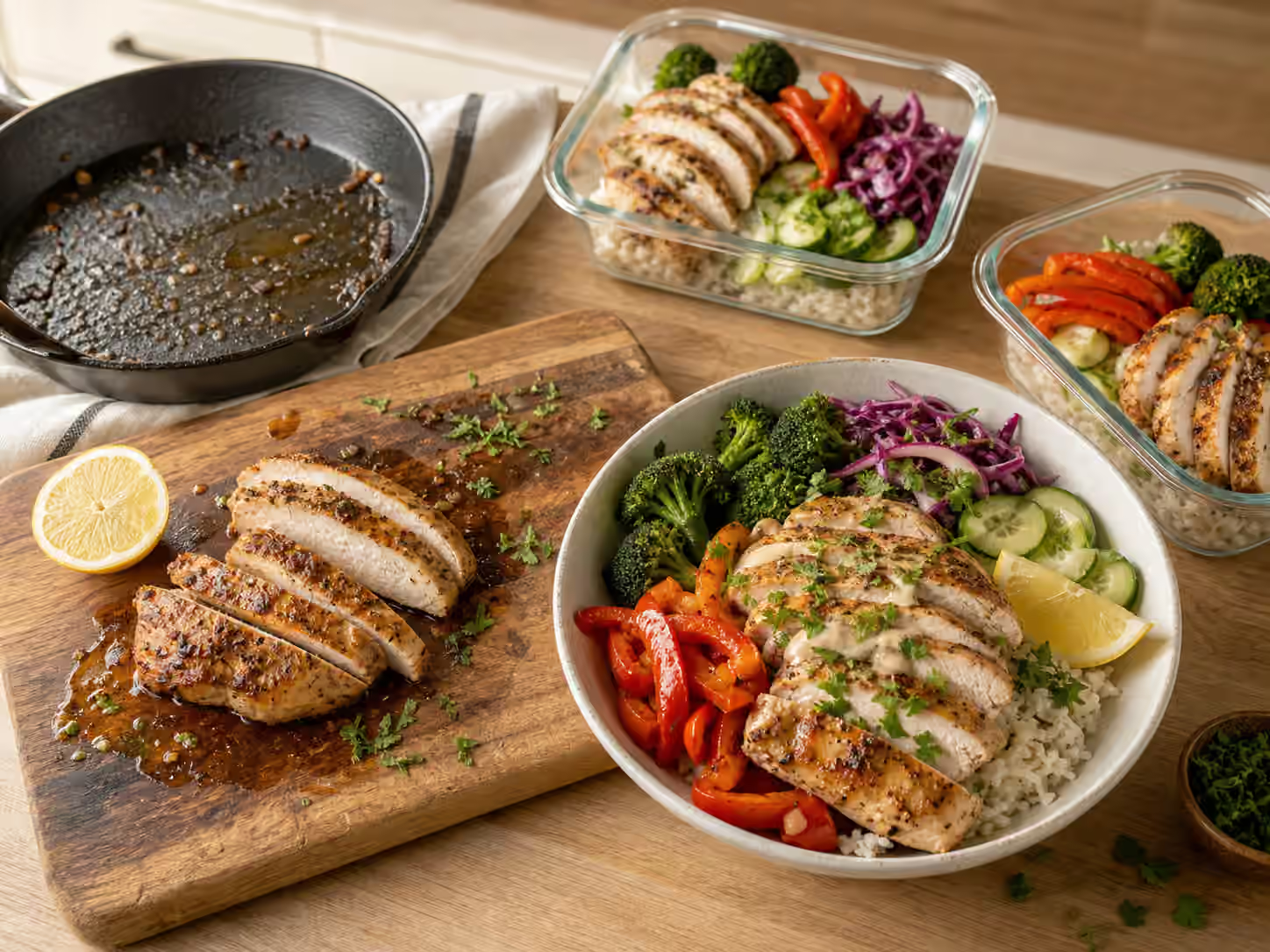
Slicing after a short rest helps keep juice in the meat instead of on the cutting board. It also lets you portion the chicken more thoughtfully. A lunch bowl may need less chicken and more vegetables than a post-work dinner. A brothy bowl may need slices that can warm gently in liquid. A cold bowl may need smaller pieces that are easy to eat without a knife.
This is where Portioning Boy Kibble helps. Chicken breast often pushes people toward protein-heavy bowls because the pieces are visible and easy to count. The better move is to make the chicken present without letting it dominate. Rice, vegetables, beans, sauce, and fresh finish should still have jobs.
Store It So Reheating Does Not Finish the Damage
Chicken breast that tastes good hot can become disappointing after a night in the fridge. The meat firms up, the surface dries, and the bowl may need moisture to come back. Storage makes the difference between a useful batch and a tray of protein you avoid by Wednesday.
Do not store sliced chicken breast uncovered. Do not bury it in watery vegetables and hope for the best. If the chicken is going into a container with rice, consider adding a small amount of sauce or keeping a moist component nearby, such as beans, roasted peppers, or a thicker dressing. If the chicken is very plain, store sauce separately so the week has options. If the chicken is already sauced, avoid thin sauces that soak the rice and leave the meat strangely bare.
Reheating Boy Kibble is especially important with chicken breast. Warm it gently. Give rice moisture, but do not drown the meat. If using a microwave, nestle slices into the warm part of the bowl rather than leaving them exposed on the edge. If using a skillet, understand that you are trading some juiciness for edges. That can be worth it, but it should be a choice.
Pair Lean Chicken With Richness and Crunch
Because chicken breast is lean, the bowl needs richness somewhere else. That does not mean heavy. It means the meal needs a sauce, fat, or creamy element that makes the protein feel complete. Yogurt sauce, tahini, peanut sauce, avocado, olive oil, chili crisp, sesame, cheese, or a lemony dressing can all help. The right amount is enough to coat bites, not enough to turn rice into paste.
Crunch matters too. Cabbage, cucumber, pickles, peppers, toasted seeds, peanuts, crispy onions, or roasted vegetables keep chicken breast bowls from feeling like gym food. Fresh Finish Kits for Boy Kibble and Cabbage and Slaw Boy Kibble are useful partners because lean protein needs contrast more than rich protein does.
The best chicken breast bowls often have a clear lane. Lemon yogurt, cucumber, herbs, and rice. Soy-ginger sauce, cabbage, broccoli, and sesame. Salsa, beans, slaw, and lime. Peanut-lime sauce, carrots, cucumber, and herbs. The chicken does not need to be exciting alone if the bowl has enough structure around it.
Use Chicken Breast Where It Actually Fits
Chicken breast is not the universal best protein. It is a useful one. It works when you want a lean, flexible batch that can move through several meals. It works when the sauce is strong, the vegetables are fresh, and the reheating plan is gentle. It works when you slice it well and let the rest of the bowl carry texture.
It is less useful when you need a slow cooker batch that can survive rough reheating, a rich bowl with minimal sauce, or a freezer meal that will be abused later. In those cases, thighs, beans, tofu, ground turkey, or rotisserie chicken may be easier. Choosing Protein for Boy Kibble is still the map.
When chicken breast is handled on its own terms, it stops being the dry default. Season it early. Cook it evenly. Rest it. Slice it for the bowl you are actually making. Store it with moisture and reheat it gently. Then give it enough sauce, crunch, and acid to become dinner instead of just protein on rice.