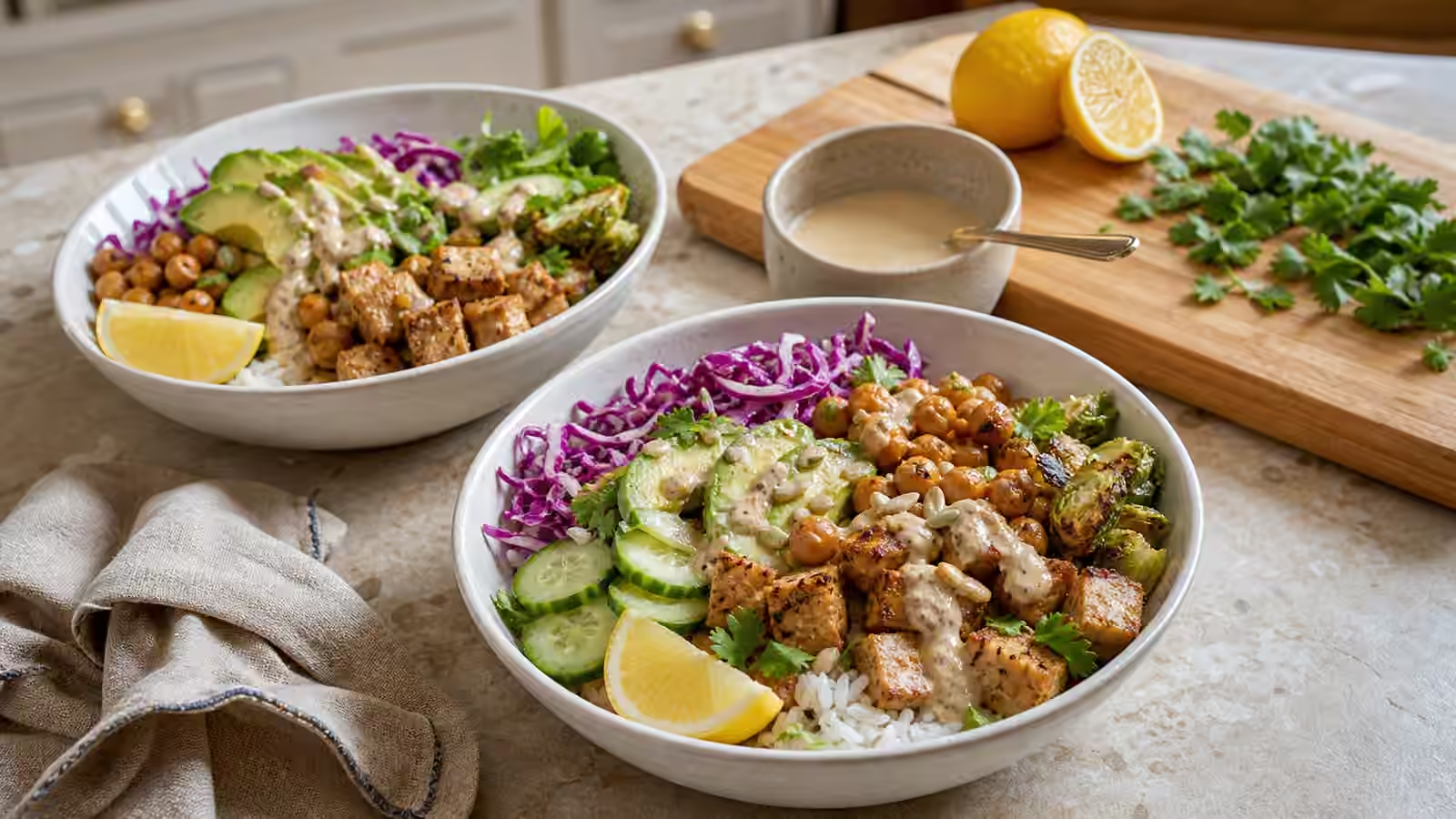
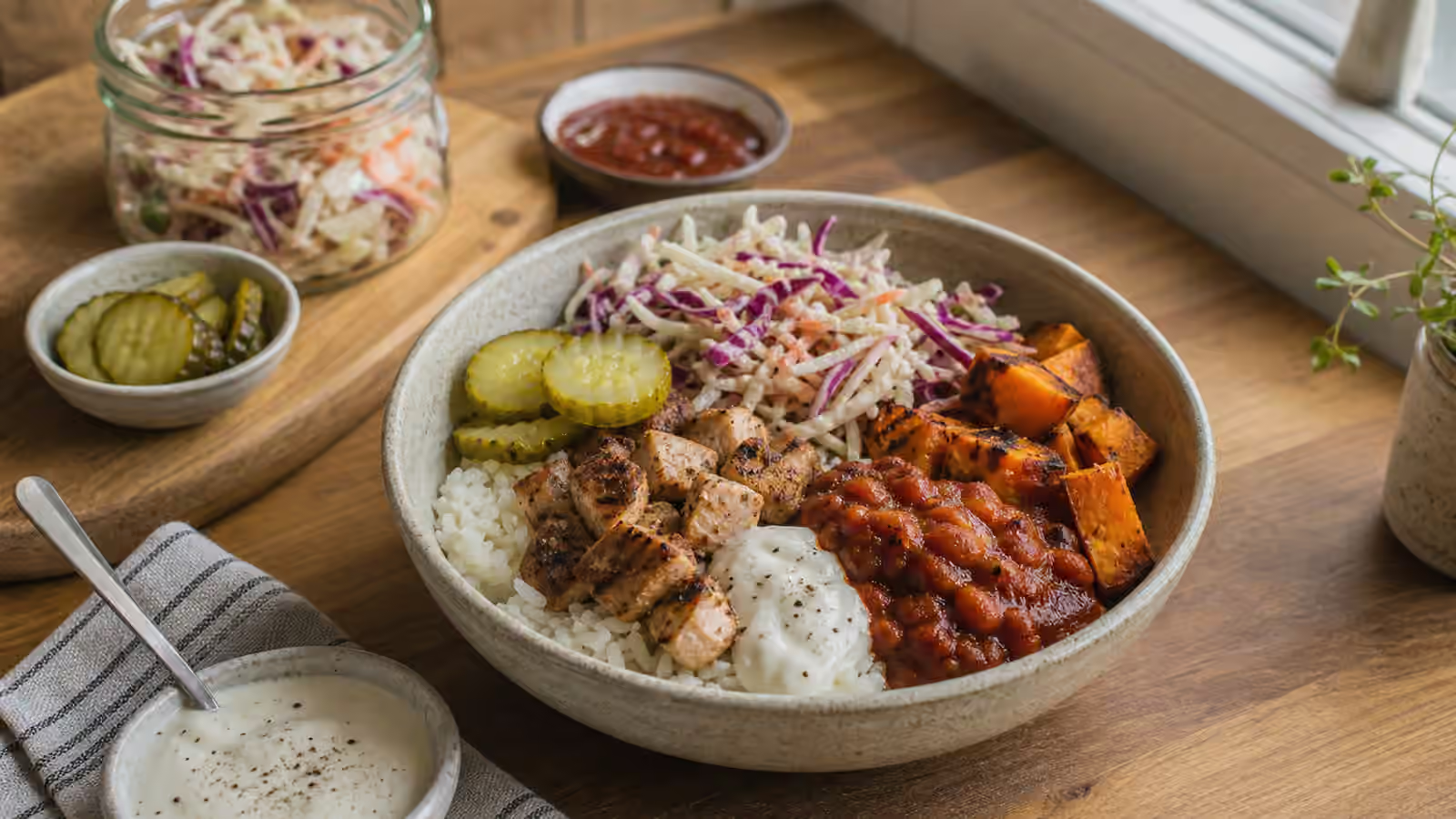
Creaminess is one of the easiest ways to make boy kibble feel like dinner instead of assembled fuel. A little cheese can make rice and ground meat feel complete. Yogurt sauce can cool heat, loosen dry protein, and make vegetables taste deliberate. Cottage cheese can turn a low-cook bowl into a real meal. The problem is that creamy ingredients are often used as a rescue blanket. The bowl is bland, so it gets cheese. The rice is dry, so it gets a heavy sauce. The vegetables are dull, so everything gets covered.
The better approach is to give dairy and creamy finishes a job. They can add richness, cool spice, bind a wrap, soften beans, or create contrast against pickles and cabbage. They should not erase the rest of the bowl. Sauces and Toppings That Save Boy Kibble from Sadness covers the larger finishing system. This guide stays narrower: how to use cheese, yogurt, and similar creamy ingredients so the meal gets better without becoming heavy by default.
Cheese Is Stronger When It Is Modest
Cheese has a way of taking over simple meals. That can be useful, especially with taco-ish bowls, burger bowls, potato bowls, eggs, beans, and tomato-leaning pasta. But if cheese becomes the only flavor move, the bowl gets rich before it gets interesting. A large handful of shredded cheese over plain rice and meat may satisfy for a few bites, then turn dense and salty.
A smaller amount works better when the cooked base is already seasoned. Salted beef with chili powder, black beans, rice, cabbage, salsa, and a little cheese tastes like a coherent bowl. Plain beef, plain rice, and a mound of cheese tastes like a shortcut that ran out of road. The cheese should support the lane, not define it alone.
Melted cheese is best on hot, sturdy components. Rice, potatoes, beans, beef, turkey, chicken, eggs, and short pasta can all hold it. Cold slaw, cucumber, herbs, pickles, salsa, and hot sauce should usually arrive after the cheese has melted, because their job is contrast. This late freshness is the same habit described in Better Boy Kibble Texture . Richness needs interruption.
Yogurt Sauce Fixes Dryness Without Adding Weight
Plain yogurt is one of the most useful boy kibble sauce bases because it brings tang, moisture, and body without making every bowl taste like melted cheese or mayonnaise. It works with turkey, chicken, beef, beans, potatoes, rice, tuna, salmon, eggs, roasted vegetables, cabbage, cucumbers, and herbs. It can lean taco-ish with lime and hot sauce, Mediterranean-ish with lemon and herbs, burger-ish with mustard and pickles, or curry-ish with a cooling spoon on top.
The key is seasoning the yogurt. Plain yogurt straight from the container can taste sour and unfinished. Salt, lemon or lime, pepper, garlic powder, hot sauce, mustard, herbs, pickle brine, or a little grated cucumber can turn it into a sauce that belongs. The exact direction depends on the bowl, but the principle stays the same. Yogurt needs enough salt and acid balance to taste like a decision.
Yogurt sauce is especially useful for lean proteins. Ground turkey and chicken can dry out faster than beef. Tofu can taste plain if it was not browned and seasoned. Beans can feel dense. A spoon of yogurt sauce can bring moisture and lift, but it works best when the protein was seasoned before the sauce arrived. That connects directly to How to Season Boy Kibble Before the Sauce Goes On . Sauce finishes. It should not be asked to do every job.
Cottage Cheese Is a Protein, Sauce, and Texture Choice
Cottage cheese can be divisive, but it belongs in the boy kibble conversation because it is fast, filling, and flexible. In a low-cook bowl, it can act as the protein anchor. With tomatoes, cucumbers, pepper, herbs, hot sauce, pickles, rice, potatoes, or toast, it becomes a savory meal quickly. With leftover roasted vegetables and a crunchy finish, it can carry lunch without a stove.
It also works as a creamy contrast beside hot food. A spoon of cottage cheese next to potatoes, eggs, beans, salsa, and greens can make the bowl feel more complete. It should not be heated aggressively unless you like the texture that creates. Most of the time, it is better added cold or cool after the hot base is ready.
No-Cook and Low-Cook Boy Kibble mentions cottage cheese as an easy protein, and that is the right spirit. It is not trying to imitate meat. It is a different kind of anchor for days when cooking is the barrier. The bowl still needs crunch, acid, and enough base to feel like a meal.
Creamy Ingredients Need Acid Beside Them
The fastest way to make a creamy bowl taste heavy is to forget acid. Cheese, yogurt, cottage cheese, avocado, mayo-based sauces, tahini, and creamy dressings all benefit from something sharp nearby. Salsa, lime, lemon, pickles, hot sauce, vinegar, mustard, kimchi, pickled onions, or a bright slaw can keep the bowl moving.
This is not decoration. Acid changes how rich food eats. A potato bowl with cheese and beef can feel blunt. The same bowl with pickles and mustard-yogurt sauce has direction. A rice bowl with turkey and yogurt can taste soft. The same bowl with cabbage, lime, and hot sauce has shape. A bean bowl with cottage cheese can feel dense. The same bowl with salsa and scallions feels fresher.
The creamy part also needs texture around it. If the bowl contains rice, beans, melted cheese, and soft vegetables, the answer may not be more sauce. It may be cabbage, cucumber, crushed chips, toasted seeds, pickles, or herbs. Vegetables for Boy Kibble becomes important here because creamy bowls need plants with a job, not token greens.
Use Dairy Differently for Hot Bowls and Packed Bowls
Hot bowls can use cheese and yogurt differently from packed lunches. Cheese can melt directly over hot rice, potatoes, beans, or meat. Yogurt sauce should usually wait until after reheating so it stays cool and smooth. Cottage cheese is usually best added after heating or packed separately. If creamy ingredients sit in a hot sealed container, they can separate, sour, or make the whole bowl feel damp.
For packed lunches, the component method from How to Meal Prep Boy Kibble Without Hating It by Wednesday matters. Pack the hot base separately from the creamy finish when you can. Reheat rice, beans, meat, potatoes, or vegetables first. Then add yogurt sauce, cottage cheese, slaw, pickles, herbs, or hot sauce. The bowl tastes fresher, and the creamy ingredient keeps its purpose.
If you need to assemble everything in advance, choose sturdy combinations. A modest amount of shredded cheese mixed into rice and beans can survive better than yogurt sauce buried under hot leftovers. A thicker yogurt sauce packed in its own corner or cup behaves better than a thin dressing poured over the whole container. Creaminess is useful, but it needs placement.
Let Creaminess Balance the Bowl, Not Replace It
Cheese and yogurt are not moral upgrades or downgrades. They are tools. A bowl with lean turkey, rice, broccoli, cabbage, and a spoon of yogurt sauce can be balanced and satisfying. A bowl with beef, potatoes, cheese, pickles, and greens can be exactly right on a cold night. A low-cook bowl with cottage cheese, cucumber, rice, hot sauce, and crunchy topping can be the difference between eating real food and skipping dinner.
The question is what the bowl needs. If it is dry, add moisture. If it is sharp or spicy, add cooling creaminess. If it is lean, add richness. If it is already rich, add acid and crunch before adding more dairy. When creamy ingredients answer a specific problem, they make boy kibble more repeatable. When they cover every problem, the meal gets heavy and less flexible.
That is the practical standard. Use enough cheese to make the hot parts satisfying. Use yogurt sauce to bring tang and moisture. Use cottage cheese when low-cook protein is the point. Then let cabbage, pickles, herbs, hot sauce, and vegetables keep the bowl awake.