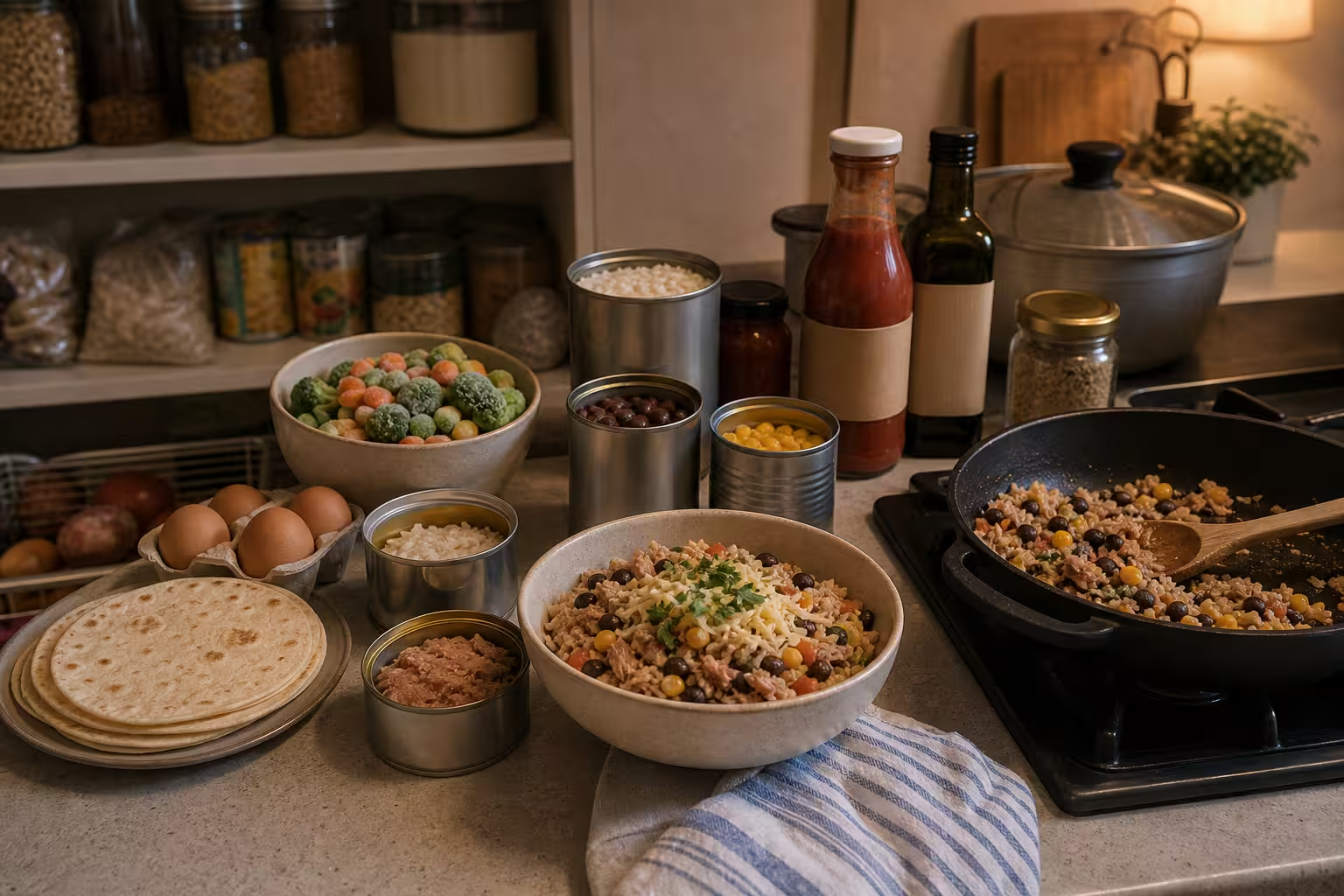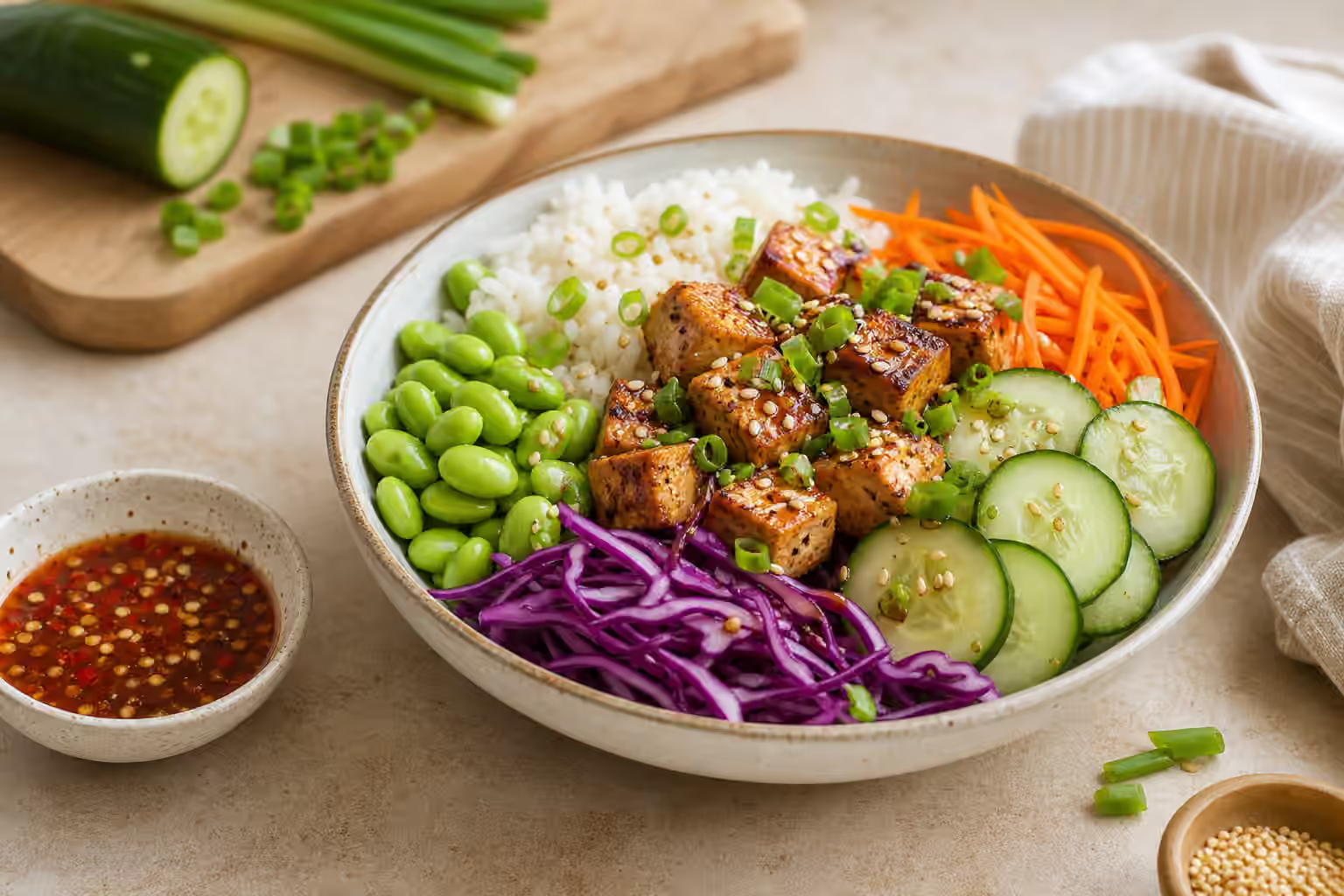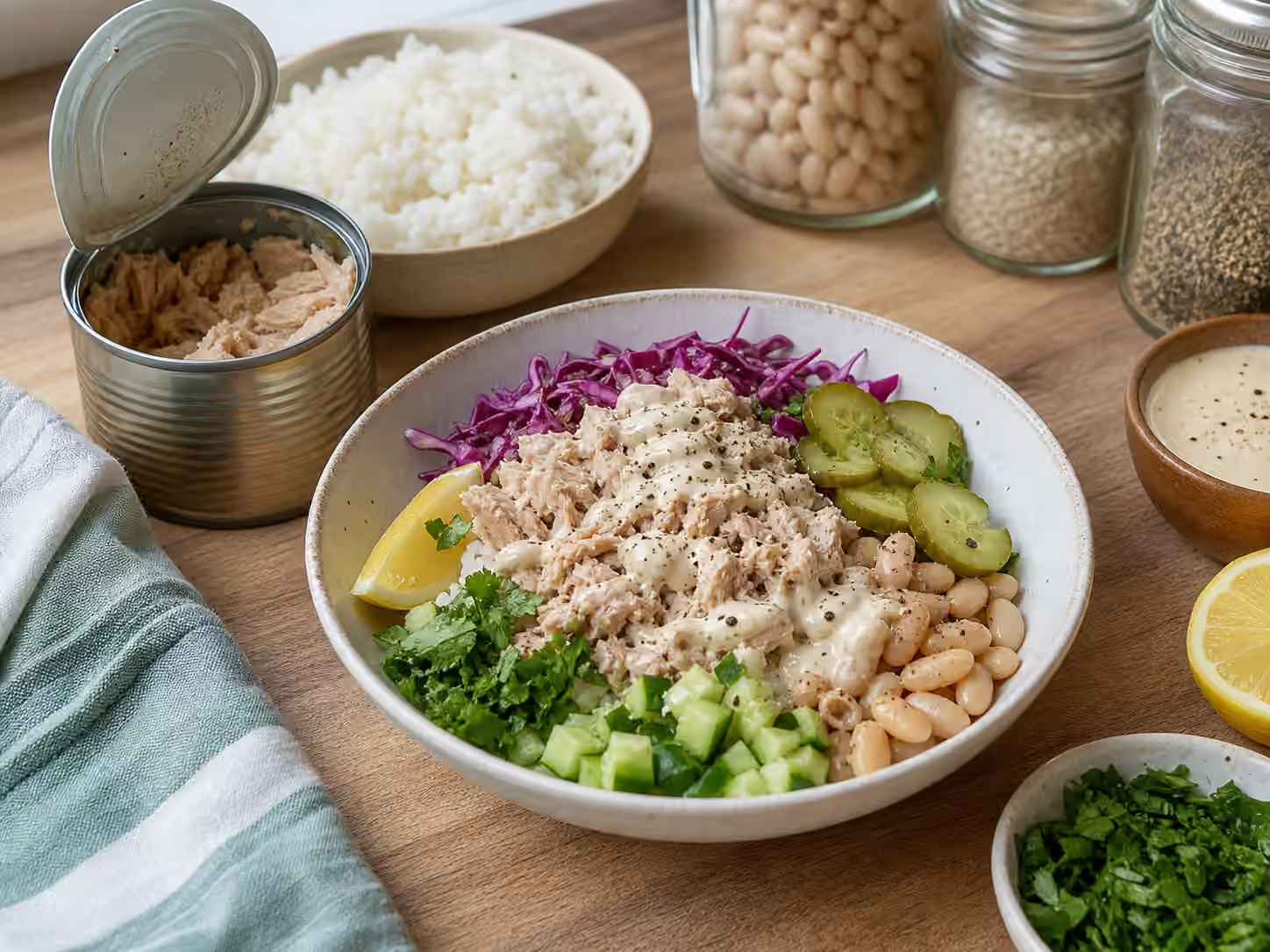
Canned chicken is not glamorous, but glamour is not the point of boy kibble. The point is a meal that appears when the plan is thin. A can of chicken, rice, beans, cabbage, pickles, and sauce can become a real bowl faster than raw protein can thaw. It can also become a pale, wet scoop on rice if it is treated as finished dinner straight from the can.
Pantry Boy Kibble covers the wider emergency-bowl system. This guide focuses on the specific protein that many people keep around but do not quite know how to make pleasant. Canned chicken needs texture support, seasoning, and a bowl that understands its limits. It is already cooked. The job is not to cook it harder. The job is to make it taste intentional.
Drain It, Then Decide the Direction
Canned chicken usually comes packed in liquid. That liquid protects storage, but it is not always what you want in the bowl. Draining gives you control. If the chicken tastes too salty or canned for your preference, a brief rinse can soften the flavor, though it also removes some seasoning. Patting it lightly or letting it sit in a strainer for a minute can help the texture feel less wet.
Once drained, decide what direction the bowl is taking. A lemon-herb bowl wants yogurt sauce, cucumber, cabbage, beans, and herbs. A taco-ish bowl wants salsa, black beans, rice, slaw, lime, and maybe a little cheese. A soy-ginger bowl wants cabbage, cucumber, sesame, scallions, and sauce. A curry-ish bowl wants rice, chickpeas, greens, yogurt, and warm spice. Canned chicken is neutral enough to move in several directions, but it needs a direction.
This is where Sauces and Toppings That Save Boy Kibble from Sadness earns its title. The sauce should not simply hide the chicken. It should connect the chicken to the base and fresh parts so the bowl tastes assembled rather than dumped together.
Use Texture to Make the Protein Feel Less Flat
Canned chicken is soft. That is not a moral failure; it is a storage fact. It works best when the rest of the bowl provides texture. Cabbage, cucumber, pickles, carrots, radishes, celery, toasted seeds, crispy onions, tortilla chips, or roasted vegetables can keep the bowl from collapsing into one soft note. Rice or grains give the meal structure, but they do not provide enough contrast by themselves.
Beans are especially useful because they make the protein feel less lonely. White beans, chickpeas, black beans, or lentils can stretch a can of chicken and make the bowl more substantial without requiring another cooked meat. Beans and Lentils for Boy Kibble is a good partner for this because pantry protein works better when it is part of a larger pantry system.
If the bowl is cold, lean into that. Treat the chicken more like a tuna-salad ingredient than a hot entree. Yogurt sauce, lemon, herbs, pickles, and crunchy vegetables can make a cold rice bowl feel like lunch. Cold Boy Kibble uses the same principle: cold food needs enough acid, crunch, and sauce to feel deliberate.
Warm It Gently When You Want a Hot Bowl
Because canned chicken is already cooked, aggressive heat can make it stringy or dry. If you want a hot bowl, warm the rice, beans, vegetables, or sauce first, then fold in the chicken long enough to take the chill off. A microwave can work if the chicken is protected by moisture. A skillet can work if there is sauce, broth, salsa, or vegetables in the pan. A dry skillet with canned chicken is usually the least flattering option.
For brothy bowls, canned chicken can be very useful. Warm broth, rice, beans, spinach, or vegetables, then add the chicken near the end. It will absorb some flavor without needing a long simmer. Brothy Boy Kibble is a natural fit for this kind of pantry meal because liquid can make softer proteins feel comforting instead of tired.
For fried rice or skillet bowls, use restraint. Crisping canned chicken is possible in small amounts, but it can dry out quickly. It is often better to crisp the rice or vegetables and let the chicken be the soft protein that joins near the end. If you want stronger browning, fresh chicken, ground meat, tofu, or leftover cooked meat may be better choices.
Build a Better No-Cook Bowl
Canned chicken is strongest when cooking is the barrier. It can turn microwave rice, canned beans, slaw, cucumber, pickles, and sauce into dinner without a pan. That makes it useful in heat waves, shared kitchens, office lunches, dorm-style rooms, and late nights when the choice is between a pantry bowl and grazing.
The no-cook version needs a little care. Warm rice can make the bowl feel more like dinner, but cold rice can work if it is loosened and sauced well. Beans should be drained and seasoned. Slaw or cabbage should be crisp. Sauce should be strong enough to carry the mild chicken. Lemon, vinegar, hot sauce, mustard, yogurt, tahini, salsa, chili crisp, or pickled vegetables can all help. No-Cook and Low-Cook Boy Kibble covers the wider method.
The biggest mistake is using canned chicken as the only interesting thing in the bowl. It is not built for that. It is a convenience protein. Let it save time while the fresh finish, sauce, and base make the meal feel complete.
Keep Pantry Meals From Becoming Emergency Food Forever
Pantry meals can develop a sad reputation because people build them only when everything else has failed. The ingredients are chosen in a hurry, the sauce is whatever is open, and the bowl gets eaten with low expectations. Canned chicken does better when it has a small, repeatable role before the emergency arrives.
Keep one or two compatible lanes in mind. A lemony lane might use canned chicken, white beans, rice, cucumber, cabbage, herbs, and yogurt sauce. A taco lane might use canned chicken, black beans, rice, salsa, slaw, lime, and cheese. A soy-sesame lane might use chicken, rice, cabbage, cucumber, scallions, sesame, and a store-bought or homemade sauce. None of these requires a recipe card. They just keep the can from feeling random.
Storage matters after opening. Use normal food-handling judgment, move leftovers into a proper container, and do not let an open can become a mystery in the fridge. If the bowl made more food than expected, keep wet sauce and crisp toppings separate where practical. Sink-to-Fridge Boy Kibble is useful here because even low-cook meals need a clean ending.
Let the Can Do the Job It Is Good At
Canned chicken will not replace a well-browned chicken thigh or a juicy sliced chicken breast. It does not need to. Its value is availability. It is there when the fridge is thin, the freezer is still frozen, the kitchen is too hot, or the schedule already won.
Use it where it fits: pantry bowls, no-cook lunches, brothy bowls, quick rice containers, bean-heavy meals, and emergency dinners that still deserve texture. Drain it. Season it. Give it crunch, acid, sauce, and a base that can carry it. When the rest of the bowl is doing real work, canned chicken stops tasting like a compromise and starts tasting like the quiet backup plan that kept dinner from disappearing.