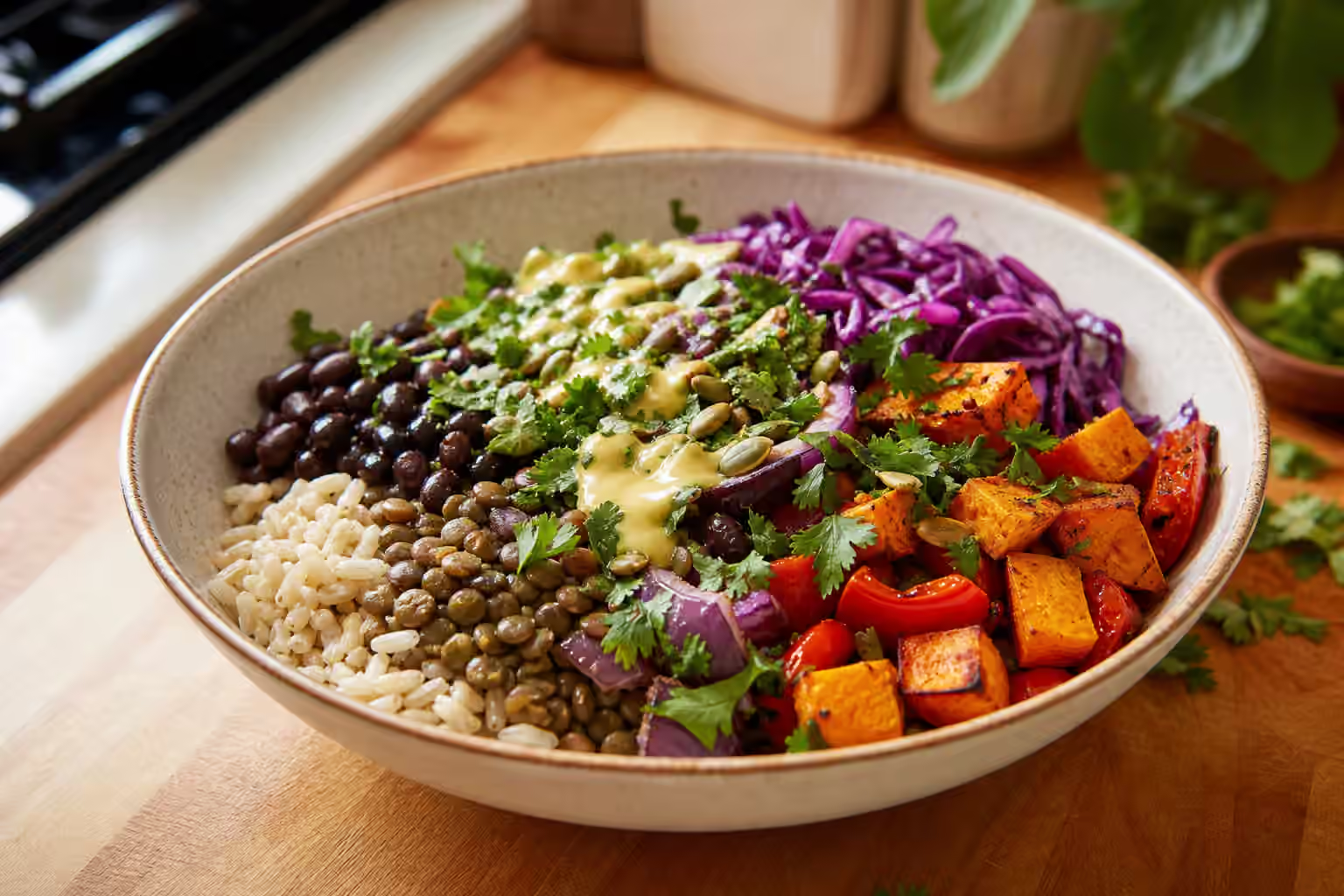
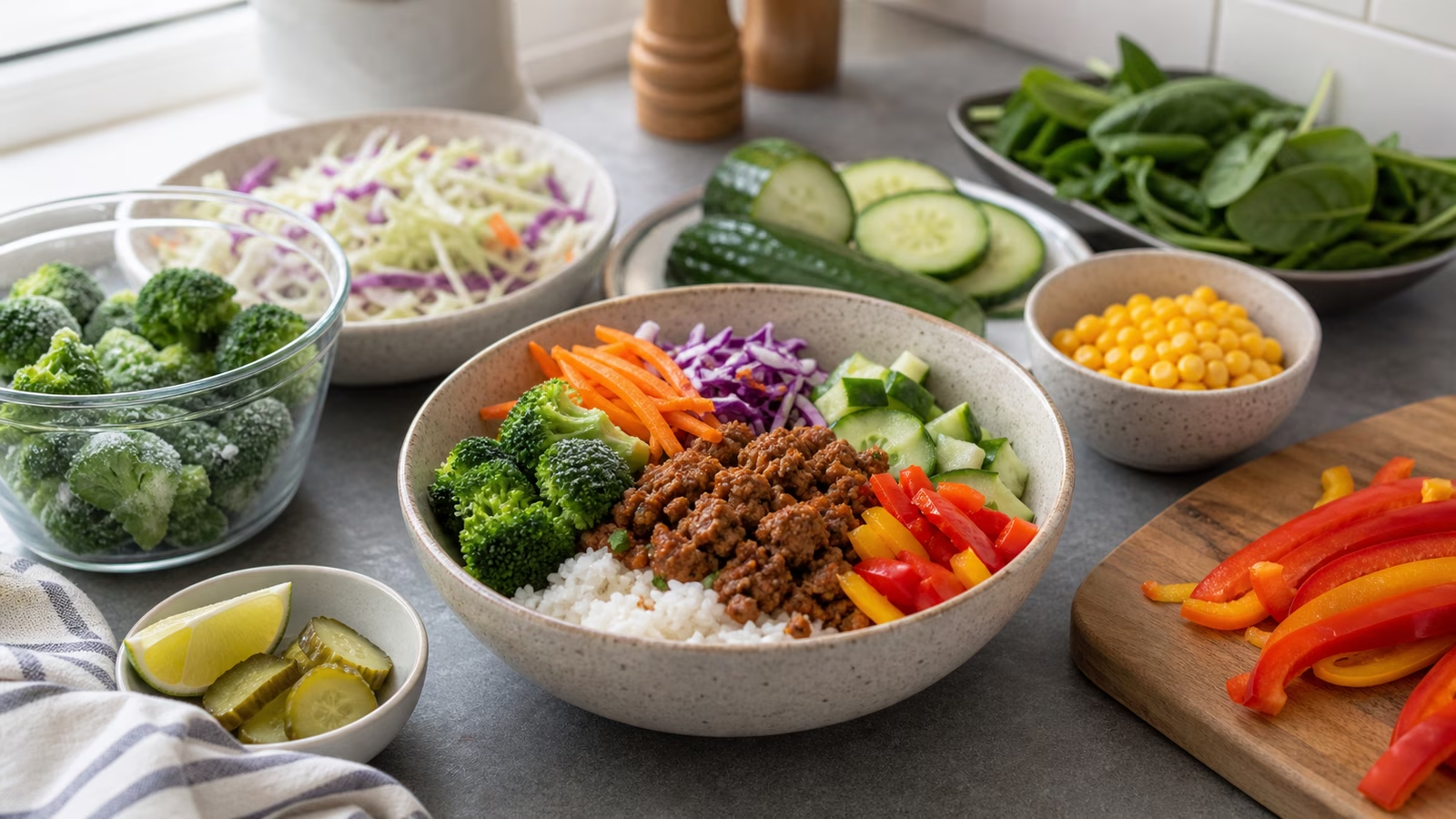
Cabbage is one of the most useful boy kibble ingredients because it solves the problem simple bowls create for themselves. Rice, ground meat, beans, potatoes, tofu, noodles, and reheated vegetables are practical, but they lean soft. Sauce helps, but sauce cannot create crunch after the bowl has already become a warm pile. Cabbage can. It is cheap, sturdy, widely available, and willing to sit in the refrigerator longer than delicate greens without turning into a guilt project.
Vegetables for Boy Kibble covers the broad vegetable system, but cabbage deserves its own lane because it is not only a vegetable. It is a texture tool, a freshness tool, a budget stretcher, a sauce carrier, and a meal-prep safety valve. A handful of shredded cabbage can make yesterday’s rice and beef feel less heavy. It can turn beans into a real bowl. It can protect a wrap from wet filling. It can make a low-cook dinner feel more assembled than dumped.
Slaw Is the Easiest Fresh Finish
Bagged slaw is not glamorous, which is part of its strength. It is already shredded, usually dry enough to use immediately, and neutral enough to follow several flavor lanes. A taco-ish bowl can take slaw with lime, salsa, hot sauce, or yogurt. A burger-ish bowl can take slaw with pickles and a mustardy sauce. A soy-ginger bowl can take slaw with rice vinegar, sesame, chili crisp, cucumber, or green onion. A Mediterranean-ish bowl can take slaw with lemon, herbs, yogurt, or tahini.
The point is not to dress slaw into a separate side dish every time. Most nights, it can be simpler than that. Put the hot base in the bowl, add the protein, then add cabbage cold. The heat softens the edges slightly while the center stays crisp. Sauce lands on the cabbage and spreads through the bite. The bowl feels fresher without another pan.
This is why slaw belongs next to Sauces and Toppings That Save Boy Kibble from Sadness . Sauce is more effective when there is something crisp to carry it. Hot sauce on rice disappears. Hot sauce on cabbage wakes up the whole bowl.
Cabbage Is Better Than Lettuce for Meal Prep
Lettuce is pleasant when the bowl is assembled and eaten immediately. It is less pleasant after sitting under hot rice or wet sauce. Cabbage is more forgiving. It can handle warm protein, stronger sauce, and a little time in a container. It still has limits, but its limits are kinder to real schedules.
This matters for packed lunches. If you put delicate greens directly under a hot base, they collapse before lunch. If you put cabbage beside or on top of the cooled base, it has a better chance of staying useful. Even when it softens, it often remains edible and structured rather than limp. That makes it a better default for people who pack bowls at night or assemble lunch in a hurry before work.
Packable Boy Kibble focuses on travel and containers, and cabbage fits that logic well. It does not need special handling beyond common sense. Keep very wet sauce separate when possible. Let hot food stop steaming before sealing it against raw slaw. Add the cabbage late if you want maximum crunch. When that is too much effort, cabbage still gives you a wider margin than lettuce.
Cut and Texture Change the Meal
The form of cabbage matters. Fine shreds behave like slaw and mix easily through rice, noodles, tacos, and wraps. Wider ribbons feel more like a vegetable and keep more bite. Thinly sliced red cabbage brings color and a peppery edge, but it can stain pale sauces and rice. Green cabbage is quieter and often more versatile. Napa cabbage is tender and good for soy-leaning bowls, though it is less durable. Pre-shredded slaw is the convenience choice, and convenience matters when it is the difference between using the vegetable and throwing away a whole head two weeks later.
Texture should match the rest of the bowl. If the base is rice with browned beef, fine slaw makes the bowl easier to eat. If the base is noodles with tofu, wider cabbage can keep the bite from becoming too uniform. If the meal is a wrap, smaller shreds are easier to fold. If the bowl is brothy, cabbage can be added at the end so it softens just enough without disappearing.
The texture lesson is the same one from Better Boy Kibble Texture . Crunch should not be an accident. It should be placed where the bowl needs contrast.
Cabbage Likes Acid, Salt, and a Little Patience
Raw cabbage can taste harsh if it is used straight from the bag with no help. It improves quickly with acid and salt. Lime, lemon, vinegar, pickle brine, rice vinegar, salsa, yogurt, hot sauce, mustard, or a spoonful of dressing can soften the edge and make the cabbage taste like part of the meal. You do not need a full slaw recipe. Even a brief toss while the rice reheats can change the bite.
Salt should be modest because the rest of the bowl may already have seasoned protein and sauce. The goal is to wake up the cabbage, not turn it into a salty side. Acid does most of the work. A cabbage finish with lime and a pinch of salt can make a beef bowl feel lighter. Cabbage with rice vinegar and sesame can make tofu or turkey feel more deliberate. Cabbage with pickle brine can make a burger-style bowl sharper without adding another condiment.
When the bowl is very rich, keep the cabbage bright. When the bowl is lean, give the cabbage a little fat through yogurt sauce, tahini, mayo-based sauce, sesame oil, or avocado if that fits the lane. Cabbage is neutral enough to support either move.
Cooked Cabbage Has a Different Job
Raw cabbage brings crunch. Cooked cabbage brings sweetness, body, and a softer vegetable layer. Both can belong in boy kibble, but they should not be treated as the same ingredient.
Cooked cabbage works well in skillet bowls, fried rice, noodle bowls, sausage-style bowls, and brothy bowls. It shrinks down, takes seasoning, and makes a small amount of protein feel bigger. If you cook it hard enough to brown at the edges, it brings a savory sweetness that can make a cheap bowl taste more cooked. If you barely steam it, it can taste flat and watery. Give it enough heat to lose excess moisture before packing it with rice.
Raw cabbage is usually better as the finish. Cooked cabbage is usually better as part of the base. The strongest bowls sometimes use both: cooked cabbage in the skillet for body, fresh slaw on top for snap. That may sound repetitive, but the two textures are different enough to make sense.
Use Cabbage to Stretch Without Making the Bowl Sad
Cabbage can make a bowl larger without making it heavier. That is useful when the meat portion is small, the beans are dense, or the rice would otherwise dominate. A cup of slaw can make a modest bowl feel generous because it adds water, crunch, and volume. It also makes every bite less dependent on the most expensive ingredient.
This connects to What to Buy for Boy Kibble: A Smart Grocery Guide . Good grocery overlap is not only about buying protein and starch. It is about buying one or two ingredients that keep showing up helpfully. Cabbage is one of those ingredients. It can appear in bowls, wraps, tacos, fried rice, noodle bowls, cold lunches, and leftover rescue meals.
The best cabbage system is simple. Keep a sturdy cabbage option around. Use it raw when the bowl needs crunch. Cook it when the bowl needs bulk. Give it acid so it tastes awake. Keep it away from steam when you need it crisp. Do that, and boy kibble stops relying on sauce alone to avoid boredom. The crunch is already waiting.