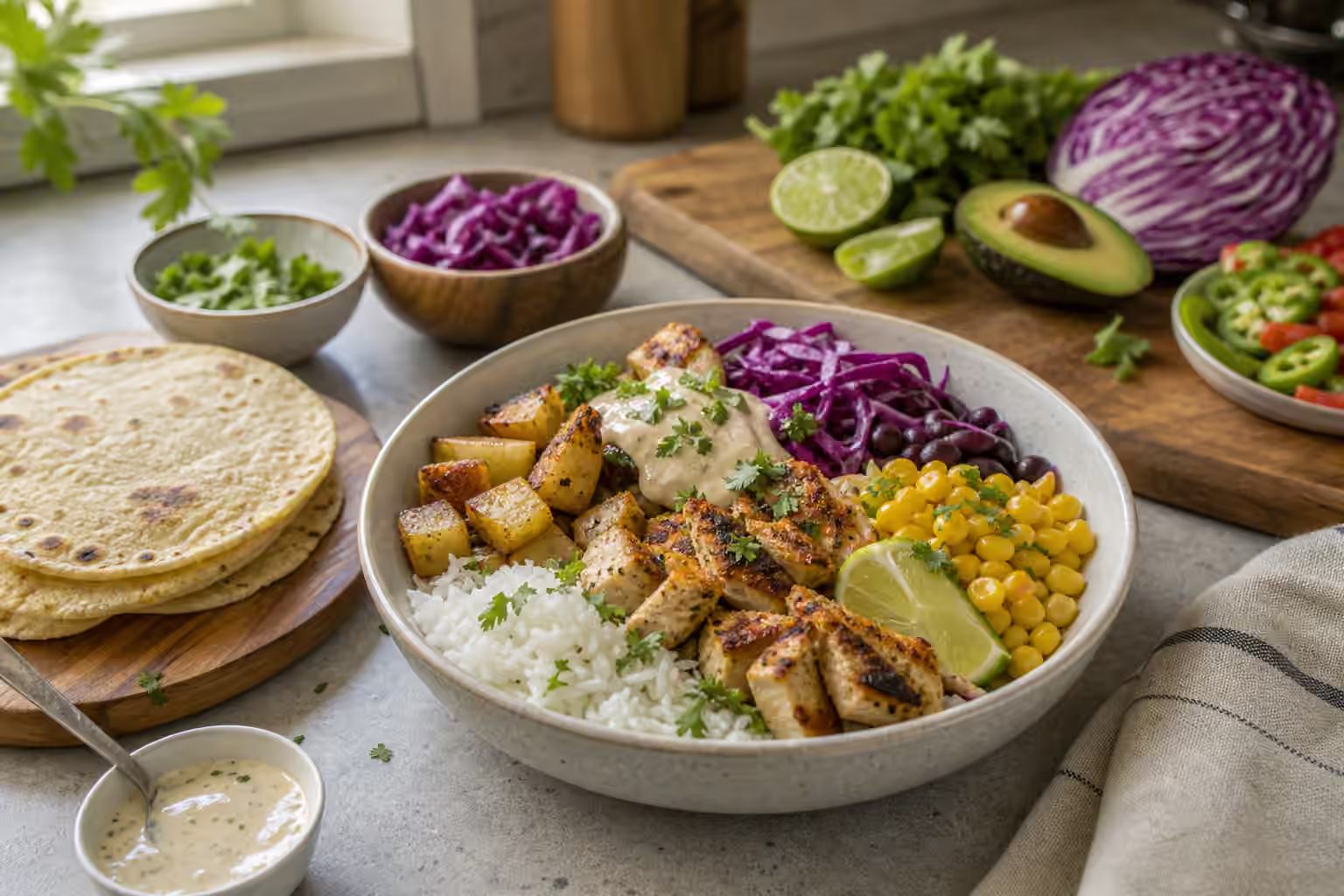
Burger bowl boy kibble works because it turns a familiar craving into a low-friction bowl without pretending the bun never mattered. The best version is not just ground beef over rice with ketchup. It is a bowl that understands what makes a burger satisfying: browned meat, salt, acid from pickles, freshness from lettuce or tomato, a creamy sauce, and enough starch to make the meal feel complete.
This lane fills a useful space between Ground Beef Boy Kibble and Tortilla Boy Kibble . It keeps the direct comfort of beef and starch, but it adds a sharp finish so the bowl does not become heavy. It also gives leftover ground meat a second life when another taco bowl or plain rice bowl sounds like too much repetition.
Brown the Beef Like It Matters
Burger flavor starts with browned beef. If the meat is gray, wet, and barely seasoned, no amount of pickles will make the bowl convincing. Spread the beef in the pan, let some moisture cook off, and give the crumbles enough contact with the hot surface to develop browned edges. Salt early enough that the meat tastes seasoned inside the bowl, not just sauced on top.
The seasoning can stay simple. Salt, black pepper, garlic powder, onion powder, mustard powder if you use it, or a splash of Worcestershire-style sauce can all fit the lane. You do not need to turn the beef into meatloaf. You need it to taste like the savory center of the bowl before the lettuce, pickles, and sauce arrive.
Lean beef can work if the sauce and finish provide moisture. Richer beef can taste better, but it also needs more acid and crunch so the bowl does not slump. That is the main difference between a burger bowl and an ordinary beef rice bowl. The finished meal should have lift. Pickles, mustard, tomato, lettuce, cabbage, onion, and a small creamy sauce are not extras. They balance the richness.
Choose Potatoes, Rice, or Both
Potatoes are the most burger-like base because they make the bowl feel close to a plate of burger and fries without requiring frying. Roasted cubes, skillet potatoes, or even microwave potatoes finished in a hot pan can all work. Potatoes also give the bowl a firmer bite than rice, which helps when the toppings are soft.
Rice is more convenient for meal prep. It catches beef juices and reheats predictably. It also makes the bowl cheaper and faster if rice is already part of your routine from Rice Cooker Boy Kibble . The risk is that beef and rice together can feel monotonous unless the cold finish is strong. If rice is the base, be more serious about pickles, lettuce, tomato, onion, or cabbage.
A mixed base can be useful when leftovers are low. A small amount of rice plus a handful of potatoes can make a bowl feel complete without cooking a full new starch. Potato Boy Kibble covers the potato side in more detail, but the practical rule here is simple: use potatoes when the bowl needs diner comfort, rice when the week needs storage, and both when the batch needs a little more body.
Treat Pickles as a Main Ingredient
Pickles are the reason this bowl works. They cut through beef, wake up potatoes, and make a creamy sauce taste intentional rather than heavy. A burger bowl without enough acid can taste like warm meat, starch, and mayonnaise. A burger bowl with pickles has direction.
The pickle does not have to be fancy. Dill chips, chopped spears, pickled onions, relish, banana peppers, or another sharp pickled vegetable can all work. What matters is that the acidic bite shows up in enough bites to matter. If you only add three tiny pickle pieces, the bowl will still feel heavy. If you chop pickles and scatter them through the top, the meal changes.
Pickle brine can also help sauce. A spoonful stirred into yogurt, mayo, mustard, or a blended sauce gives the finish more brightness. Be careful with salt because pickles and sauce can become loud quickly. The beef should be seasoned, the pickles should be sharp, and the sauce should connect them rather than shouting over both.
Lettuce Is Freshness, Not Filler
Lettuce, shredded cabbage, tomato, and onion make the burger bowl feel less like meal-prep beef. They bring water, crunch, and the sense that the bowl was assembled for eating rather than stored because it had to be.
Lettuce is best added after reheating, especially if the base is hot. Shredded iceberg, romaine, or greens can all work, but they should not be sealed in a hot container with beef unless you are intentionally building a wilted bowl. Cabbage is sturdier and survives packing better. Tomato is useful when it is good, but it can make rice wet if packed too early. Onion gives the bowl bite, and a small amount goes a long way.
This is the same texture logic from Better Boy Kibble Texture . The base can be soft and warm, but the finish needs contrast. Burger bowls make that obvious because the fresh parts are part of the reference point. Without them, the bowl becomes beef meal prep with a costume.
Make Sauce That Connects, Not Drowns
A burger-style sauce can be as simple as yogurt or mayo with mustard, ketchup, pickle brine, garlic powder, and hot sauce. It should be thick enough to cling and sharp enough to balance the beef. If the sauce is too sweet, the bowl can taste flat. If it is too thin, it sinks into the rice or potatoes and disappears.
Yogurt makes a lighter sauce that still has body. Mayo gives a richer finish and can be useful when the beef is lean or the potatoes are dry. Mustard adds direction. Hot sauce adds edge. Pickle brine adds acid. A small amount of ketchup can fit the burger lane, but it should not become the whole sauce unless that is the flavor you actually want.
Keep sauce separate for packed lunches when possible. A burger bowl assembled hot with sauce, lettuce, tomato, and pickles may taste good immediately, but it can become soggy later. For meal prep, store beef and base together, keep the crisp finish separate, and add sauce after reheating. How to Meal Prep Boy Kibble Without Hating It by Wednesday is the larger rule set behind that move.
Use Eggs When the Batch Runs Low
Burger bowls are friendly to eggs. A fried egg over beef, potatoes, pickles, and sauce can turn a small portion into dinner. Scrambled eggs can stretch leftover beef into breakfast. A jammy egg can make a rice bowl feel richer without adding more meat. The point is not to force breakfast into every bowl. It is to have a backup protein that fits the lane when the original batch is almost gone.
Egg Boy Kibble explains that rescue role more broadly. In a burger bowl, eggs work because they share the same comfort-food space as beef and potatoes. They also help when the last container has too much base and not enough protein. Add pickles and sauce, and the leftover starts to feel planned again.
When the Burger Bowl Is the Better Move
Burger bowl boy kibble is strongest when you want comfort without ordering out, when ground beef is already cooked, or when potatoes and pickles are sitting in the kitchen with no clear plan. It is also useful for people who like simple beef bowls but need more freshness and acid to keep them repeatable.
It is less ideal when you need a delicate cold lunch or a very light meal. The flavors are direct. They want crunch and acid, but they are still built around beef, starch, and creamy sauce. That is fine. Not every bowl needs to solve every appetite.
The practical version is clear: brown the beef properly, choose a base that matches the week, use pickles generously, protect the lettuce, and make a sauce that connects the bowl instead of flooding it. When those pieces are in place, burger bowl boy kibble becomes one of the most reliable ways to turn a familiar craving into a repeatable meal that still feels like dinner.