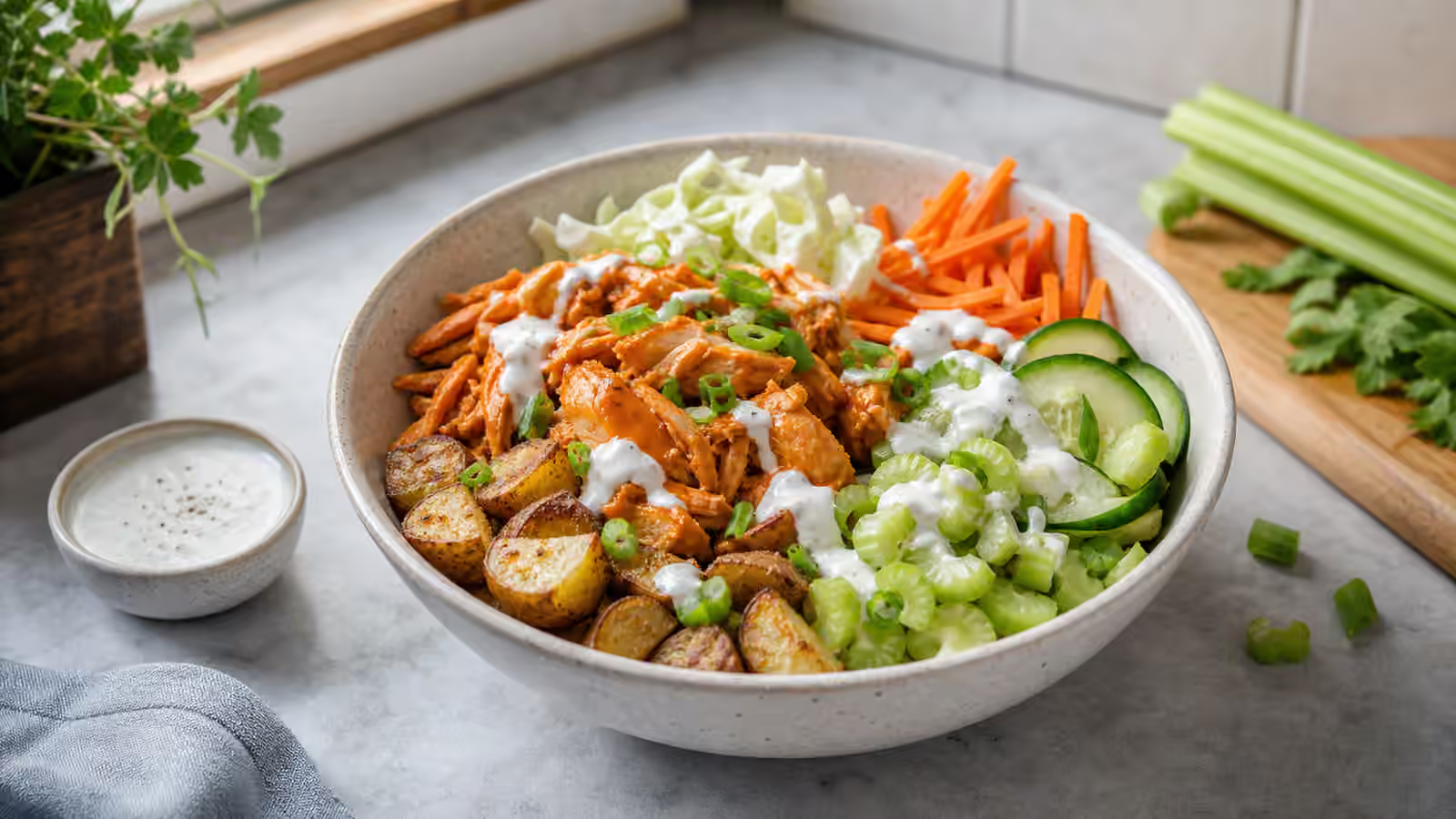
Buffalo-style boy kibble is useful because it gives a simple bowl an immediate personality. Hot sauce brings brightness and heat. A little fat gives the sauce body. Crisp vegetables cool the bite. A creamy finish keeps the meal from becoming a dare. The flavor is familiar enough that it does not require a recipe search, but it still needs balance if the bowl is going to work for lunch, leftovers, or a normal weeknight dinner.
The easy version is chicken, rice, hot sauce, and something white on top. That can be fine once. It gets tiring fast. A better version treats the heat as one part of the bowl, not the entire identity. Better Boy Kibble Texture explains why repeated bowls need contrast, and Buffalo-style bowls prove the point quickly. Without crunch and cooling sauce, the bowl becomes hot, soft, salty, and exhausting.
Build Heat on a Stable Base
Hot sauce does not fix a weak bowl. It exposes one. If the rice is dry, the chicken is overcooked, and the vegetables are limp, heat only makes the rough edges louder. Start with a base that can handle moisture and a protein that will not punish reheating. Rice is the simplest choice because it absorbs sauce and softens the sharpness. Potatoes work well when they are roasted or skillet-browned. Tortillas can turn the same components into wraps or quesadillas. Greens can help, but a greens-only base may collapse under hot sauce unless there is enough protein and starch to hold the meal.
This is where Boy Kibble Bases is worth reading before the flavor lane becomes automatic. Buffalo-style bowls want a base that can absorb, not disappear. Fresh rice works. Day-old rice works if it is reheated with a splash of water. Roasted potatoes work if they keep some edge. Noodles can work, but they shift the bowl toward a saucier, heavier meal and need more cold crunch.
The sauce should be added in stages. Season the protein first with salt, garlic powder, pepper, and a little onion powder if you like that profile. Then add hot sauce near the end, when the protein is already cooked or reheated. A small amount of butter, oil, yogurt, or a creamy sauce can round off the heat, but the bowl should not become greasy. The point is not wing sauce cosplay. It is a practical bowl with heat, texture, and enough structure to stay pleasant.
Use Chicken, Tofu, or Chickpeas With Intention
Chicken is the obvious protein, but it is not the only one. Chicken breast works when it is kept moist and sliced or shredded into sauce rather than hammered in a dry pan. Chicken Breast Boy Kibble is useful if lean leftovers often disappoint you. Chicken thighs are more forgiving and can take reheating better, especially when the sauce is added after warming. Rotisserie chicken can work too, but it should be refreshed with sauce and crisp vegetables rather than treated as finished.
Tofu is a good Buffalo-style protein when it is browned first. Pressing helps, but even a quick pat dry and a hot skillet can make the surface more interesting. Sauce should come after browning. If tofu simmers too long in hot sauce, it loses the contrast that made it useful. Tofu Boy Kibble covers the broader texture problem, and the same lesson applies here: dry surface first, sauce second, crunch at the end.
Chickpeas deserve more use in this lane. They can be warmed with hot sauce, roasted until firmer, or mashed slightly into rice and slaw. They stretch chicken without making the bowl feel cheap, and they give vegetarian bowls more substance than sauce over rice. If they taste flat, the issue is usually not the chickpeas. It is a lack of salt, acid, and texture. Hot sauce brings acid, but the bowl still wants celery, cabbage, cucumber, carrots, or pickles.
Let Celery and Cabbage Be More Than Decoration
Buffalo-style flavor depends on the cooling side as much as the heat. Celery is not there only because it belongs near wings. It brings clean crunch and a watery freshness that hot sauce needs. Cabbage does similar work with more staying power. Carrots add sweetness and color. Cucumber makes the bowl feel lighter. Scallions or herbs bring a sharper aroma without requiring another cooked ingredient.
Cabbage and Slaw Boy Kibble is especially relevant here because a slaw base can make a spicy bowl feel like food instead of a sauce delivery system. A small slaw with cabbage, carrot, celery, and a little yogurt or vinegar can sit cold against hot rice and sauced protein. The temperature contrast is part of the appeal. If everything is stirred together while hot, the fresh vegetables soften and the bowl loses its best feature.
Packed lunches need separation. Keep the sauced protein and base together if that makes reheating easier, but add the cold crunch after. If the bowl will be eaten cold, keep the sauce lighter and use enough crisp vegetables to prevent a dense container of rice and chicken from feeling tired. Packable Boy Kibble Lunches gives the same advice in a broader lunch context: protect the parts that need to stay crisp.
Make the Cooling Sauce Earn Its Place
A cooling sauce should do more than cover heat. Plain yogurt with garlic, lemon, salt, and pepper can work. A tahini-yogurt mix can work. A little mayo blended with yogurt can work if the bowl needs richness. Blue cheese or ranch-style flavors can work for people who like them, but the sauce should still fit the bowl rather than sit on top like a separate snack.
Cheese and Yogurt in Boy Kibble explains the broader creamy lane. Buffalo-style bowls need that creaminess because heat without relief becomes monotonous. The sauce also helps dry proteins. Chicken breast, tofu, and chickpeas all become easier to eat when there is a cool, tangy element that connects them to rice and vegetables.
The sauce should usually stay cold. Mixing it into a hot skillet can make it split, dull, or disappear. Add it at the bowl. If the bowl is packed, use a small separate container or add the sauce after reheating. If separate containers are too annoying, use a thicker slaw dressing that can sit with the vegetables and still cool the heat when everything comes together.
Control Salt and Smell
Hot sauce can be salty. Store-bought cooked chicken can be salty. Cheese can be salty. Pickles can be salty. A Buffalo-style bowl can become too sharp before it becomes satisfying. Taste the protein before adding more seasoning, especially if the sauce is already strong. Add rice, potatoes, cabbage, cucumber, or beans when the bowl needs softening. Add acid only if the heat tastes flat rather than already sharp.
Smell matters too, especially in shared kitchens and offices. Buffalo-style bowls can be office-friendly if the heat is controlled and the protein is not aggressively reheated with sauce until it steams up the room. Warm the base and protein gently, then sauce and finish. Low-Odor Boy Kibble is useful if your meals need to coexist with other people. Heat can be exciting without becoming a room announcement.
The most repeatable version is not the hottest version. It is the one you can eat twice without regret. Rice or potatoes, a protein that stays moist, crisp celery or cabbage, a cooling sauce, and enough hot sauce to wake everything up will beat a bowl that tries to win by force.
Keep It Flexible
The same components can move around the week. Sauced chicken and rice can become a cold slaw bowl. Chickpeas and potatoes can become a heavier dinner with yogurt sauce. Tofu, cabbage, cucumber, and rice can become a spicy lunch that does not need a microwave. Leftover Buffalo-style protein can go into a tortilla, onto a potato, or beside eggs if the flavor is kept balanced enough.
That flexibility is why this lane fills a real gap in the Boy Kibble shelf. It is not just another sauce idea. It is a lesson in managing intensity. Strong heat only works when the bowl gives it somewhere to go. Keep the base sturdy, the protein moist, the crunch cold, and the sauce cool. Then Buffalo-style boy kibble becomes a reliable weeknight option instead of a one-night craving that leaves the next container untouched.