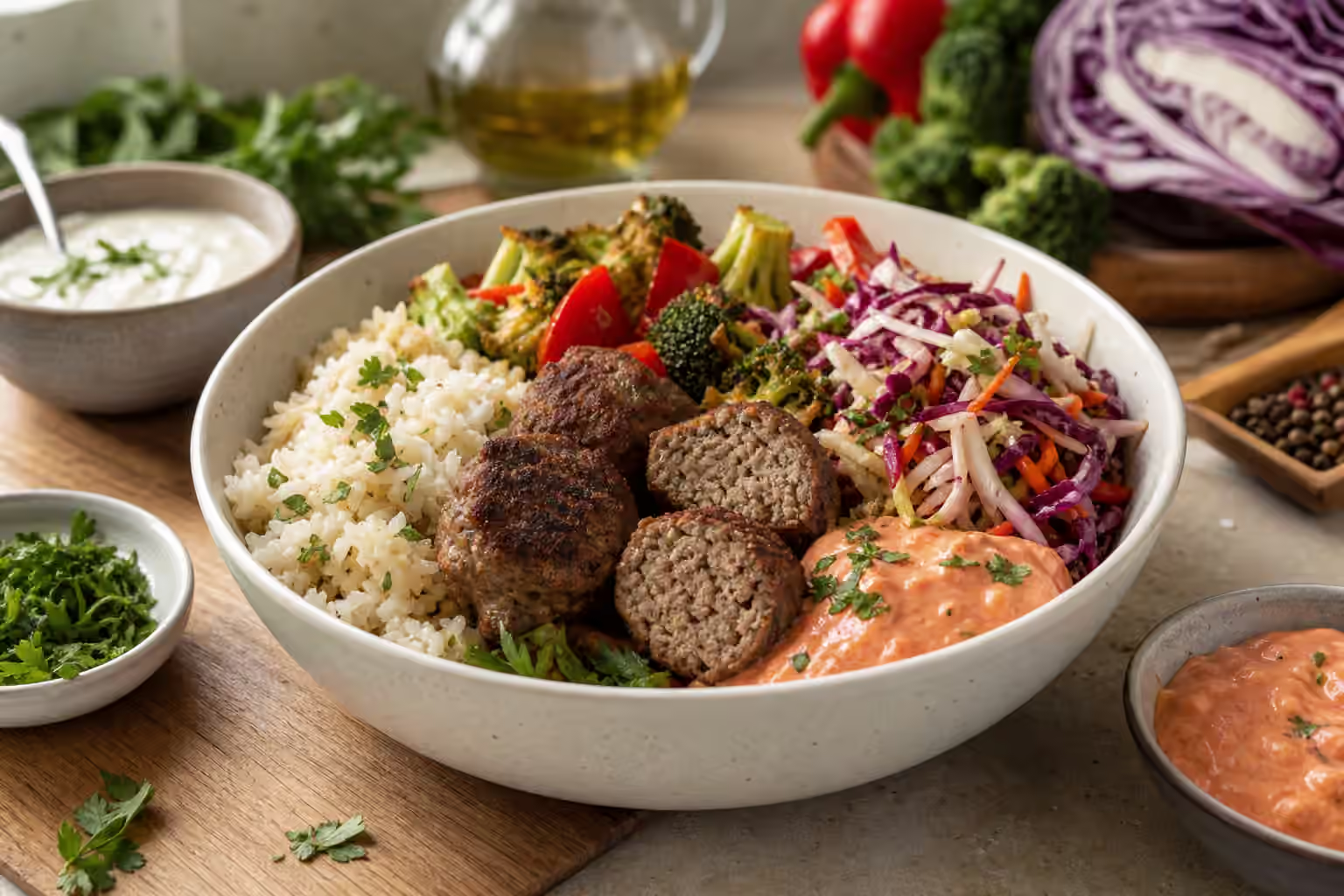
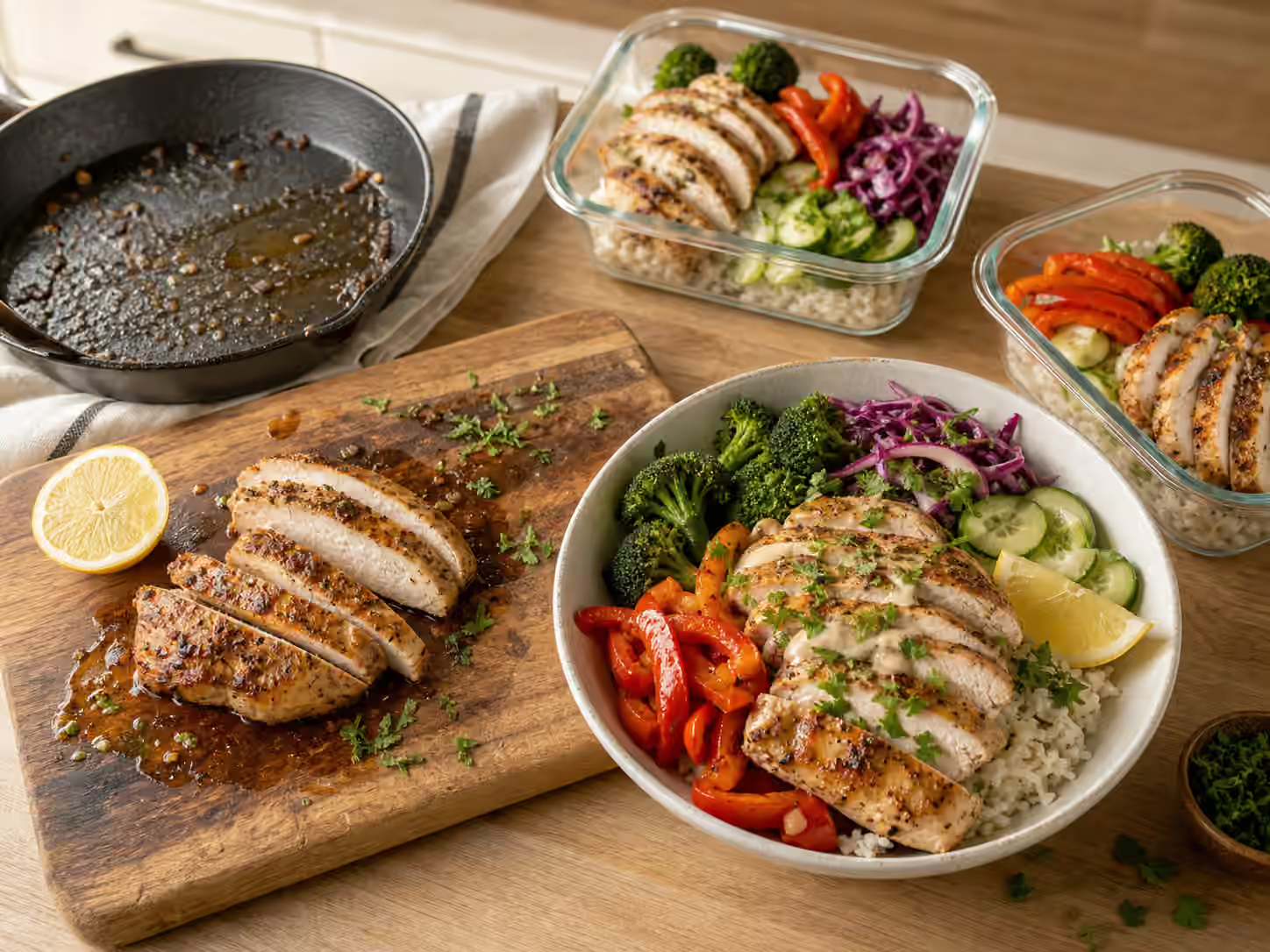
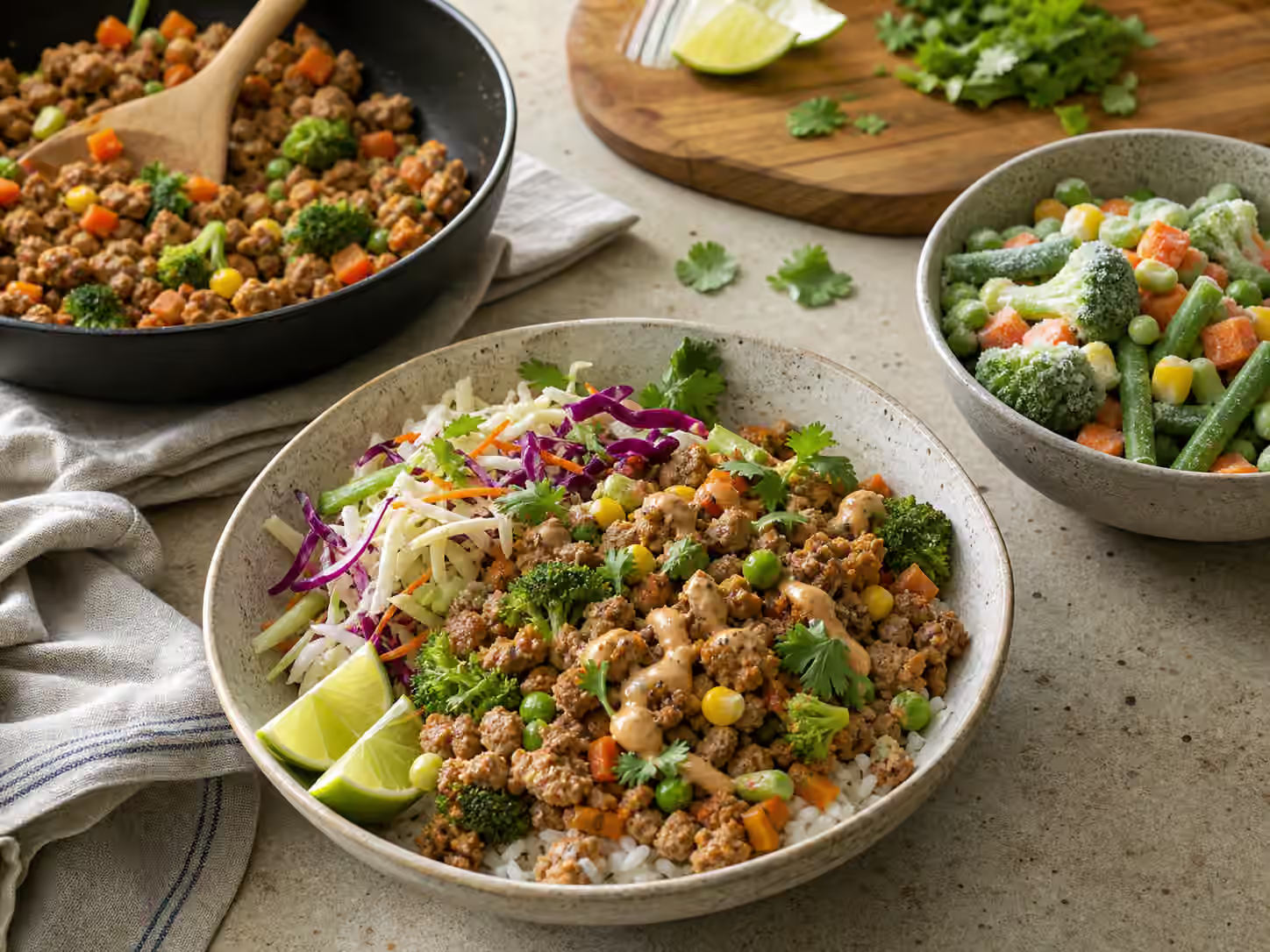
Budget boy kibble is not about chasing the cheapest possible bowl until dinner feels like a dare. The useful version is quieter than that. It is about making the expensive ingredients work harder, buying groceries with more exits, and keeping enough texture and flavor in the bowl that saving money does not become the same thing as eating sad food.
The basic boy kibble formula already has a budget advantage because rice, potatoes, beans, eggs, frozen vegetables, cabbage, and ground meat can all become repeatable meals. The problem is that the cheap version can collapse into a pile of starch with a little protein hiding on top. A better budget bowl still has a clear anchor, a base that makes sense, a plant that changes the bite, and a sauce or finish that keeps the meal from tasting like austerity.
If you are building the grocery side from scratch, start with What to Buy for Boy Kibble . That guide covers the wider cart. This one focuses on what happens when cost matters enough that every ingredient needs a job.
Start With the Costliest Ingredient
Most budget bowl planning should begin with the protein because it is usually the part that changes the total cost most quickly. The mistake is treating protein as an all-or-nothing decision. A pound of meat does not have to be either four meat-heavy bowls or one small luxury item stretched beyond recognition. It can become the anchor for a larger batch when beans, lentils, eggs, vegetables, and the right base share the work.
Ground beef has enough richness to carry a bowl even when the portion is smaller, but it can feel heavy if it is the only point of interest. Ground turkey or chicken may need more seasoning and moisture, but it can spread cleanly through rice, beans, cabbage, and vegetables. Eggs are not only breakfast backup. They can turn the end of a batch into dinner when the original protein is running low. Tofu and beans can be the main protein, but they need browning, seasoning, acid, and texture so they do not feel like the punishment option.
That is why Choosing Protein for Boy Kibble is a budget guide even though it is not only about money. The cheapest protein for a week is not always the one with the lowest sticker. It is the one you will actually finish, reheat, and repurpose without ordering something else on day three.
Stretch Meat Without Making It Disappear
The best stretch ingredients do not hide the protein. They make it feel like part of a complete meal. Beans are the obvious move because they add body, moisture, and enough chew that a smaller amount of meat can still feel generous. Black beans with taco-seasoned beef, lentils with turkey, chickpeas with chicken, and pinto beans with pork or eggs all work because the legumes take seasoning and hold sauce.
The trick is to season the stretch ingredient as seriously as the meat. If beans are added cold and plain, the bowl tastes like meat was diluted. If they spend a few minutes in the pan with salt, garlic, chili powder, cumin, soy sauce, tomato paste, or whatever lane the meal is using, they become part of the dish. Beans and Lentils for Boy Kibble gives that lane more room, but the basic rule is simple: stretch with ingredients that carry flavor, not with filler that sits silently underneath.
Vegetables can stretch a batch too, but they do it differently. Cabbage, frozen broccoli, corn, peas, carrots, spinach, and peppers change the size and texture of the bowl. They make the meal look and feel fuller without requiring the protein to cover every bite. The most useful budget vegetable is the one you will use before it spoils. Frozen vegetables are often better than ambitious fresh vegetables that never leave the drawer.
Let the Base Support the Budget
Rice is the classic base because it is cheap, neutral, and easy to batch. It also becomes boring when it is asked to do every job. A budget bowl over rice needs enough seasoning, sauce, and texture to keep the rice from tasting like the main event by accident. The rice should carry the meal, not bury it.
Potatoes are useful when dinner needs to feel more substantial. Roasted or skillet potatoes can make a smaller amount of protein feel like a full plate, especially with pickles, cabbage, yogurt sauce, hot sauce, or a fried egg. Beans can be base and protein support at the same time. Tortillas can turn the same cooked components into a wrap or quesadilla, which matters when another bowl would make you resent the leftovers. Noodles can make a cheap batch feel more like comfort food, but they need sauce and moisture so they do not turn dense in the fridge.
Boy Kibble Bases is useful here because the cheapest base is not always the best base for the week. If the protein is rich, rice or greens may balance it. If the protein is lean, potatoes or beans may make the meal feel more satisfying. If boredom is the real budget threat, tortillas or noodles may save the batch from becoming takeout bait.
Buy Groceries With Exits
A budget cart should not depend on one exact recipe going perfectly. It should have exits. Rice can become a bowl, fried rice, brothy leftovers, or a quick base for eggs. Beans can stretch meat, become the main protein, or thicken a soupier bowl. Cabbage can be raw crunch, skillet bulk, wrap structure, or a late fresh topping. Eggs can be breakfast, backup protein, fried-rice glue, or the thing that makes a small leftover portion feel finished.
This is where shopping for overlap matters more than shopping for novelty. A sauce that only works with one planned bowl is less useful than salsa, yogurt sauce, soy sauce, hot sauce, mustard, chili crisp, or another finish that can move between meals. A vegetable that works raw and cooked has more value than one that only fits a single idea. A protein that can become rice bowls, wraps, potatoes, eggs, and leftovers is usually safer than a specialty item that needs one fragile plan.
Pantry backup matters too. Pantry Boy Kibble exists because the cheapest food is not cheap if the plan collapses and you order dinner instead. Canned beans, tuna, rice, noodles, tortillas, shelf-stable sauces, pickles, and frozen vegetables can turn a bad night into a real meal. The backup does not need to be exciting. It needs to be edible enough that future you can use it without negotiation.
Spend Flavor Where It Counts
Budget meals often fail because all the money goes into the protein and none of the attention goes into flavor. Seasoning is cheaper than boredom. Salt, garlic powder, chili powder, cumin, black pepper, curry powder, dried herbs, soy sauce, vinegar, mustard, salsa, hot sauce, and yogurt can give cheap ingredients a direction. They do not need to all appear at once. They need to create a lane.
A small amount of well-seasoned beef with rice, black beans, cabbage, and salsa can feel fuller than a larger amount of plain beef and rice. Turkey with lentils, garlic, tomato paste, and yogurt sauce can feel more intentional than turkey drowned in one bottled sauce. Eggs over potatoes with pickles and hot sauce can feel like dinner instead of a compromise. The point is not to make cheap food taste expensive. The point is to make it taste cooked.
How to Season Boy Kibble Before the Sauce Goes On matters especially when money is tight because sauce alone can become expensive and repetitive. Season the base while it is hot. Let beans, vegetables, rice, and protein share the same direction. Then finish with a smaller amount of sauce that adds brightness, creaminess, heat, or crunch instead of doing all the work.
Protect the Last Two Portions
The end of a budget batch is where good intentions often fail. The first bowl tastes fine because it is fresh and plentiful. The last container is where the rice is firm, the protein is uneven, the vegetables are tired, and every bite reminds you that this was supposed to save money. Protecting those last portions is part of the budget plan.
Keep at least one fresh or crisp element separate. Slaw, cabbage, cucumber, pickles, scallions, herbs, crushed chips, toasted seeds, or even a handful of greens can change the final bowl more than another spoonful of sauce. Keep one format change available. A tortilla can turn leftovers into a quesadilla. A skillet can turn cold rice into fried rice. A splash of broth or a quick sauce can move the bowl toward Brothy Boy Kibble when the base is dry.
It also helps to avoid making the entire batch taste exactly the same on day one. A neutral but seasoned base gives you room to steer the leftovers. If all four portions are already drowned in one sauce, the future meals have fewer exits. If the base is seasoned, moist, and packed with some separation, you can change the finish as the week goes on.
Cheap Should Still Feel Like Dinner
A good budget boy kibble routine should feel sturdy, not grim. It should use rice, beans, eggs, frozen vegetables, cabbage, potatoes, tortillas, and simple sauces because they work, not because the meal has surrendered. The bowl still needs contrast. It still needs enough protein to feel anchored. It still needs seasoning before sauce. It still needs a way to become something slightly different before boredom wins.
The practical goal is not the lowest possible cost per bite. It is a repeatable dinner system that keeps waste low, uses the groceries you already bought, and gives you a reason to eat the last portion. When the batch stretches without feeling thin, the budget part becomes almost invisible. You are just eating a simple bowl that did its job.