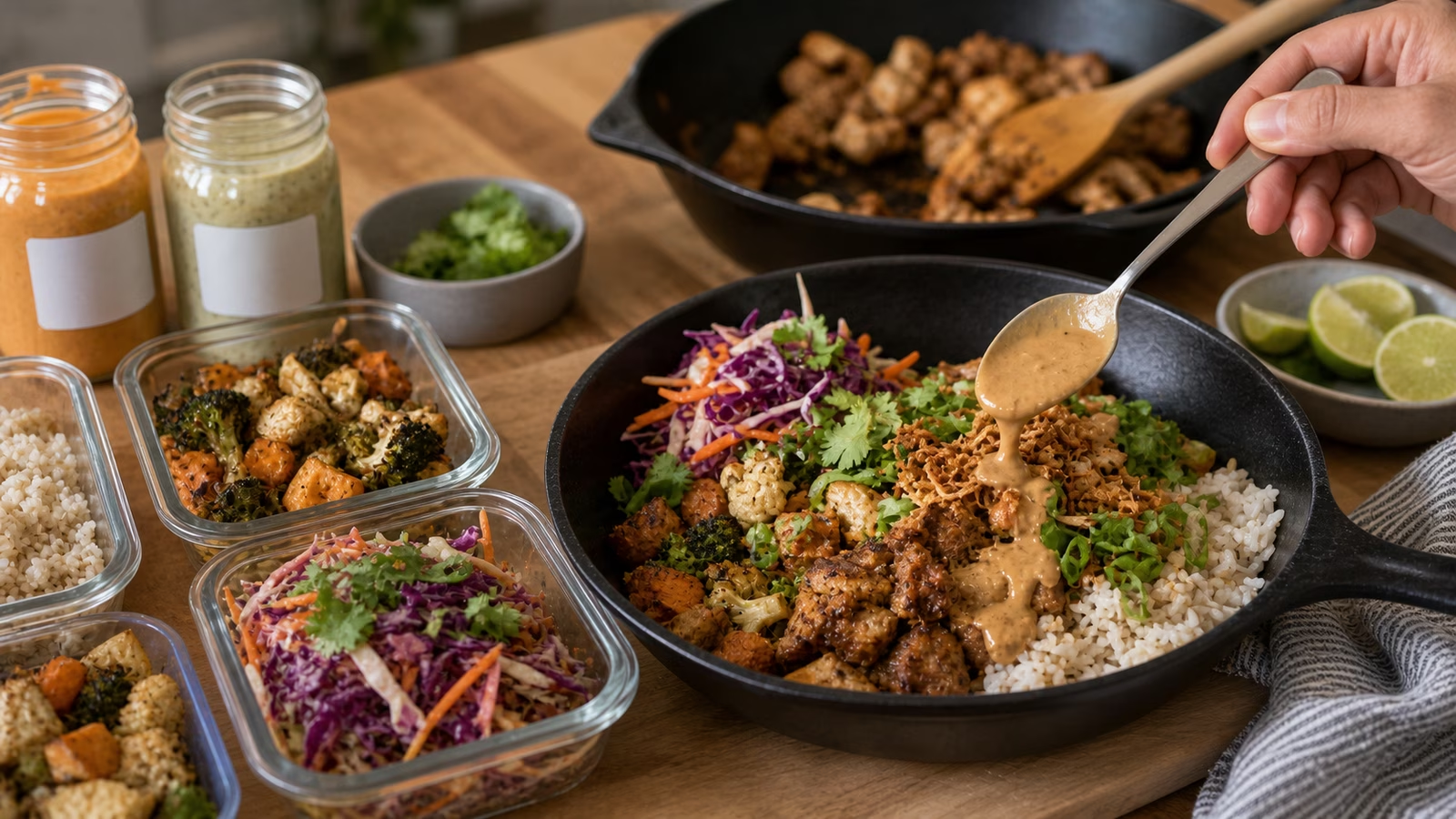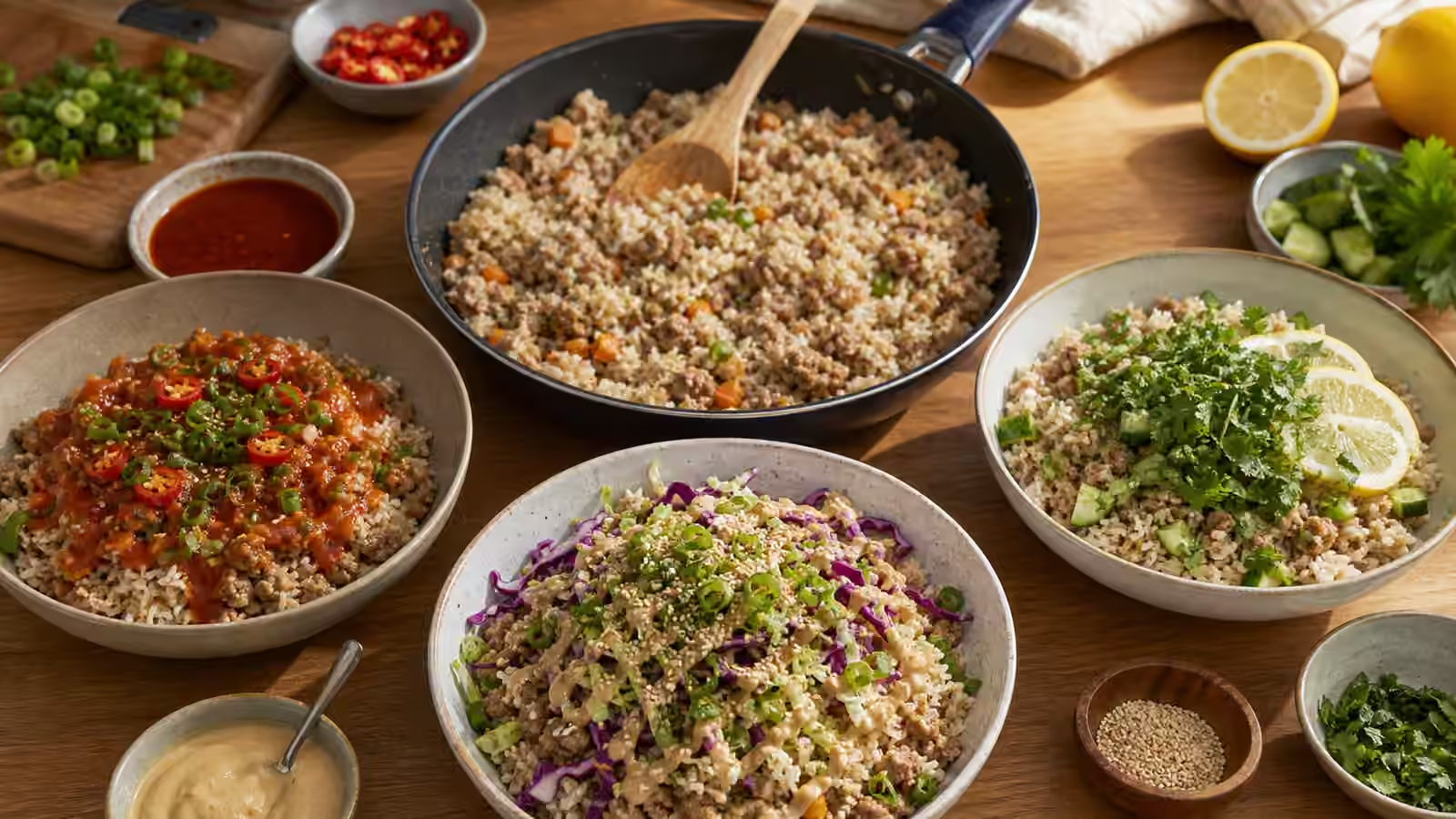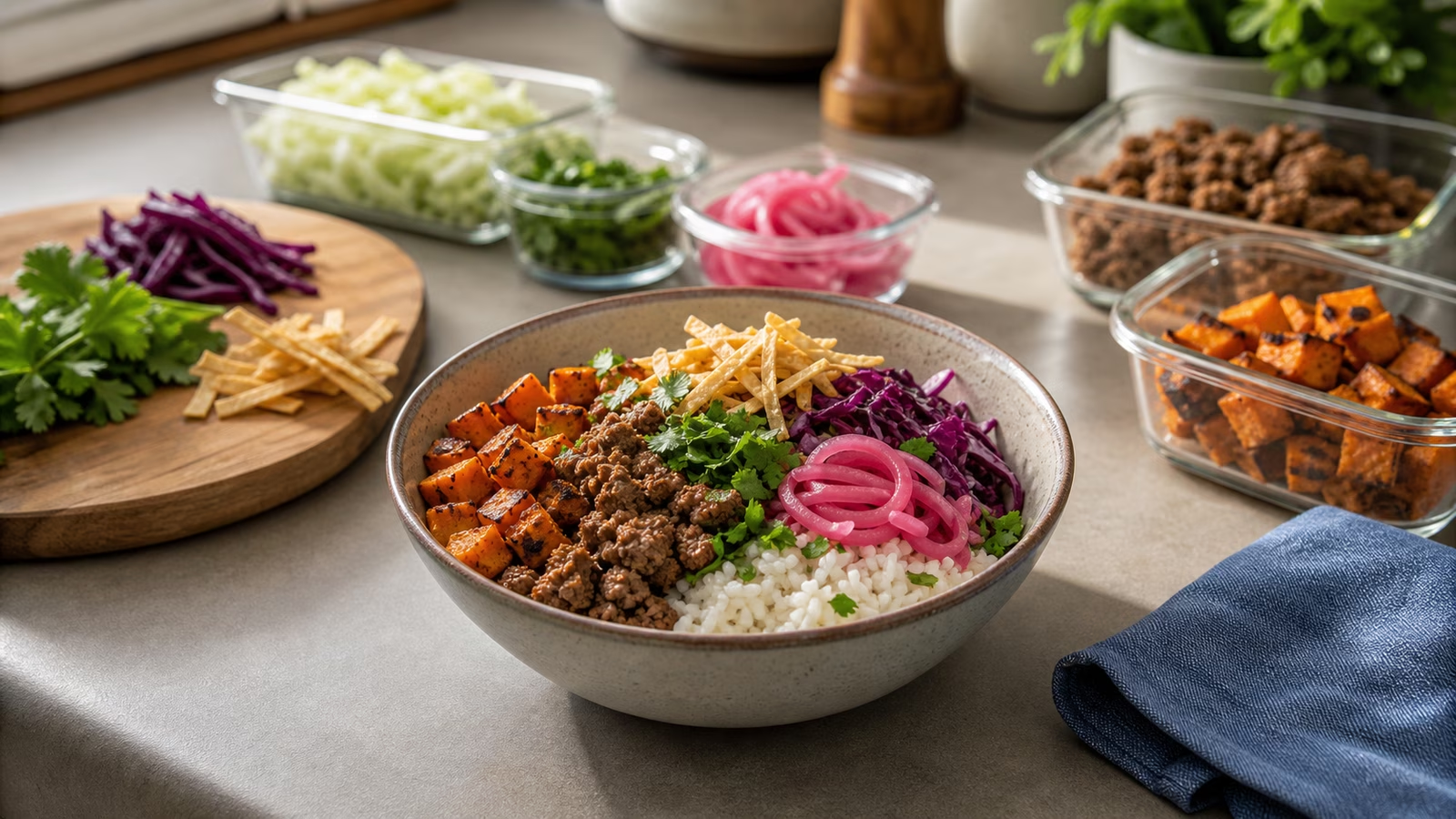
The problem with many boy kibble bowls is not that they are simple. Simple is the whole point. The problem is that they become one texture. Warm rice, soft meat, soft vegetables, soft sauce, and a lid snapped onto a container can turn a decent meal into something that feels more like refueling than eating.
Texture is what makes repeat food survivable. It is the difference between a bowl you eat because it is there and a bowl you look forward to at six o’clock. It does not require restaurant technique. It usually requires one hot thing, one fresh thing, one crisp thing, one sauce that actually coats, and enough contrast that your mouth does not get bored halfway through dinner.
This is especially important for meal prep. Freshly cooked food has steam, edges, aroma, and movement. Stored food loses some of that. Rice firms up. Protein dries slightly. Roasted vegetables soften. Sauces thicken or separate. The answer is not to abandon prep. The answer is to design the bowl so it can be revived.
Browning Does More Than Add Flavor
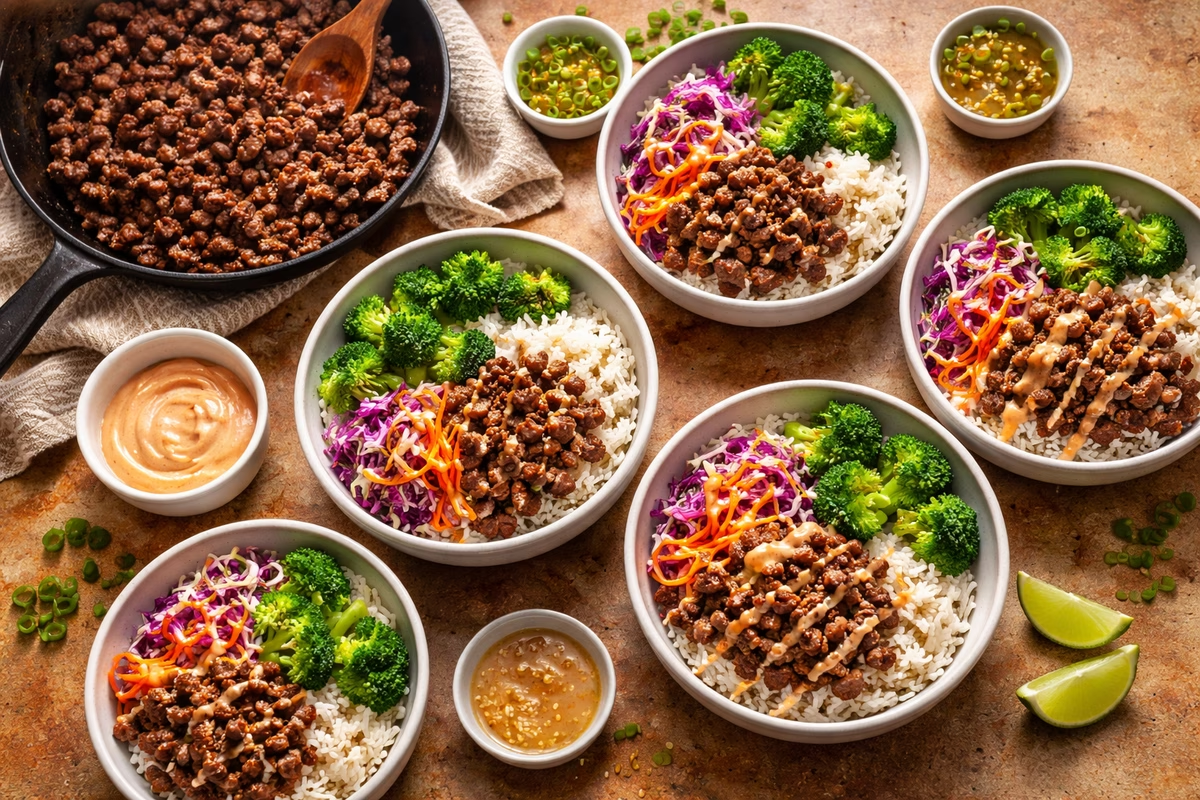
Browning is the first texture upgrade because it changes both taste and feel. Ground meat that has been crowded into a wet pan and stirred constantly may be safe, but it often tastes flat and crumbly. Ground meat that gets a little time in contact with hot metal develops browned edges and deeper flavor. The same is true for tofu, mushrooms, potatoes, chickpeas, and many vegetables.
The practical move is to let the pan do its work before you drown the food in sauce. Heat the pan, add enough oil to prevent sticking and carry flavor, spread the protein or vegetables out, and let them sit long enough to color. You are not trying to char dinner into toughness. You are trying to create edges. Edges are what keep a bowl from tasting like everything was steamed in the same container.
This matters even more when the bowl has rice or another soft base. Rice is comforting, cheap, and useful, but it is not exciting by itself. If the protein also lacks texture, the whole bowl collapses into sameness. A little browning gives the base something to hold.
For people who cook in bulk, browning may feel slower than dumping everything in at once. It is slower for a few minutes and faster for the rest of the week, because leftovers with real flavor need less rescuing. A bland batch demands daily negotiation. A browned batch only needs a finish.
Freshness Should Be Built In Late
Fresh ingredients are often wasted when they are treated like cooked ingredients. Shredded cabbage, cucumber, herbs, scallions, raw peppers, pickled onions, lime, lettuce, and crisp carrots usually do their best work at the end. They bring water, crunch, brightness, and temperature contrast. If they sit under hot food for too long, they become tired. If they are packed directly into a hot meal prep container, they wilt before they ever reach lunch.
This is why the best boy kibble system often separates the cooked base from the fresh finish. The cooked part can be plain and sturdy: rice, potatoes, pasta, beans, meat, tofu, roasted vegetables. The fresh part can be quick: a handful of slaw, chopped herbs, pickles, salsa, cucumbers, or whatever vegetable still has some snap.
You do not need a salad bar in the fridge. You need one or two fresh elements that can survive your week. Cabbage lasts longer than delicate lettuce. Scallions wake up many bowls. Pickled onions make cheap food feel sharper. Cucumbers add coolness. Cilantro, parsley, dill, or mint can change the whole direction of a bowl with almost no effort.
Freshness is not a moral decoration. It is part of the eating experience. A bowl with something cold and crisp beside something hot and savory feels more complete, even when the ingredients are ordinary.
Crunch Is a Legitimate Ingredient
Many people treat crunchy toppings as extra, but they can be the thing that makes repetition work. Toasted sesame seeds, crushed tortilla chips, roasted peanuts, fried onions, crisp chickpeas, toasted breadcrumbs, pumpkin seeds, and even a small handful of cereal-like crunch can save a bowl from softness. The trick is to add them at the end, not before storage.
Crunch does not have to be expensive. A bag of peanuts can rescue rice bowls for weeks. Tortilla chips can turn beans, eggs, rice, and salsa into a meal that feels finished. Toasted breadcrumbs with garlic and oil can make vegetables feel less like obligation. Seeds add texture without demanding prep.
The only mistake is pretending crunch will survive steam. If you seal crunchy toppings inside a hot container, they surrender. Keep them separate until eating. This small act can make packed lunches feel less like leftovers and more like assembled food.
A good bowl is not only about nutrients. It is about attention. Crunch tells your brain that the meal was finished on purpose.
Sauce Needs a Job
Sauce can rescue boy kibble or ruin it. A good sauce brings moisture, salt, acid, fat, heat, or sweetness in a way that matches the bowl. A bad sauce is just wetness. If the bowl already has soft rice and soft protein, too much thin sauce can turn everything into a paste. If the bowl is dry, too little sauce leaves each bite separate and unfinished.
The useful question is what the sauce is supposed to do. Yogurt sauce cools and softens spice. Salsa brings acid and moisture. Soy-based sauces add salt and depth. Hot sauce adds sharp heat but may need fat or sweetness beside it. Tahini brings body. Peanut sauce brings richness. A squeeze of lime may be enough if the bowl already has fat and salt.
Sauce should usually arrive after reheating unless it is meant to cook into the food. Cold sauces stay fresher that way. Acid stays brighter. Creamy sauces do not split as easily. Hot sauces remain sharp. The bowl tastes assembled rather than stored.
There is nothing wrong with bottled sauce if it helps you eat real meals. The better question is whether you are using it deliberately. A bottle in the door of the fridge is not a personality. It is a tool. Choose two or three that do different jobs and your bowls will feel less repetitive.
Reheating Should Respect the Bowl
A microwave is not the enemy. It is often the reason the meal happens. But reheating everything at full power until the container is steaming can punish the food. Rice gets hard at the edges. Protein tightens. Vegetables go limp. Sauce overheats. Then the bowl gets blamed, even though the reheating did the damage.
A better habit is to reheat the sturdy parts and add the delicate parts after. Rice, protein, beans, potatoes, and roasted vegetables can get warm. Fresh cabbage, herbs, pickles, crunchy toppings, and many sauces can wait. If the rice is dry, a small splash of water before reheating can help. If the protein is dry, reheating more gently or covering the bowl can help. If the whole meal tastes flat after reheating, it may need acid, not more salt.
Skillet reheating is another option when you have five extra minutes. Cold rice can become crisp in spots. Leftover protein can regain edges. Roasted vegetables can lose some refrigerator dampness. The skillet is especially good when dinner needs to feel cooked again rather than merely warmed.
The point is not to create rules that make simple food annoying. The point is to notice that leftovers are not the same as fresh food. They need a little help coming back.
Better Bowls Come From Contrast
A dependable bowl usually has a base, a savory anchor, a plant, a sauce, and a finish. The base may be rice, potatoes, noodles, beans, oats, tortillas, or greens. The anchor may be meat, eggs, tofu, tempeh, fish, beans, lentils, cottage cheese, or yogurt. The plant may be roasted, raw, pickled, frozen, or leftover. The sauce ties it together. The finish adds freshness, crunch, acid, heat, or herbs.
That sounds like a formula, but it should not feel mechanical. It is closer to checking whether the meal has enough contrast to stay interesting. Hot and cold. Soft and crisp. Rich and sharp. Salty and fresh. Cooked and raw. Familiar and slightly different from yesterday.
This is why a small amount of finishing food can matter more than another pound of protein. People often try to fix boring bowls by adding more of the heavy ingredient. More meat, more rice, more sauce. Sometimes the bowl needs the opposite: a handful of cabbage, a spoon of pickles, a squeeze of lime, a scattering of peanuts, or a fresh herb that makes the whole thing wake up.
Boy kibble works because it lowers the barrier to eating. Better boy kibble works because it remembers that the person eating is not a machine. You can keep the speed, the budget, and the repetition while still giving the meal contrast.
The goal is not to turn every bowl into a cooking project. The goal is to make the ordinary bowl feel intentionally finished. Brown something. Keep something fresh. Add something crisp. Use sauce with a purpose. Reheat only what benefits from heat. That is enough to move the meal from fuel to food.