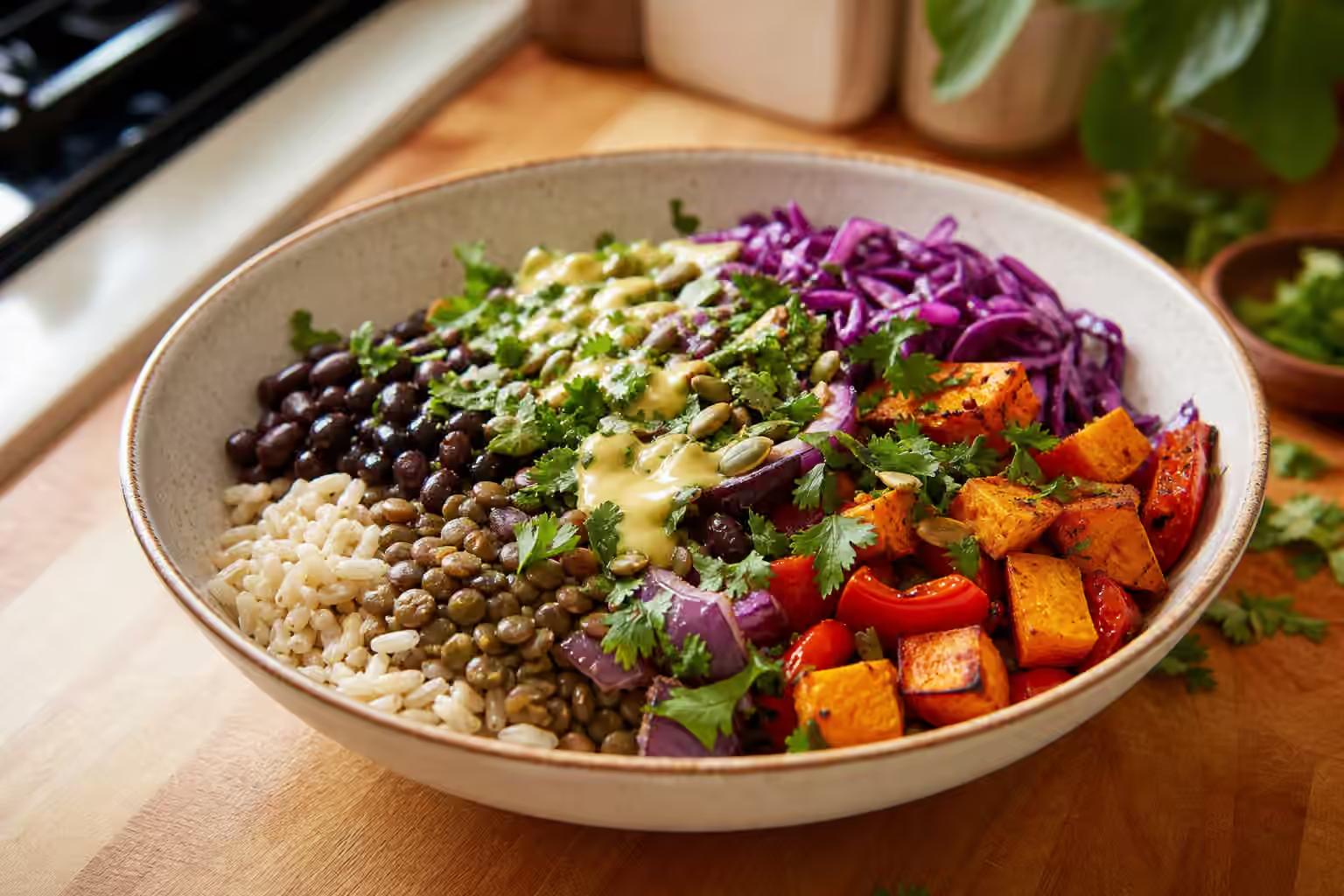
Beans and lentils are what many boy kibble bowls are missing, even when the bowl already has enough protein on paper. They bring fiber, texture, cost control, freezer tolerance, and a kind of steady satisfaction that plain meat and rice do not always provide. They also make simple meals less brittle. If the grocery budget is tight, if meat prices are annoying, if leftovers need stretching, or if a bowl keeps feeling empty two hours later, legumes are usually the first place to look.
The problem is that beans have been badly marketed to people who want low-friction food. They are either treated like a health lecture, a survival pantry item, or a complicated cooking project that begins with soaking schedules and ends with a pot you were supposed to start yesterday. That is too narrow. Beans and lentils can be as practical as browned meat if you understand what role they are playing in the bowl.
Sometimes they are the main protein. Sometimes they stretch another protein. Sometimes they become the starch and protein at the same time. Sometimes they are there for texture, fiber, or sauce absorption. The bowl does not need a manifesto. It needs food that works on Tuesday.
Lentils Are the Fastest Door In
Lentils are the easiest legume for many beginners because they cook quickly and do not require soaking. Red lentils soften into a thick base that can carry curry spices, tomato, garlic, ginger, or broth. Brown and green lentils hold their shape better and can sit beside rice, potatoes, roasted vegetables, eggs, yogurt sauce, or greens. Black lentils stay firmer and feel more polished, though they cost more and are not necessary for the basic system.
For boy kibble, lentils are useful because they do not demand much attention. A pot of lentils can become several meals without tasting like the same meal every time. One bowl can go toward rice, roasted carrots, hot sauce, and yogurt. Another can lean into cumin, cabbage, and lime. Another can become a breakfast bowl with eggs and potatoes. Lentils accept direction.
They also solve the texture problem better than people expect. A bowl with rice and ground meat can become monotonous. A bowl with rice, lentils, browned vegetables, and a crisp topping has more going on. The lentils add softness, but not the same softness as rice. They make the bowl feel fuller without simply making it heavier.
Canned Beans Are Not Cheating
Canned beans are one of the most useful convenience foods in a practical kitchen. They are cooked, cheap enough in many places, shelf-stable, and ready when the plan collapses. The only real trick is to treat them like ingredients rather than dumping them cold and wet into a bowl.
Rinsing can remove some canning liquid and make the beans taste cleaner, though sometimes the liquid is useful in soups or saucy dishes. Heating beans with fat, salt, spices, garlic, onion, broth, salsa, or a spoonful of sauce makes them feel cooked into the meal. A can of black beans warmed with cumin, smoked paprika, and a little vinegar becomes a very different thing from a can opened over rice. Chickpeas crisped in a pan or oven can add chew and edges. White beans can become creamy with olive oil, lemon, and greens.
The beginner mistake is expecting beans to bring excitement by themselves. Beans are steady. They need seasoning, acid, fat, and texture around them. That is not a flaw. Rice needs the same help. Meat often needs the same help. Beans simply make the need obvious.
Beans Stretch Meat Without Making the Bowl Sad
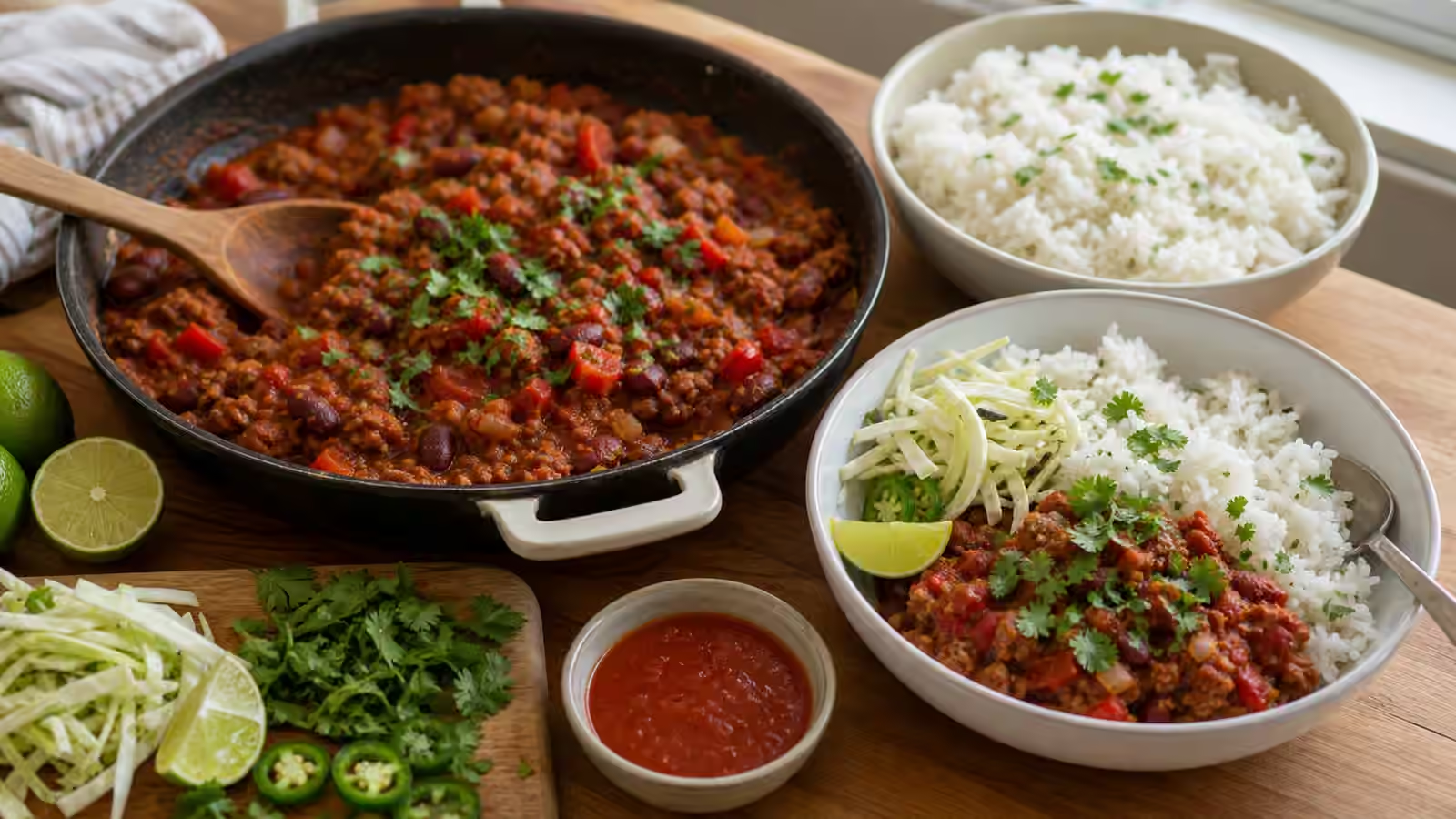
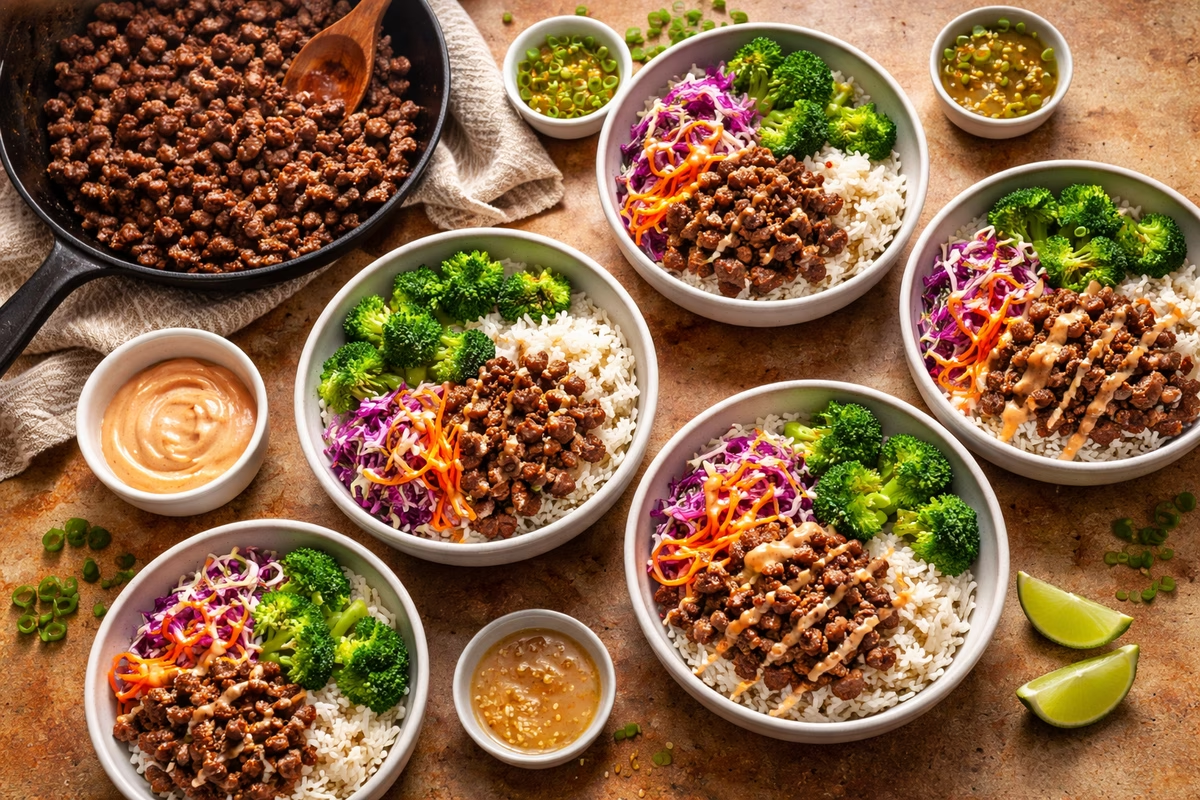
Not every bean bowl has to be vegetarian. One of the best budget moves is using beans to stretch meat so the bowl keeps flavor while gaining fiber and volume. Ground beef with black beans, turkey with lentils, chicken with chickpeas, sausage-style slices with white beans, or eggs with beans and potatoes can all feel complete without making meat the whole structure.
This helps with cost, but it also helps the meal eat better. A bowl that is mostly meat and rice can feel dense. Beans add moisture and a different kind of chew. They hold sauce. They make leftovers less dry. They help a smaller amount of strongly seasoned meat carry through several servings.
The seasoning should be shared. If the meat is taco-ish, let the beans warm in the same pan. If the chicken is lemony, let chickpeas pick up the same oil and acid. If the turkey is spicy, lentils can soften the heat and carry it through the rice. The beans should not feel like an apology added at the end. They should feel like part of the bowl’s logic.
Texture Still Matters
Beans and lentils can make bowls better, but they can also make them mushy if everything else is soft. Rice, lentils, soft beans, cooked vegetables, and sauce can become one warm texture. The fix is the same as in other boy kibble bowls: contrast.
Add crisp cabbage, pickled onions, cucumbers, roasted chickpeas, toasted seeds, crushed chips, herbs, raw peppers, or a quick slaw. Use a skillet to give chickpeas or beans a little surface texture. Roast vegetables hot enough to brown instead of steam. Keep sauces from turning the bowl into soup unless soup is the point.
Chickpeas are especially good for texture because they can go creamy or crisp depending on treatment. Black beans are excellent for saucy bowls. White beans can become soft and rich. Lentils can be loose, firm, or stew-like. The legume is not the final texture. It is one part of the design.
Seasoning Has to Be Generous
Beans and lentils need salt. They also like acid. Without those, they can taste flat even when the bowl is technically nutritious. This is where many people decide they dislike beans, when the real problem is that the beans were never given enough flavor to carry their job.
Salt during cooking if you are cooking from dry, or season well while warming canned beans. Add acid after cooking or near the end: lime, lemon, vinegar, pickled vegetables, salsa, hot sauce, yogurt, or a tomato-based sauce. Add fat if the bowl is lean. Olive oil, yogurt, tahini, cheese, avocado, chili crisp, or a small amount of rendered meat fat can make legumes feel satisfying instead of austere.
Spices help, but spices without salt and acid can still taste dusty. The bowl should taste alive. If it tastes heavy, add acid. If it tastes thin, add fat or more salt. If it tastes boring, add heat, herbs, crunch, or a sharper sauce.
Storage Is One of Their Best Features
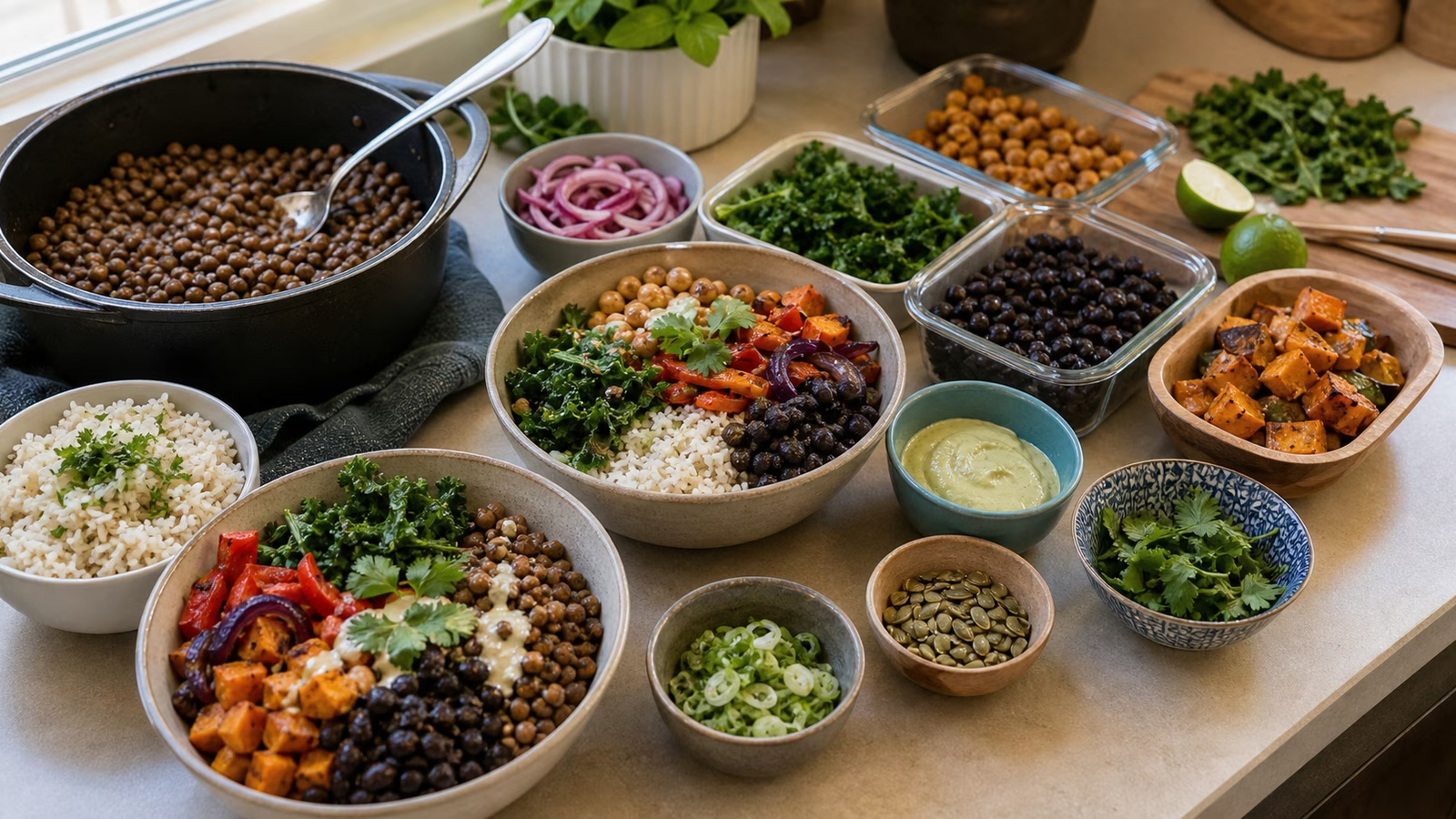
Beans and lentils usually store well. They do not dry out as aggressively as plain cooked meat, and many taste better after a day because seasoning settles in. They freeze well in saucy forms. They can be portioned with rice or kept separately. They can become lunch, dinner, breakfast, or a rescue meal when the original plan fails.
There are limits. Crisp chickpeas will not stay crisp in a closed container with steam. Fresh toppings should stay separate. Lentils can thicken in the fridge and may need a splash of water when reheated. Beans can absorb salt and acid differently over time, so tasting after reheating still matters.
But as a meal-prep backbone, legumes are forgiving. They let you cook once and make decisions later. That is exactly what boy kibble needs.
The Better Bowl Is Less Fragile
The strongest argument for beans and lentils is not that they are virtuous. It is that they make the simple meal system more resilient. If you have rice, beans, a sauce, and one fresh or crisp thing, you are close to dinner. If you have lentils and eggs, you are close to breakfast. If you have chickpeas and roasted vegetables, you are close to lunch. If you have a little meat and a can of beans, you can feed yourself without feeling like the meal shrank.
That is the point. Beans and lentils are not punishment food. They are infrastructure. They make cheap meals better, healthy meals easier, and leftovers less bleak. They give the bowl more staying power without turning dinner into a project.
Start with one legume you actually like. Season it properly. Add contrast. Repeat it in a few directions before buying six varieties. The goal is not to become a bean scholar. The goal is to make the next bowl cheaper, fuller, and better than it would have been without them.