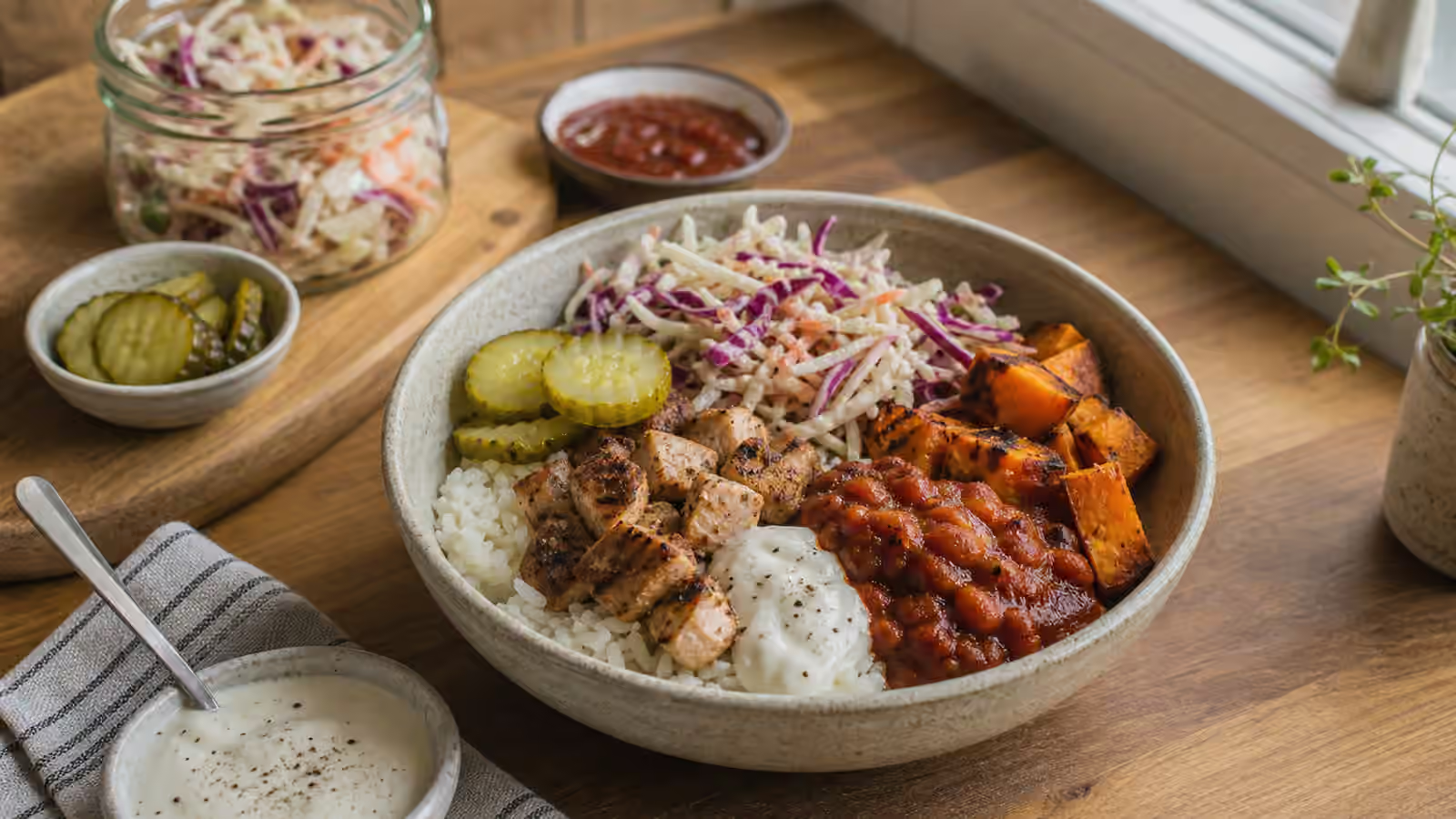
BBQ-style boy kibble works because barbecue flavors already understand contrast. Sweetness needs sharpness. Smoke needs freshness. Rich meat needs slaw. Beans need enough acid and salt to avoid feeling heavy. That makes the flavor lane a natural fit for simple bowls, even when there is no smoker, grill, or long weekend cooking project involved.
This is not a guide to imitating true barbecue in a skillet. It is a way to borrow the useful parts of the style for weeknight food: smoky seasoning, tomato-based sauce, cabbage crunch, pickles, beans, roasted vegetables, and a sturdy base. If Taco Boy Kibble is the easiest flavor lane and Burger Bowl Boy Kibble is the most familiar comfort lane, BBQ-style bowls sit between them. They are casual, filling, and good at making leftovers feel like they have a plan.
Start With Smoke as a Hint, Not a Costume
The first mistake is trying to make fast food taste like slow barbecue by pouring on too much sauce. A heavy sweet sauce can cover the bowl quickly, but it also flattens everything underneath it. The better move is to season the protein and vegetables first, then use sauce as a finish or glaze. Smoked paprika, garlic powder, onion powder, black pepper, a little chili powder, and salt can make ground beef, turkey, chicken, beans, tofu, or mushrooms feel warmer before any bottle comes out of the refrigerator.
How to Season Boy Kibble Before the Sauce Goes On matters here because barbecue-style bowls punish lazy sequencing. If the rice is plain, the meat is plain, and the sauce is asked to do all the work, every bite tastes sugary and one-note. If the protein has its own browned flavor and the vegetables have enough salt, the sauce becomes a connector instead of a disguise.
Smoke flavor should feel like background warmth. It should not make the whole bowl taste like a campfire. That is especially true in shared kitchens, where strong smells linger and make tomorrow’s meal less appealing. A restrained smoky base, crisp slaw, and a sharp pickle finish usually do more for the bowl than an aggressive sauce ever will.
Pick a Protein That Can Carry Sauce
BBQ-style boy kibble is forgiving about protein, but each option needs a slightly different approach. Ground beef brings richness, so it wants plenty of slaw and acid. Ground turkey or chicken is leaner, so it benefits from a little fat in the pan, a saucier finish, or a creamy topping. Chicken thighs work well because they stay juicy, especially when sliced or shredded into rice. Beans and lentils can take the flavor lane in a more budget-friendly direction, as long as they are seasoned before the sauce is added. Tofu can work too, especially when pressed, browned, and glazed lightly instead of simmered until soft.
The useful question is not which protein is most authentic. It is which protein can survive the way you will actually eat the bowl. If the food is for lunch tomorrow, choose something that reheats without drying out. If the bowl is for tonight only, a crispier skillet finish can be worth it. If the batch needs to stretch, combine meat with beans so the sauce has more places to land. Beans and Lentils for Boy Kibble is a good partner for this because barbecue flavors are especially kind to beans when they are not left watery or bland.
Sauce timing is part of the protein choice. A spoonful of sauce tossed into hot browned meat can glaze the edges and reduce slightly. Too much sauce added early can steam everything. For beans, a little sauce can warm with the beans, but the bowl still needs acid and crunch at the end. For chicken, sauce can be brushed or folded in after reheating. For tofu, sauce works best after the surface has already browned.
Let Slaw Do Real Work
Cabbage is not garnish in this bowl. It is structural. Warm rice, sauced protein, beans, and roasted vegetables can all be soft, sweet, and rich. Slaw brings the resistance that makes the bowl eat like dinner instead of a scoop of leftovers. It also gives the sauce somewhere crisp to meet the base.
Cabbage and Slaw Boy Kibble covers the broader method, but the barbecue version has a few simple rules. Keep the slaw brighter than the protein. A little vinegar, lemon, lime, pickle brine, yogurt, mustard, or hot sauce can keep it sharp. Do not drown it in creamy dressing if the main bowl already has sweet sauce. If the slaw is going into packed lunches, keep it separate or barely dressed so it still has crunch when the bowl is assembled.
Pickles are the easiest shortcut. A few slices can rescue a bowl that is too sweet or heavy. Pickled onions, jalapenos, banana peppers, or cucumber pickles all work because they interrupt the soft parts without adding another cooking step. This is the same fresh-finish logic from Fresh Finish Kits for Boy Kibble , only pointed toward smoky bowls.
Choose Bases That Match the Weight of the Bowl
Rice is the default because it is simple, cheap, and good at catching sauce. White rice keeps the bowl lighter and lets the slaw carry freshness. Brown rice, farro, or other grains can work when the bowl needs more chew, especially with beans. Potatoes make the meal feel closer to a plate of barbecue sides, but they need crisp edges or enough browning to avoid becoming another soft component.
Sweet potatoes can be excellent here, but they need restraint because the sauce may already be sweet. Roasted sweet potatoes with salt, smoked paprika, and a little oil can bring color and body. If they make the bowl too sweet, pair them with hot sauce, pickles, cabbage, or a tangy yogurt finish. Regular potatoes are more neutral and work especially well with chicken, slaw, and a sharp sauce.
The base should not be an afterthought. Boy Kibble Bases explains why the starch changes the whole meal. BBQ-style bowls need a base that can absorb sauce without turning gluey. If the rice is old and firm, a splash of water during reheating helps. If the potatoes are leftover, re-crisp them or keep the rest of the bowl brighter. If the base is beans, use a smaller scoop of rice and let the bowl become more stew-like without calling it a failure.
Keep the Sauce Useful
Barbecue sauce is powerful because it combines sweet, tangy, salty, and smoky notes. That also means it can take over. A useful bowl often needs less sauce than expected, plus a second finishing element that is not sweet. Yogurt sauce, mustard, hot sauce, vinegar, lime, pickles, or a cabbage slaw can balance the main sauce without making the bowl complicated.
If the sauce is very sweet, use it as a glaze on the protein and keep the bowl sharp elsewhere. If it is vinegar-heavy, it can carry richer meat or potatoes. If it is spicy, a creamy finish helps. If it is thick, loosen it with a spoonful of water, broth, yogurt, or citrus so it coats without clumping. Sauces and Toppings That Save Boy Kibble from Sadness is useful here because the point is not to collect condiments. The point is to understand what job each one is doing.
The sauce also needs to respect storage. A fully sauced container can taste good on day one and dull by day three. For meal prep, keep the protein lightly seasoned and add more sauce when reheating or assembling. That keeps the bowl flexible enough to become a wrap, a potato bowl, a bean bowl, or a slaw-heavy lunch without tasting exactly the same every time.
Make It Repeatable Without Making It Heavy
The best BBQ-style boy kibble has a clear rhythm: a seasoned protein, a dependable base, one sturdy vegetable, one sharp cold finish, and enough sauce to connect the parts. It is not a pile of side dishes. It is a bowl with contrast.
That contrast is what keeps the flavor lane useful over several meals. One night can be rice, chicken, beans, slaw, pickles, and sauce. The next can be potatoes, the same protein, cabbage, hot sauce, and yogurt. A lunch can turn cold with beans, rice, slaw, pickles, and a small sauce cup. A tired leftover batch can become brothy with tomato, beans, rice, and cabbage if that is what the refrigerator allows.
BBQ-style boy kibble fills a real gap in the bowl rotation because it gives simple food a hearty direction without requiring special equipment. Use smoke as a hint. Keep the slaw sharp. Let beans and potatoes help when the batch needs stretching. Add sauce with judgment. When the bowl has richness, acid, crunch, and a base that can carry it, it tastes like a deliberate meal rather than rice hiding under a sticky shortcut.